Bambu Lab meets Superman 2025: inside Legacy Effects' 3D printing revolution
How a mid-production technology shift changed the way practical effects are made


When James Gunn unveiled his vision for Superman 2025, most attention landed on the costume, the cast, and the tone. Few were watching the workshop.
Behind the scenes, Legacy Effects - one of Hollywood's most storied practical effects studios - was quietly undergoing a technology shift that would reshape how physical production assets are built.
Legacy Effects has been a fixture of major film productions for decades. Their work lives in the details: the resistance of an armored suit when a performer moves, the weight of a mechanical prop, the texture of a creature's skin under harsh set lighting.
The pressure on modern film productions is relentless. Schedules compress while expectations rise, and practical effects departments absorb much of that tension.
Legacy Effects had long used 3D printing as a prototyping tool, but the technology always carried a catch: fast prints meant rougher surfaces, and camera-ready parts required slower, more expensive processes. The two rarely overlapped.
Partway through production, Legacy Effects introduced Bambu Lab 3D printing systems into their workflow - and what began as a trial rapidly became a cornerstone of fabrication across multiple characters and builds.
 CK Zhang
The X1C platform delivered a combination of speed and surface quality that blurred the line between prototype and final part.
What follows is a detailed account of how that integration worked, what it produced, and what it means for the future of practical effects...

For the production of Superman 2025, Legacy Effects expanded its use of advanced 3D printing technologies to meet the growing demands of modern filmmaking.
Tasked with delivering high-quality practical effects under compressed timelines, the team incorporated Bambu Lab 3D printing systems into its workflow mid-production.
The result was a shift in how prototypes, engineering components, and final on-screen assets were developed - accelerating iteration while maintaining the tactile realism essential to practical effects.
Meeting Modern Production Demands
Film production schedules continue to tighten, even as audience expectations for visual authenticity increase. While CGI plays a major role in contemporary filmmaking, practical effects remain critical for delivering weight, texture, and physical interaction that digital tools cannot fully replicate.
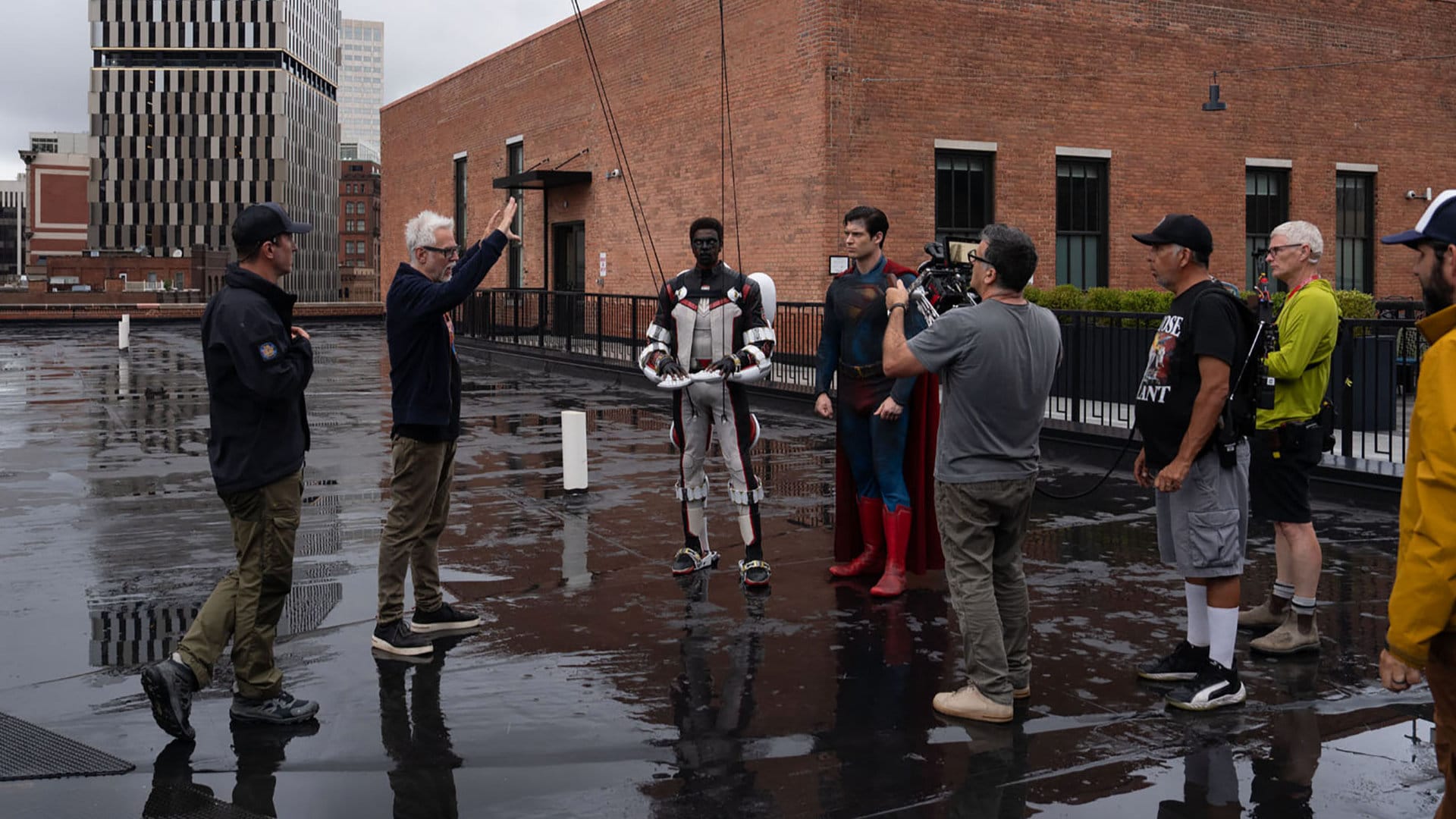
Subtle details - the resistance of armored suits, the impact of mechanical components, the natural creasing of materials in motion — depend on tangible fabrication.
Legacy Effects identified speed, cost efficiency, and material control as the primary challenges in traditional stage item fabrication. Conventional methods often force a choice between fast turnaround and high surface quality.
Earlier FFF printers could produce quick prototypes, but final parts typically required SLA or MJF processes to achieve camera-ready detail. That separation extended timelines and increased labor.
The introduction of Bambu Lab's X1C platform changed that balance.
Transitioning to a New Printing Ecosystem
Before adopting Bambu Lab systems, Legacy Effects operated a range of industrial printers - Stratasys Fortus, WASP delta-style machines, Raise3D large-format printers, and Markforged systems. Each served specific purposes, but trade-offs between speed and resolution were a constant.
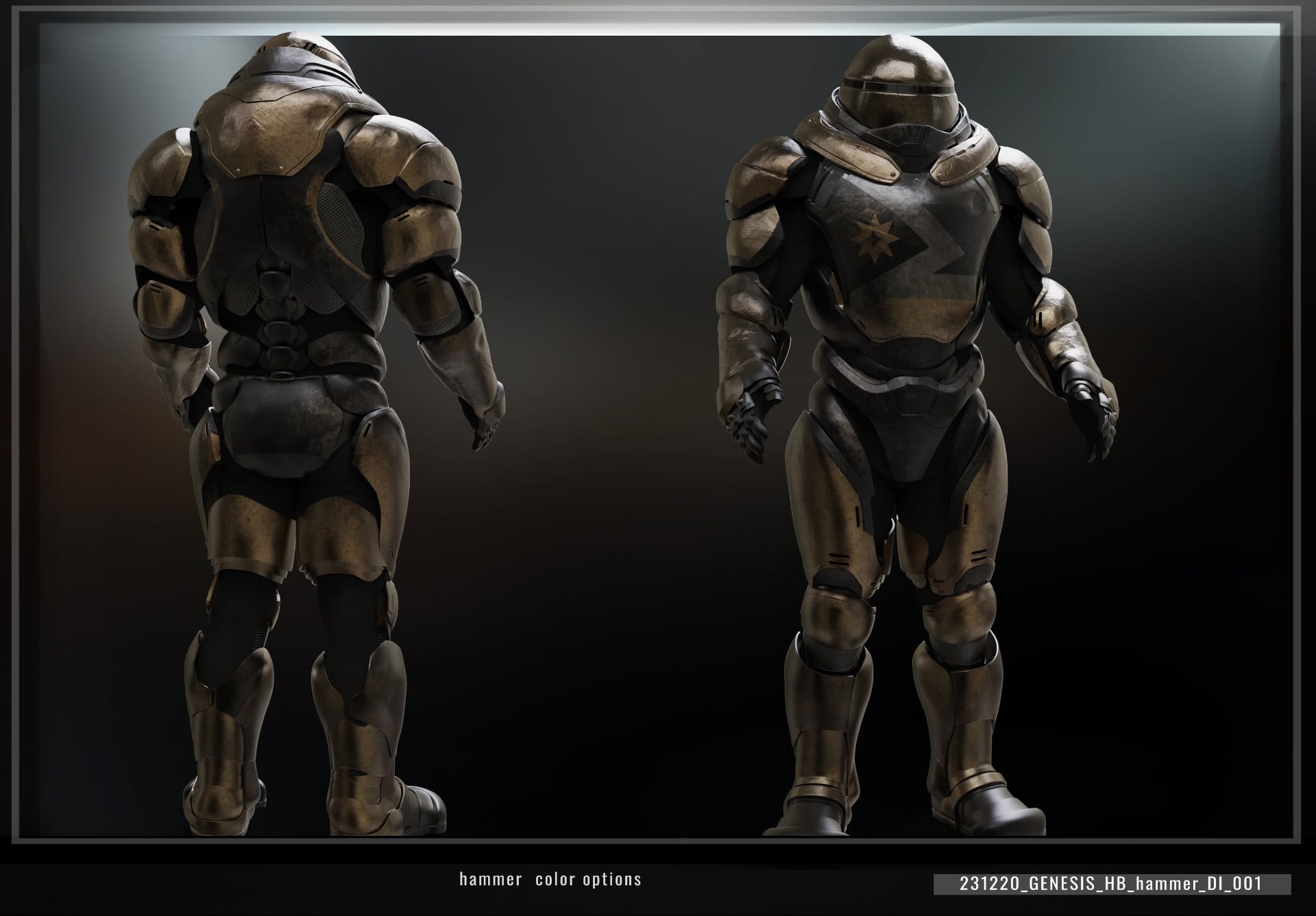
During early testing on the Hammer of Boravia suit, parts printed on the then-new X1C demonstrated an unexpected combination of speed and surface finish.
Components produced rapidly in FFF were of sufficient quality to serve not only as prototypes but, in some cases, as final parts. This significantly reduced the need to reprint iterations in SLA solely for finish quality.
Following these trials, Legacy Effects expanded its fleet of Bambu Lab printers and transitioned the majority of FFF production to the platform.
Scope of application in Superman 2025
Bambu Lab printers supported three primary categories of production work: finalized art design, engineering components, and iterative prototyping.
Full suit prototyping: Hammer of Boravia and LexCorp Raptors
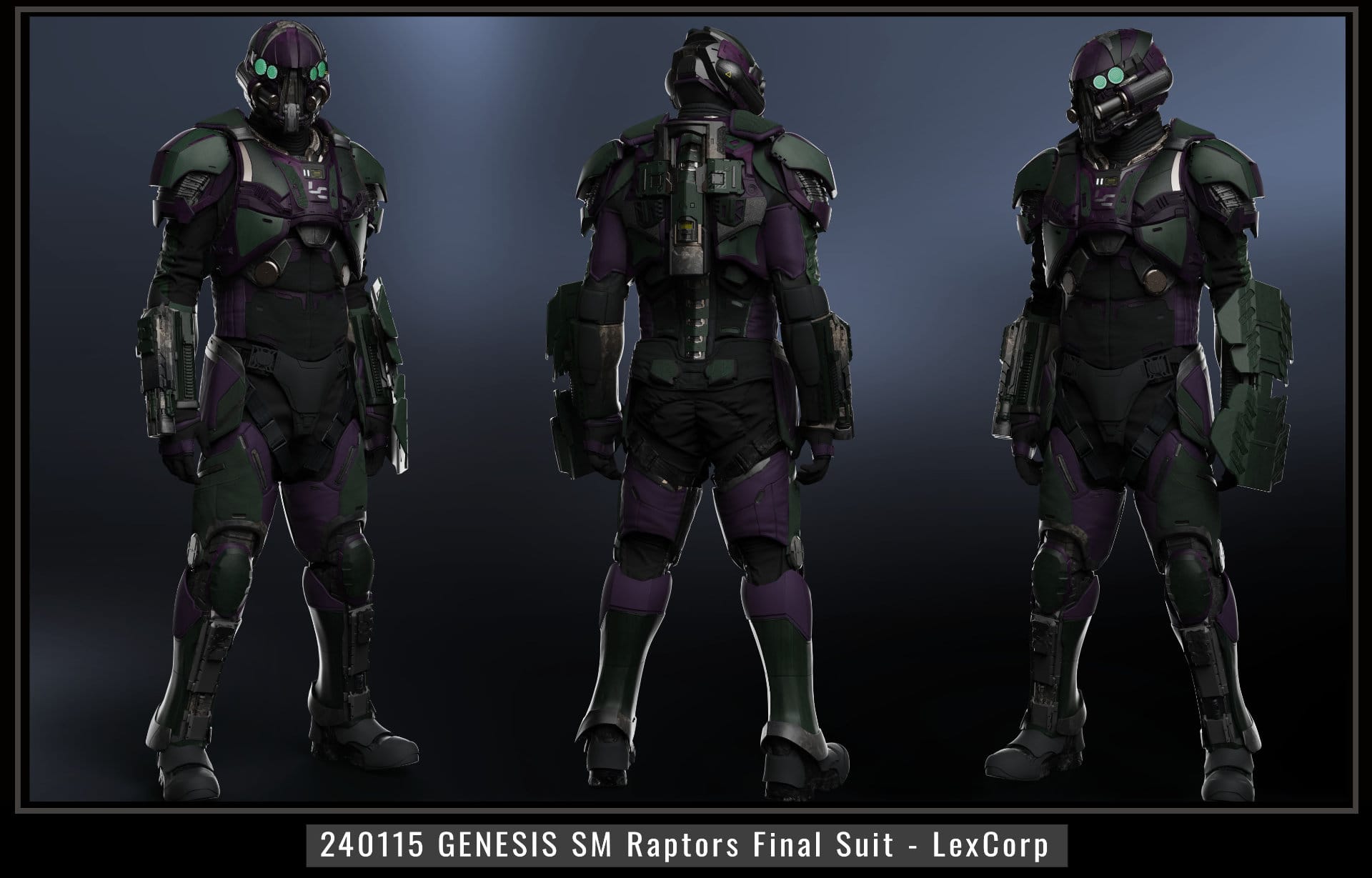
Entire test suits for the Hammer of Boravia and LexCorp Raptors were printed in FFF as multi-part assemblies. These suits were fully fitted to stunt performers to validate fit, articulation, and collision points during action sequences.
When adjustments were required, specific components could be digitally modified and reprinted quickly - often within the same day.
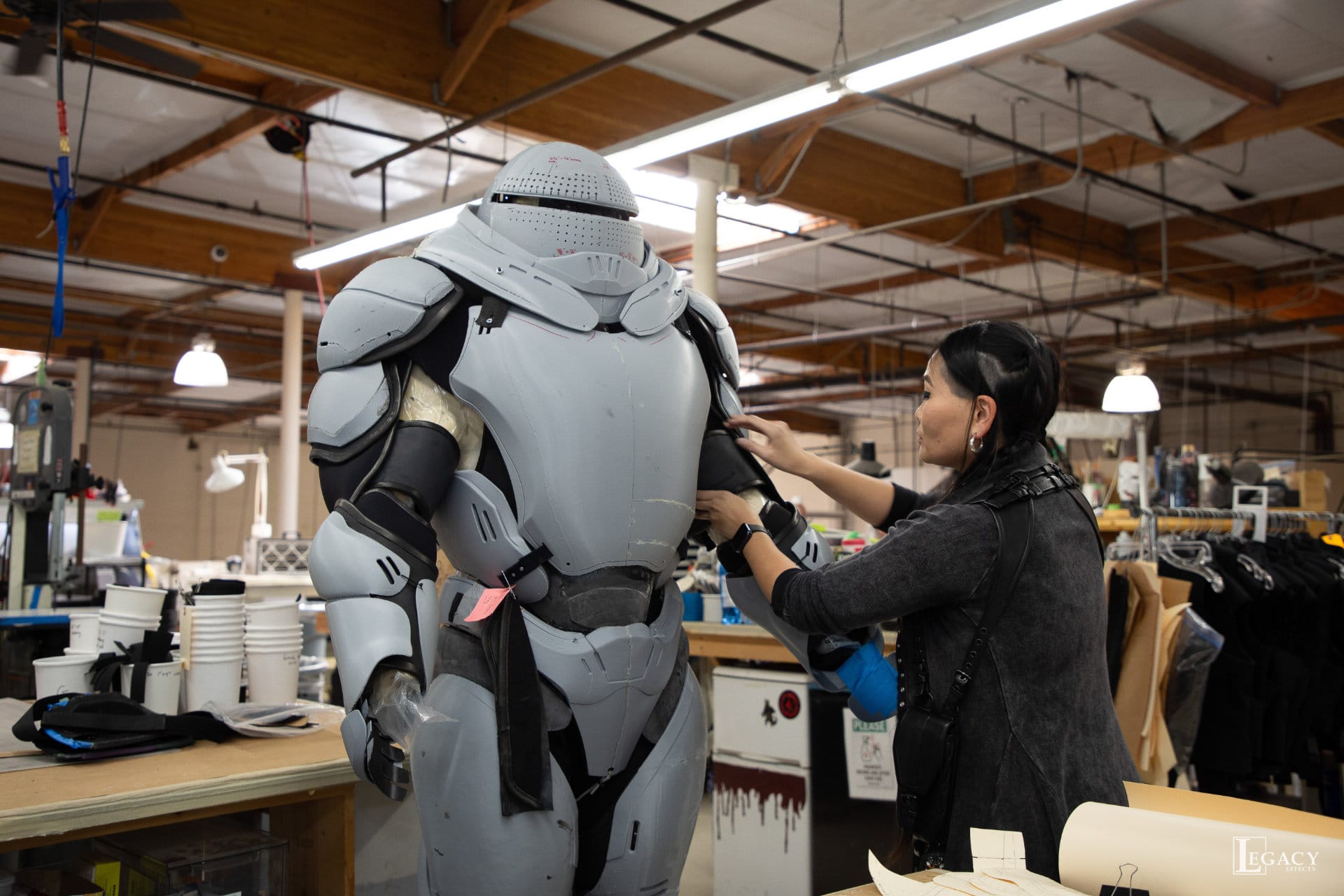
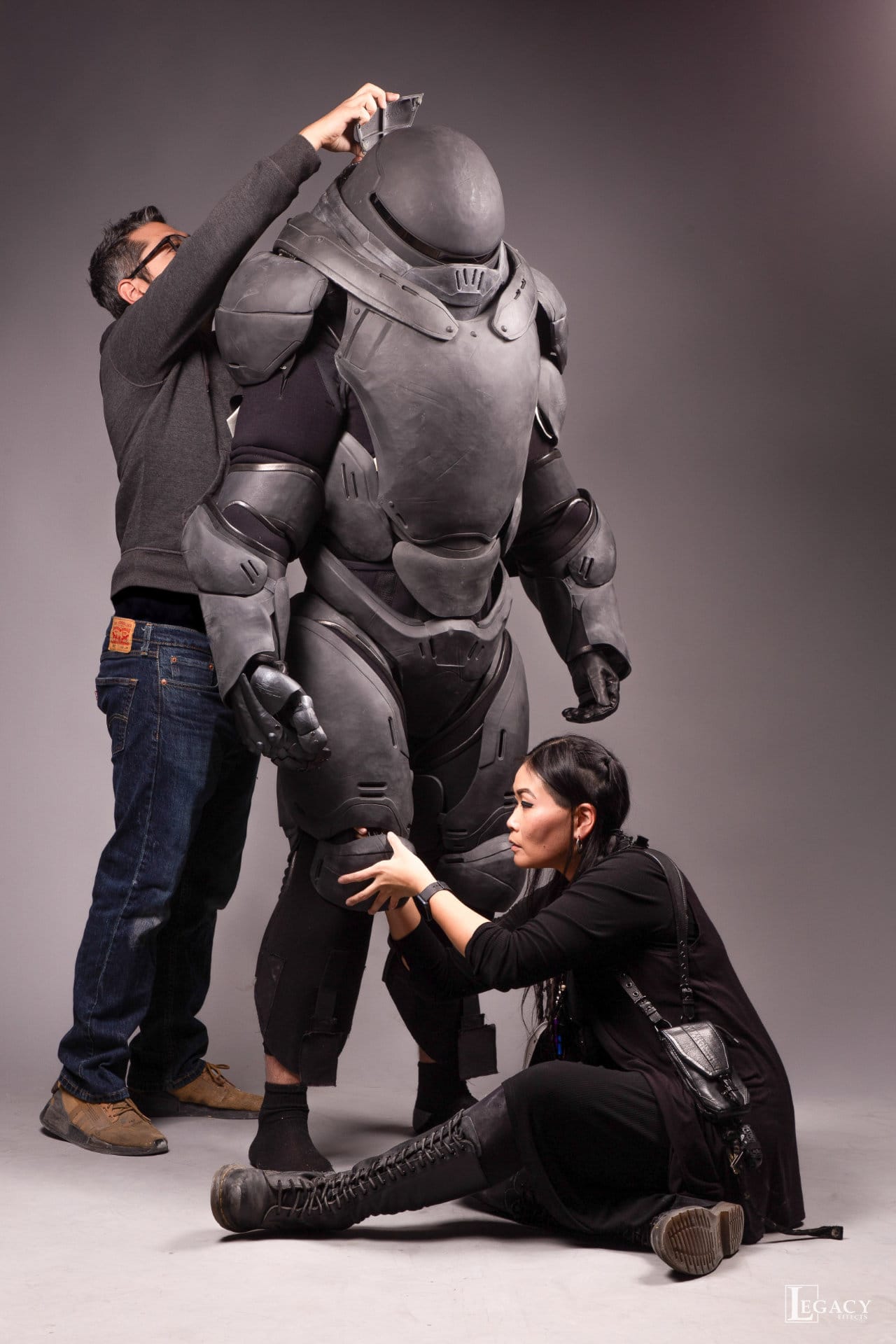
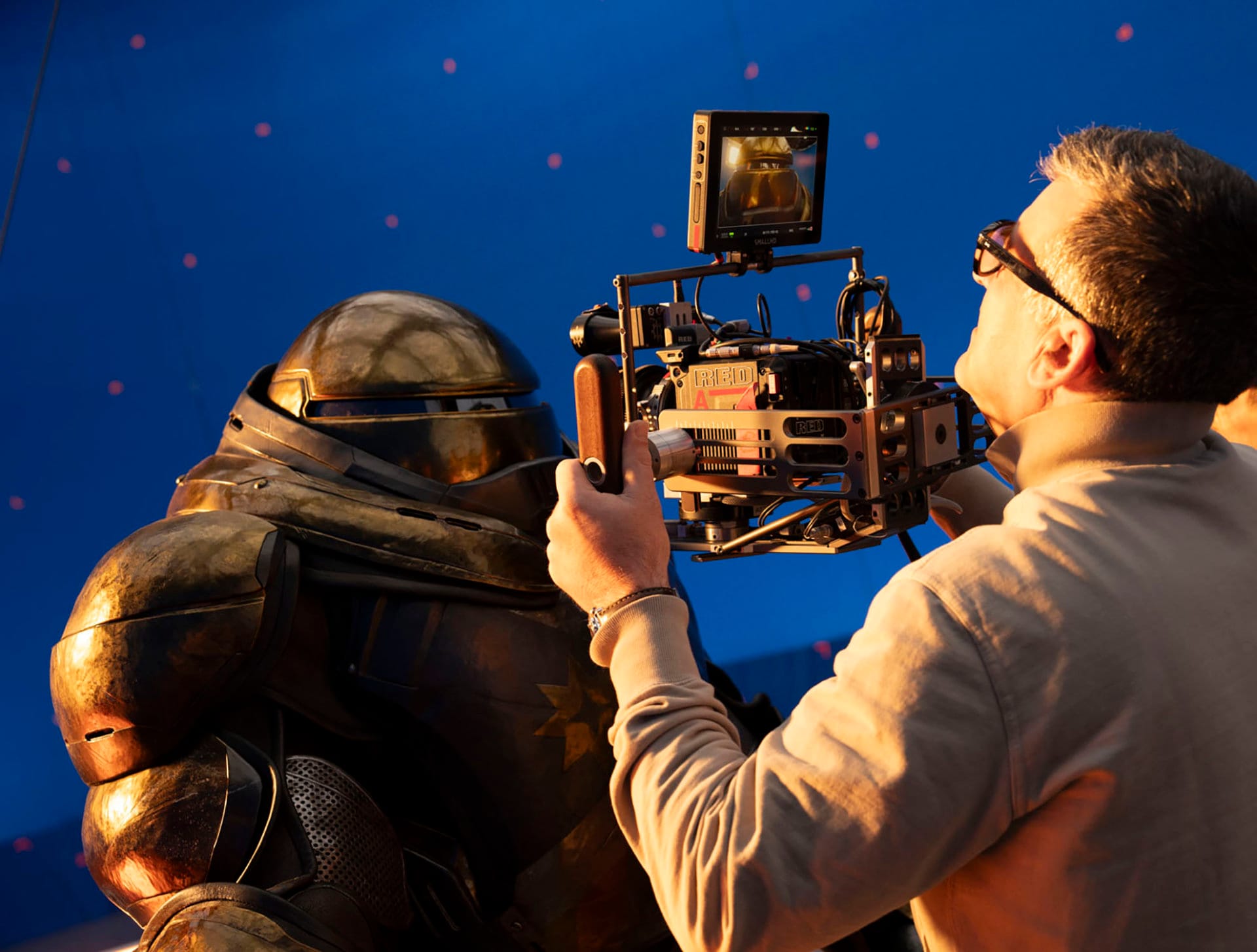
[1] Hammer of Boravia armor, just 3D printed and not yet surface finished; [2] Hammer of Boravia armor undergoing surface finishing; [3] Hammer of Boravia armor on the movie set
This approach allowed the team to validate both aesthetics and functional movement before committing to high-detail SLA prints or molding processes.
Mr. Terrific's Transforming Flying Chair
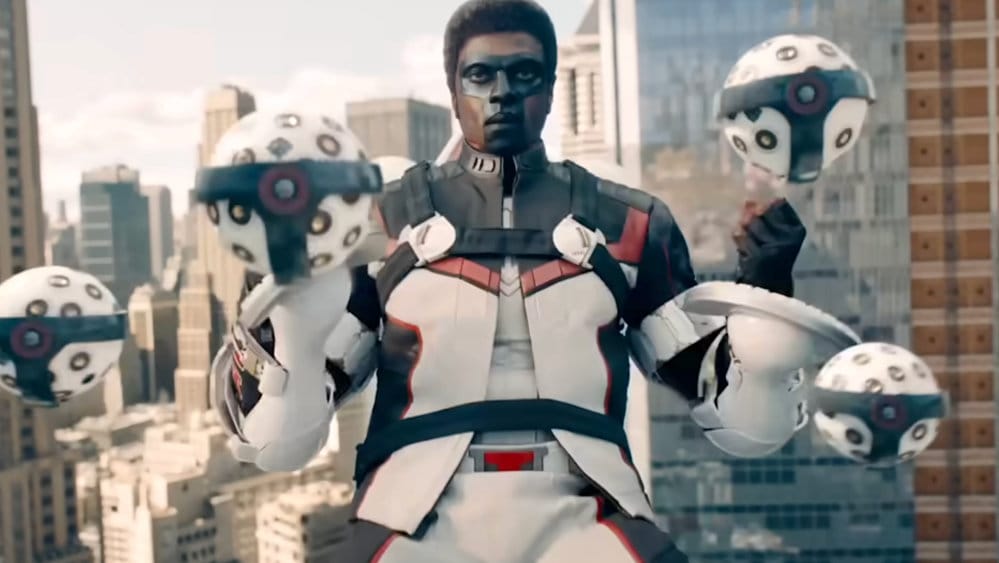
One of the most technically complex stage items was Mr. Terrific's flying chair, constructed largely from FFF-printed components, supplemented by MJF-printed mechanical joints and metal hardware. The chair transitioned from a seated configuration into a standing rig that allowed the character to walk while supported by the structure.
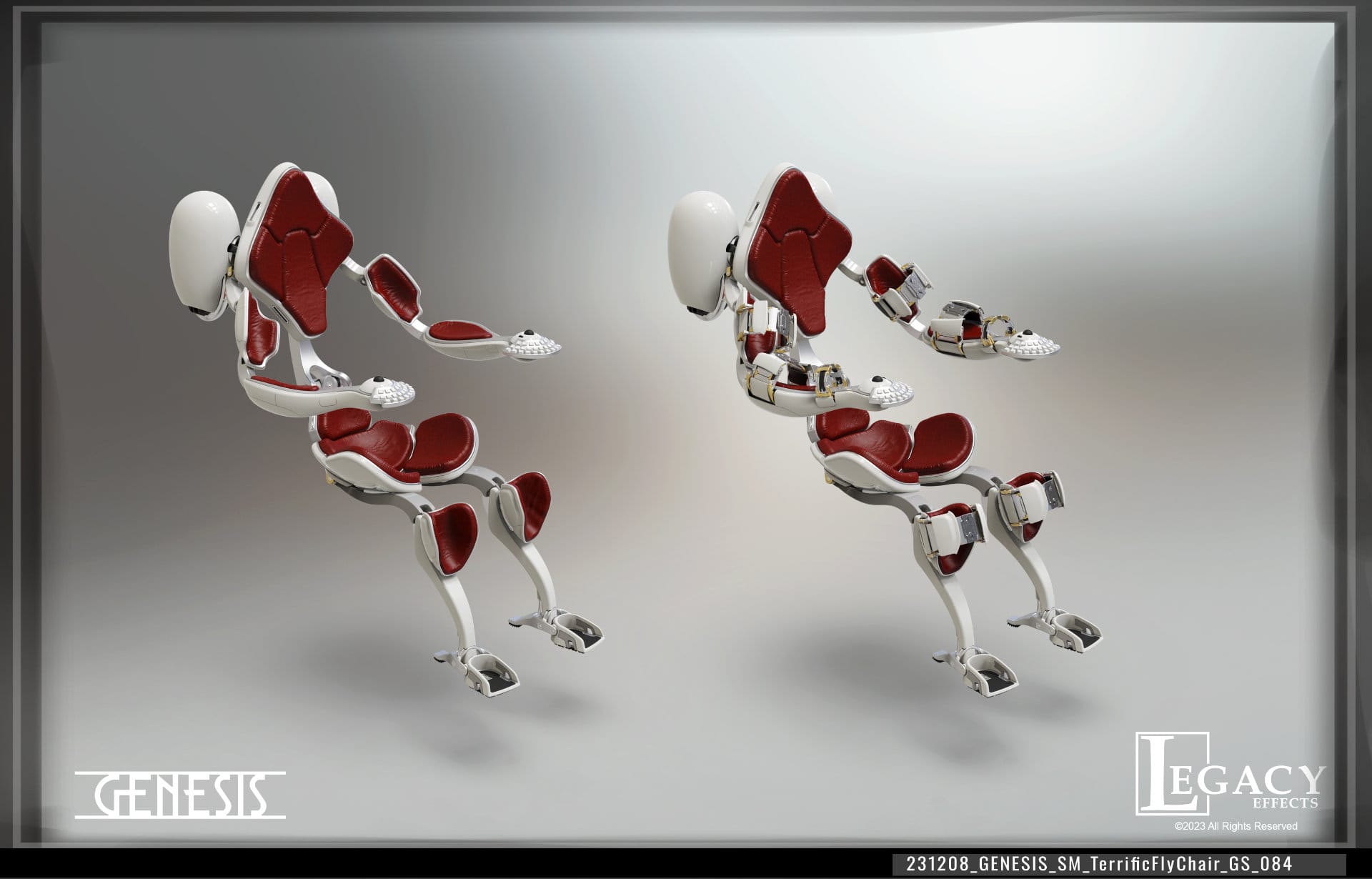
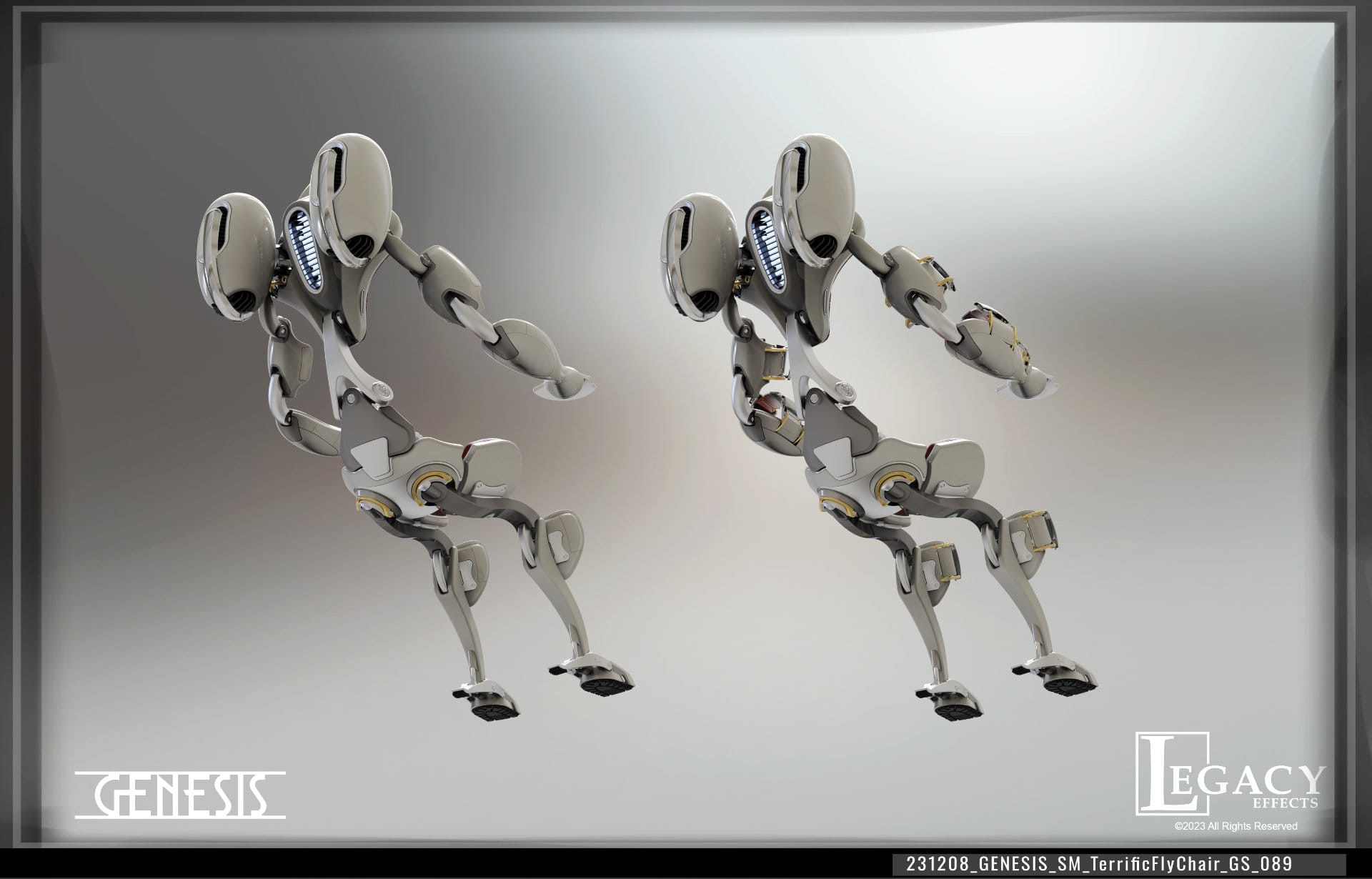
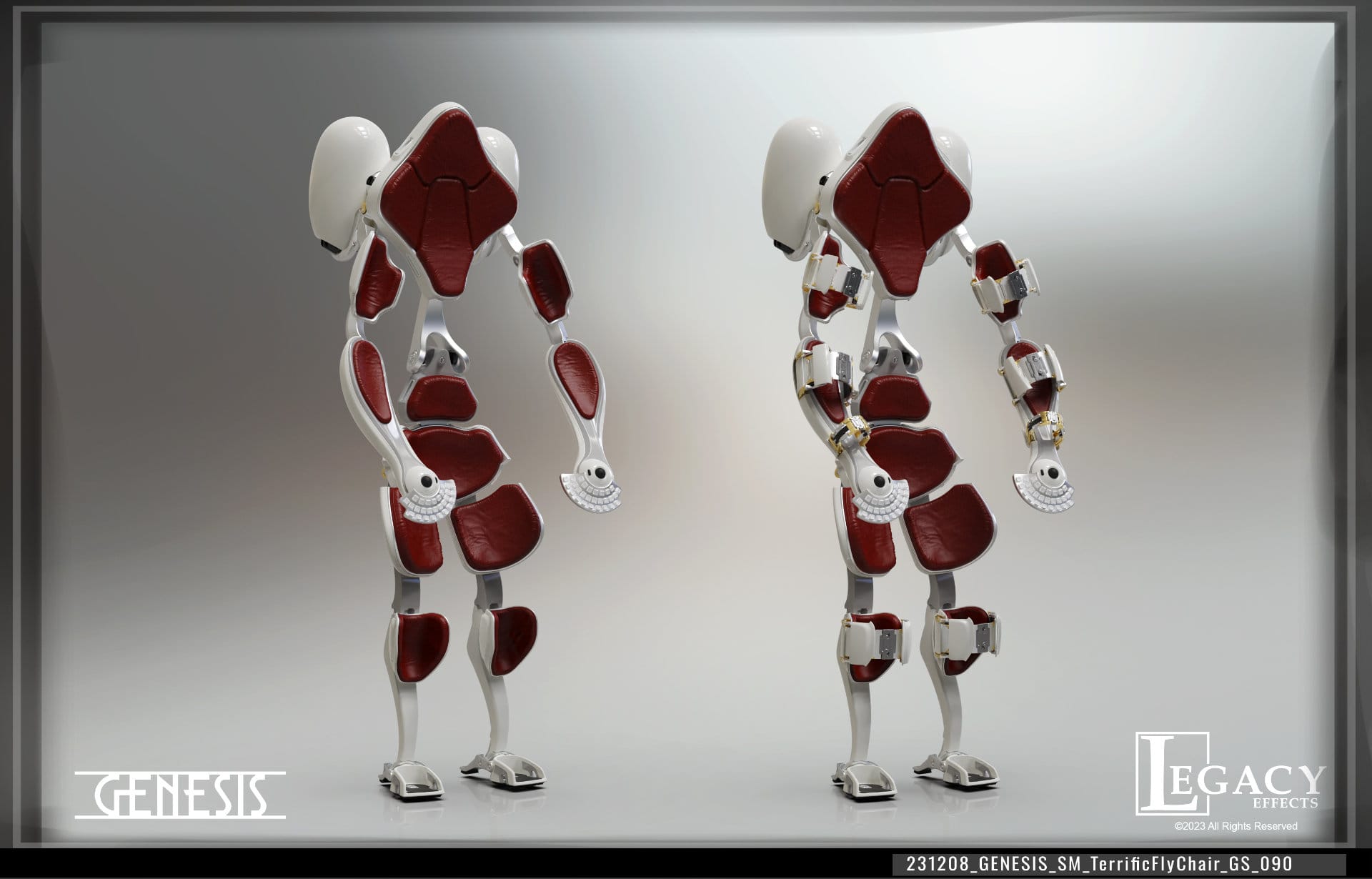
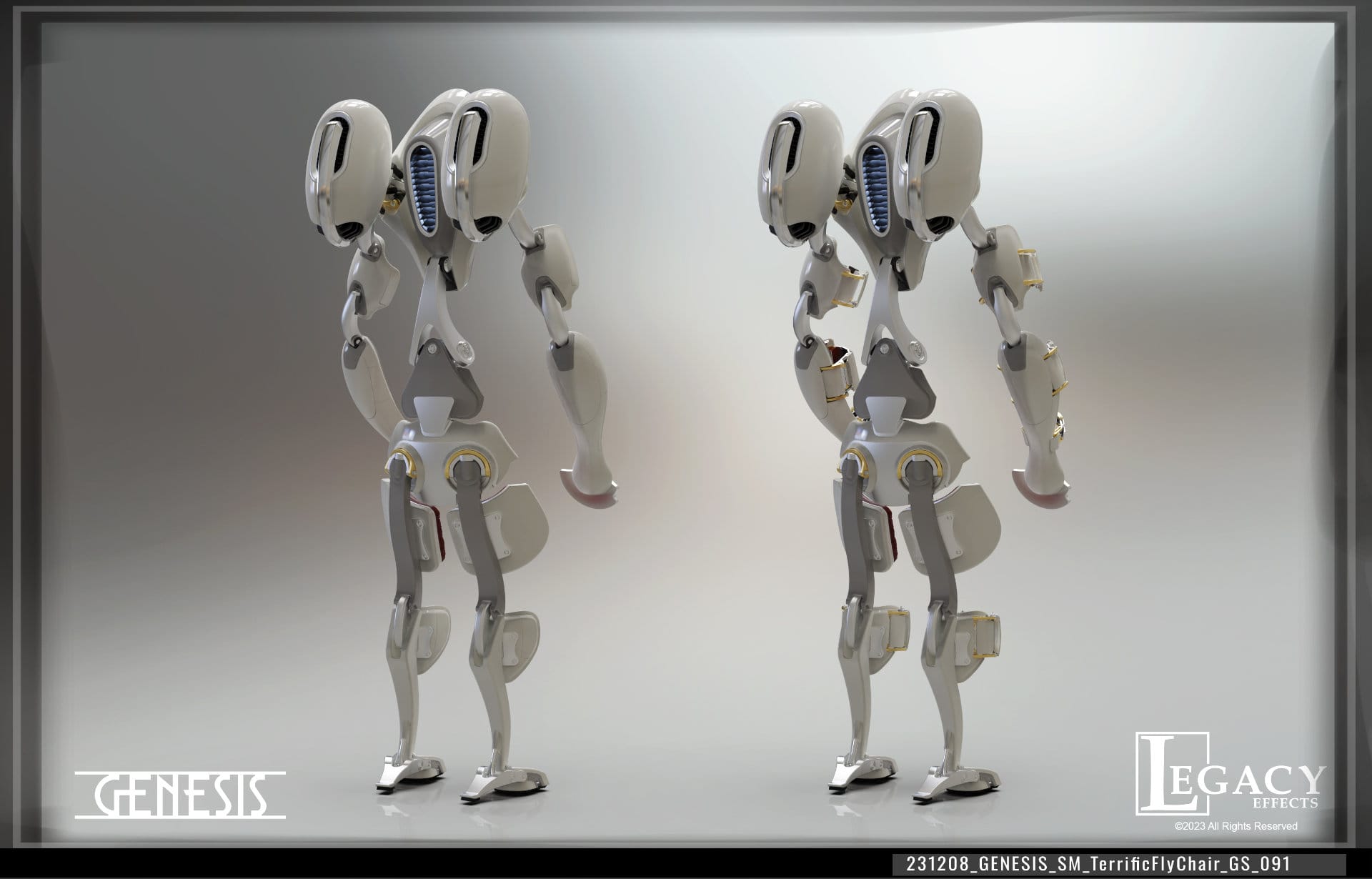
After printing, components were sanded, primed, and painted to achieve a polished reflective finish. The integration of printed structural parts with mechanical and metal reinforcements demonstrated the viability of hybrid manufacturing for hero stage items used in action sequences.
Animatronic Robots in the Fortress of Solitude
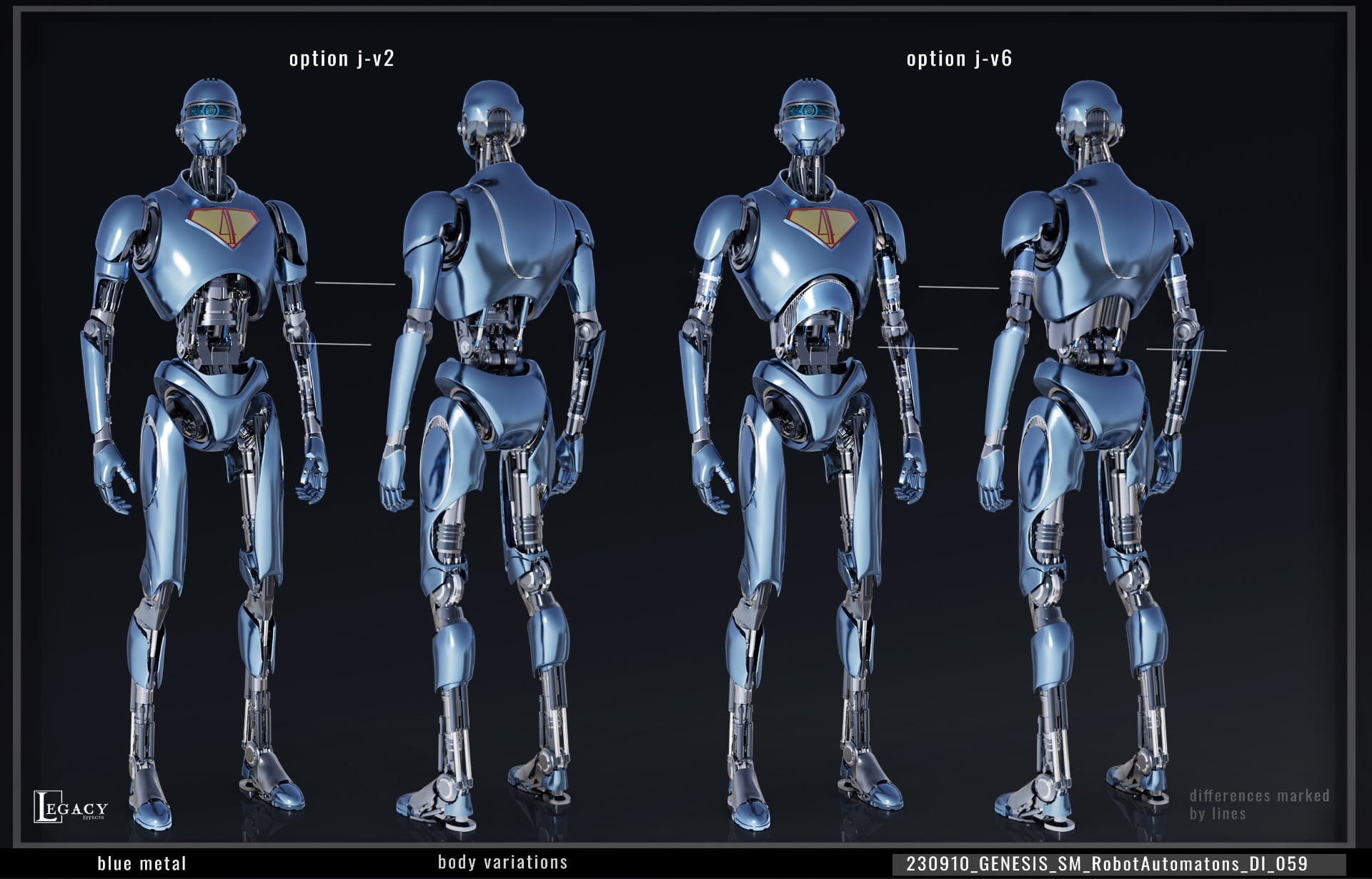
For Superman's robotic assistants, including the character Gary, Bambu Lab printers were used extensively to iterate mechanical brackets and internal joints.
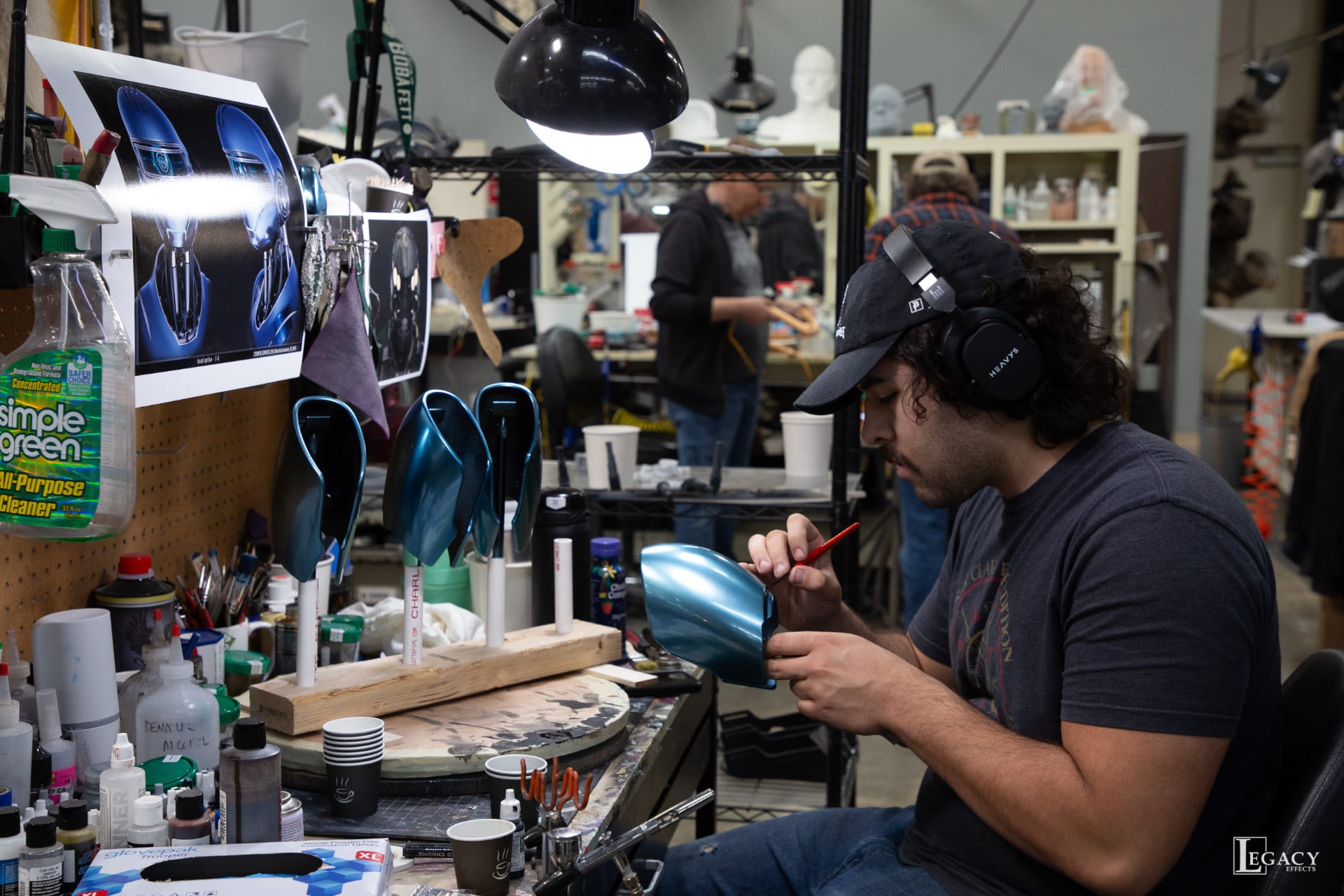
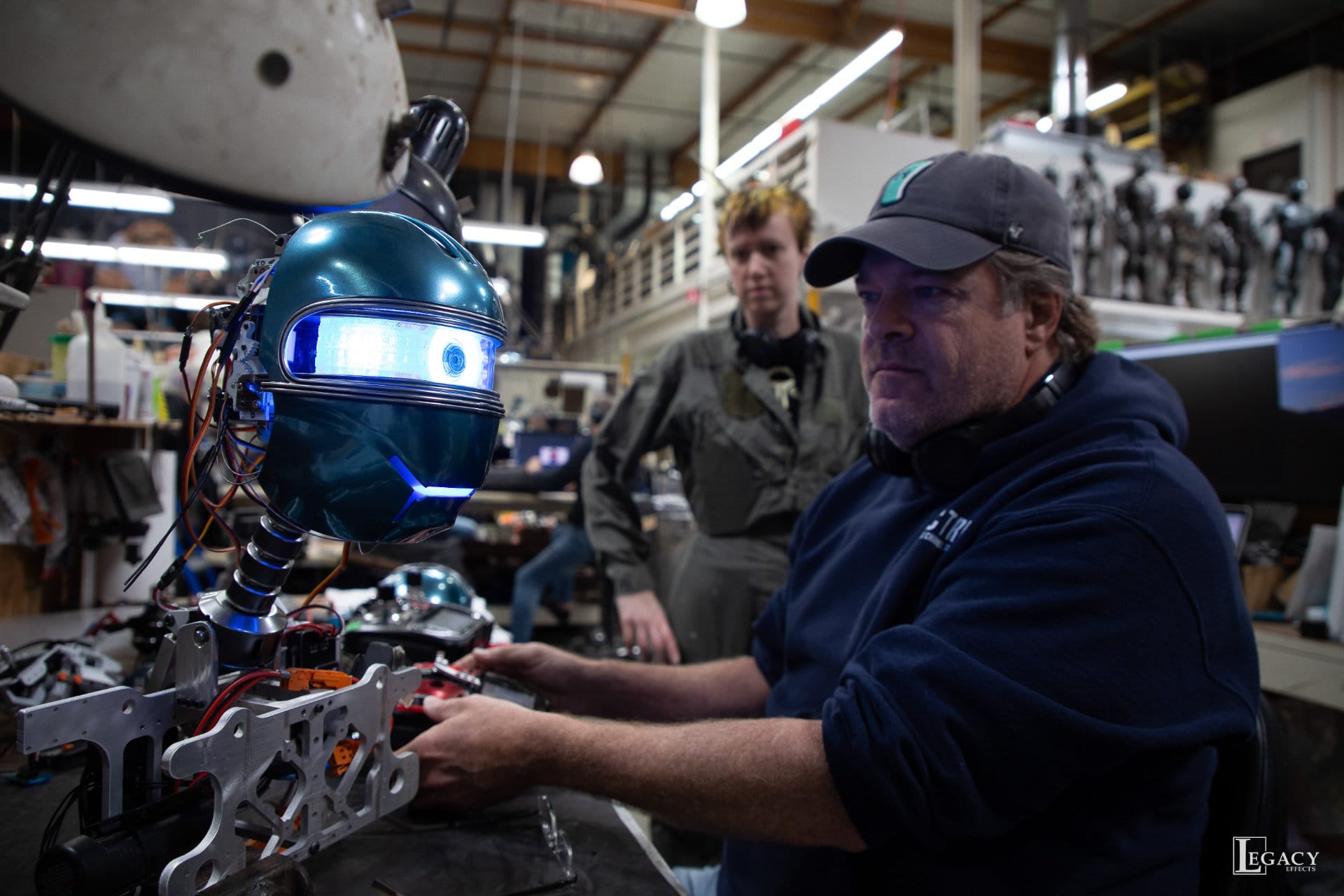
[1] The engineer is performing surface finishing on the 3D‑printed parts of the Animatronic Robot; [2] The engineer is installing the internal structure of the Animatronic Robot
The animatronic puppets required independent head and eye movement as well as functional grasping mechanisms.
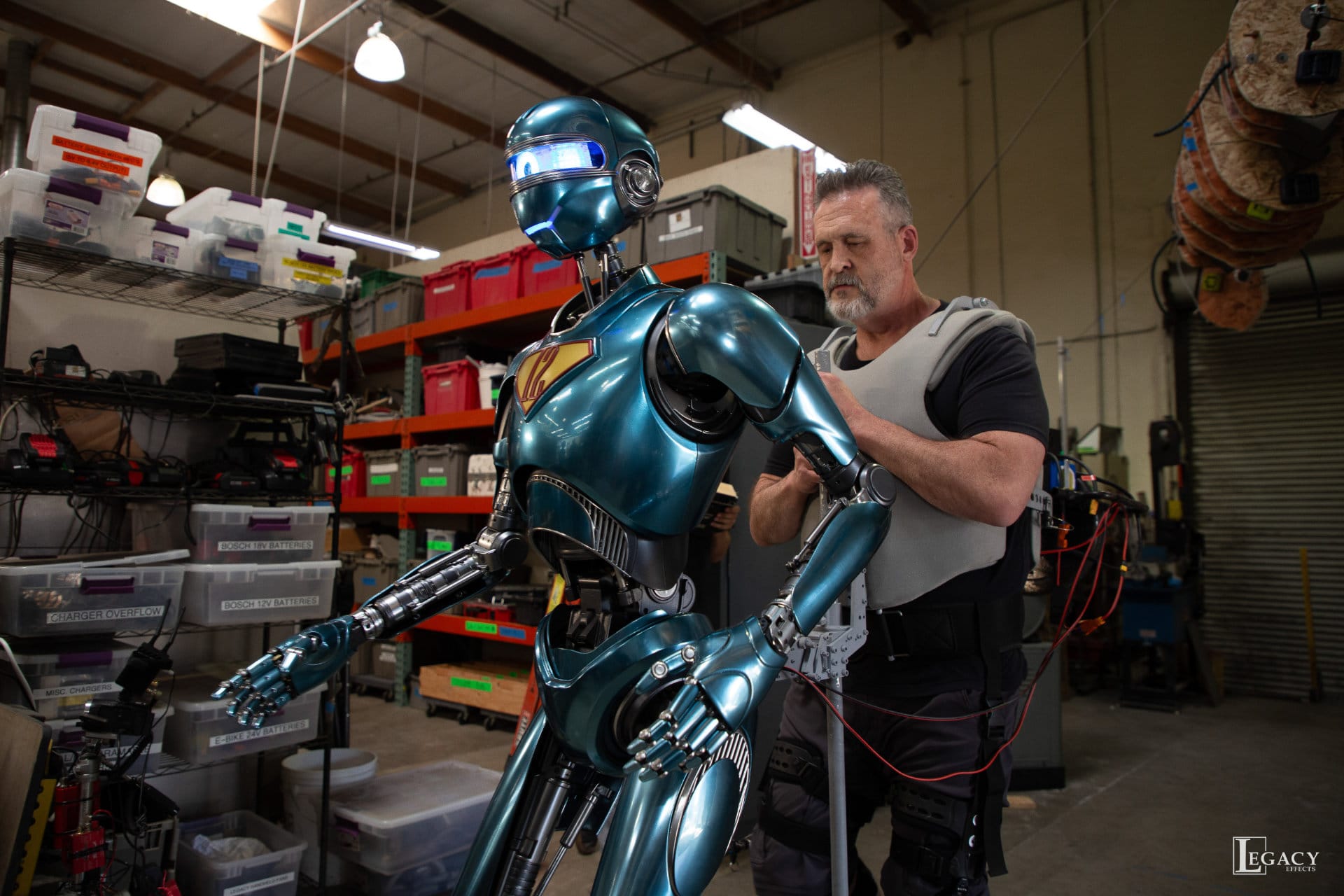
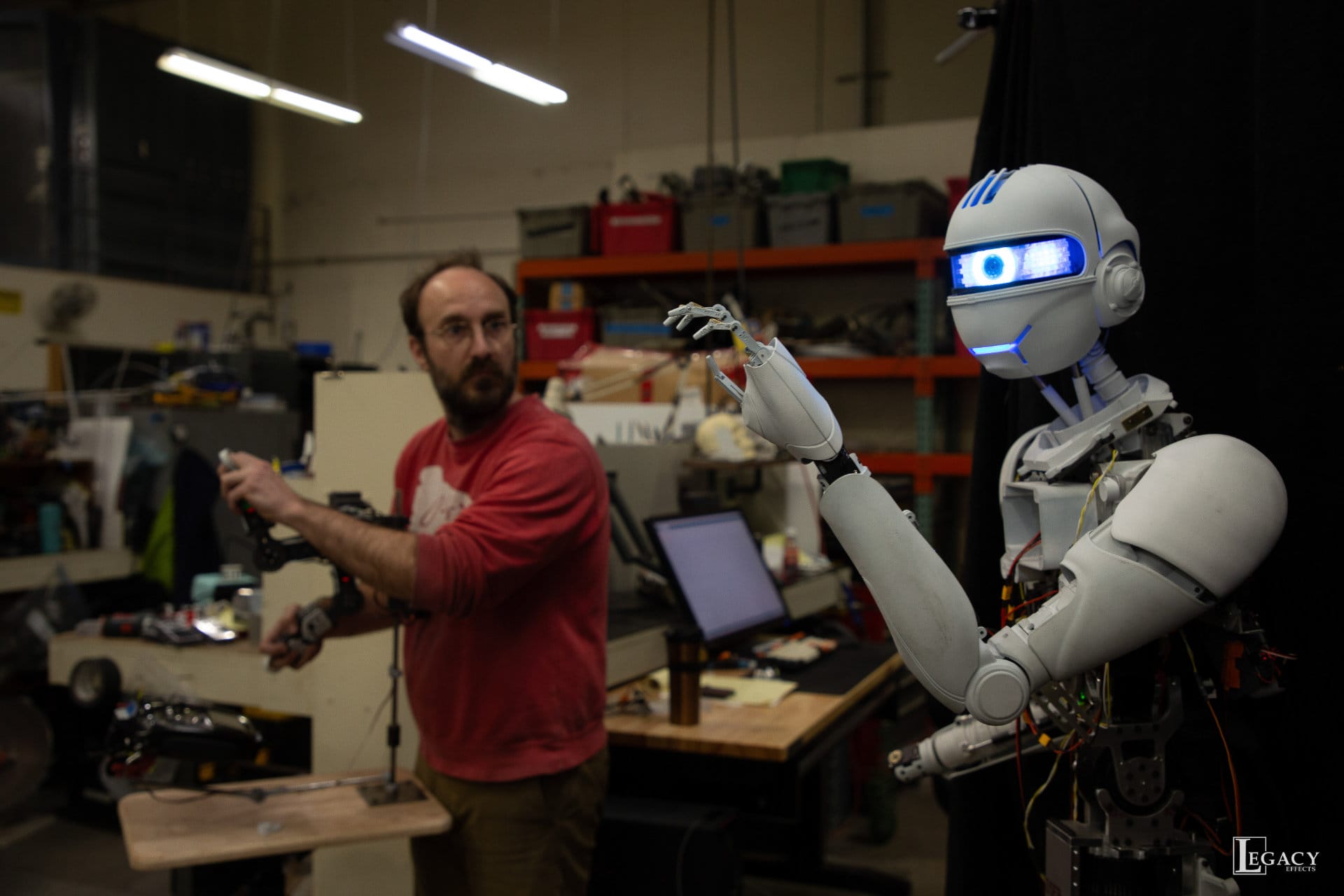
[1] Final debugging of the Animatronic Robot; [2] The engineer is adjusting the movements of the Animatronic Robot model
Engineering components were initially printed in PLA for rapid iteration and later produced in PA-CF or MJF once tolerances and loads were finalized. Compared to traditional metal fabrication, printed components reduced weight and simplified assembly by consolidating multi-part mechanisms into integrated geometries.
Character development: Baby Metamorpho / Kaiju Creature
During creature development, the team printed full three-dimensional maquettes to evaluate proportions, lighting behavior, and physical presence. These tangible references informed both practical fabrication and CGI development, strengthening collaboration between departments.
Flexible mask prototyping
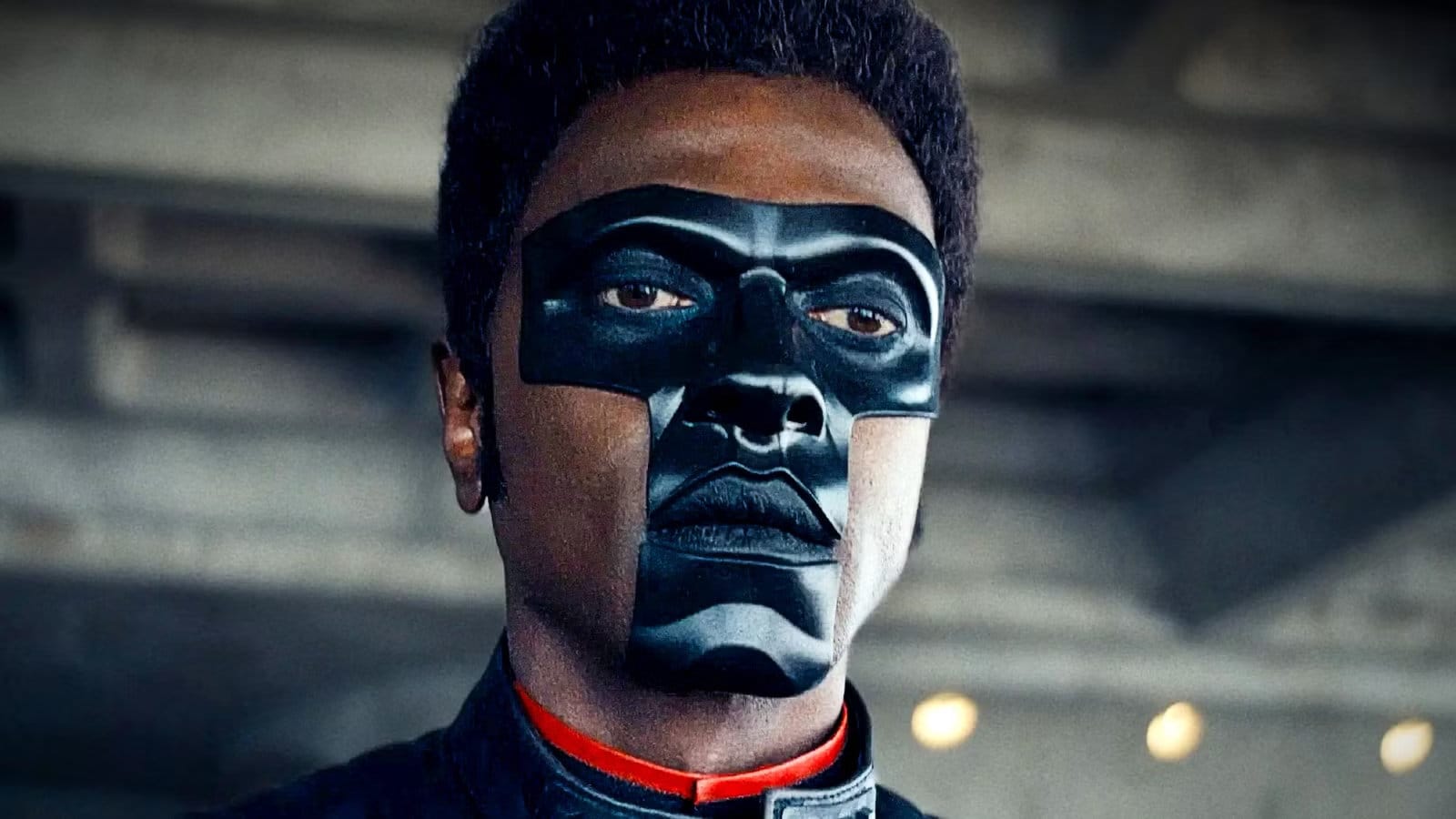
For Mr. Terrific's T-shaped mask, TPU was used to replicate the flexibility of the final silicone version. This enabled accurate fit testing against the actor's facial movement before committing to final materials.
Materials and engineering strategy
Material selection was central to performance. PLA served as the primary filament for rapid prototyping and many art components, offering strong rigidity and smooth surface finish at optimized layer heights. TPU (95A) enabled flexible applications such as conforming mask prototypes. PA-CF provided lightweight strength for structural brackets, jigs, and mechanical components - often replacing previously milled metal parts.
Legacy Effects conducted in-house testing to determine wall thickness, infill density, and environmental tolerance for various use cases, including foam curing and mold pressure resistance.
Hybrid manufacturing and mold integration
3D printing rarely functioned as a standalone solution. Printed components were frequently integrated with heated inserts, magnets, metal pins, and mechanical hardware. For large costume elements, FFF parts were assembled, then molded and cast in lightweight urethanes for stunt-safe performance.
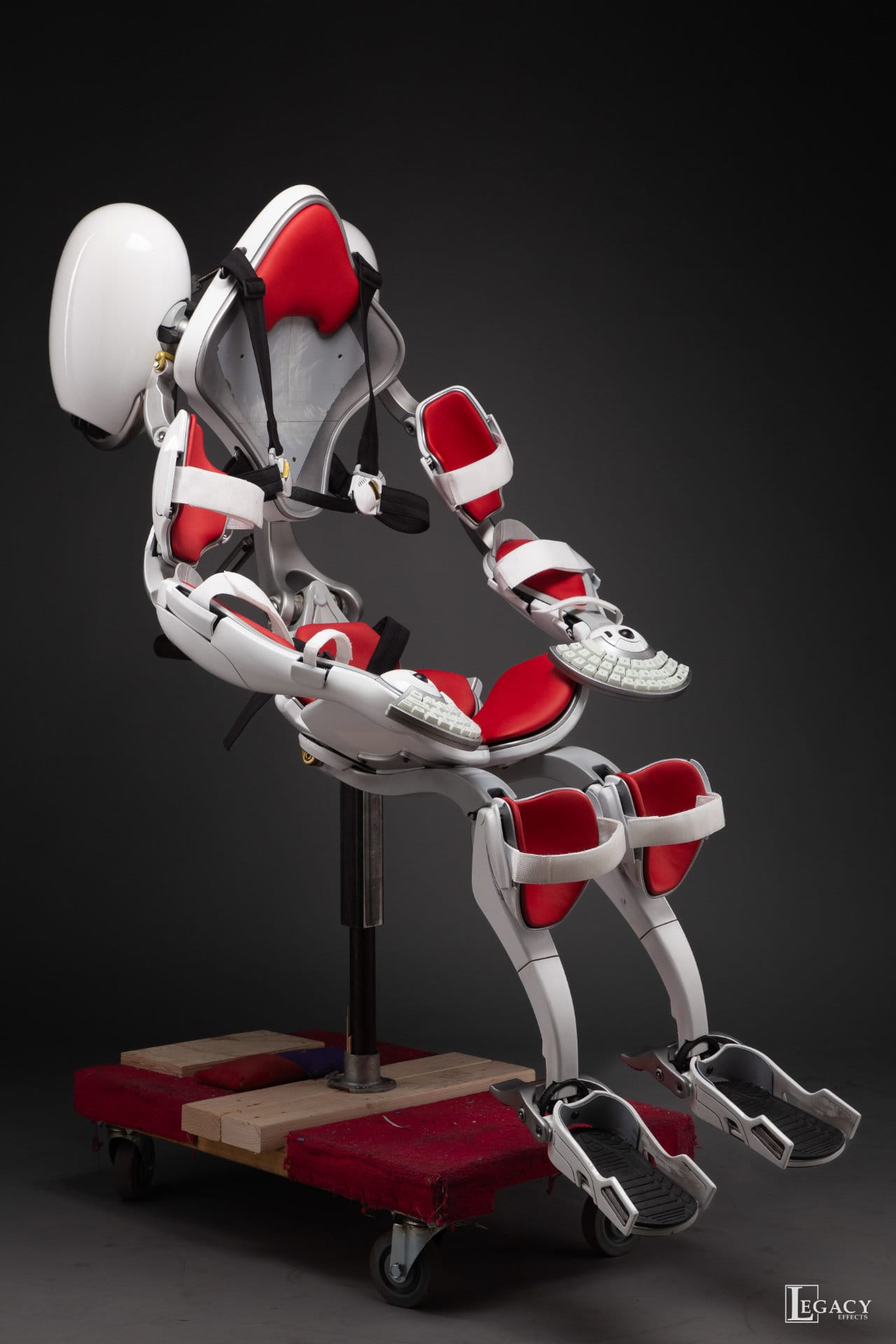
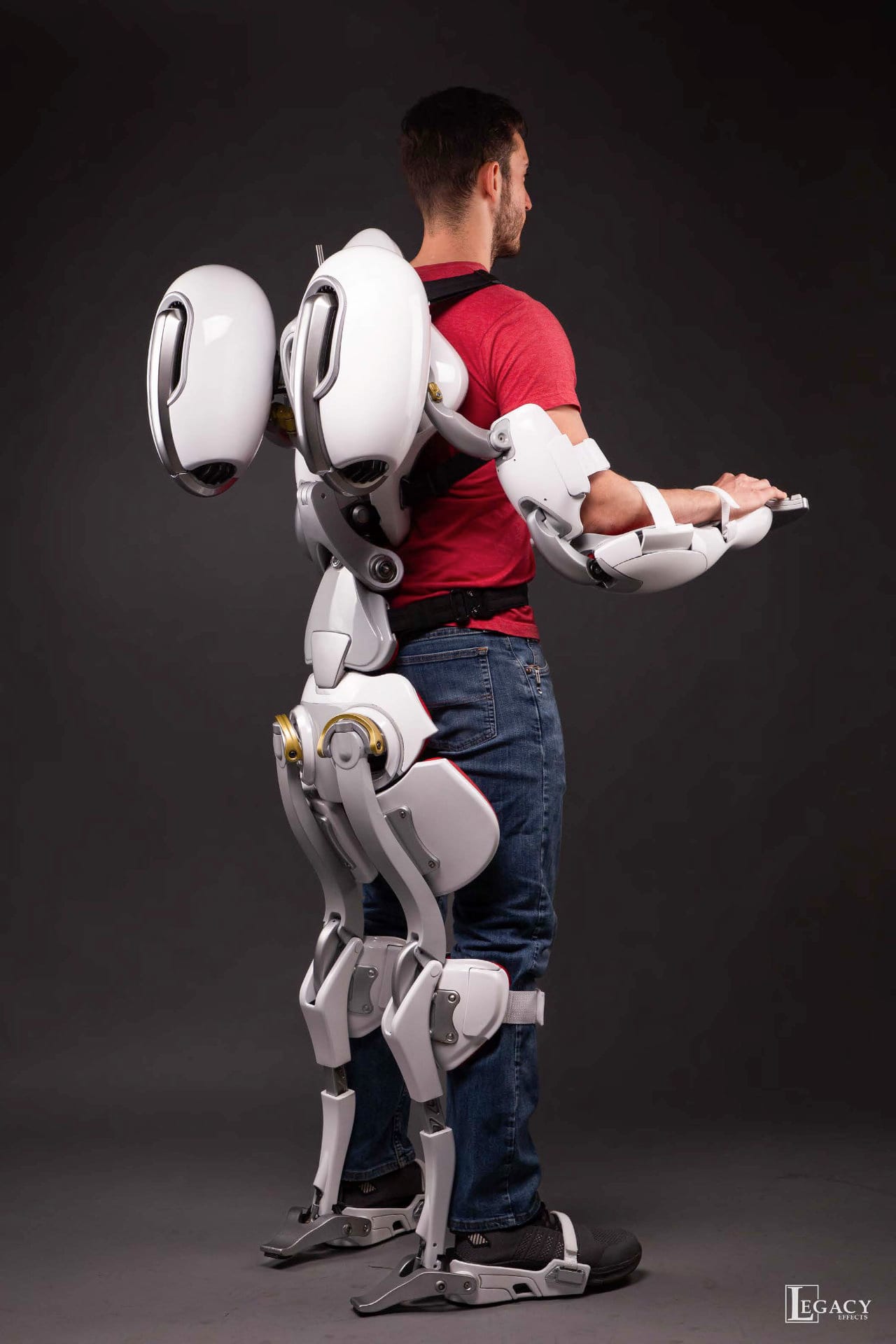
[1] Actual photo of Mr. Terrific’s Transforming Flying Chair; [2] The engineer is testing the mobility of Mr. Terrific’s Transforming Flying Chair
This mold-based replication strategy allowed the team to print large assemblies once and produce multiple castings efficiently. It also ensured that actors wore lighter, safer materials during demanding sequences.
Workflow integration and iteration speed
One of the most significant improvements was the direct bridge between digital design and physical fabrication. Digital sculpts or scanned clay models could be adjusted, rescaled, and printed without reinterpretation on the shop floor.
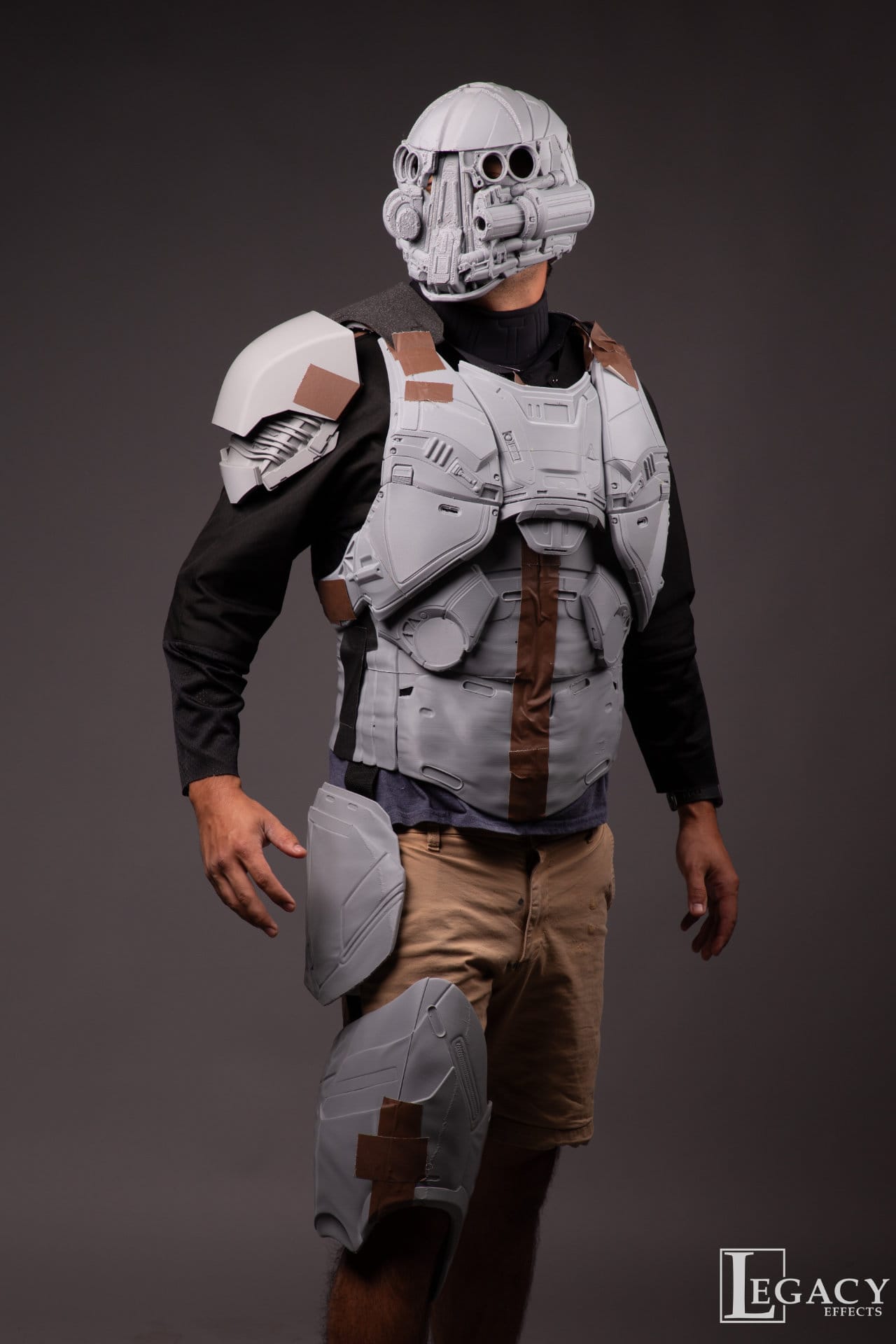
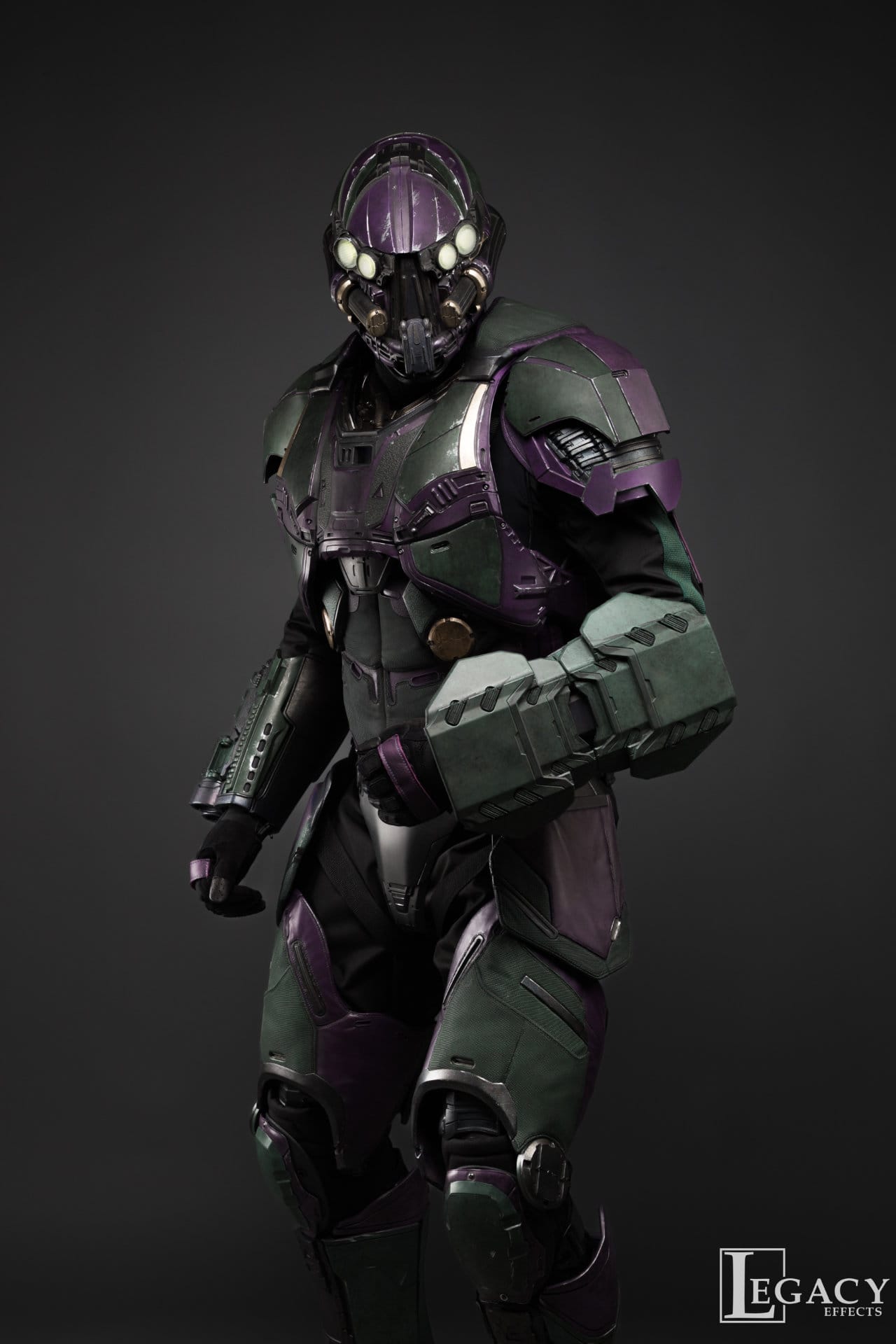
[1] LexCorp Raptors armor, in 3D‑printed condition, not yet surface finished; [2] Finished LexCorp Raptors armor
Engineering teams frequently completed multiple same-day iterations — sometimes five or six revisions of a single part. PLA versions could be tested during the day, with final PA-CF or MJF components printed overnight.
This compression of iteration cycles reduced bottlenecks across departments and allowed parallel development between art, engineering, and mold-making teams.
Performance on set
Printed parts performed reliably across applications ranging from animatronics to stunt suits. Molded and cast components derived from printed masters retained high levels of surface detail, including simulated fabric and metallic textures.
Durability met production demands, and actors responded positively to the improved fit of bespoke suits — particularly the re-scaled LexCorp Raptor suits, customized efficiently through digital resizing and reprinting.
The absence of on-set failures was considered a key indicator of success.
Lessons learned and technical refinement
Early challenges included warping on large flat surfaces when using the stock build plate. Transitioning to PEI and PEX surfaces resolved adhesion issues. For TPU, applying painter's tape prevented excessive bonding to the plate.
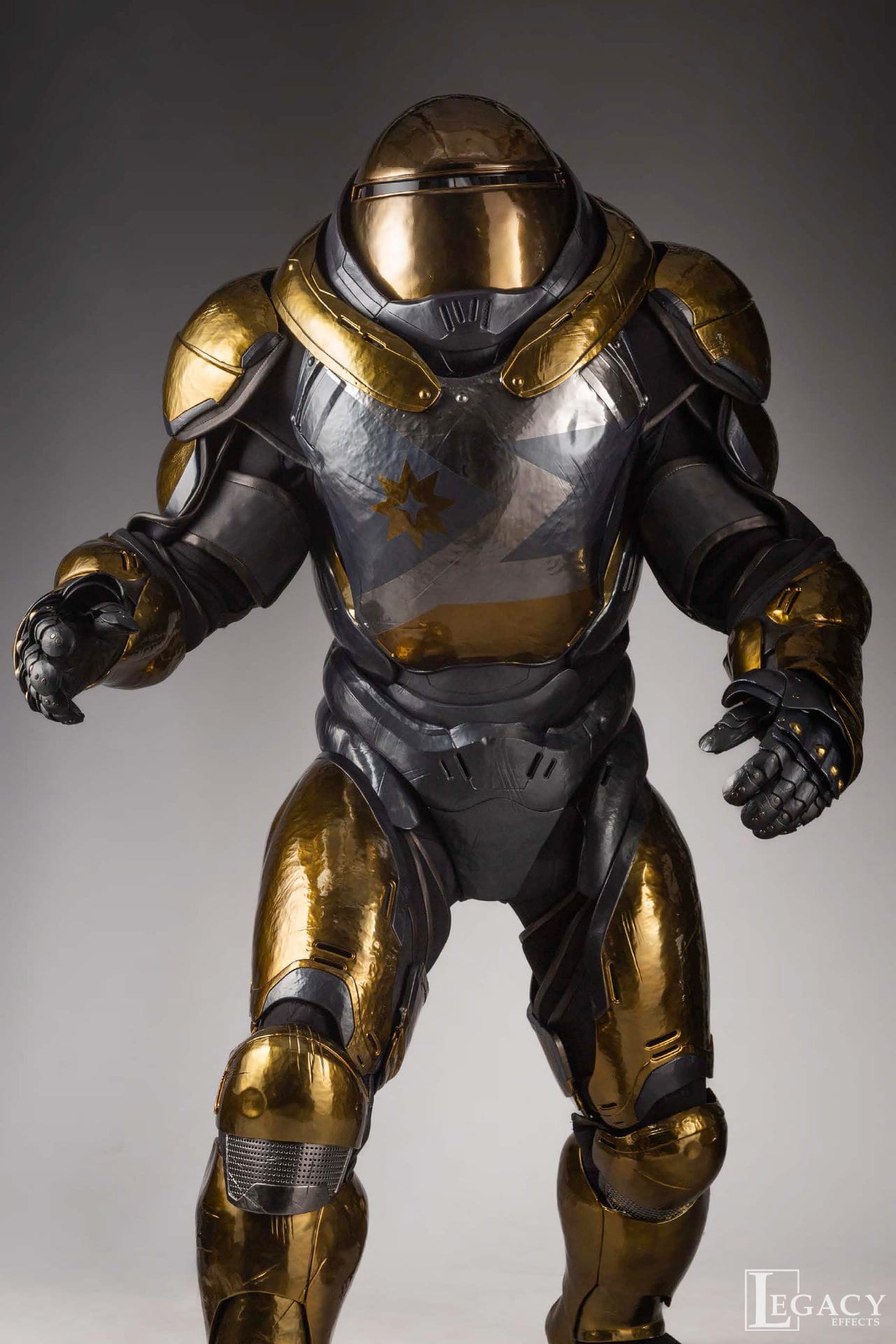
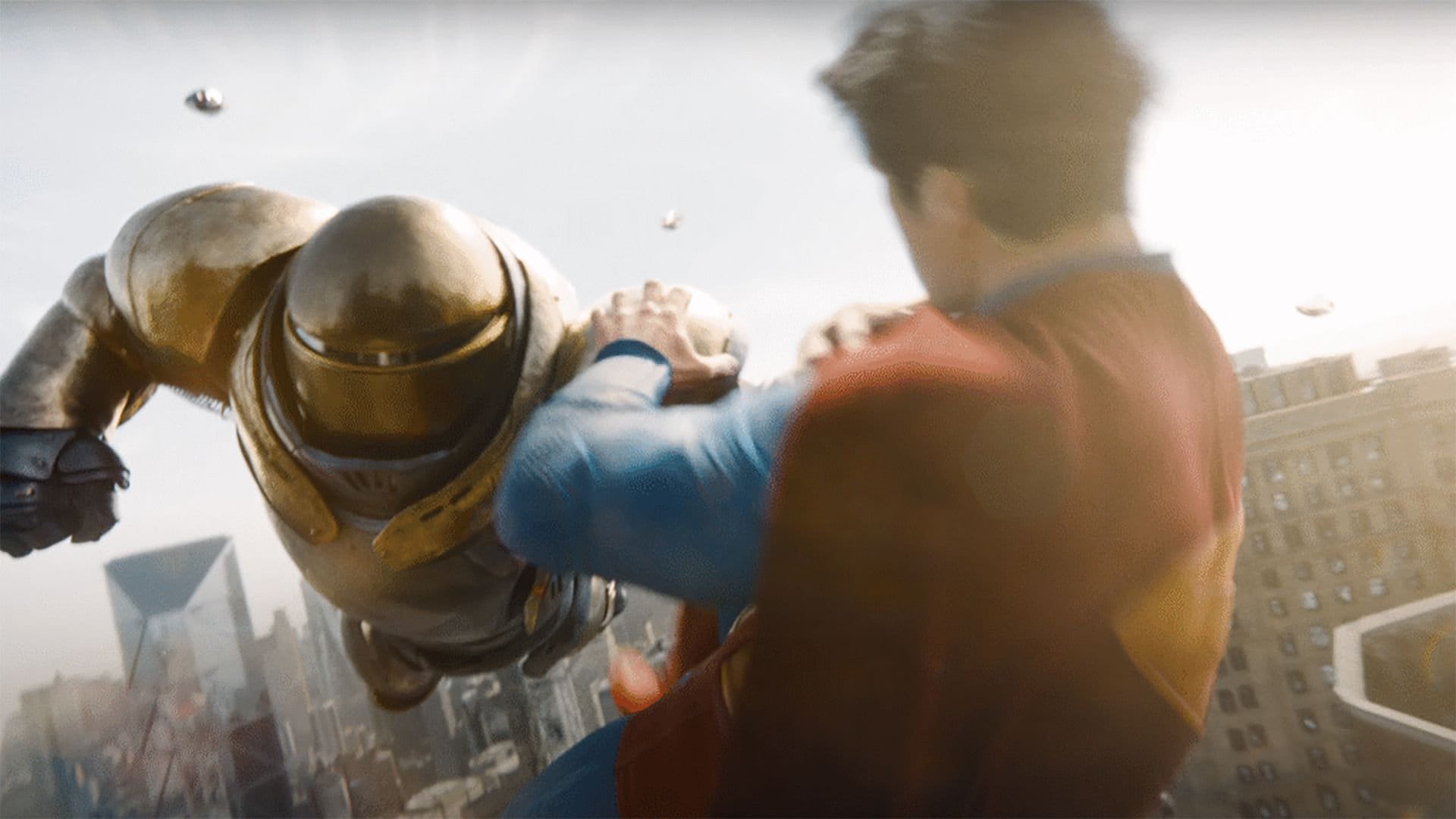
[1] Finished Hammer of Boravia Armor; [2] In the film, the Hammer of Boravia is fighting Superman
Additional experimentation included successfully running Markforged Onyx (PA-CF) filament on the X1C using a generic profile, achieving faster output than older proprietary systems. These findings contributed to a growing internal knowledge base for optimizing material performance under production conditions.
Strategic outlook
Looking forward, Legacy Effects anticipates continued expansion of 3D printing in film production, particularly as material strength, surface resolution, and durability improve.
Larger-format systems with the reliability and ecosystem integration of Bambu Lab printers are seen as a key future need — especially for oversized creatures and mechanical builds.
Automation and workflow integration are also areas of interest, with potential to reduce manual print turnover during extended production runs.
Conclusion
The integration of Bambu Lab 3D printing into Superman 2025 marked a significant evolution in Legacy Effects' fabrication strategy. By enabling rapid iteration, consolidating mechanical assemblies, and supporting both prototyping and final art production, the technology strengthened collaboration across departments and enhanced the physical authenticity of on-screen assets.
Though introduced mid-production, Bambu Lab's contribution was described internally as fully satisfactory - meeting both creative and technical expectations. As practical effects continue to adapt within modern filmmaking, 3D printing stands as a central tool in bridging digital precision with physical performance.