Design first, technology second: MaKim's path to becoming one of MakerWorld’s top creators
Matthew Kimbrough turned a hobbyist's curiosity into iconic 3D designs, finding unexpected joy in sharing creations that bring others happiness

In hobbyist 3D printing, you tend to encounter two types of people.
The first group has been around forever. They know what the MakerBot Cupcake was, remember Brook Drumm, and used to buy filament in loose coils, winding it onto spools by hand.
They sigh nostalgically about manually leveling the build plate with an Allen key while the printer was running. And laugh about the time a thermistor slipped out of the heater block and they ended up boiling PLA in a hotend heated to 380°C.
The second group arrived relatively recently and simply use 3D printers to make things. They listen to the old war stories of early 3D printing veterans with a polite smile, but to them these are mostly irrelevant curiosities.
For them, a 3D printer is a tool for work - a way to create projects that would have been unthinkable 10-15 years ago.
Matthew Kimbrough - better known on MakerWorld as MaKim - belongs to this second group.
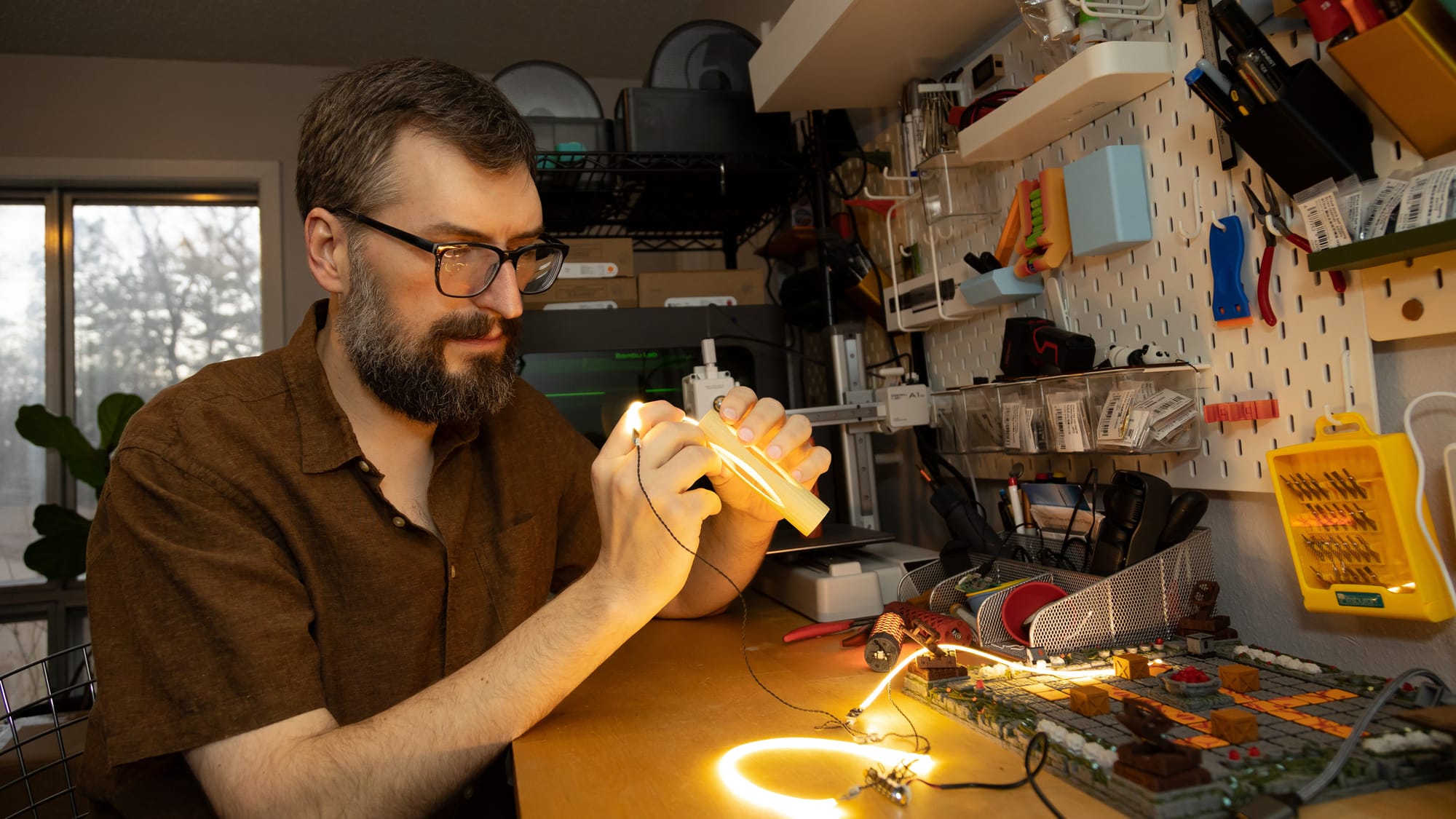
Although his journey with 3D printers began a few years ago, he only really committed to it in mid-2024. Evenings. Weekends. No plan, no strategy, no thought that anyone would ever see what he was designing.
Now - less than two years later - his models sit on the shelves of users around the world.
Parents print his Minecraft swords for their children at Christmas and describe them as one of the best gifts ever.
German designers print his „remake projects” and photograph them next to the original products they make.
Matthew is not a professional CAD designer nor 3D printer operator. He has another, real job. He has a family. He has a life outside of 3D printing.
And yet, almost accidentally, he has become one of the most interesting designers on MakerWorld, with a number of iconic designs to his name and a successful crowdfunding campaign.
All this achieved in about twenty months. Maybe less. Incredible? Just like his designs…
Before the first print
Before we even start talking about 3D printing, you need to know one thing about Matthew - he comes from a family that makes things. Not metaphorically. Literally.
His father was a woodshop teacher. He spent his life working with kids, teaching them how to build. Several generations back - the same story. Something in that family just wanted to hold things in their hands and transform them into something else.
Matthew didn’t go into wood, but into graphics.
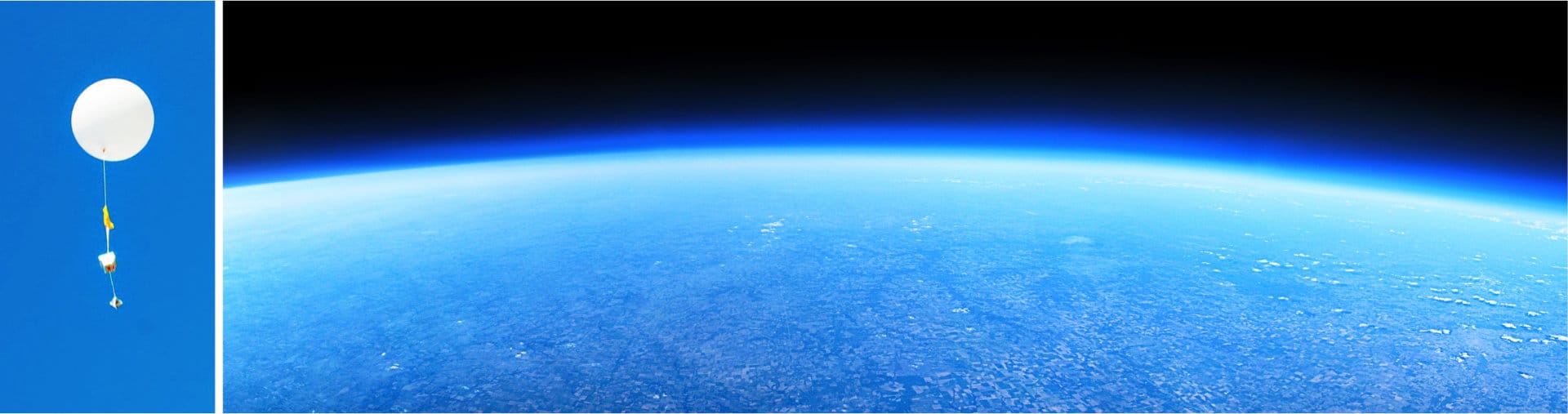
He started his career as a graphic designer but never stopped looking for new projects. Arduino. Weather balloons for high-altitude photography. Electronics. Small video games made solo - just for himself. Long lists of ideas in notebooks and files on his computer.
That last part matters. Matthew has always written them down:
I think we all have these really long lists of ideas - I know I do. I've got documents and notebooks filled with them. But 3D modeling has been a great way to translate some of those ideas into something people can actually print out themselves.
And that's been the most surprising part. When I started modeling things about a year and a half ago, I didn't do it with any intention of posting or sharing them. So being able to see people print something I've designed and maybe even give it as a gift - that's been an unexpected joy.
But before all that happened - there was the Ender 3.
One printer later...
The Ender 3 story is basically the story of anyone who started with 3D printing a few years ago.
In the late 2010s Matthew came across an article - someone was using medical imaging software to turn an MRI brain scan into a mesh. They wanted to print it at life size. The idea fascinated him. He bought an Ender 3. And never managed to do it successfully…
I didn't know anyone with a 3D printer at the time. I thought, wouldn't it be cool to print that life-size? But since I didn't know anyone who could print it for me, and online printing services were pretty expensive - especially for something that large - I ended up buying my own printer. Ironically, I was never able to successfully print it.
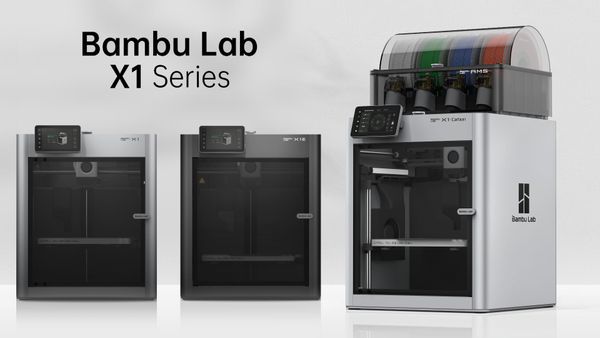
Eventually he abandoned 3D printing for a few years, only to return to it in 2024. Again, very typically - this time starting with a Bambu Lab A1 Mini.
But the experience was completely different. These were different times - a different generation of 3D printers.
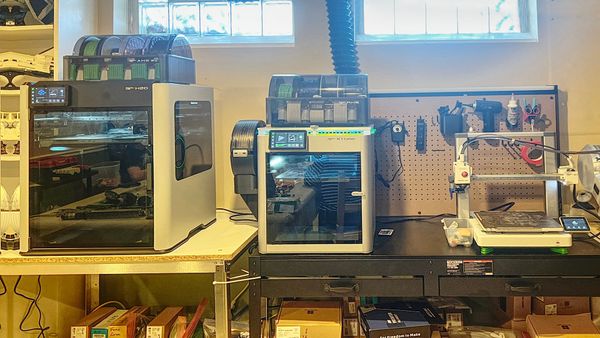
Now he has three machines. An A1 Mini with so many hours on it he’s stopped counting. An H2D as his main tool - with a laser and plotter that he uses far more than he ever expected. And a P1S that has slipped slightly into the background since the H2D took over its role.
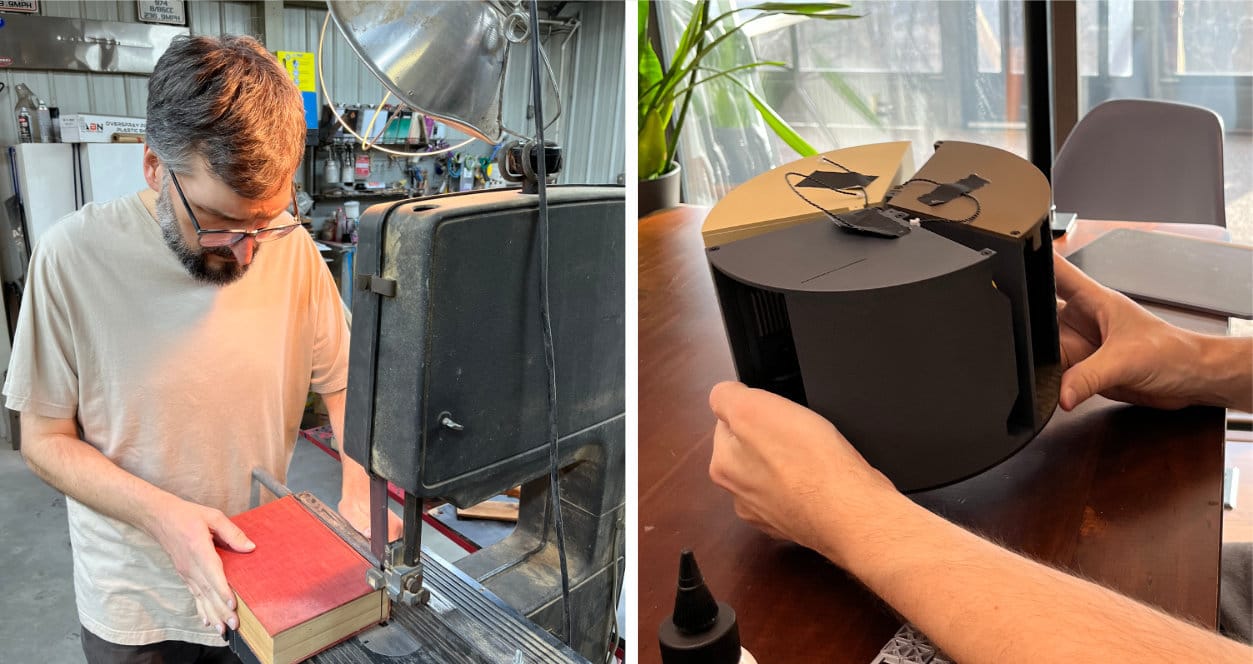
By the way: everyone talks about the laser. Almost nobody talks about the plotter. Matthew thinks that’s unfair.
Surprisingly - and I don't see as much chatter about this online - one of the things I'm most excited about is the plotter. I really enjoy working with pen plotting and have been experimenting with it a lot. The laser has been a lot of fun too, and I've also been using the drawing and drag knife modules quite a bit.
Why even share?
So in 2024 Matthew returned to the old MRI project. And along the way he came up with several other ideas. And started modeling them. And for some reason - without planning it beforehand - he published them on MakerWorld.
I consider myself a hobbyist. I do this because I want to learn something new and because it's fun - it's a good creative outlet. The way I see it, these are things I'd want to make anyway. I create things because I enjoy the process, but it's an added bonus when others get something out of them too. So I think that's part of why I share things openly.
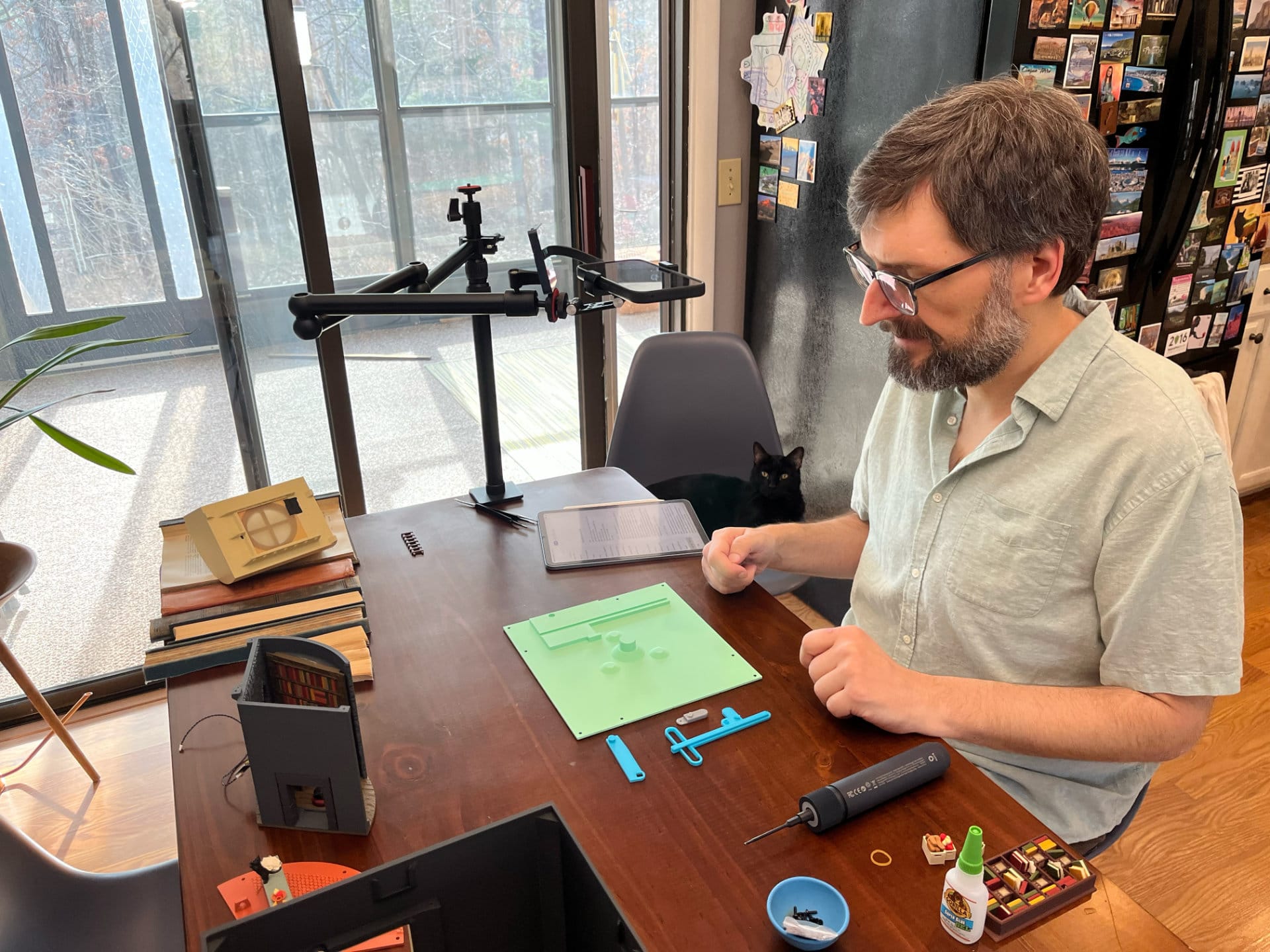
Another factor, though, is that Maker World has made sharing incredibly easy from a user experience standpoint. But it's also created tangible benefits - I can post something, and through people interacting with it, I'm able to use the reward system to get filament or components.
That sentence deserves a pause.
A man who designs for himself. Publishes with zero expectations. And then discovers that somewhere in the world someone is printing his design for their child for Christmas.
Is that enough motivation? For Matthew - yes.
A designer, not artist
I asked whether he considers himself an artist.
The answer was precise and thoughtful.
I consider myself a designer. I see them as two separate, though overlapping camps. Design focuses on the experience someone has receiving the outcome. Art focuses on internal expression. They borrow many of the same tools - but the starting point is different.
A designer thinks about the audience. An artist thinks about themselves. Matthew thinks about the audience - about how someone will download the file, print it, and what they will feel holding it in their hands. Whether they’ll know how to assemble it. Whether they’ll feel proud of it.
He’s definitely not a traditional artist. “I could show you my sketchbook - the sketches are terrible.” But - he adds immediately - functional.
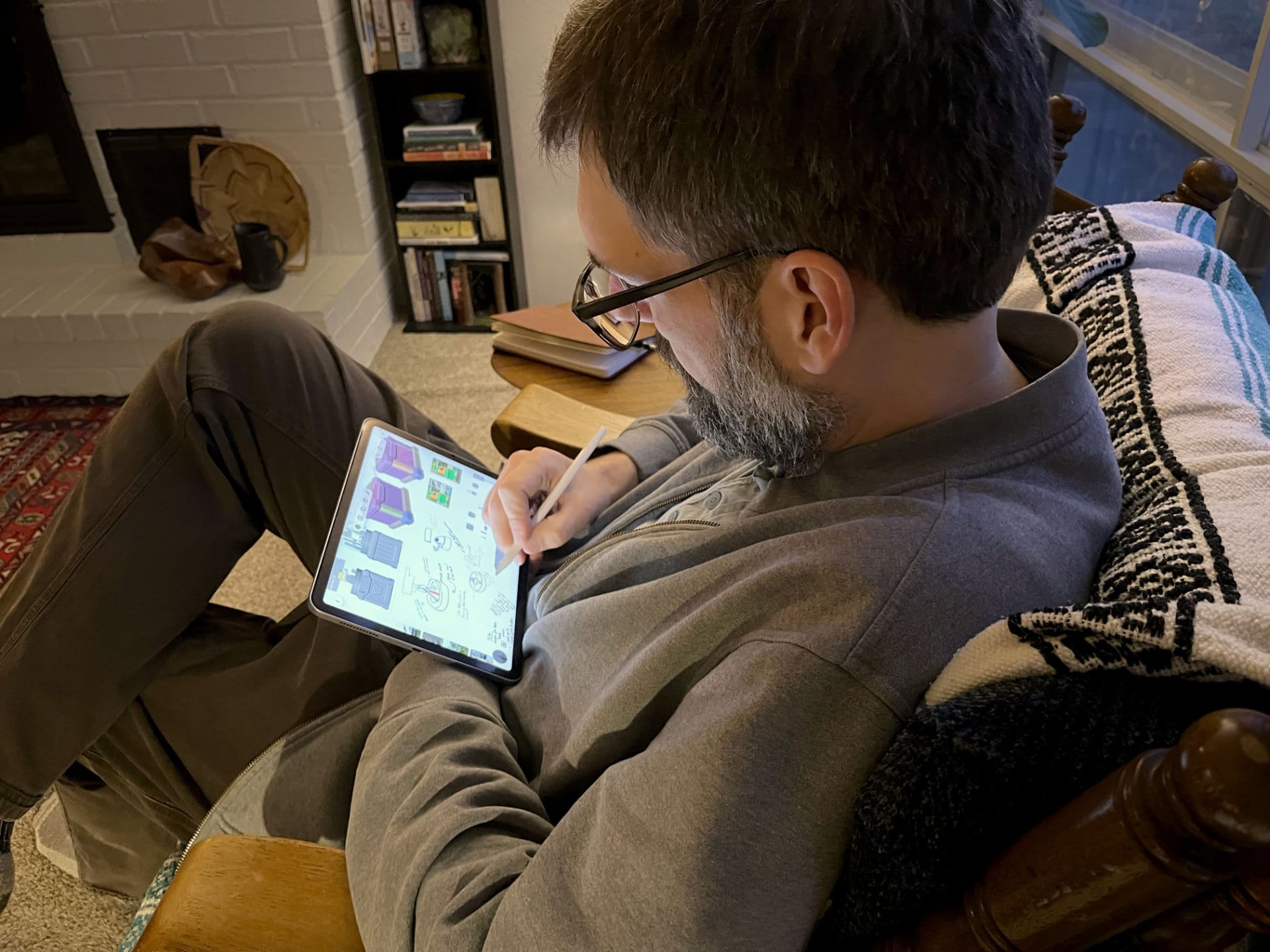
That distinction says a lot about how Matthew approaches the whole process. It’s not about expression. It’s about solving something. About making sure the result works, looks right, and makes sense to someone else.
Matthew’s creative process starts with one principle he carried over from graphic design school: generate as many ideas as possible.
We called it the thumbnail process. You take a big sheet of paper and draw a grid. If you're designing a book cover, you do it in as many ways as you can think of. And you usually force yourself to come up with more than you want. Tell yourself: I’ll come up with 30 ideas.
Why thirty? Because the first idea on the list is always the same one everyone else has.
Usually the first idea I write down is the idea everyone else has too. The first thing that comes to all of our minds.
So Matthew is “almost brutal” with his ideas - he generates a lot and throws most of them away. He sets the list aside for a day, two, sometimes a week. Then comes back with distance and looks for the one that still sticks in his head.
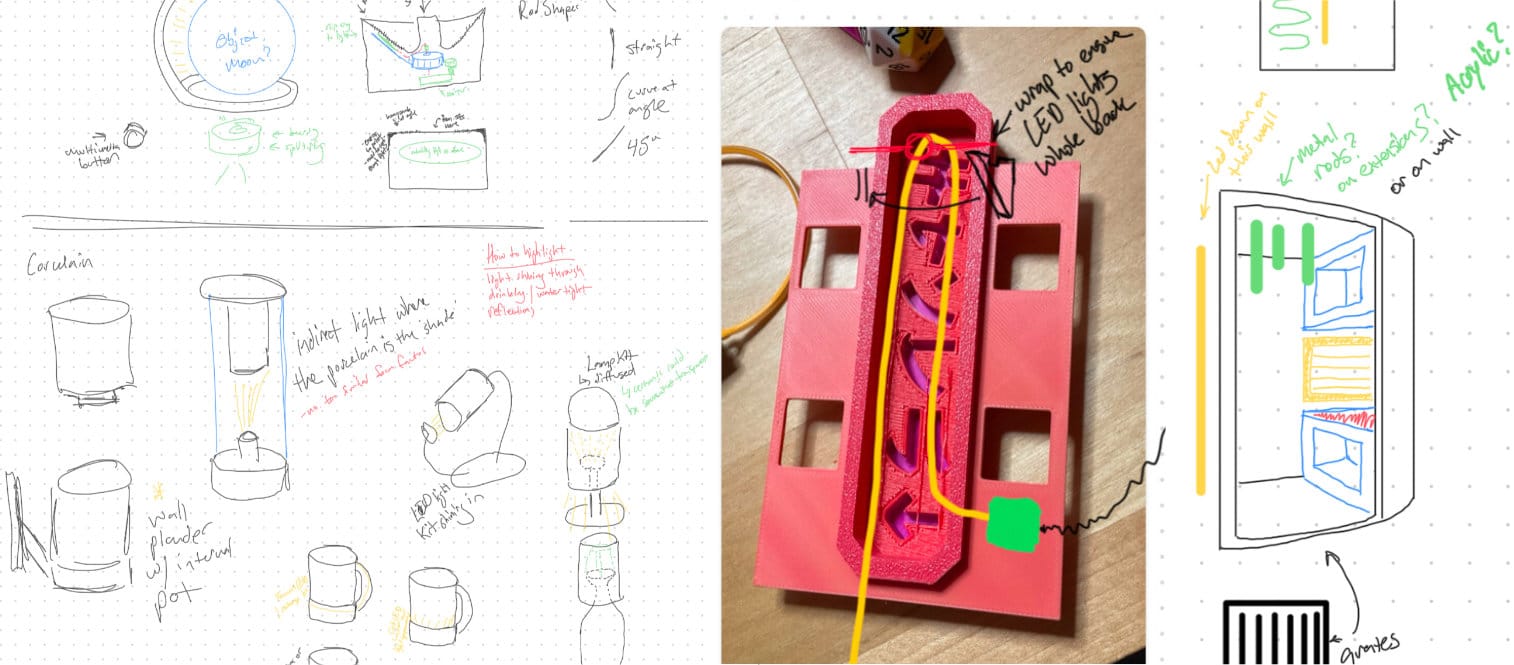
Then he asks himself three questions: What do I already know? What do I have? What can I learn?
- “What I know” means building on a previous project. He made bricks, so the next project became brick panels in Blender. Then displacement maps. Then the same motif wrapped around a cylinder. Step by step.
- “What I have” means starting from a component. You have a slip ring - you ask: what can I build around it? How can I misuse it?
- “What can I learn” means one new skill per project. For his latest book nook, it was cloth simulations in Blender.
And one more tool: inversion. His all-time best model - a marble run - came from asking, “what if the track moves instead of the marble?” One step sideways from the obvious.

I wasn't a big modeler. I don't know CAD. I'm very slow at actually building models. But I like focusing on that first part - the brainstorming.
And that’s where the magic happens. One step sideways from the obvious. And suddenly - a hit.
It wasn't some grand idea. It was just one of the things I wrote in my sketchbook when I was trying to list as many things as possible.
Something you can't buy
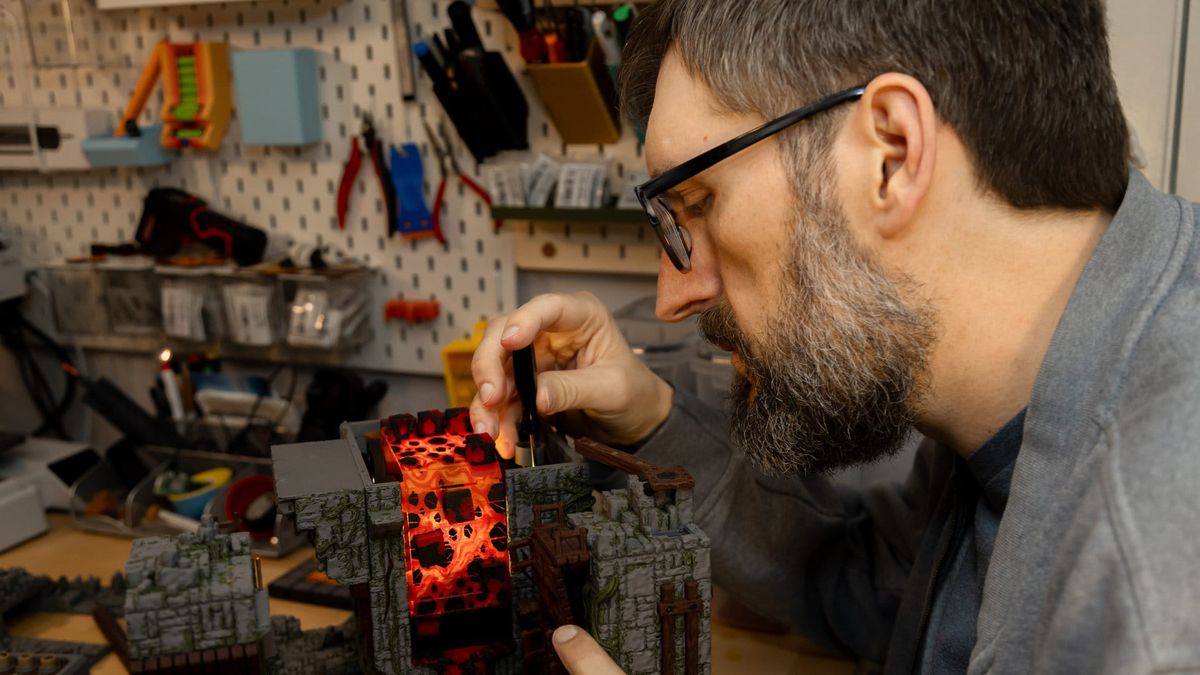
Relic Rush is his biggest project. Ten months of work. A crazy board game with moving parts - the kind of game that, in Matthew’s view, simply doesn’t exist on the market because no sane manufacturer would produce it using traditional methods.

And it turned into a successful crowdfunding project on MakerWorld worth over $13k.
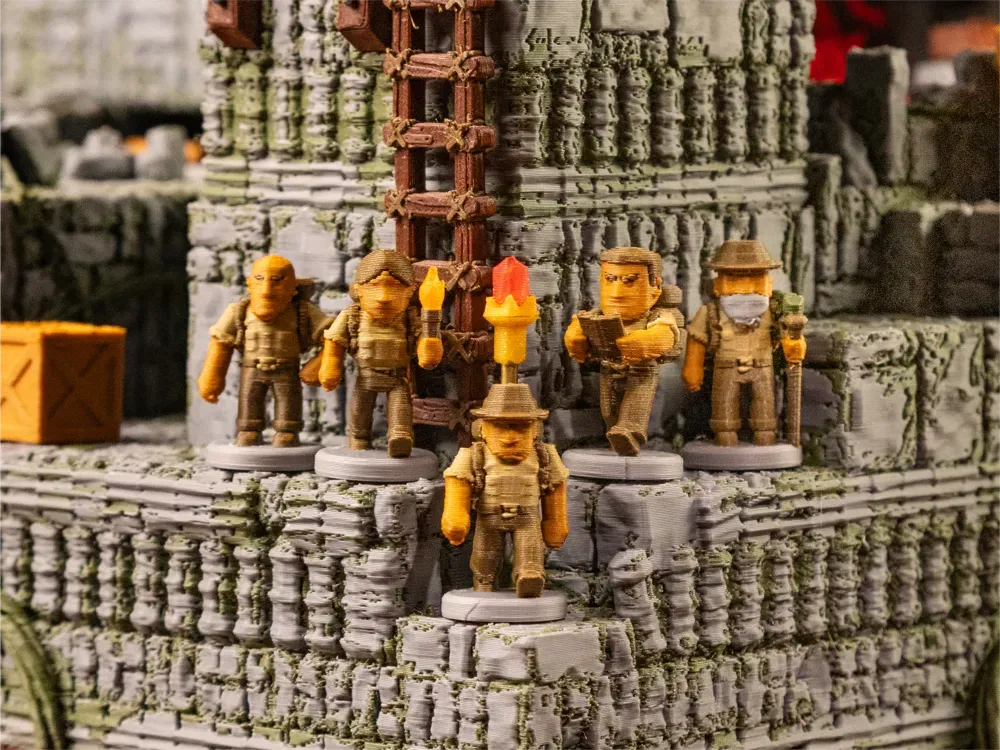
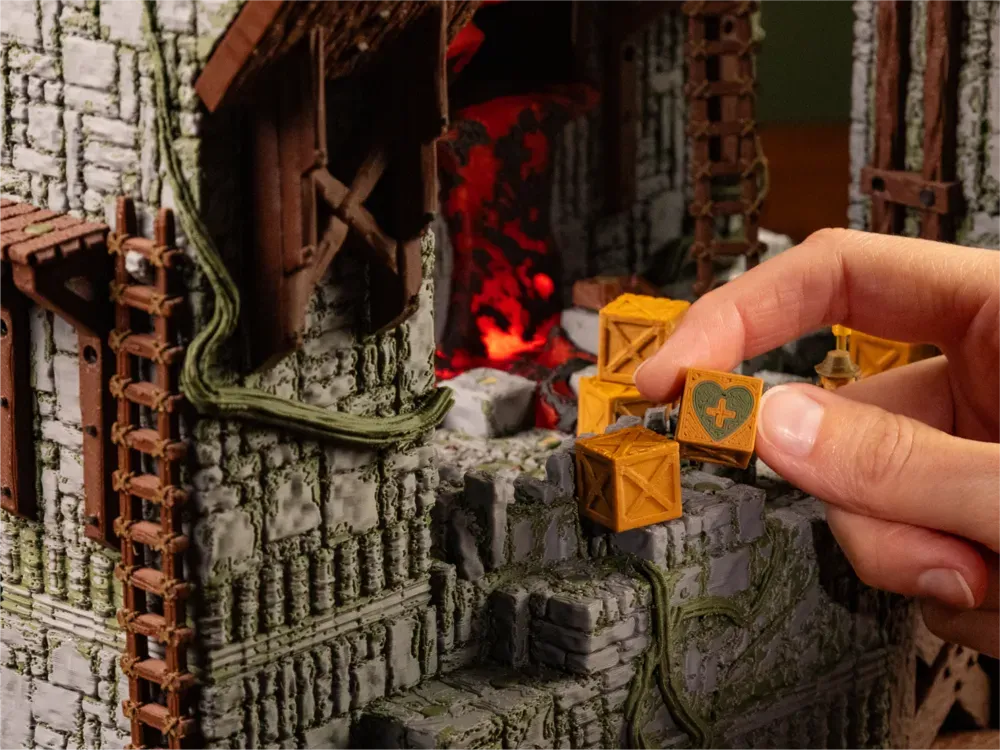
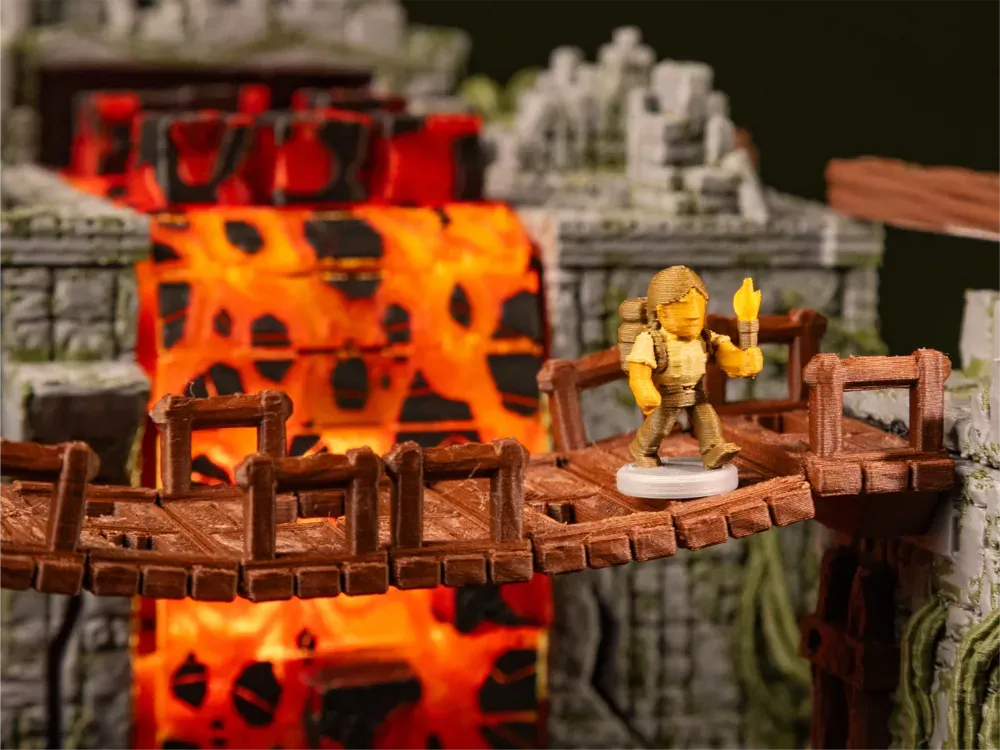
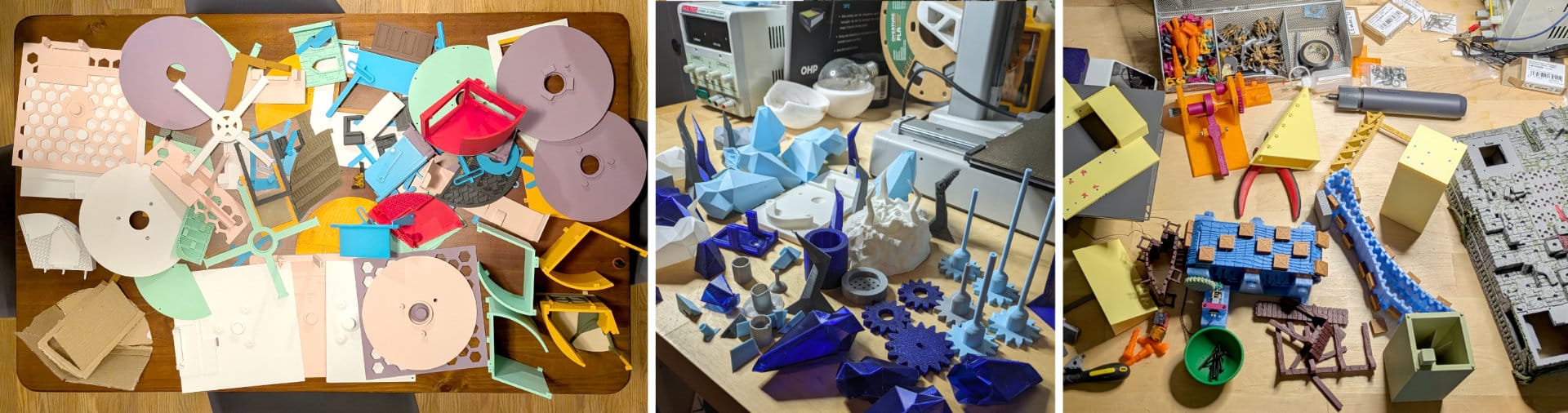
When creating it, his house was buried in prototypes. His wife felt like they were drowning in it.
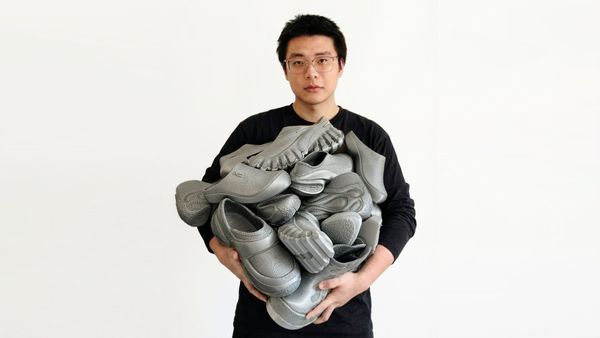
I print a lot of prototypes and test parts as I go, just to see how everything fits together. And the volume of prototype parts from that process? I'm still recovering from it. Still trying to clean up. They're everywhere. That's what my wife said too - she feels like, and I agree, it's all over the house. We're drowning in parts from this project.
But that wasn’t the hardest part.
I'm proud of that one, because I set what was for me a really difficult challenge. It was the first time I ever asked people to pay for something I made, and I was really self-conscious about it. I didn't want to take someone's money - even if it was just twelve dollars - and have them feel like they didn't get something of value in return. I hate that.
That sensitivity to the other side of a transaction is characteristic of Matthew. He doesn’t make things for the algorithm. He makes them because he would want them himself. And if he charges money - they must be worth every cent.
But his favorite model isn’t Relic Rush. Nor is Snap Lamp, where he collected over $17k in another succesful crowdfunding campaign.
The model I’m most proud of is probably the water gun I made. Just because it's so ridiculous and it's something I would have loved as a kid. As far as I know, it's not something you can find anywhere on the market. So I think it's a fun example of what 3D printing makes possible: you can create something really cool that you simply can't go to the store and buy.
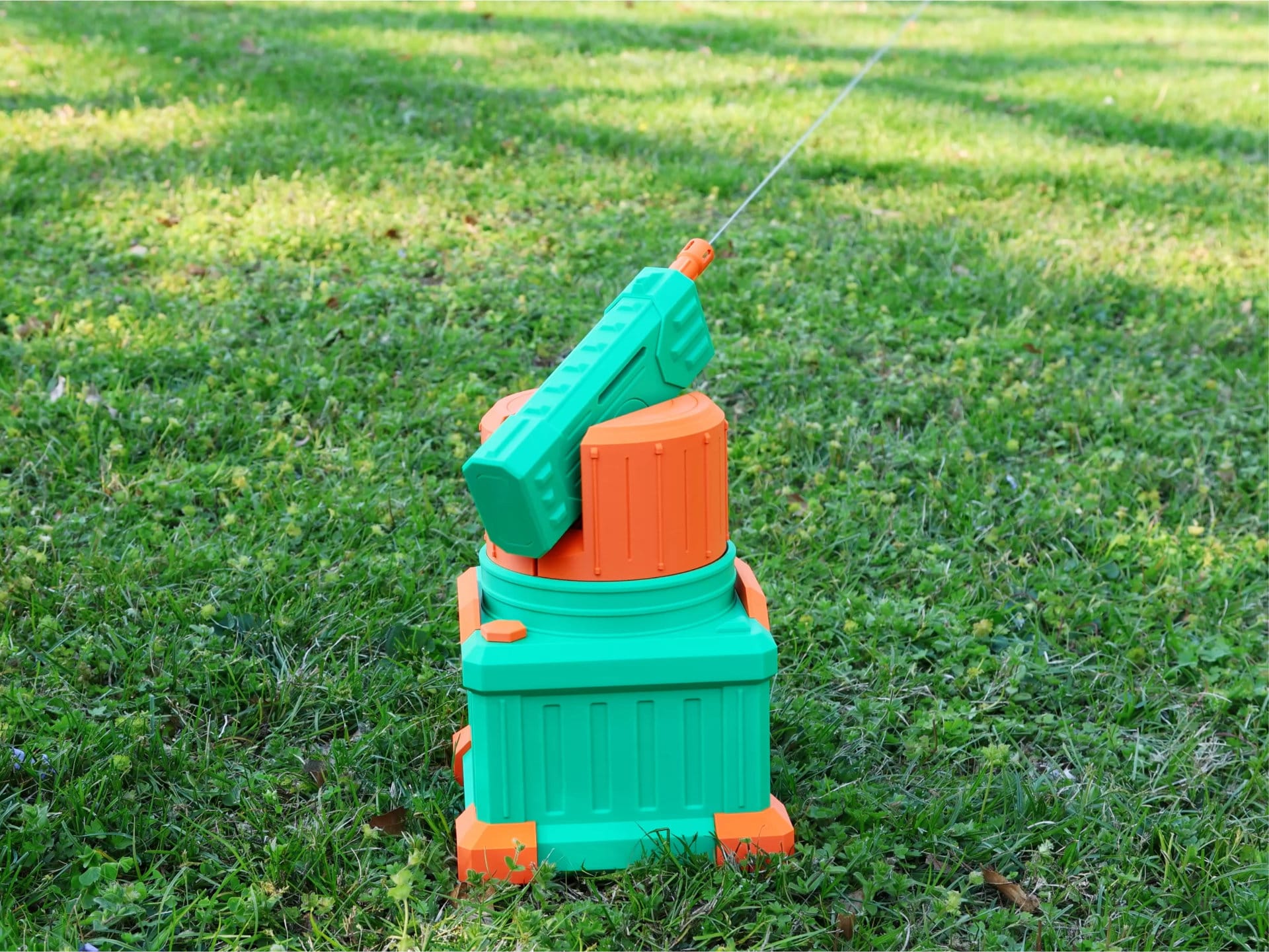
I'm proud of that one from a brainstorming and playfulness perspective - it's silly, it's something I've had fun playing with, and yeah, I'm proud of how it turned out.
Simple. Silly. Non-commercial in every sense. Perfect.
Pressure as a tool
Does Matthew think about trends? About what’s currently getting downloads?
Short answer: no.
The long answer is more interesting.
I’m not really motivated by the volume of things I publish. I try to do something new each time. There were comments from people who seemed to expect I’d continue the marble run series - make more and more of them. But I get most excited when it’s something different.
He’s published things that nobody reacted to. Literally nobody. Zero response. “But it was still fun to design.”
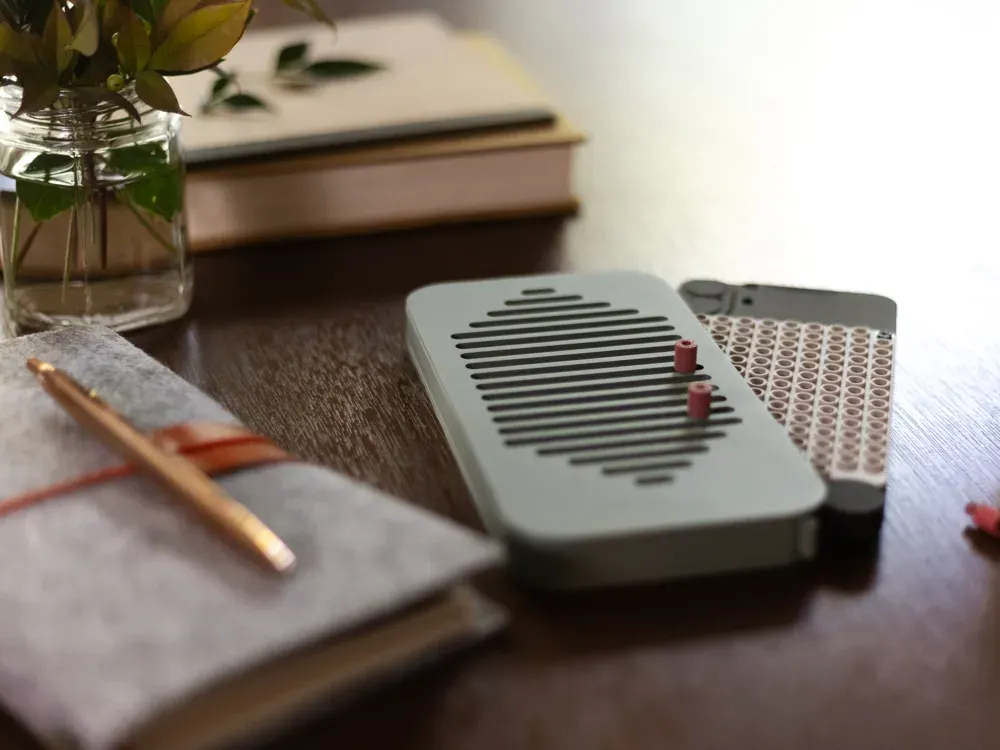
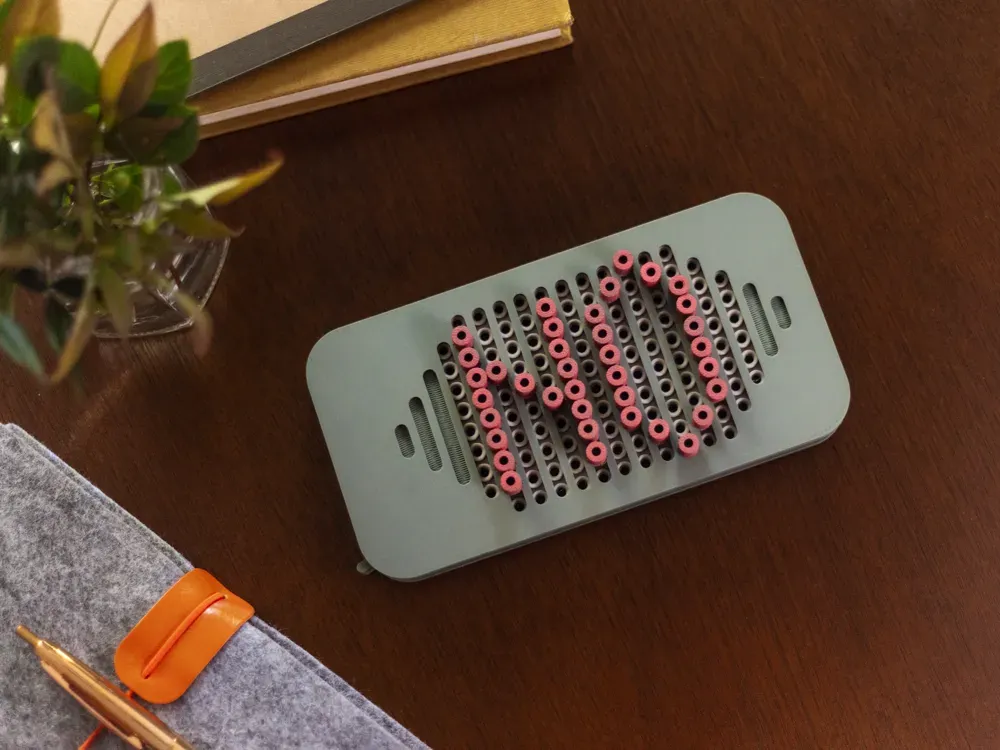
MakerWorld gives him something else too: contests competitions. And here Matthew does something most people don’t - he actively looks for constraints.
One of the problems with design or 3D printing is that you can make absolutely anything. So how do you choose what to make? A contest gives one constraint: the theme. But the second constraint is the most important to me - the deadline.
Without a deadline, Matthew will tweak a project forever. Tiny adjustments. Small changes. On repeat.
With a deadline I feel like I’m on a sinking ship throwing things overboard to stay afloat a little longer. I have all these ideas and think - okay, that won’t make it. How can I do this faster? How can I do something else that’s just as cool?
Pressure as a creative tool. Classic.
But that's not the only reason Matthew feels at home on MakerWorld. As a matter of fact, there is "a little" more of it...
The incentives provided by MakerWorld and Maker's Supply have had a truly positive impact - both financially and creatively. Because I like to work 'backwards' from components when designing, I've enjoyed spending my MakerWorld points to build up a library of hardware parts to incorporate into my prints. Additionally, the fact that I can exchange my MakerWorld points for spools of filament has encouraged me to try designing bigger, more colorful prints - one of my recent models used 23 colors!
Also, because Maker's Supply electronics don't require soldering, they help many users feel comfortable tackling electronics projects for the first time. I hope this serves as a gateway for those users to learn something new and expand their horizons for making things. As a designer, I can feel confident that users will have a consistent experience without having to source components from multiple places.
The platform doesn't just host his work - it actively shapes what he makes next. That's a rare thing to be able to say about any tool.
No plan, just joy
There’s one more story I have to tell.
One of Matthew’s first projects - before he even knew MakerWorld existed - was a Minecraft sword with LED lighting. He made it for his nephews. A gift. Then he published it.
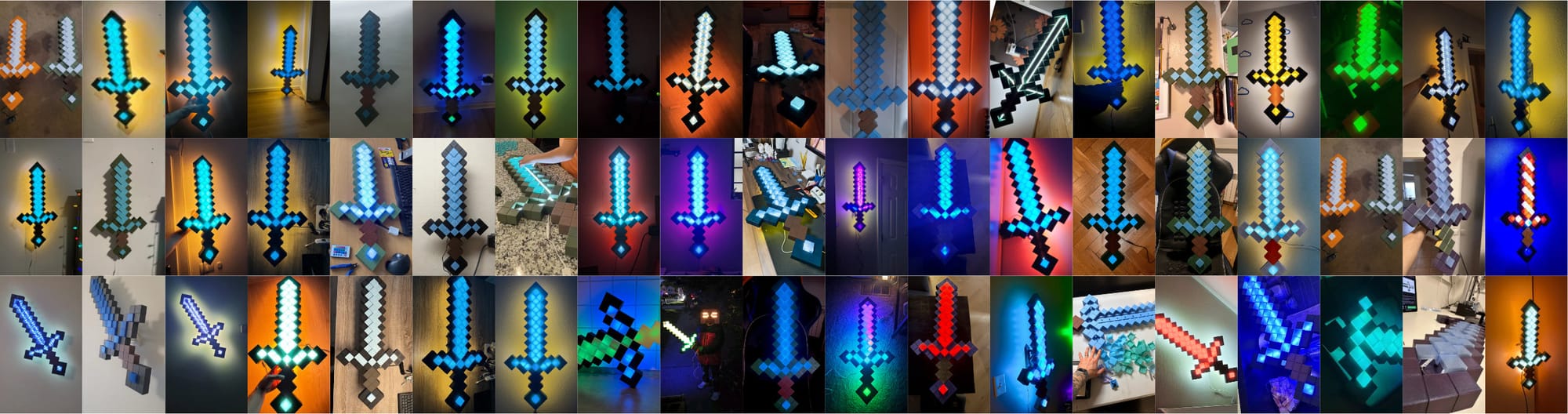
And now, every year in December, he sees photos in the comments. Parents printing it for their kids. Kids holding the sword. Joy on both sides.
I don’t want to be sentimental, but it’s just really cool to watch. It’s nice to see people excited.
And the second project?
He designed a headphone charger inspired by classic industrial design - Braun aesthetics. He published it. And one day he received a photo: someone at a Braun office in Germany had printed it and photographed it next to the original product that inspired it. In the office of the very company whose products inspired the design.
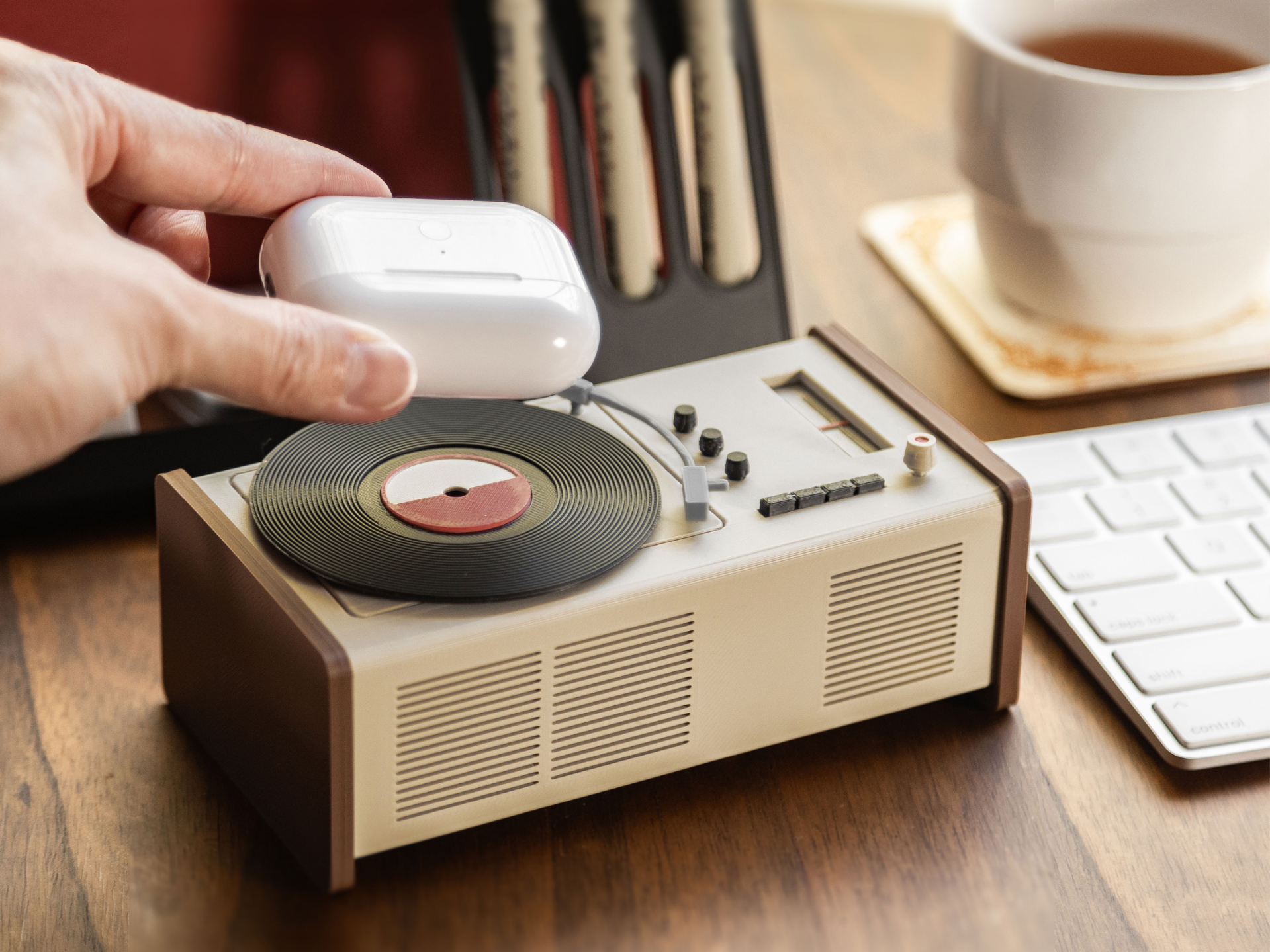
Everything I do is take inspiration from something really cool and make my own little thing inspired by it. But that was… really cool to see.
At the end I asked about plans.
Matthew is cautious. All of this surprised him. He had no plan. Still doesn’t. And there’s something about that which protects it.
I’m cautious because this is a hobby for me and I enjoy it so much. I never expected to find something new in my forties that brings me this much joy. I’m not really motivated by volume.
Would he like to do it full time? Yes. He says it directly.
"That would be the dream.” But his current job is good, the people there are great, and he doesn’t want to change anything.
So things stay as they are. Evenings. Weekends. Lists of ideas in notebooks. And projects that make your jaw drop.
What is this all about...
For years, 3D printing belonged to people who prided themselves on being able to dial in the perfect first layer. On RepRap forums, Facebook, and Reddit there were groups called “first layer porn,” where users posted photos or videos of perfectly laid lines - one after another.
Then Bambu Lab arrived, and that stopped making sense… the first layer was always perfect anyway.
And with Bambu Lab came a new generation of users - people who „just” design and print things.
Matthew Kimbrough is one of them.
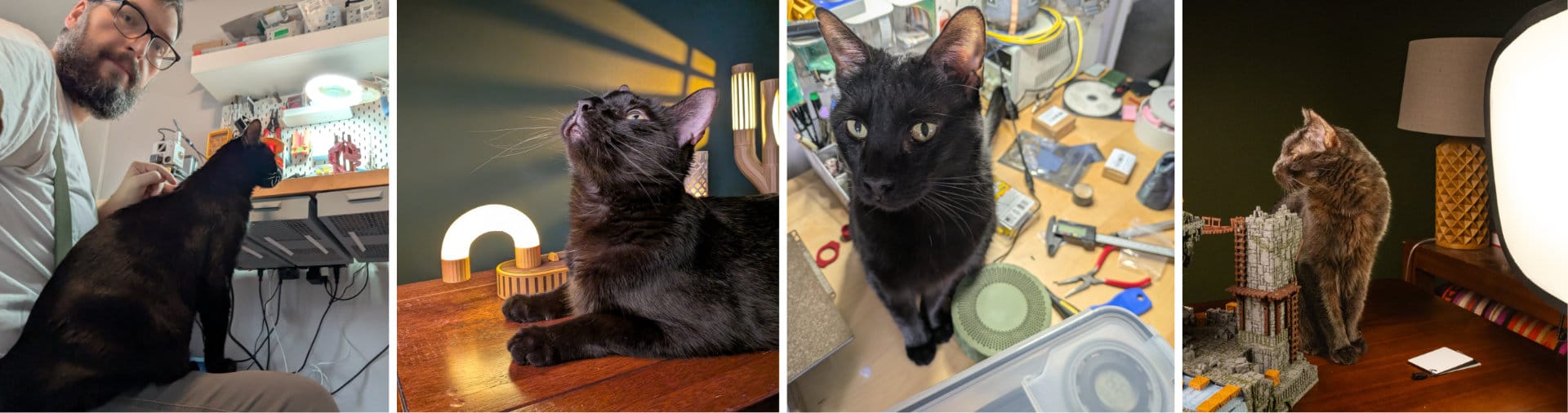
He came from the outside "3D printing nerd community”. With a designer’s mindset, a graphic artist’s methodology, and the attitude of someone who wants to make something cool - not someone who wants to master the technology for its own sake.
And he made things the old guard didn’t...
Maybe this is the new wave. Not hackers. Not technicians.
But people with ideas, lists in notebooks, and a printer that simply works.
All photos courtesy of Matthew Kimbrough. All right reserved.