First Time Together: MakerWorld Makers from Across the U.S. Meet in San Jose
MakerWorld presented its first ever Creator Awards to reward the best American Makers on the platform

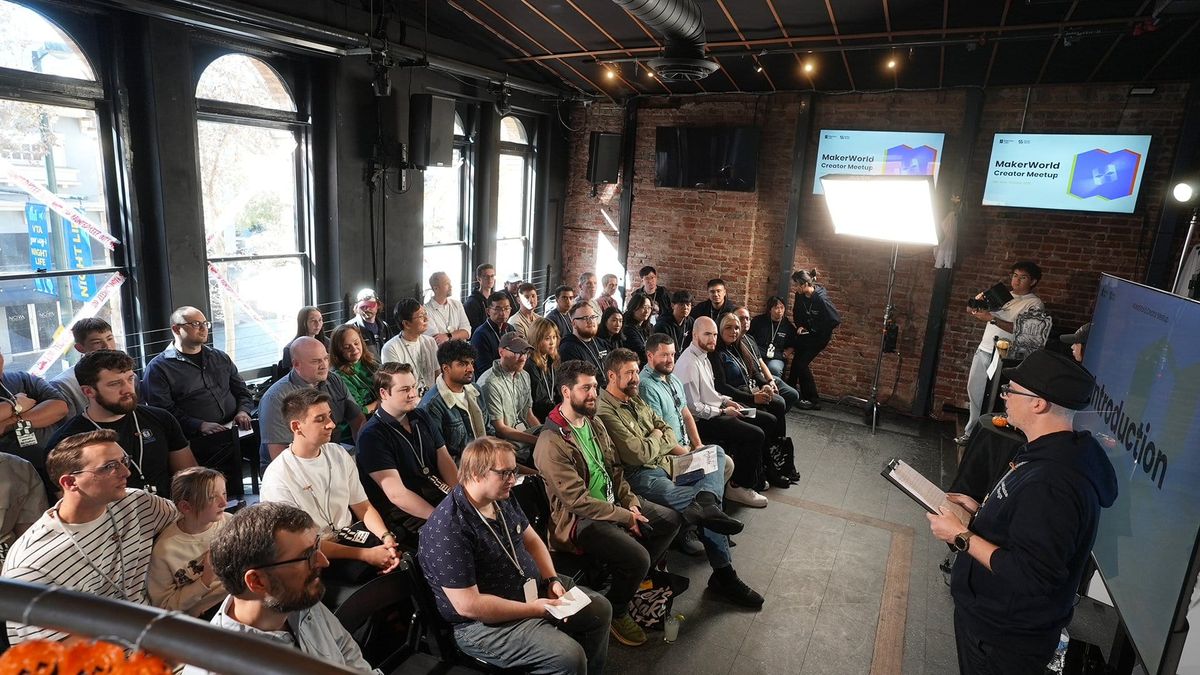
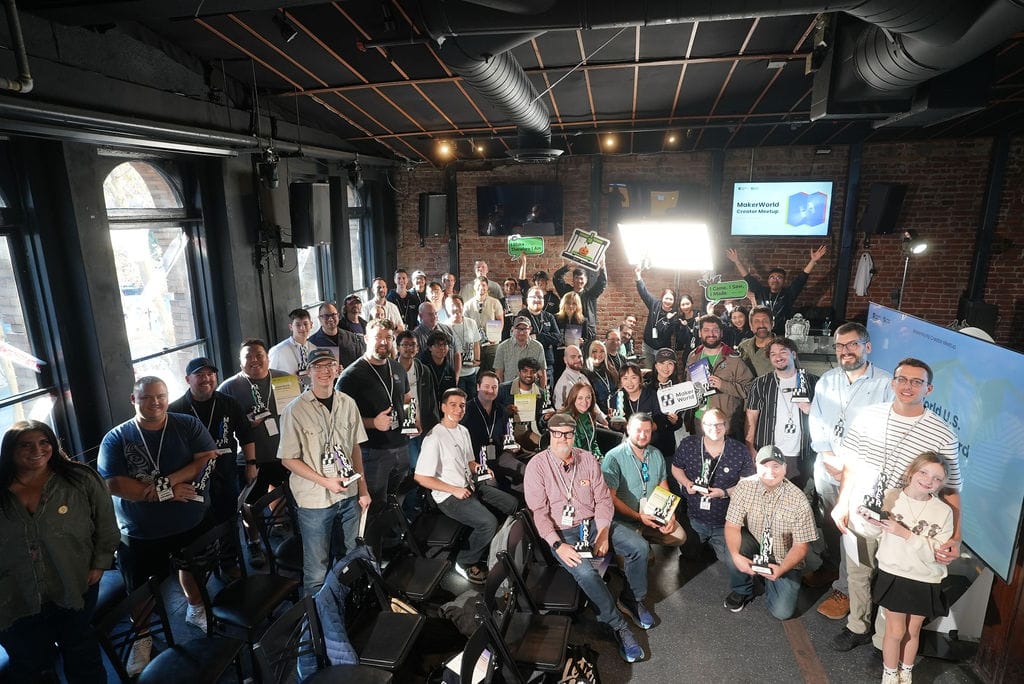
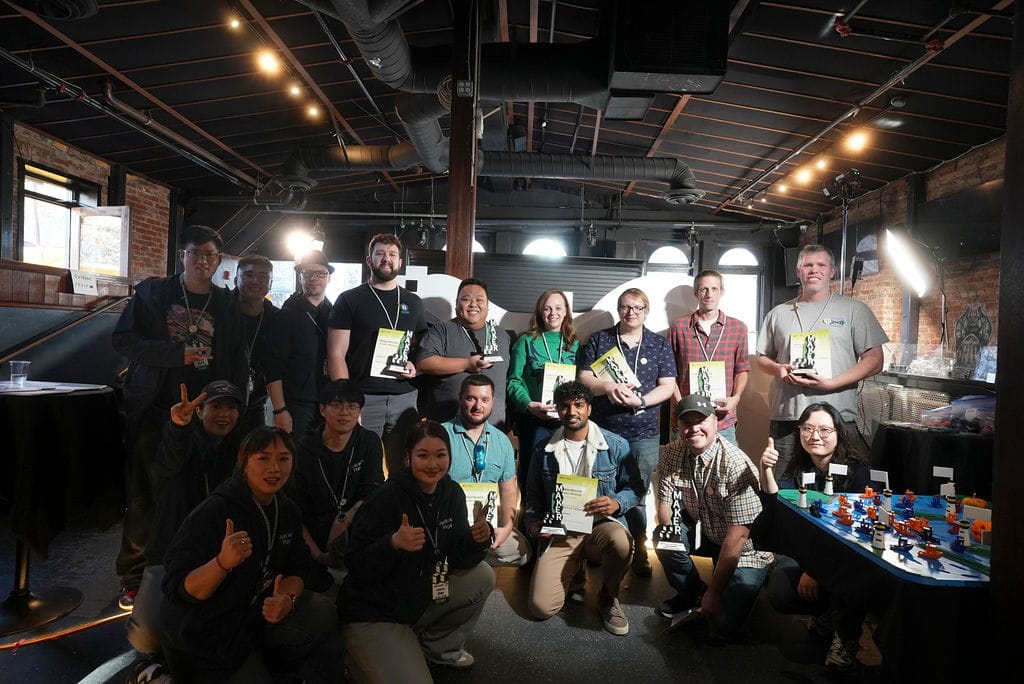
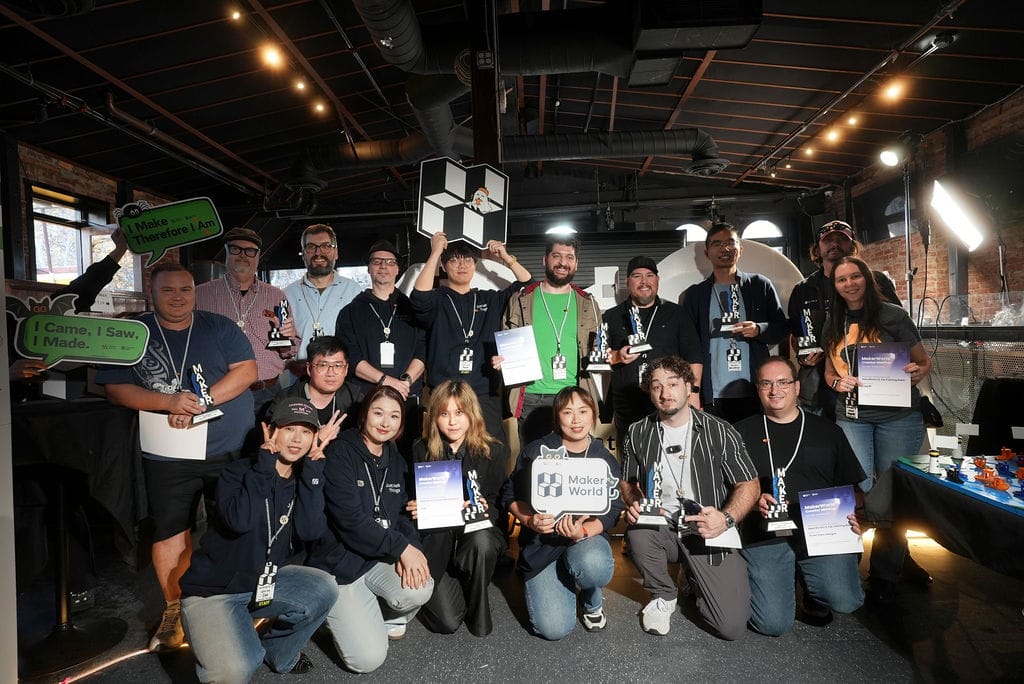
The US Fan Favorite, Eye-Catching, and Must-Print awards went to 30 creators from the United States. They were presented during the first in-person US MakerWorld Creator MeetUp, held in Silicon Valley.
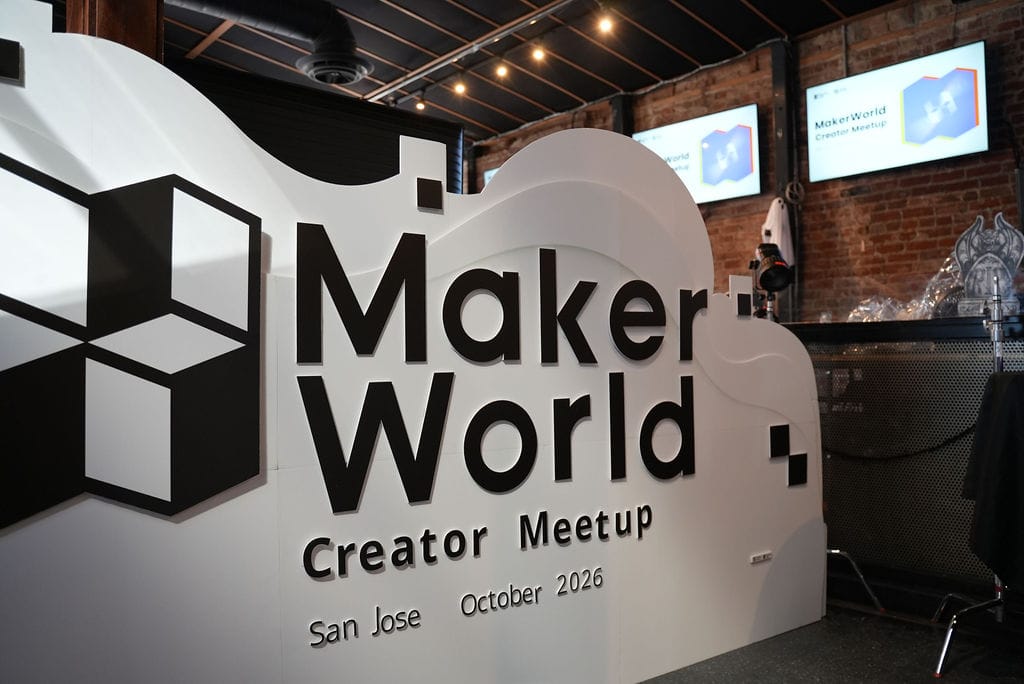
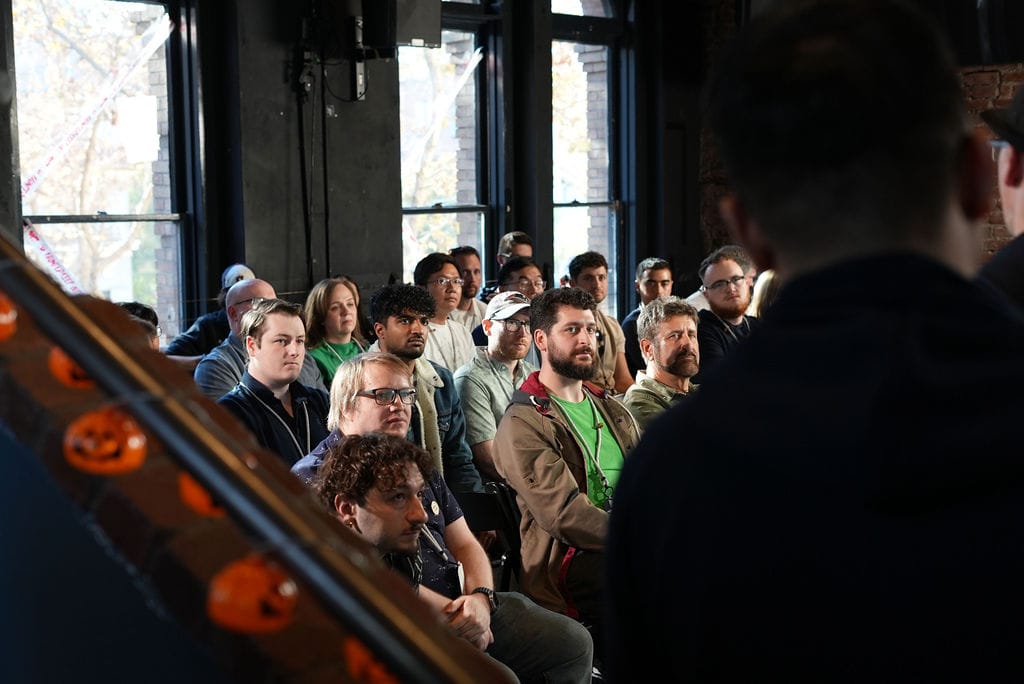
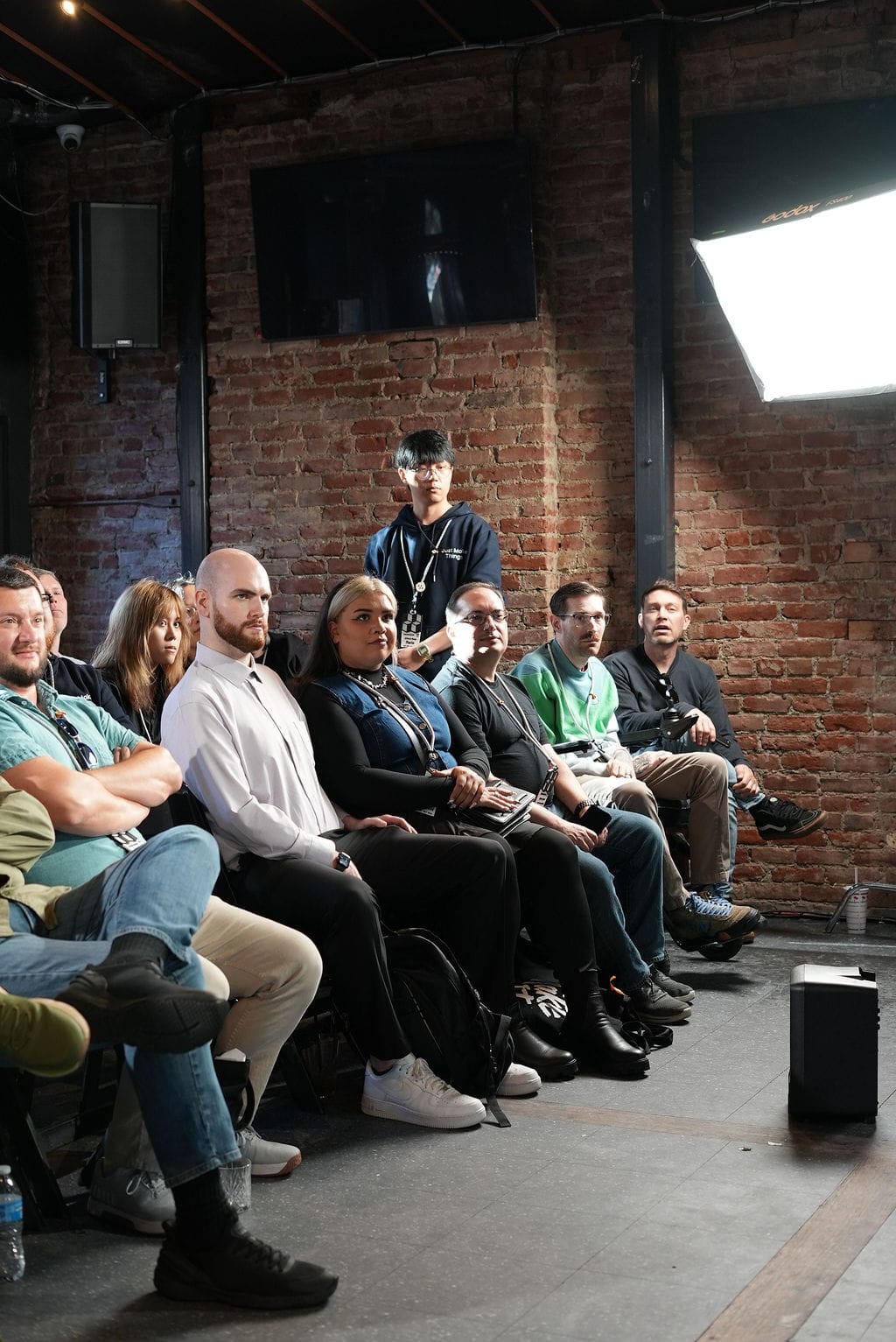
The awards ceremony brought an eventful day to a close. On October 24, 2026, Bambu Lab organized the first in-person gathering of MakerWorld creators from across the United States in San Jose.
For most people in the room, it was the first time they had actually shaken hands. Until then, they had known each other through MW usernames, comments under models, and remixes of one another's designs.
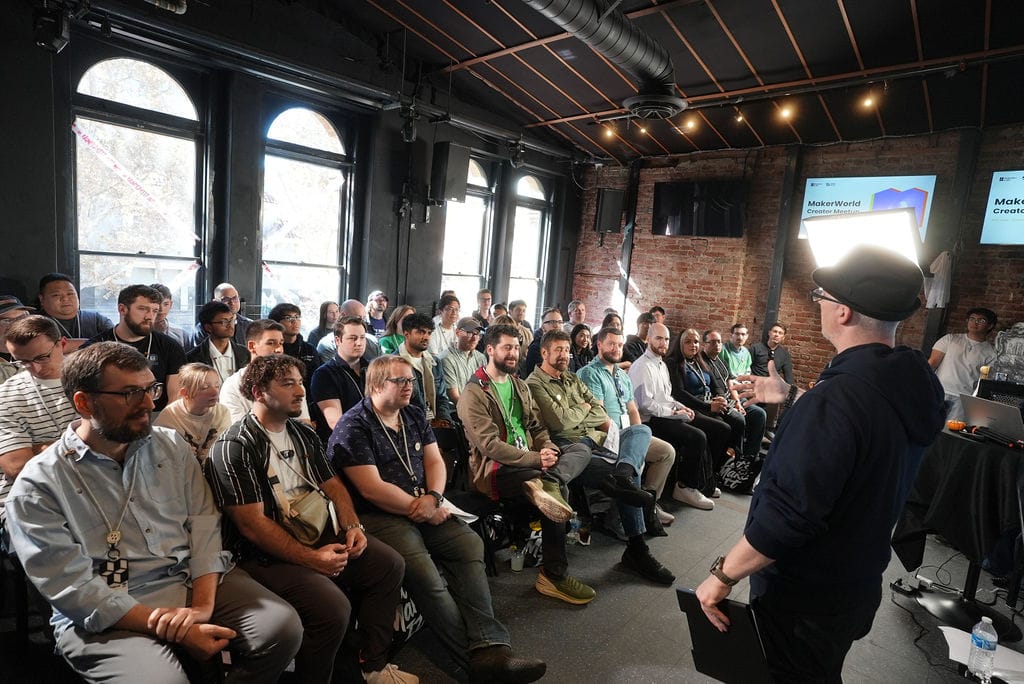
That afternoon, they found themselves sitting in the same room at Loft Bar & Bistro, right in downtown San Jose.
The format of whole event was deliberately informal. Conversations, sharing experiences, questions from the audience at any point. One sentence from the opening remarks captured the spirit of the gathering:
There is no stage, no registrations, no keynote speakers. We're basically here to talk to each other, to share ideas and mostly inspire ourselves.
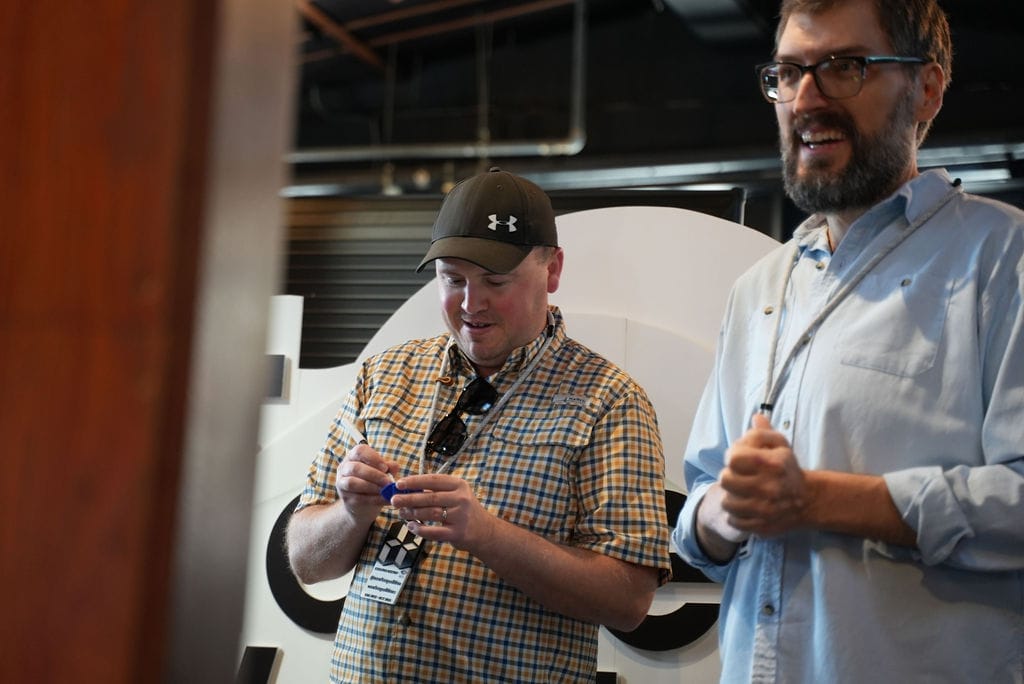
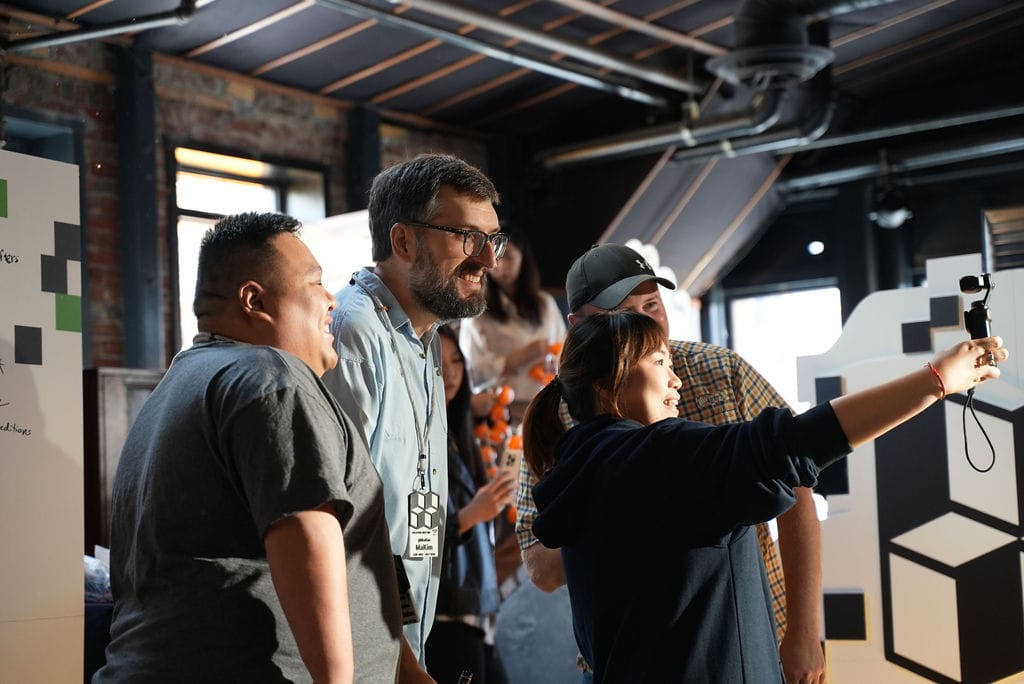
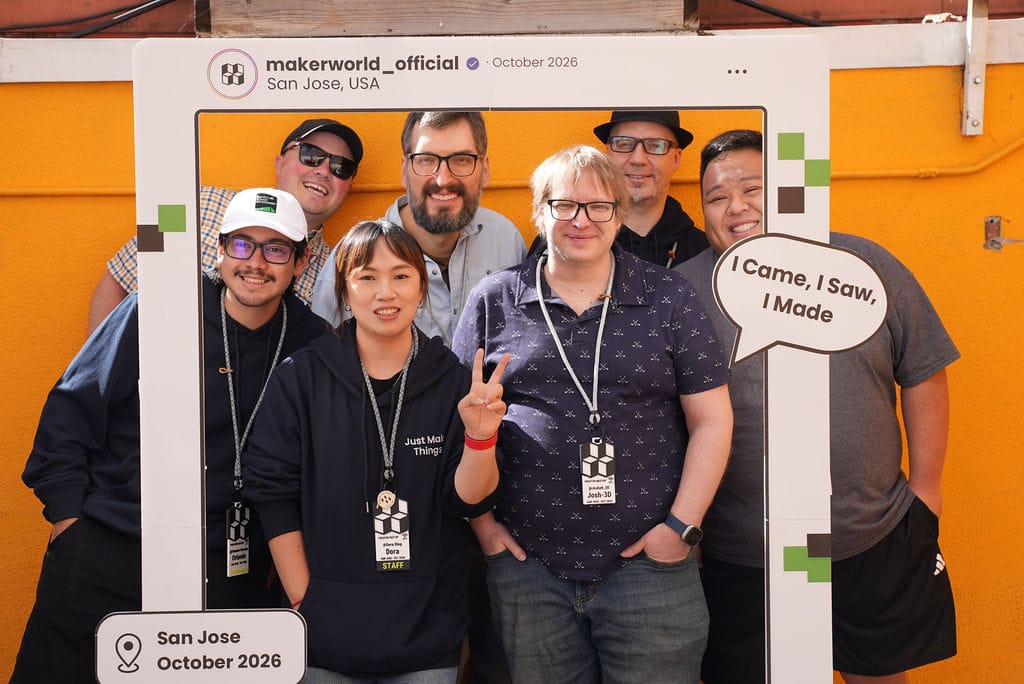
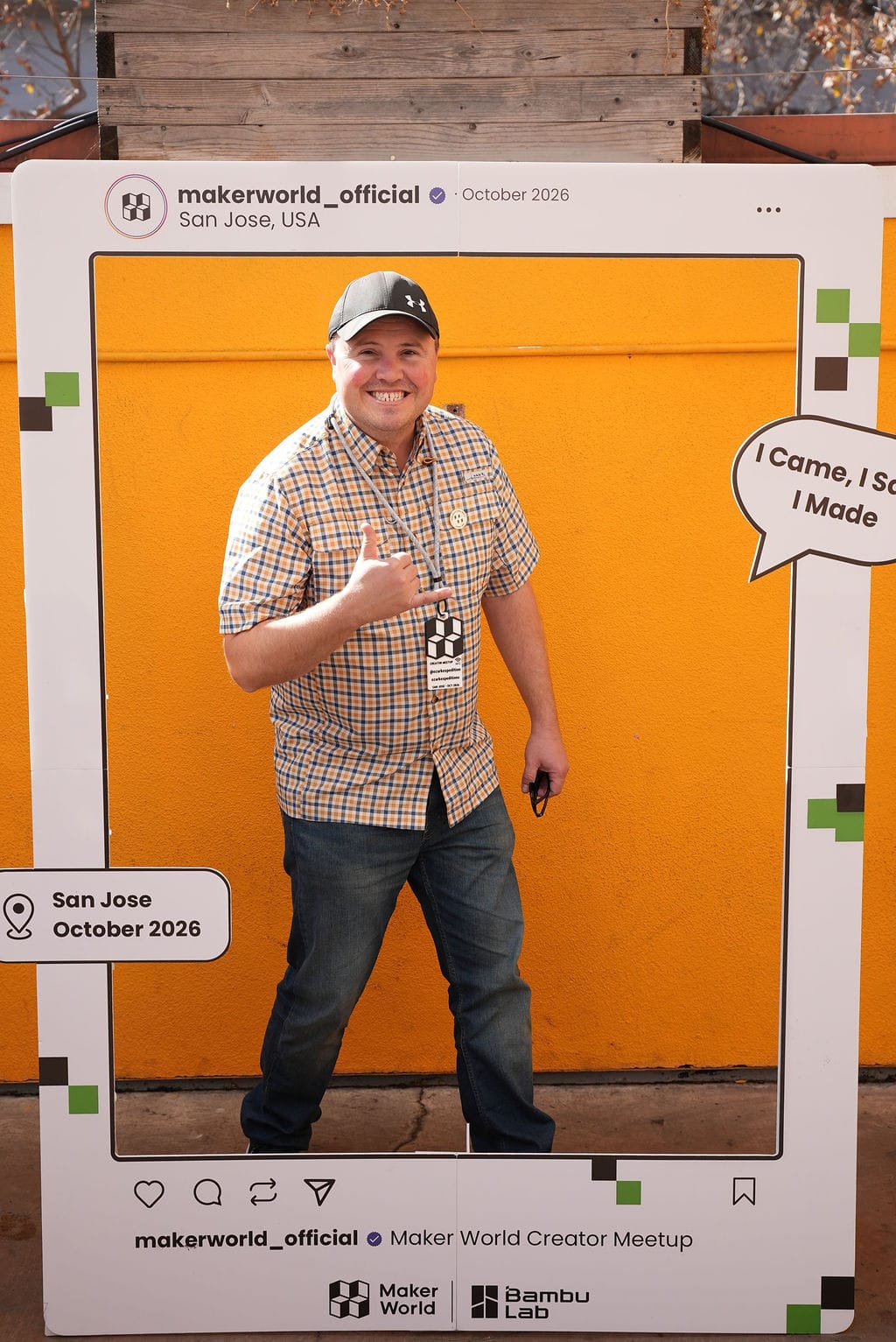
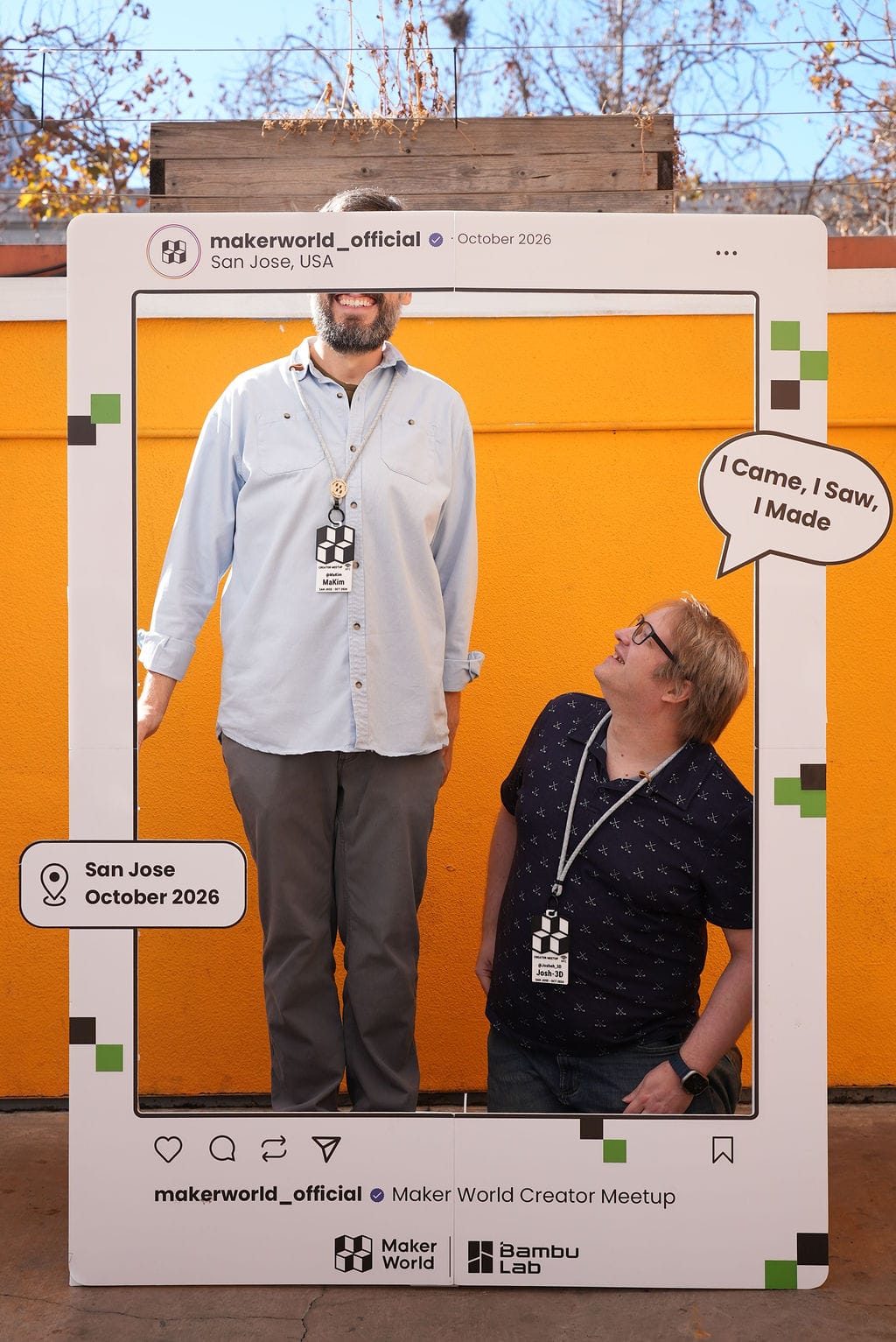
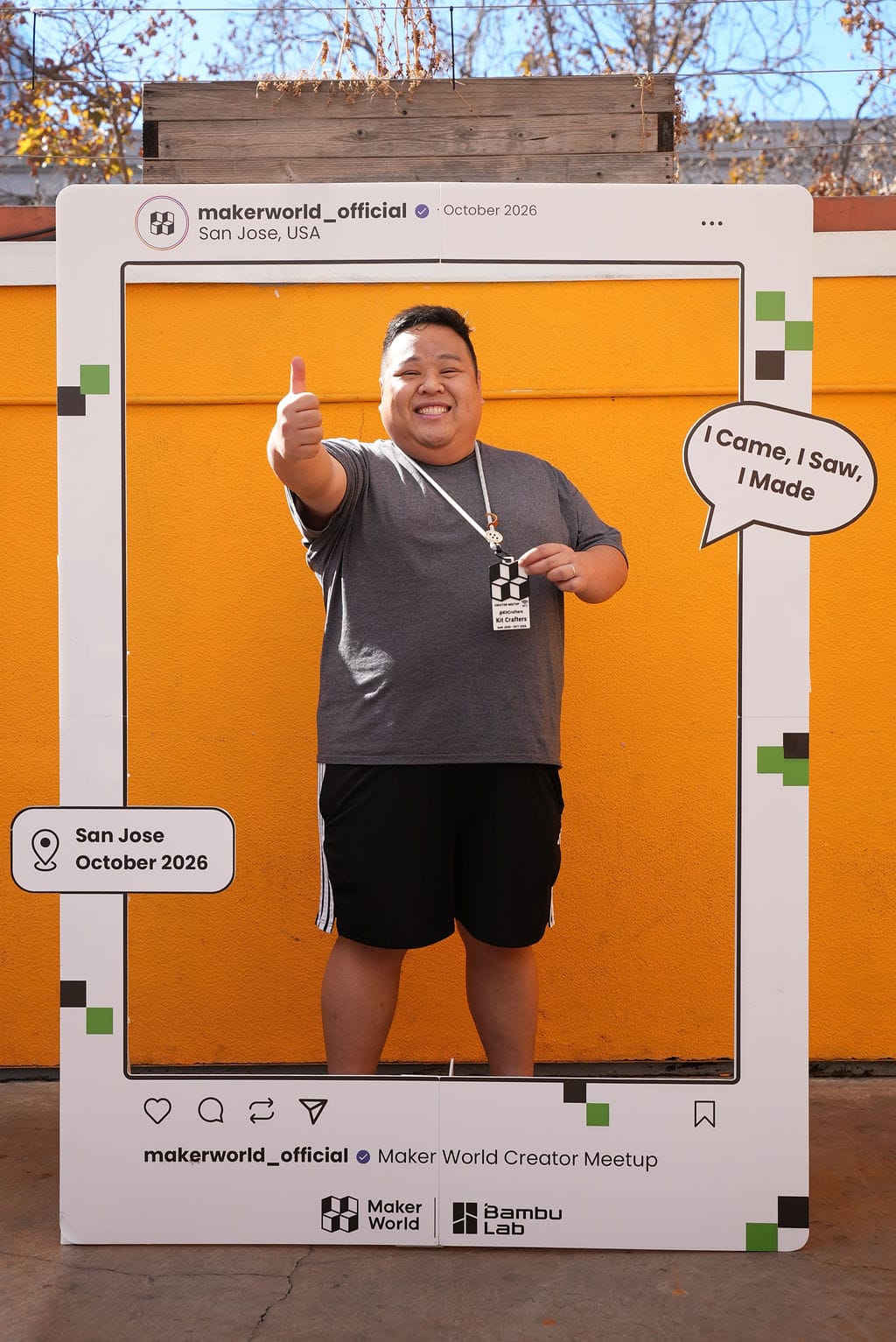
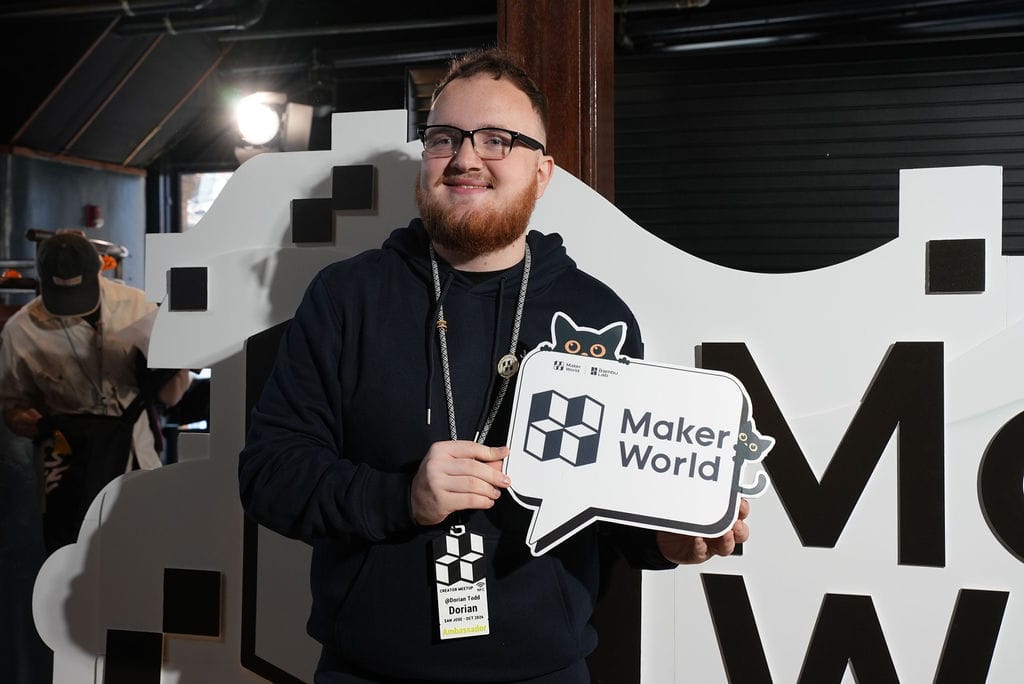
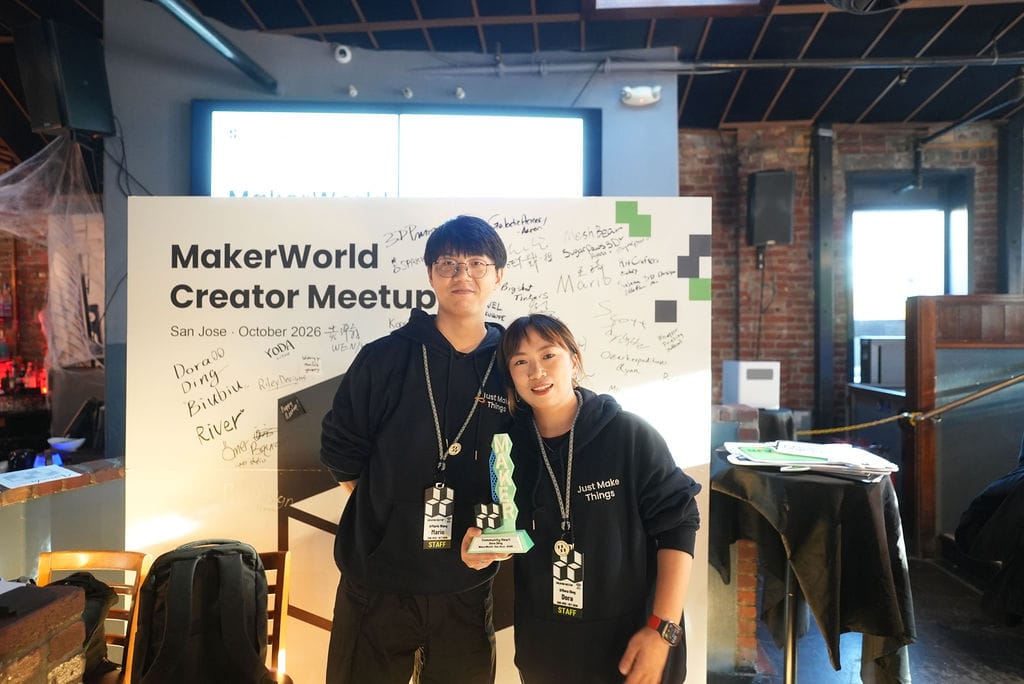
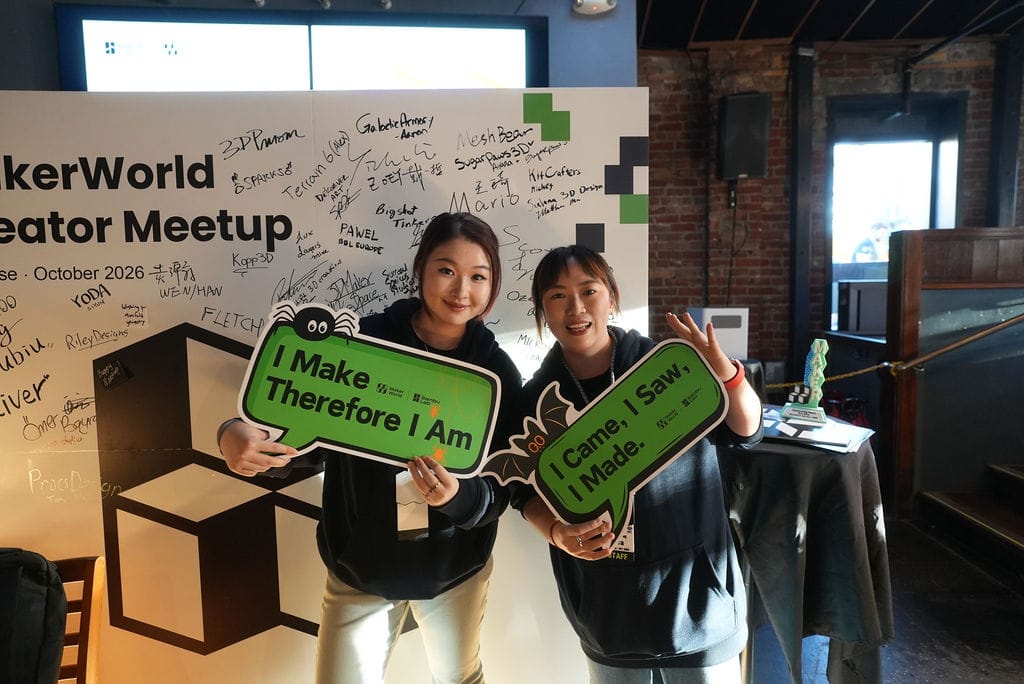
And there was plenty to listen to. Some of the leading creators from the United States had made their way to San Jose. Designers of architectural models and highly detailed dioramas.
Creators of generators that allow anyone to customize a model to their liking. Designers of 3D-printed safes with working locks, electronic optical illusions, acoustic objects, and support-free construction machinery. The MakerWorld team was there too, sitting alongside them.
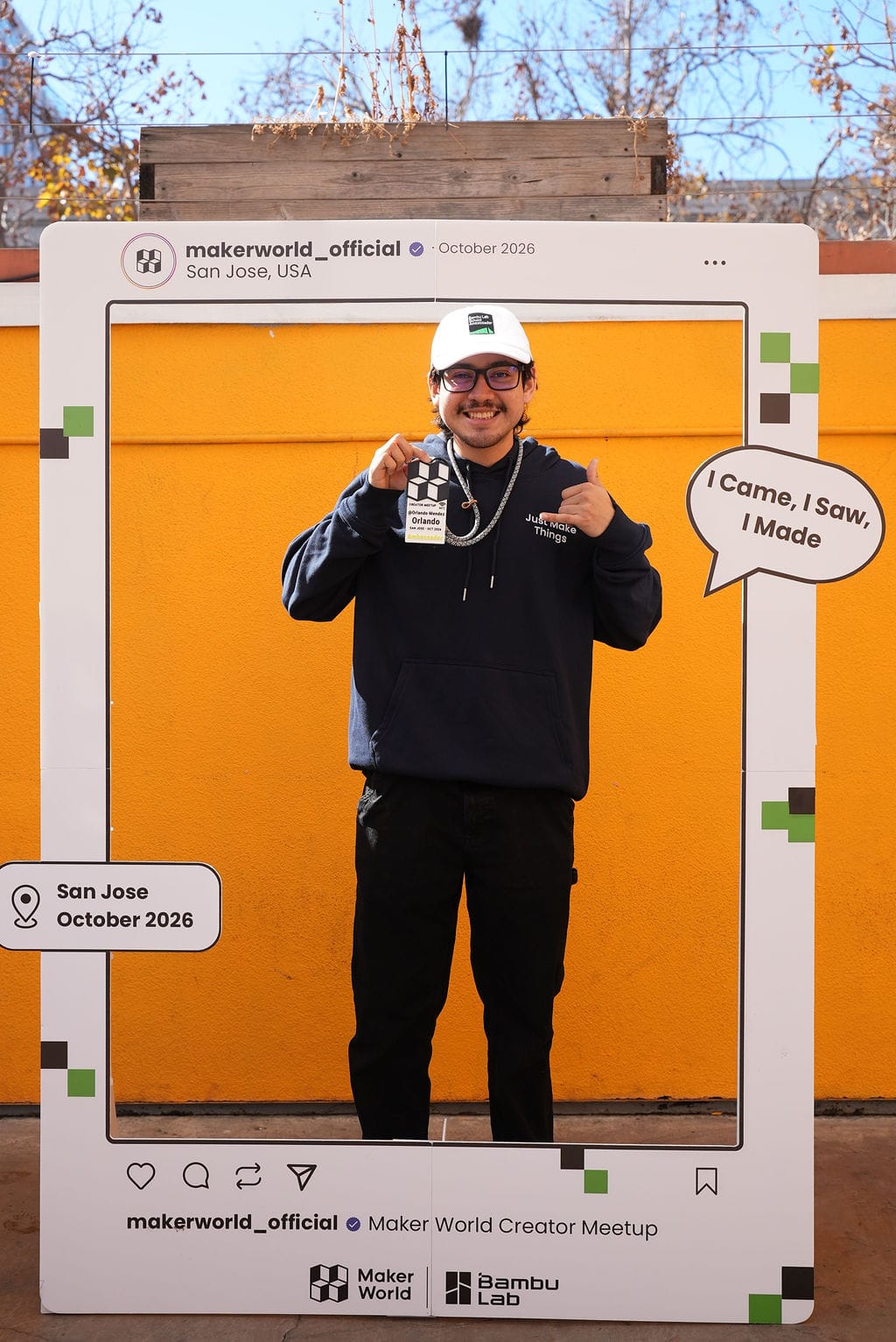
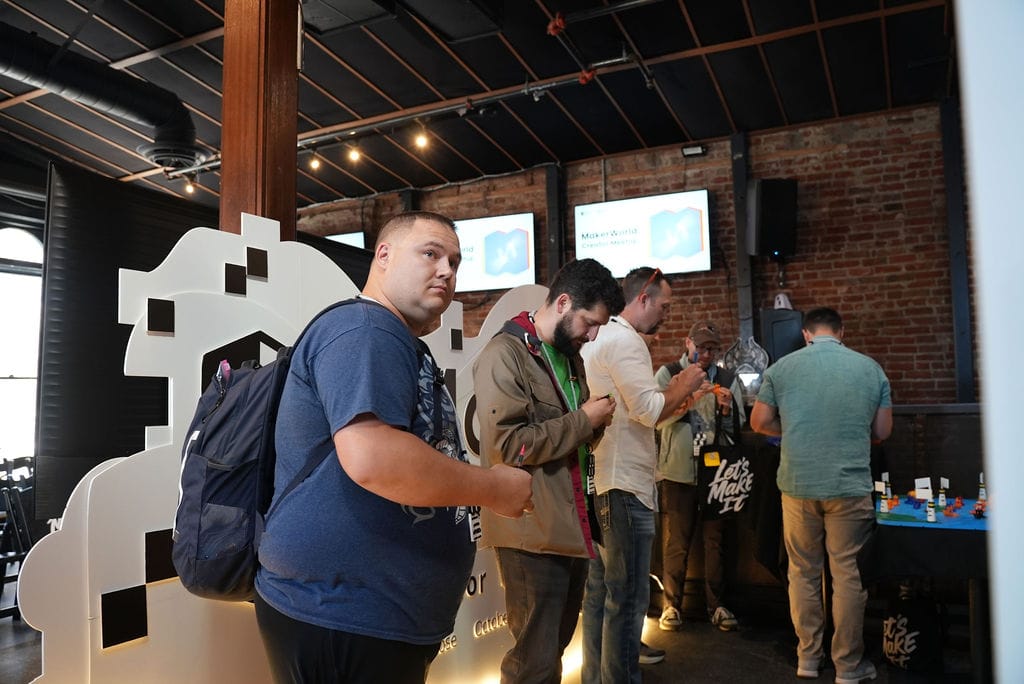
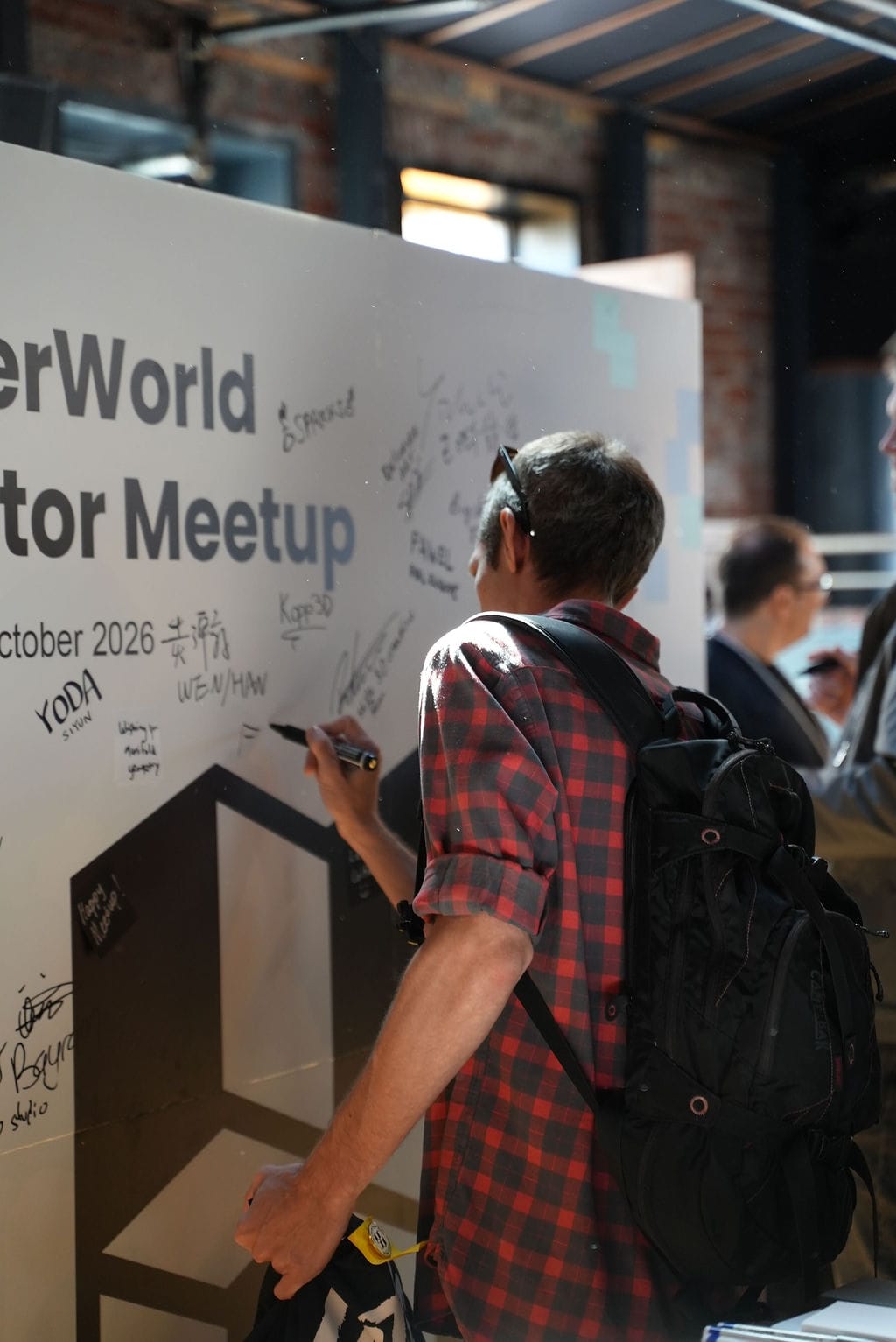
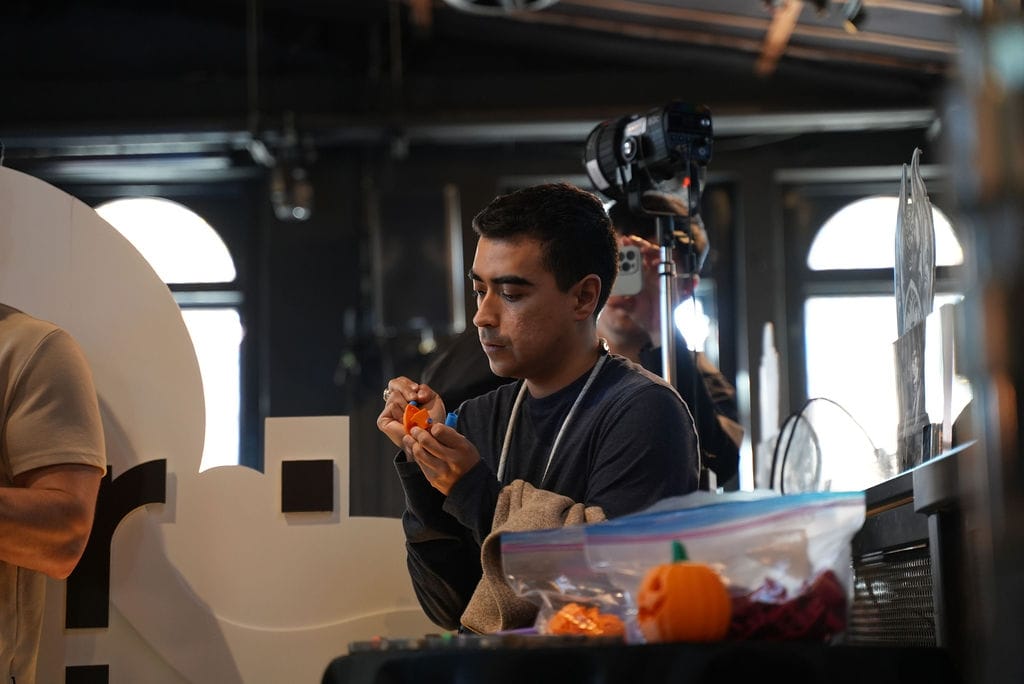
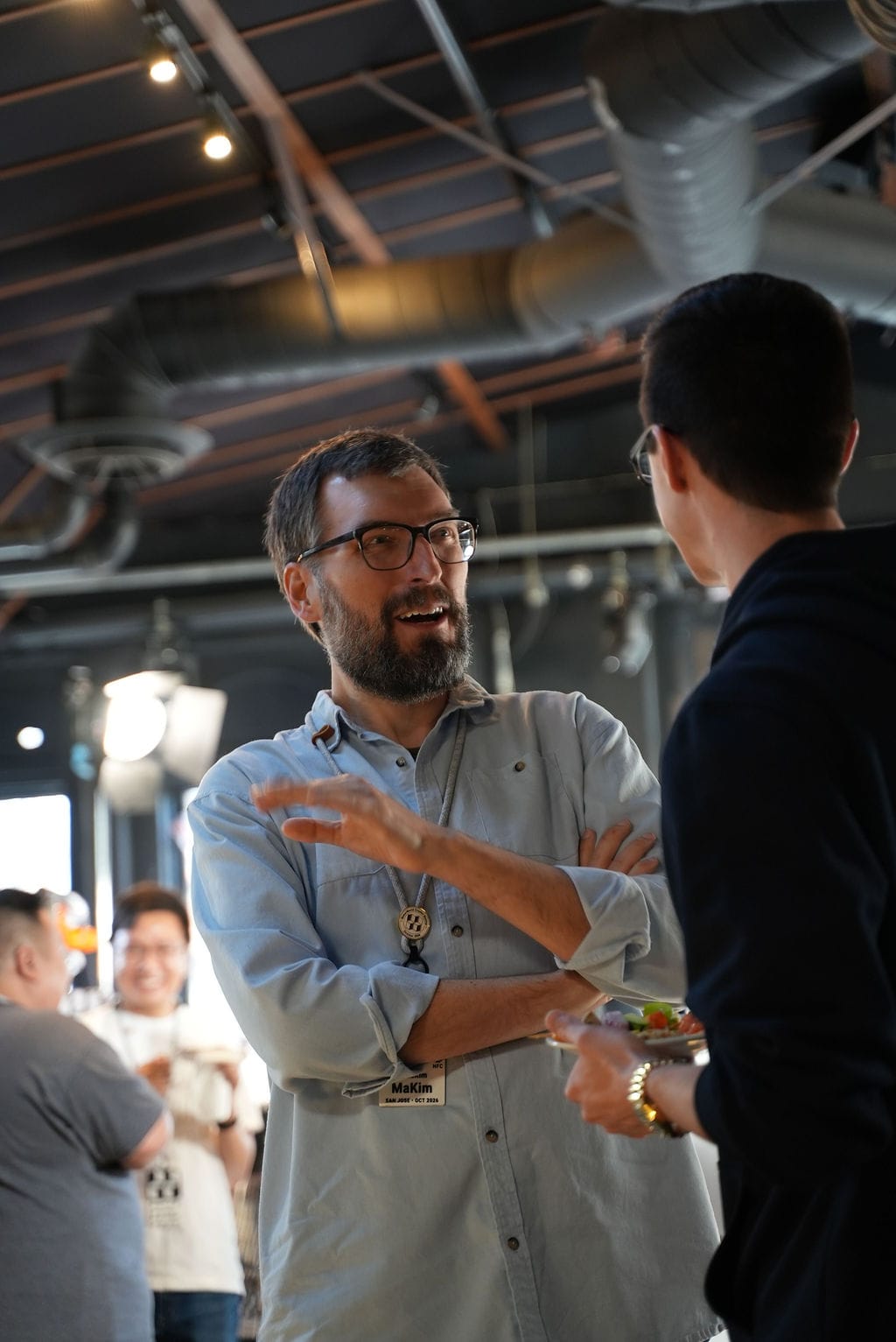
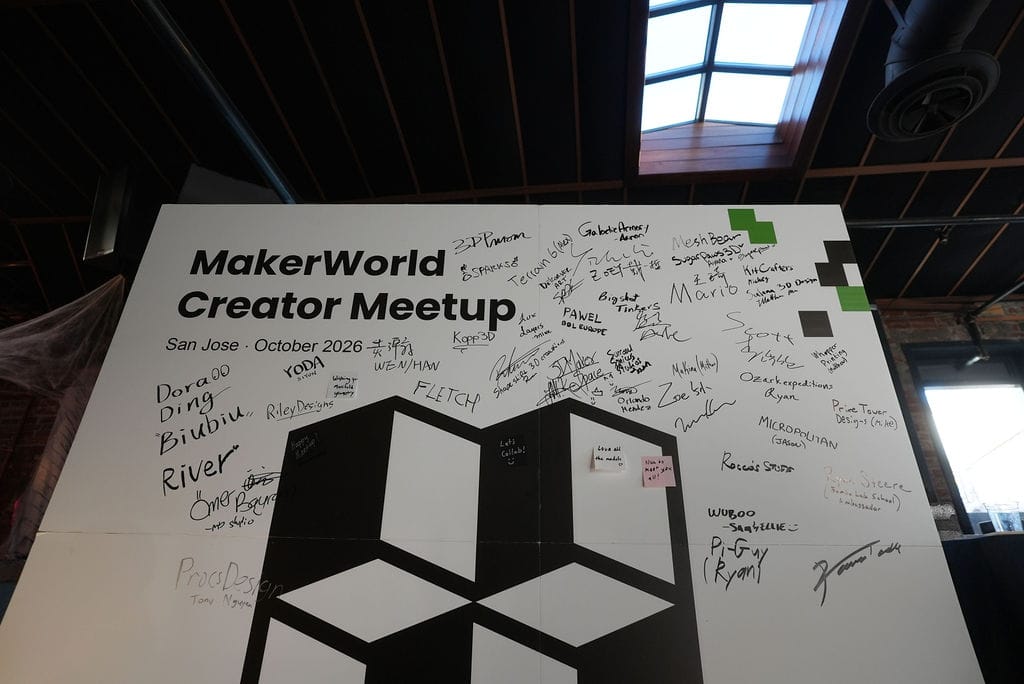
Between the first coffee and dinner, attendees heard some concrete figures about creator earnings and got a preview of new platform tools. Three creators took the stage. But the day's hottest discussion was about AI.
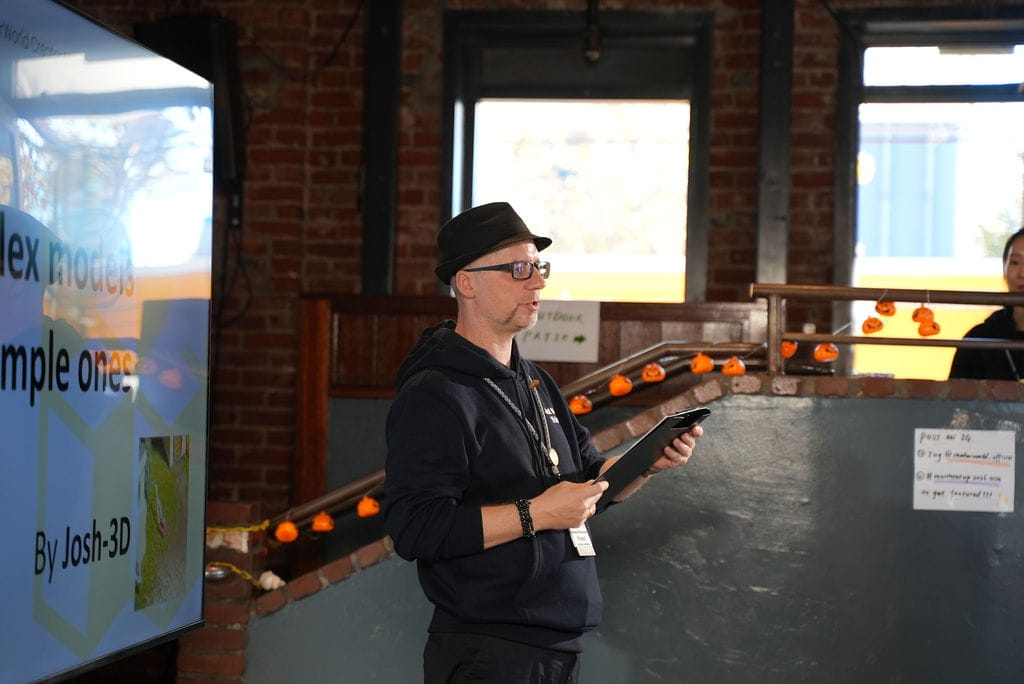
I had an honour to host this wonderful event. Here's a closer look at it, along with a photo gallery - and, of course, the award winners!
Numbers that tell the story
After a brief introduction and some opening remarks, Han - Head of MakerWorld Growth, took the audience through the platform's journey so far, its current position, and the direction of its future development.
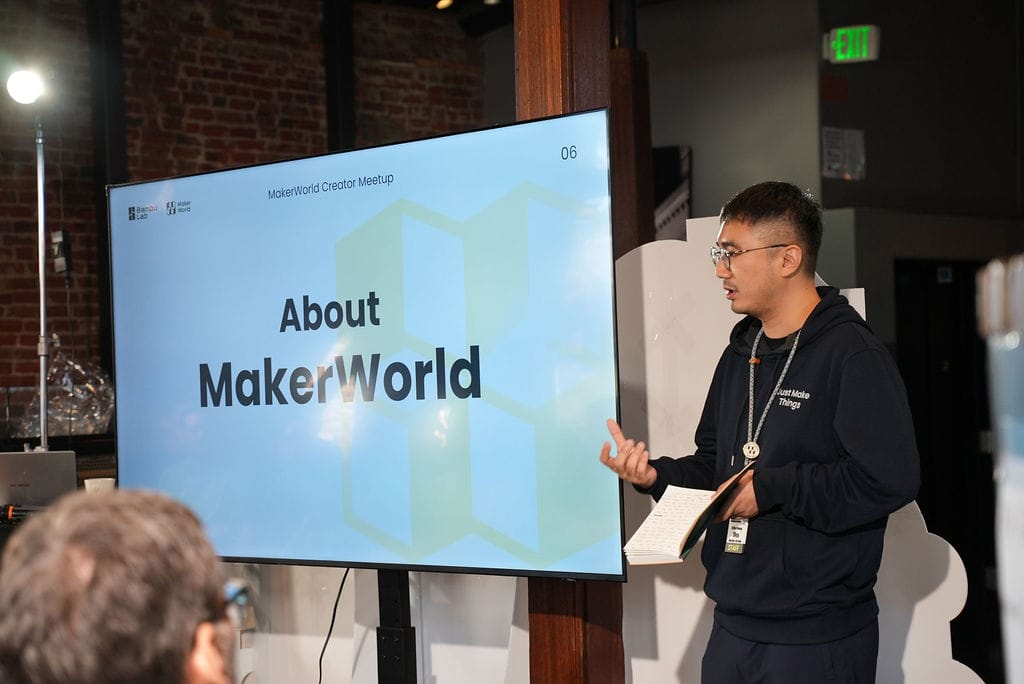
MakerWorld now has more than 3 million public models, over 10 million monthly active users, and more than 500,000 creators.
Behind these numbers lies a clear declaration: creators are the platform's priority. The team wants to build more ways for them to generate sustainable, long-term income.
The first is the incentive program. Creators receive monetary rewards for the models they publish and for support from users (supporter boosts). This is complemented by weekly design contests with substantial prizes. The points system is still being refined, and the team openly invited feedback from event attendees.
The second is crowdfunding. In just over a year, projects on MakerWorld have attracted more than $3 million in pledged support. Several campaigns have exceeded six figures. The platform plans to provide these projects with promotional opportunities beyond MakerWorld, brand matchmaking, and assistance with running their campaigns.
The third is commercial licensing. Together, these licenses generate nearly $150,000 per month for creators. The top performers earn more than $2,000 a month.
When a hobby starts generating this kind of money, it stops being just a hobby. There were several people in the room for whom designing 3D models has already become a full-time job.
Plans, tools and a few smaller updates
The team also provided few updates regarding planning or work on current features.
Maker Market, MakerWorld’s marketplace for physical prints, is still in beta. Orders go to local print farms that print and ship them, so creators can sell physical copies of their designs without handling production themselves. Models that need simple assembly will be accepted too.
MakerWorld also runs the free Creator Copyright Protection Program. A creator points to the site where their model showed up and adds simple proof of authorship, and the team handles the rest.
Plans for the coming months focus on creator visibility. MakerWorld wants to promote creators on TikTok, Instagram, Facebook and X, run themed contests and community events, and connect creators with major brands.
The team is also rebuilding its messaging system so creators can reach selected groups of followers, including commercial subscribers. That feature is still in development.
And for collectors: hoodies and T-shirts with the event logo that are part of upcoming crowdfunding campaign.
MaKim - Matthew Kimbrough and the art of generating ideas in bulk
After a coffee break, it was time to hear from some of MakerWorld's leading creators.
Matthew Kimbrough, known on MakerWorld as MaKim, opened with a statement that set the tone for his entire presentation: "I don't think that our ideas are that precious".
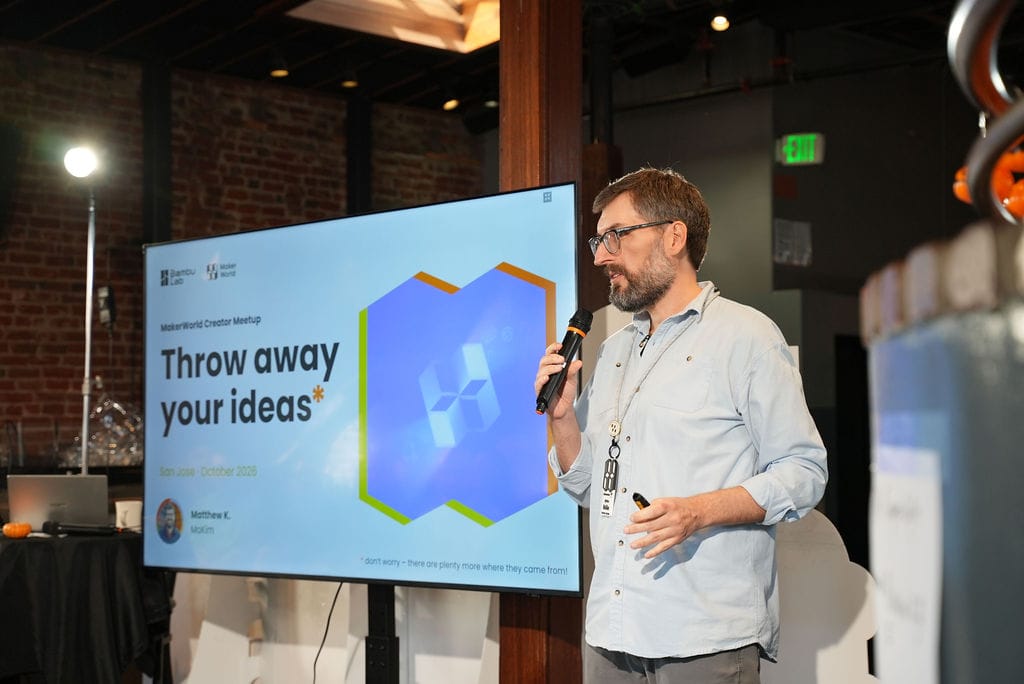
In his view, the first ideas that come to mind are the ones everyone has. Holding on to them prevents you from discovering better ones. That's why Matthew works with large numbers. For a single project, he might set himself a target of 45 ideas, writing everything down, including fragments and half-formed thoughts.
When the list runs dry, he changes direction. He starts with a specific object, a previously successful project, or something he never quite finished. Then he puts the list aside for a few days. When he comes back to it, new ideas usually start appearing, and only then does he begin selecting the best ones.
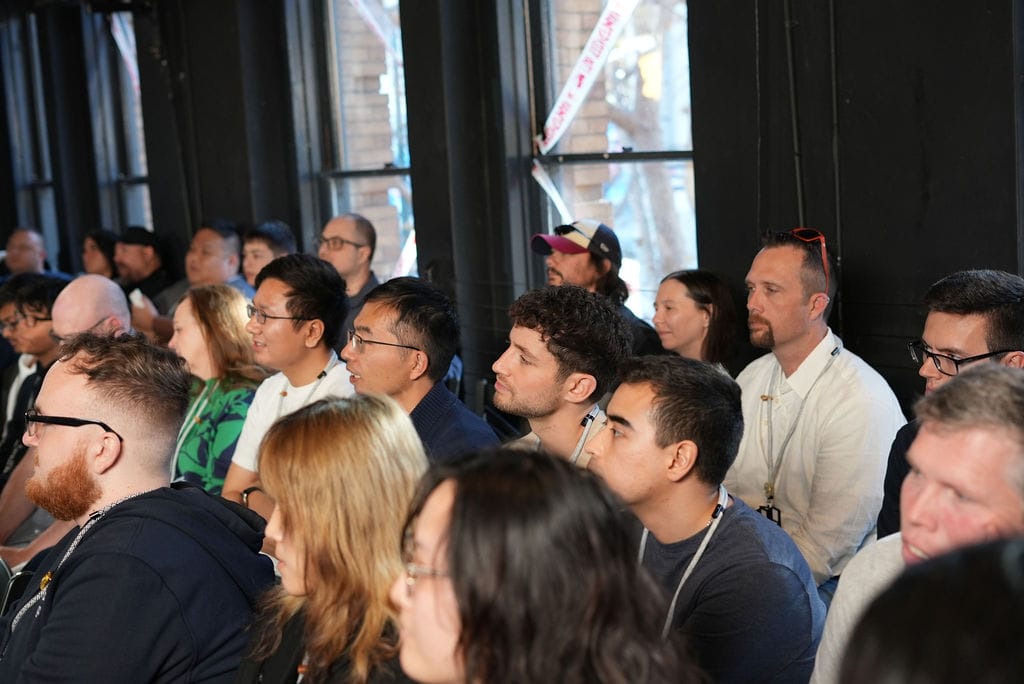
Someone in the audience asked where he finds inspiration. Matthew recommended Walter Isaacson's biography of Benjamin Franklin, noting that Franklin used to write everything down. He also admitted that social media works both ways: it can be inspiring, but it is also easy to unconsciously borrow someone else's idea.
More about MaKim's creative process, projects, and crowdfunding campaigns can be found in an interview published on the blog:
 Pawel Slusarczyk
OzarkExpeditions - Ryan Reed: can we play again?
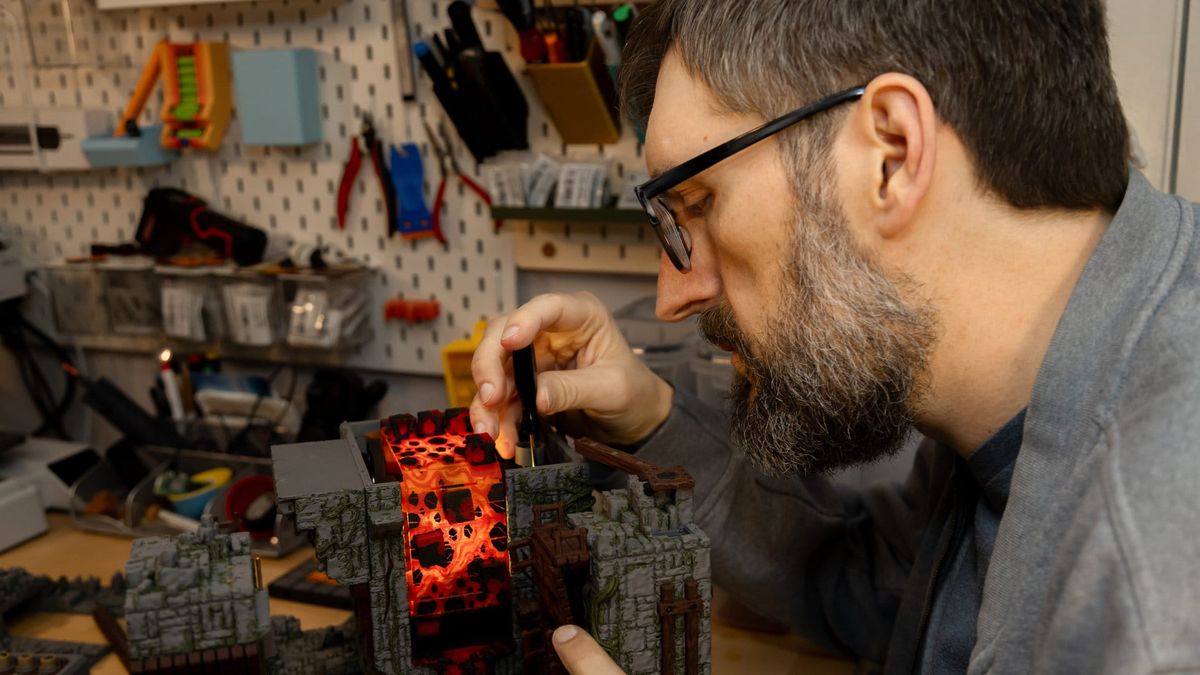
Ryan Reed, known as OzarkExpeditions, designs games and toys that combine strategy with mathematics. His children are his first and best testers.
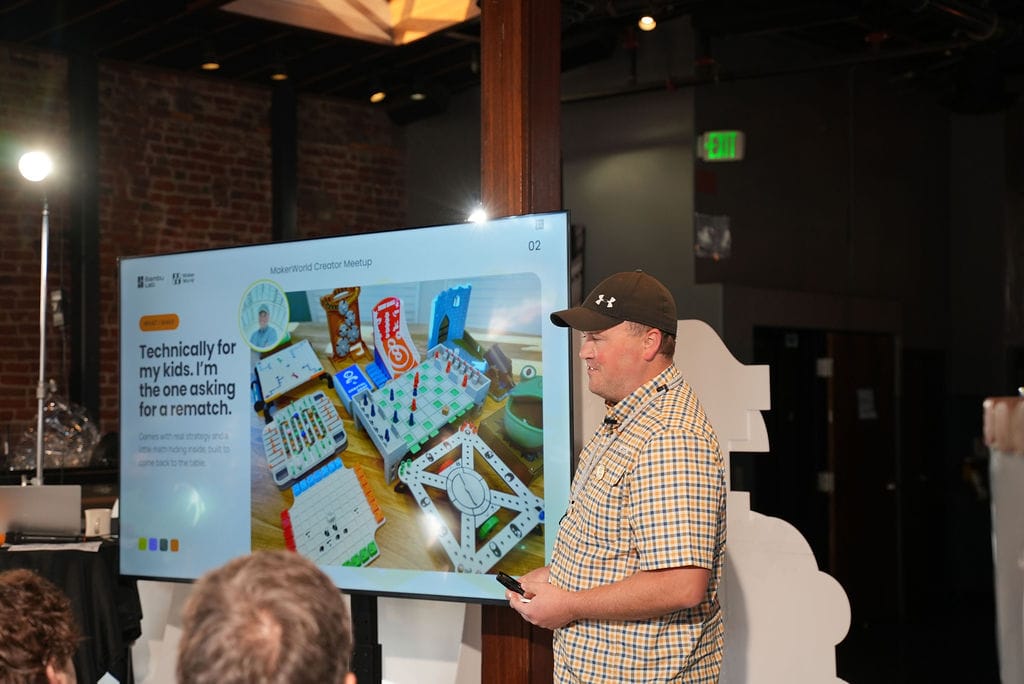
His most prominent project is Play Grid, an open 10 × 10 game board. Ryan developed it together with three other designers and fairly shared the revenue with them. He then launched a competition for games using the board. More than 160 submissions came in.
The second part of his presentation focused on tools. Ryan built a project generator for Maker's Lab that has accumulated more than 10,000 exports. He believes generators and AI-powered tools significantly lower the barrier to entry for new creators.
The latest AI models can already generate complete mechanical designs. He understands designers' concerns about losing their creative identity, but remains convinced that no tool can replace human ingenuity.
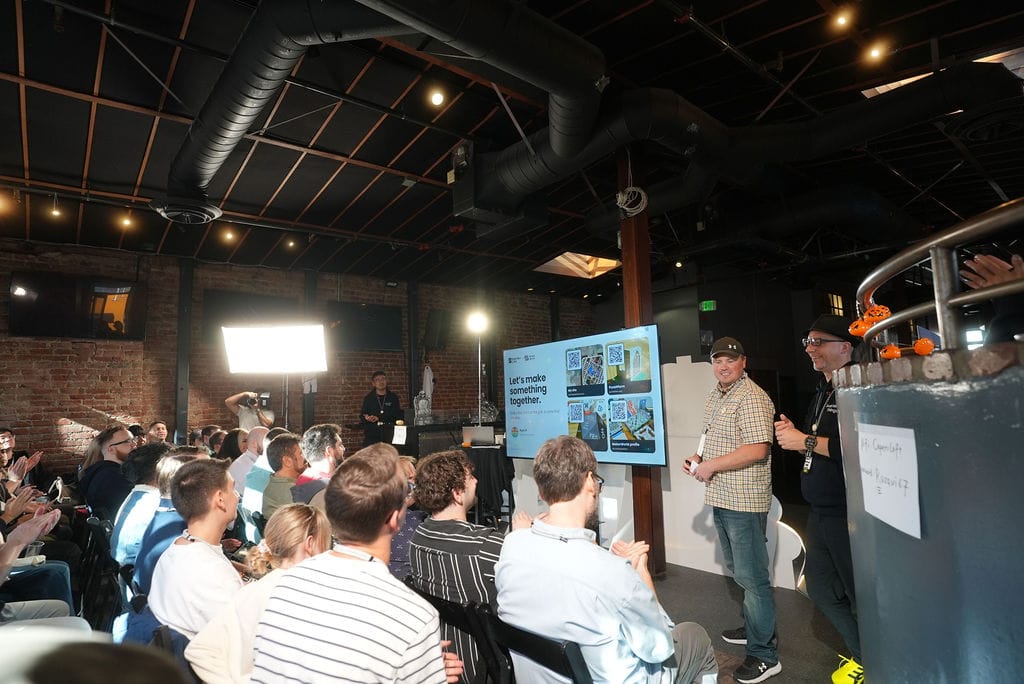
A project's success can be measured in downloads, exports, or the amount raised through crowdfunding. Ryan has one criterion that he uses when testing his creations at the table with his children: "Can we play again?"
He wrapped up by handing out QR codes linking to his generators and tools.
Josh3D - Joshua Harvey: big Models and the long game
Josh Harvey put aside his prepared speech and went straight to a subject he knows from personal experience.
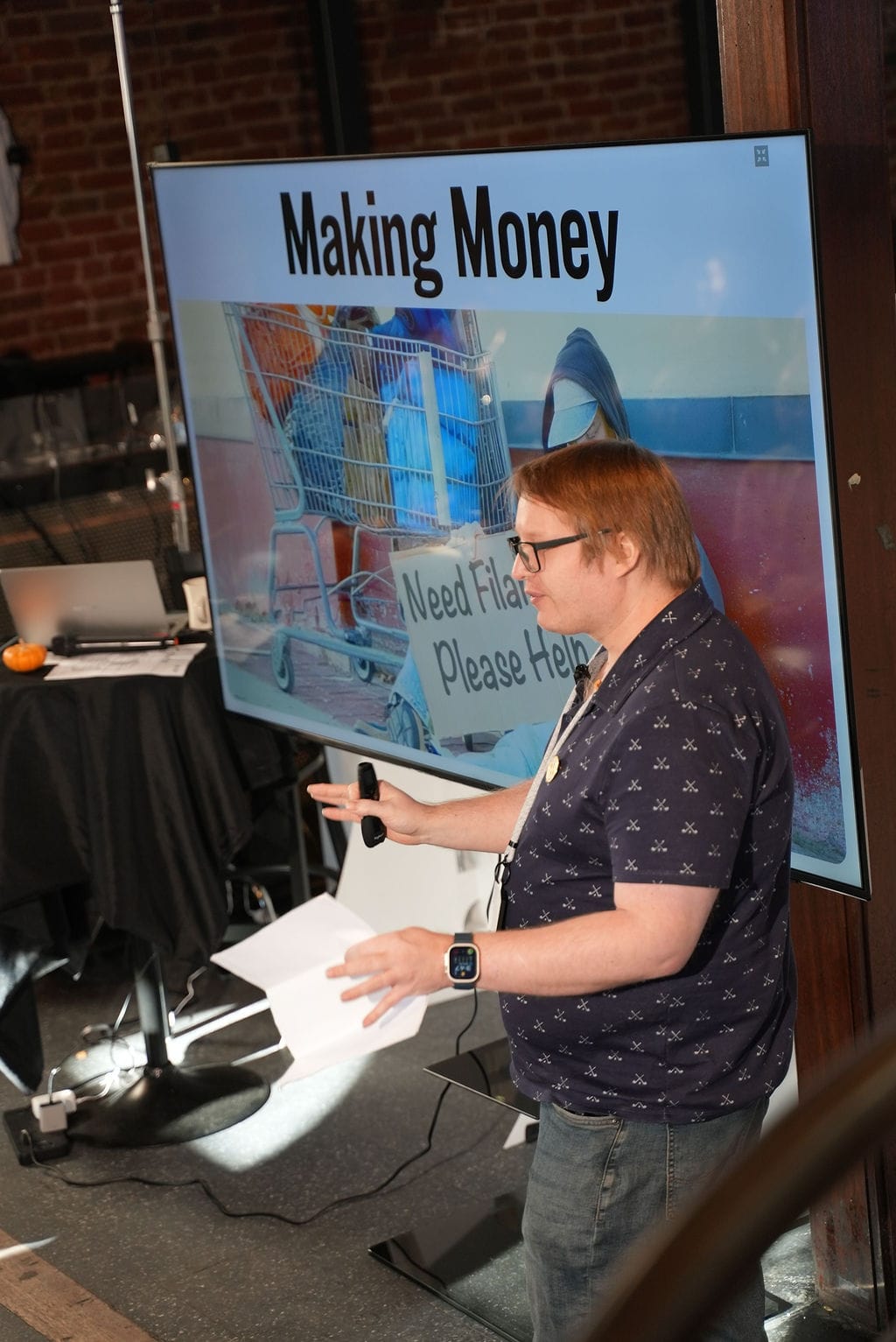
For the past year, he has been working full-time on designing large, complex models. His observation is that viral, visually spectacular projects attract attention for just a few days. People who are new to 3D printing start with simple models, but after a while they look for something that demonstrates the full capabilities of their machines. That's when they discover more complex designs.
These models rarely become overnight sensations. Instead, they grow slowly and steadily over months, attracting an audience that tends to stick around.
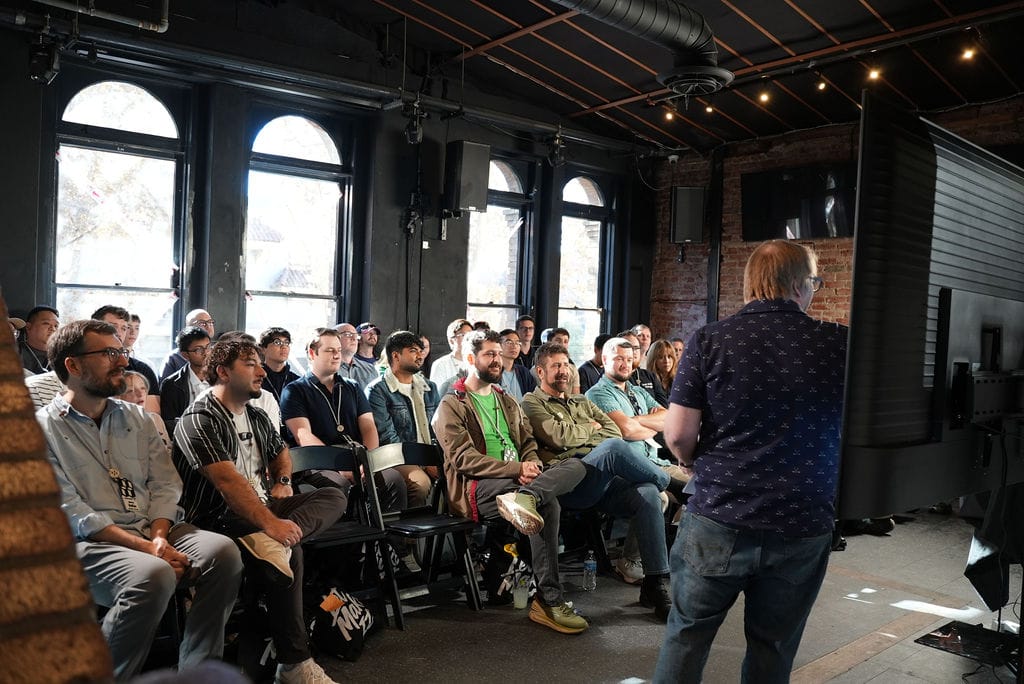
Josh emphasized that earnings from models do not translate directly into points. His strategy is based on combining a printed model with hardware. He designs his projects to be easy to print and assemble, then pairs them with electronics kits and components that customers can purchase with a single click. He has found that when buying the necessary hardware is straightforward, users are much more likely to go ahead with the purchase.
His final piece of advice concerned portfolios. A large model works as a calling card and attracts attention. But it is worth having smaller projects alongside it, such as camera accessories, which generate actual revenue and reach people specifically looking for those kinds of products. Satisfied users often start designing their own accessories for them.
AI, Cover Images, and trust
The discussion about AI began with a video message. Dr. Tao, Bambu Lab's CEO, unfortunately couldn't make it to San Jose due to other commitments, but sent a recording with greetings for the creators and answers to questions collected in advance, including questions about AI.
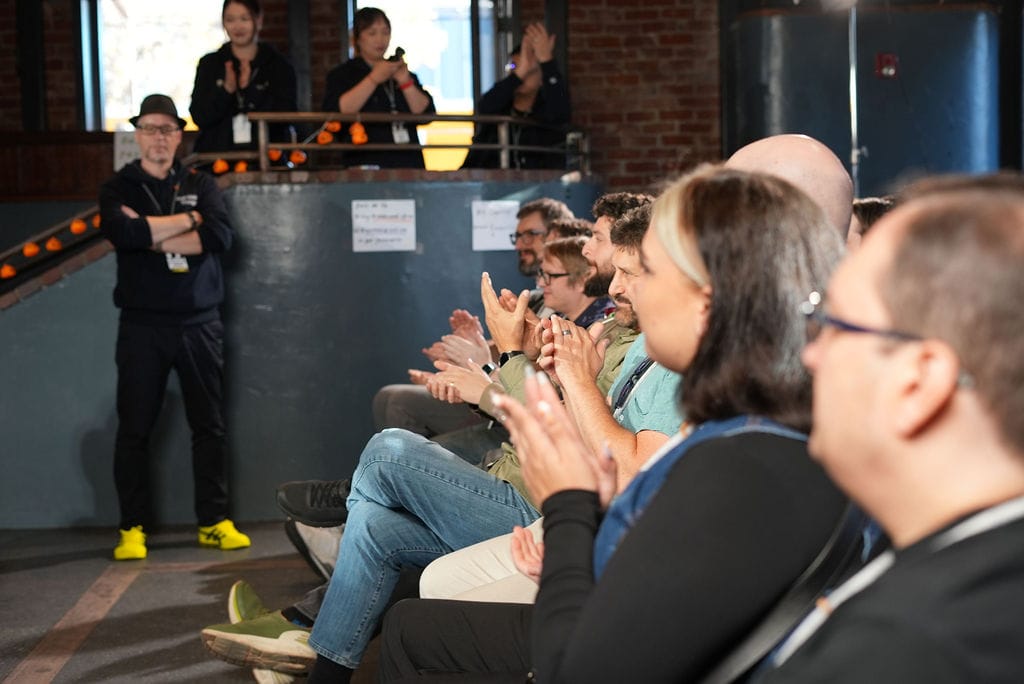
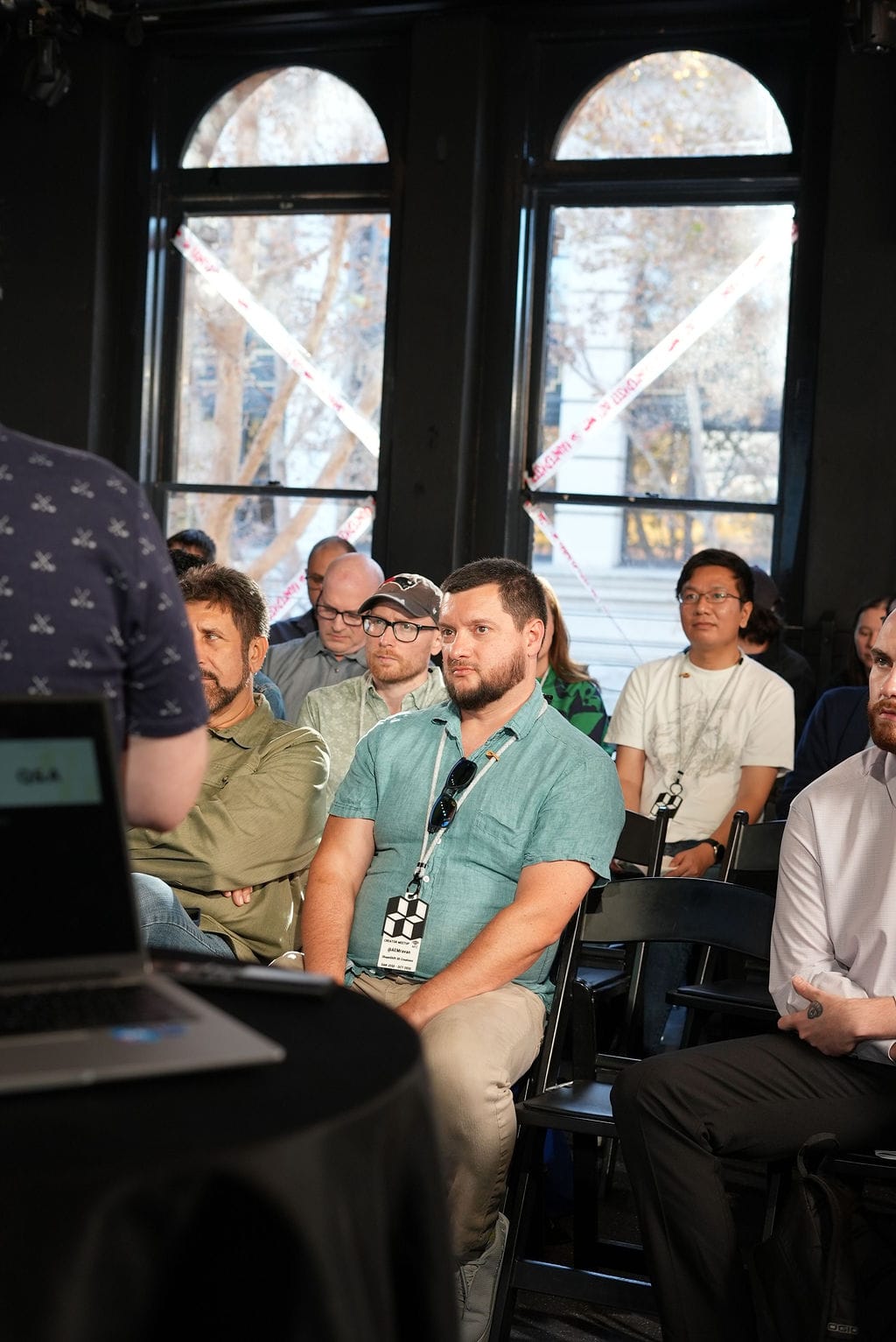
The discussion then moved to the room and quickly became very concrete.
MakerWorld made its position clear. In general, the problem lies in the disconnect between a cover image and the actual printed result: an AI-generated image can promise a level of quality that the model simply cannot deliver once printed. That's why the platform will not introduce a straightforward division of content into "AI" and "non-AI" categories. Many makers use AI as just one of several tools in their workflow.
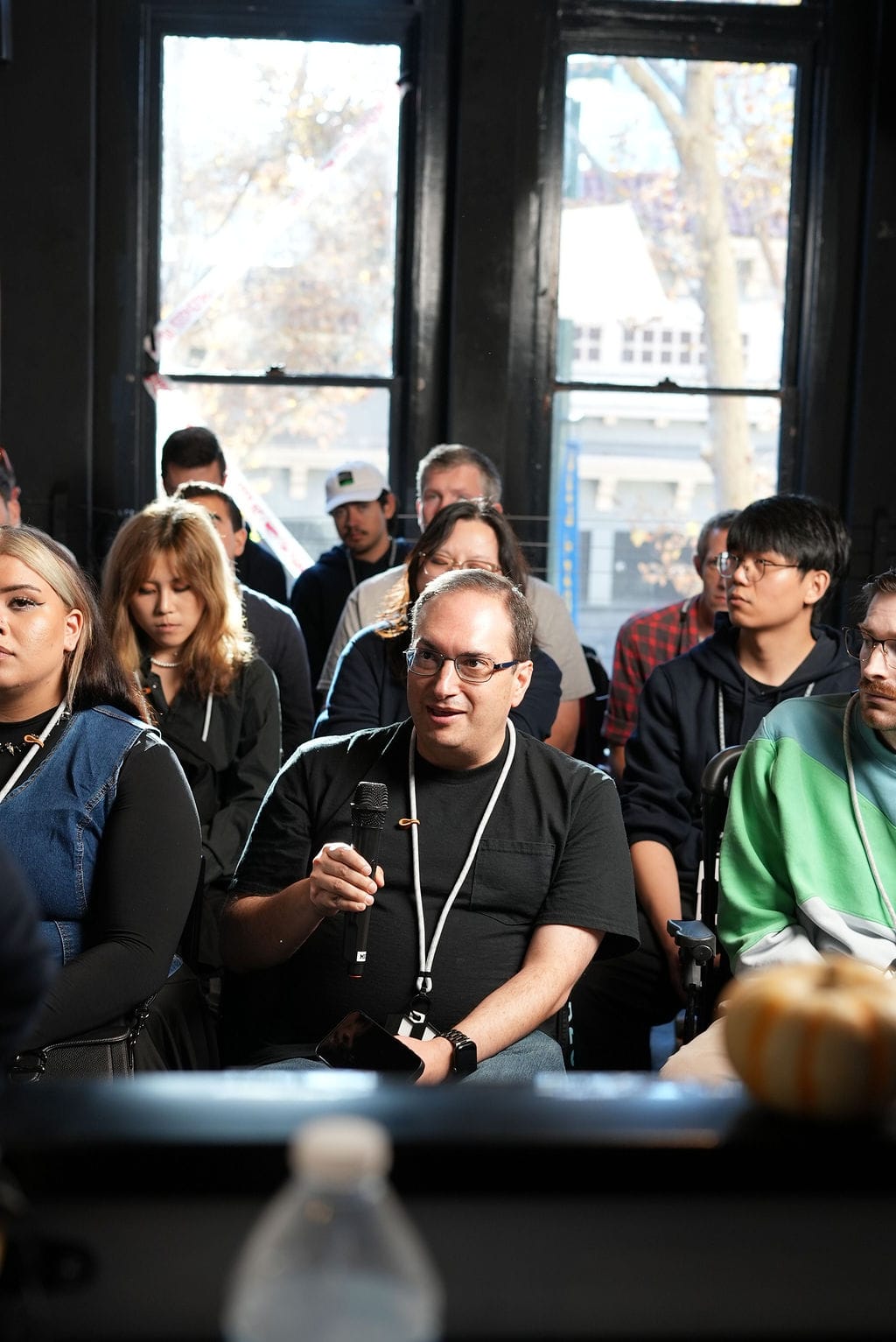
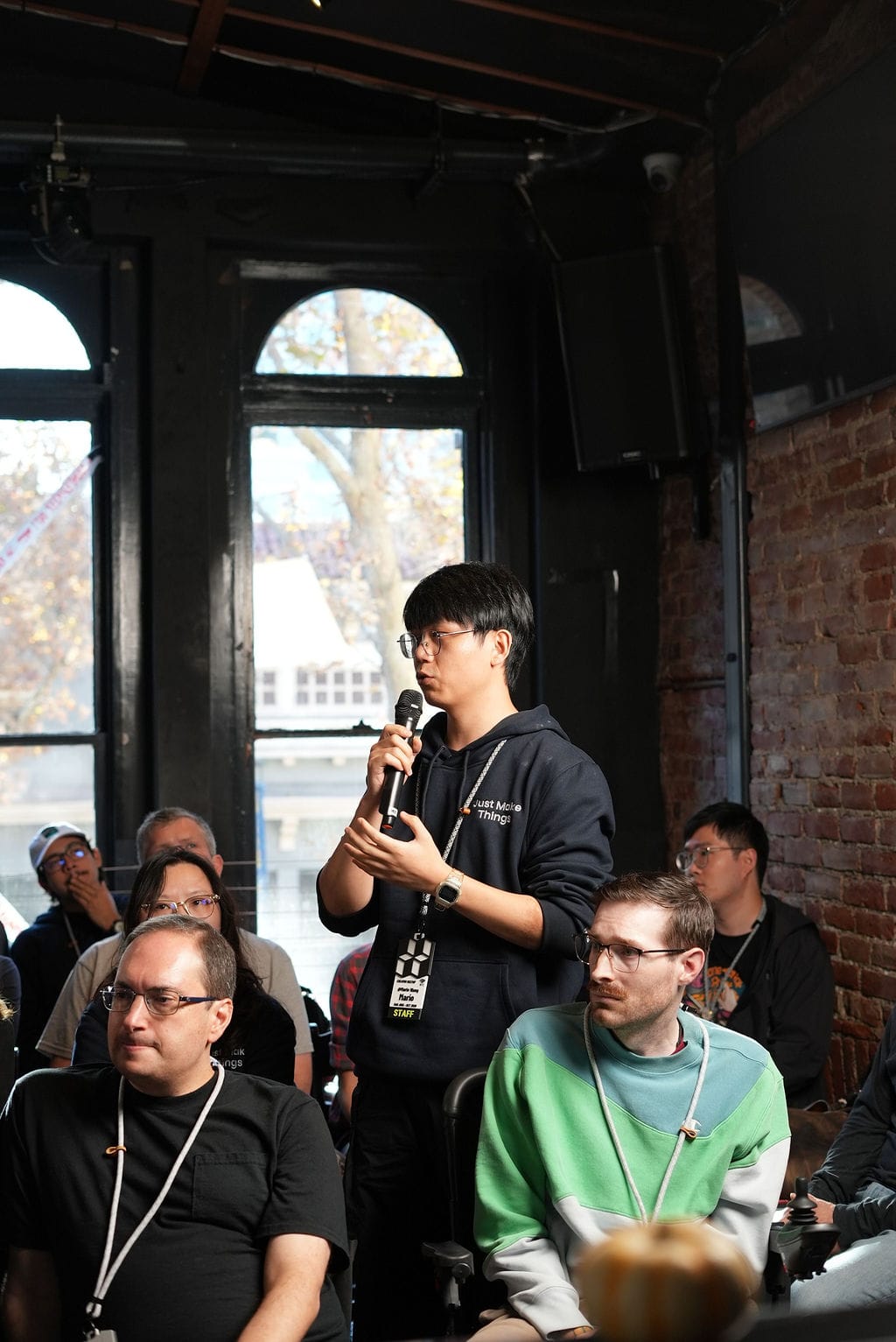
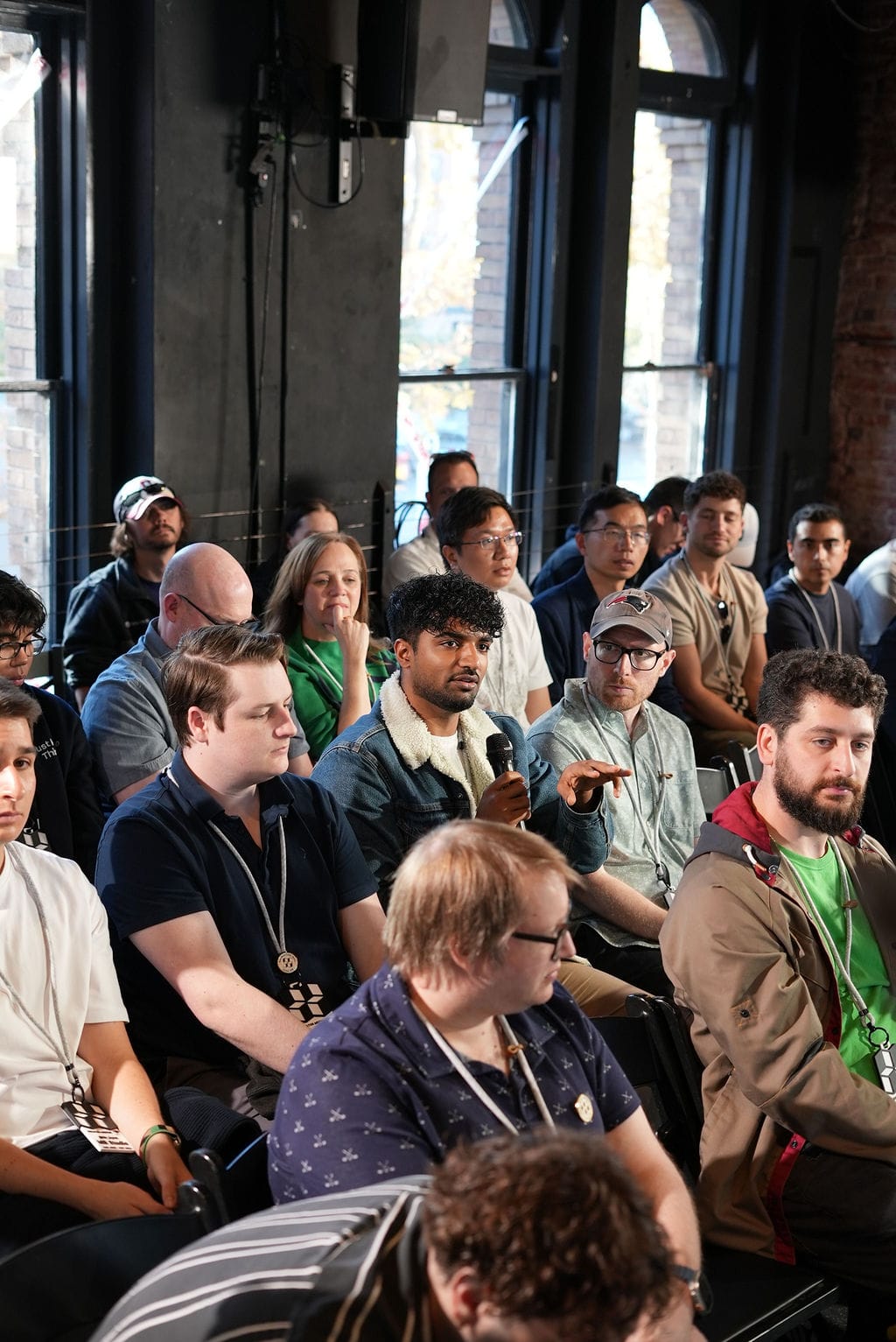
Instead of labels, MakerWorld is developing systems for verifying model quality and detecting AI-generated images. It has also changed its points allocation rules to make mass publishing of low-quality models less rewarding. The team openly acknowledged that distinguishing a real photograph from a render or an AI-generated image is difficult. Recognition tools are already being developed, with further solutions on the way.
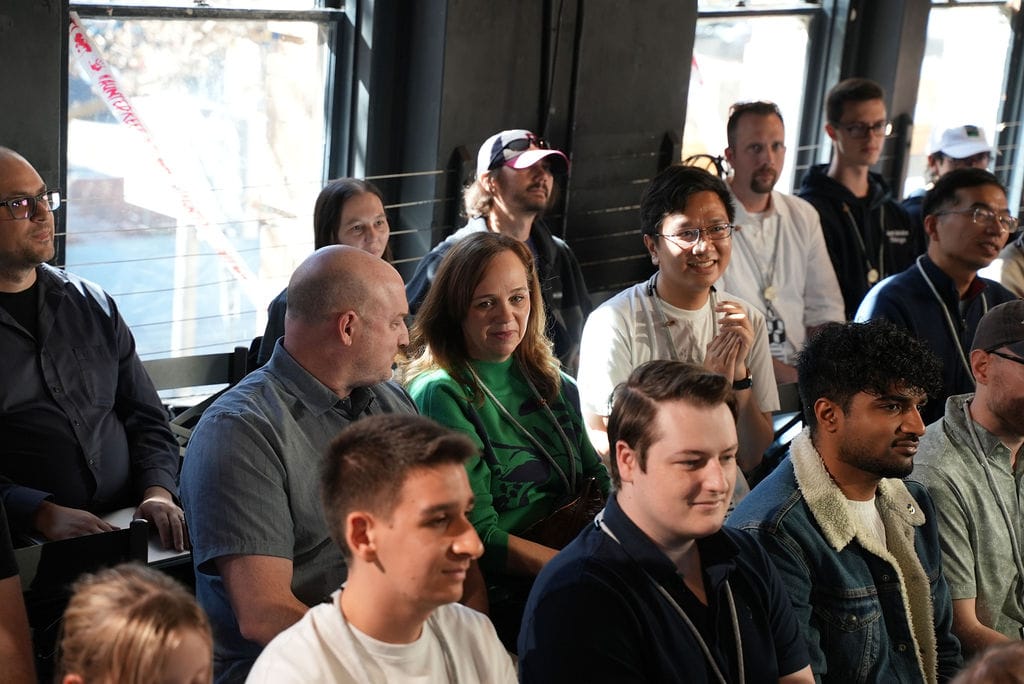
Most of the makers in the room agreed with this approach. AI helps them with research, programming, and everyday project work. One attendee pointed out that nothing in the gaming industry is created entirely from scratch. Another observed that cheap and easily accessible AI is being overused today, consuming enormous amounts of computing power, energy, and water.
Ultimately, the entire discussion came down to the words Dr. Tao had spoken in his opening video message.
When looking at the problem of AI slop, AI itself is not the problem - the slop is.
Everyone agreed that AI is a useful tool, and that the direction the platform and makers should collectively pursue is eliminating or reducing the derivative content that adds no real value to the creative community.
Awards and Prize Draws
Throughout the afternoon, breaks were filled with prize draws. Bambu Lab printer bundles went to lucky creators, including the X2D Combo, P2S Combo, and A2L Combo. Six winners were selected in total.
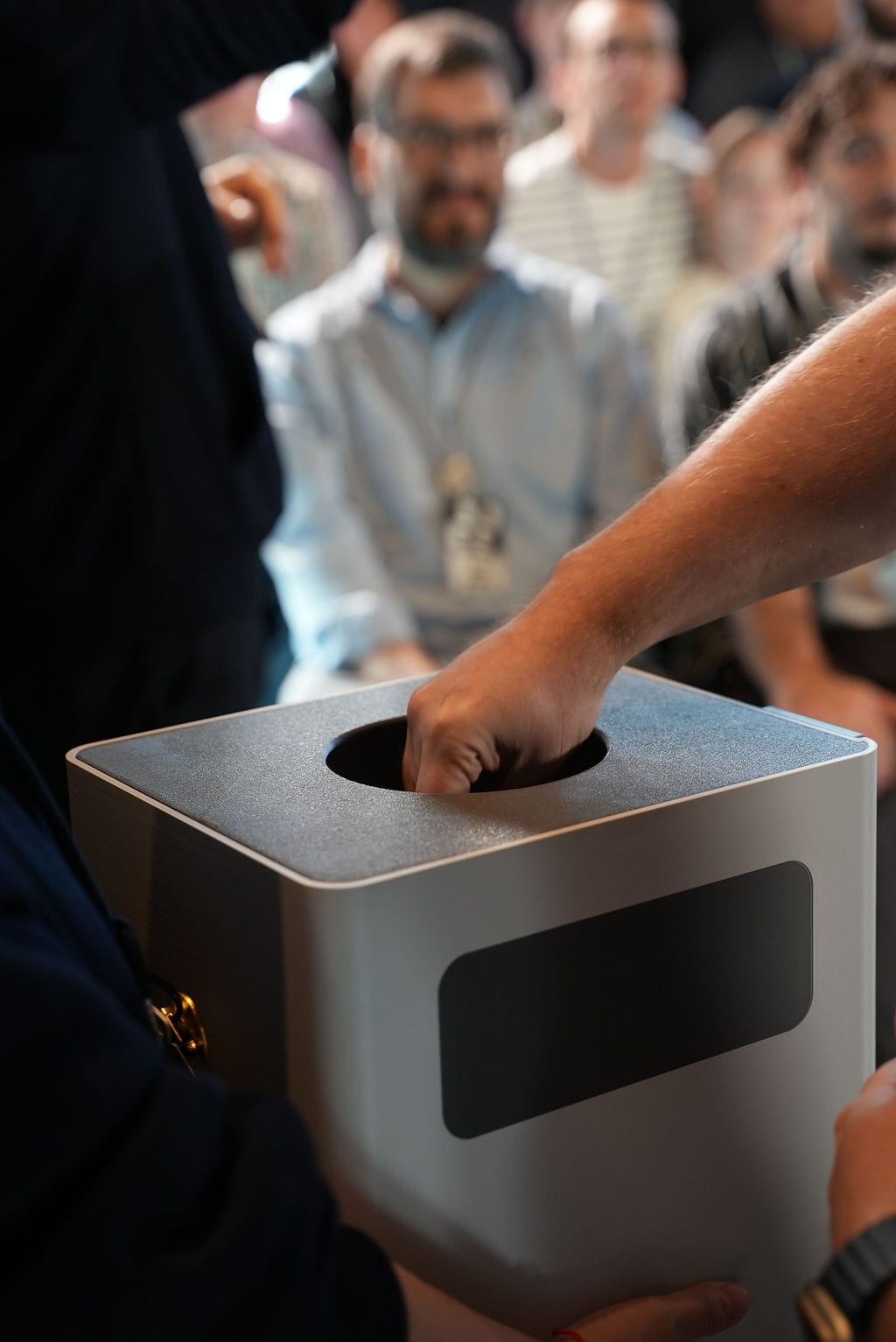
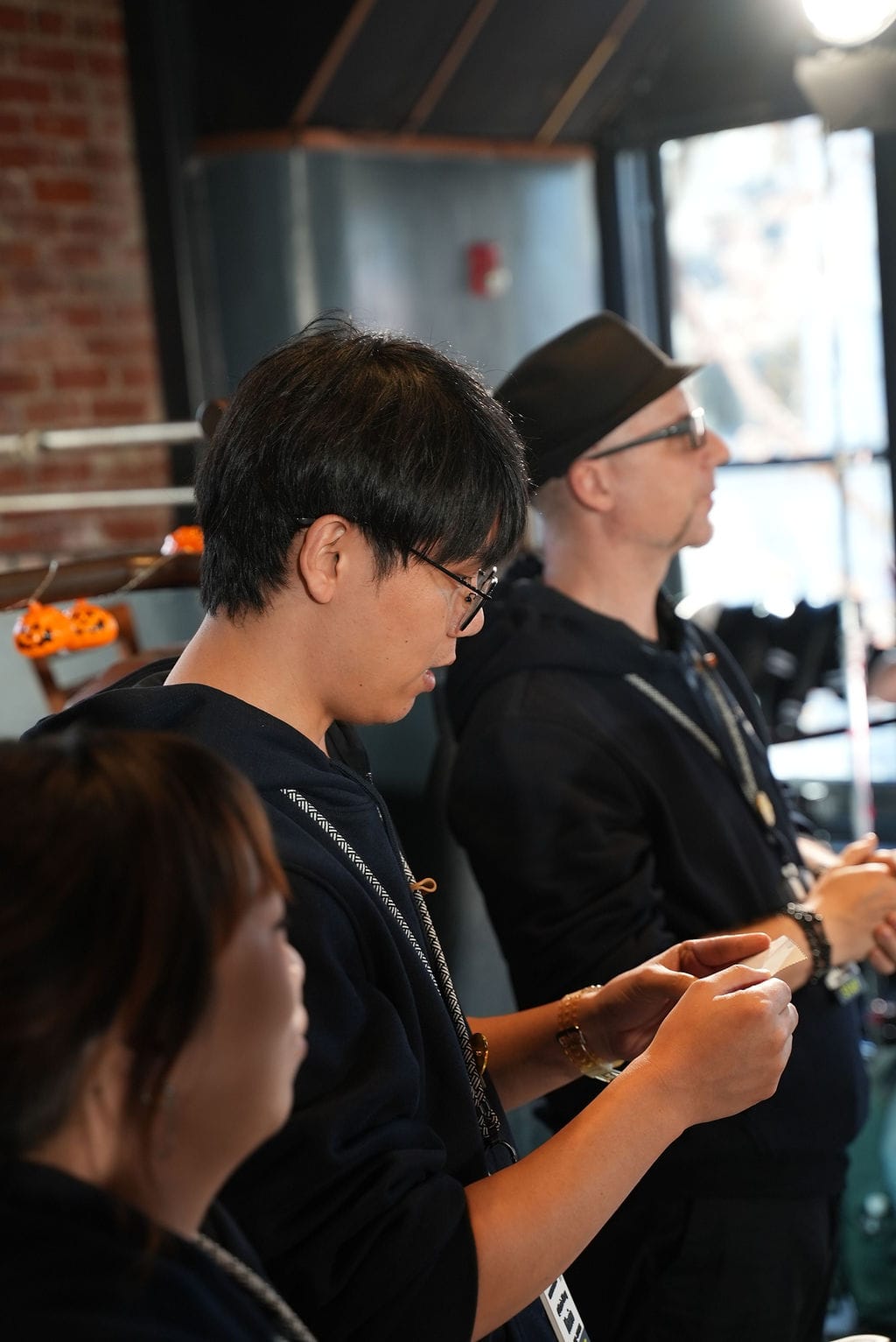
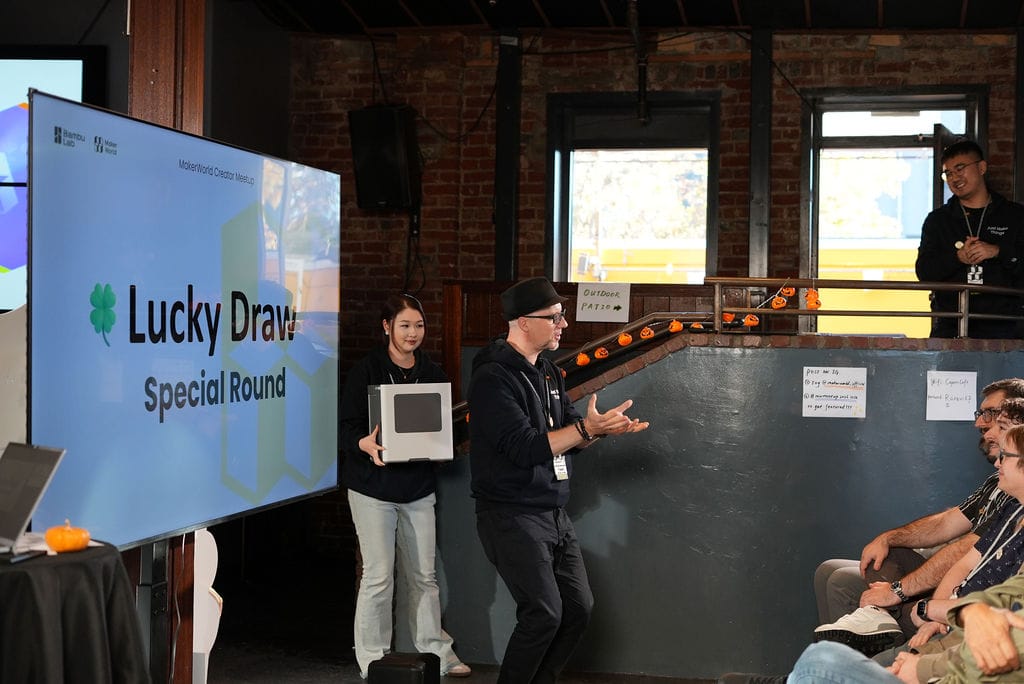
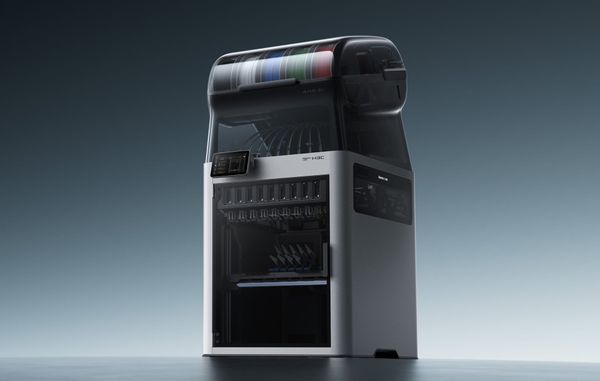
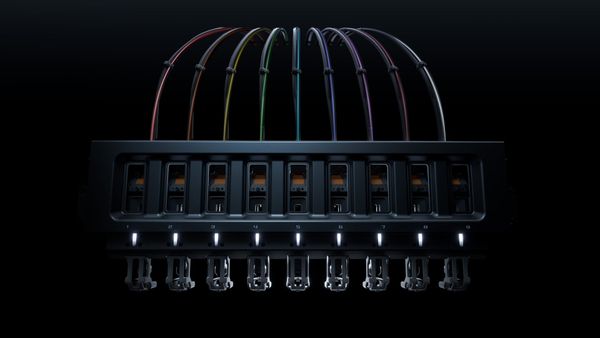
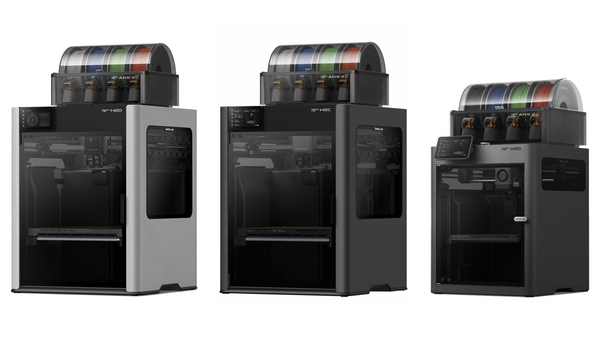
But the biggest excitement came with the final draw, where the prize was the newly launched H3C - a multitool with nine tools!
Then came the main awards ceremony.
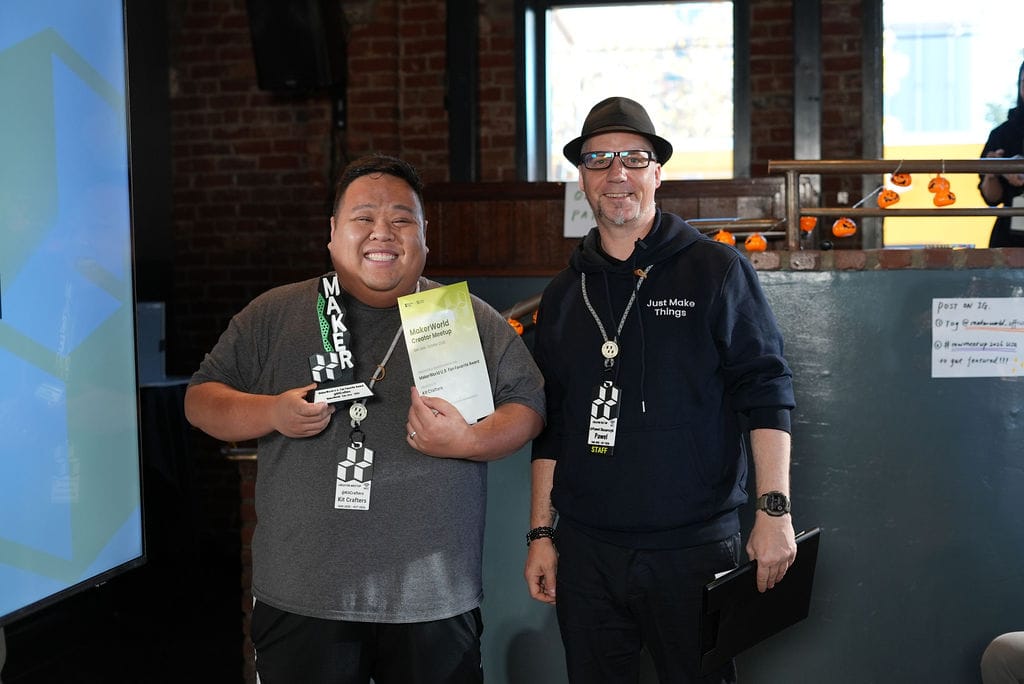
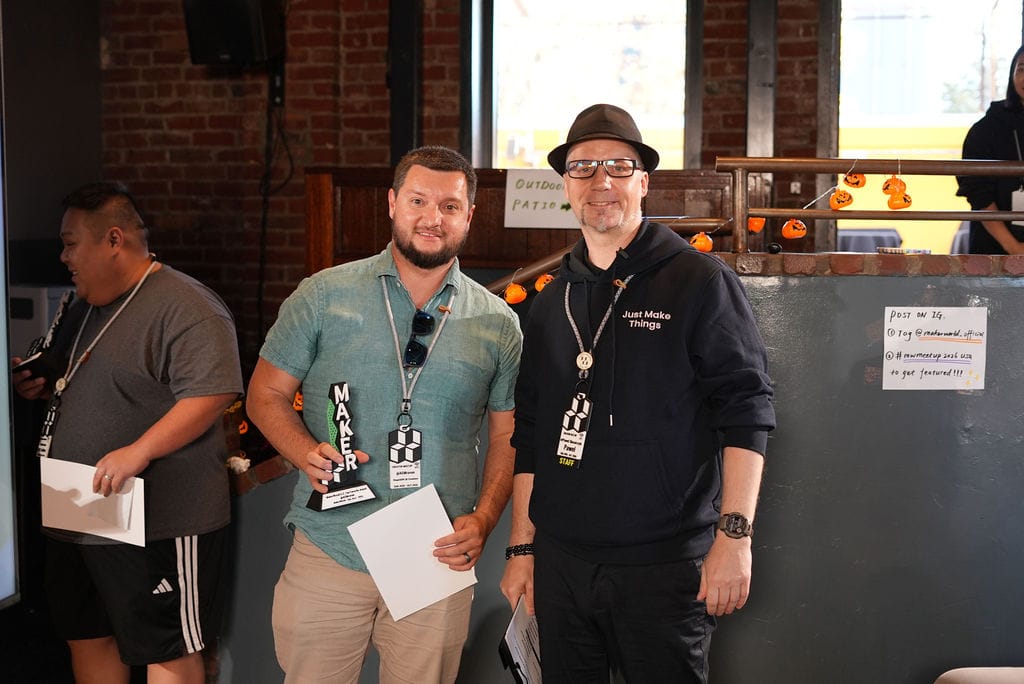
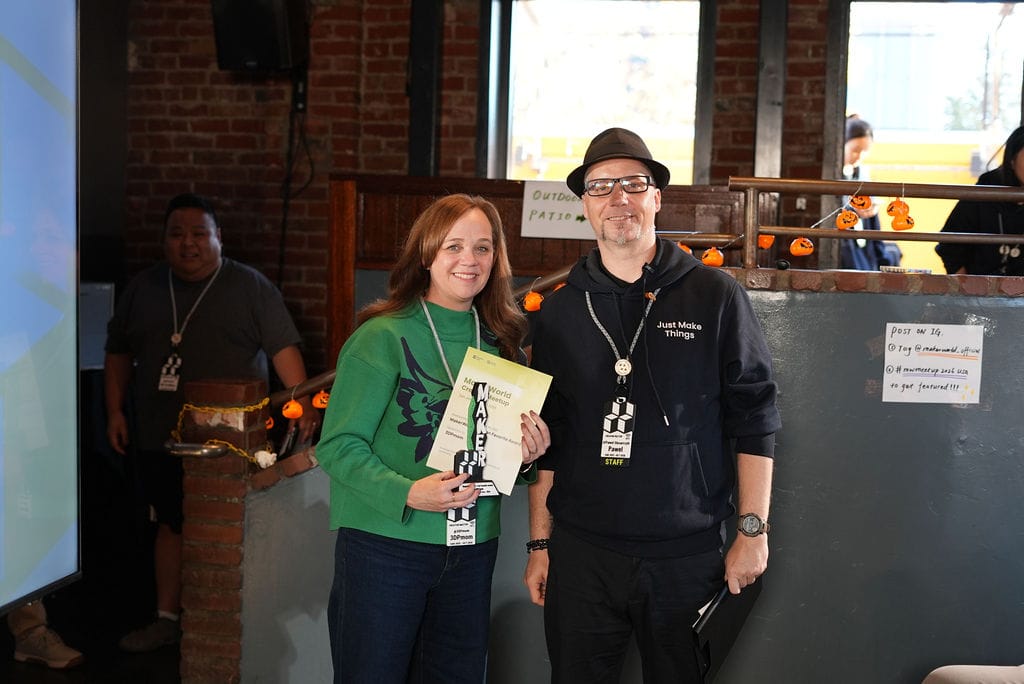
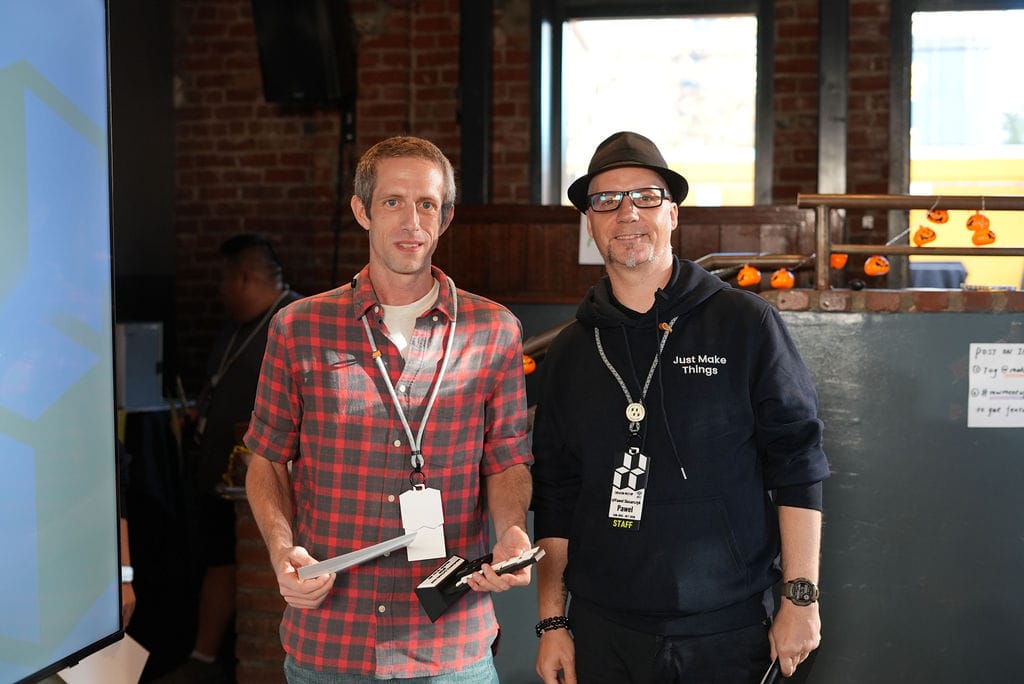
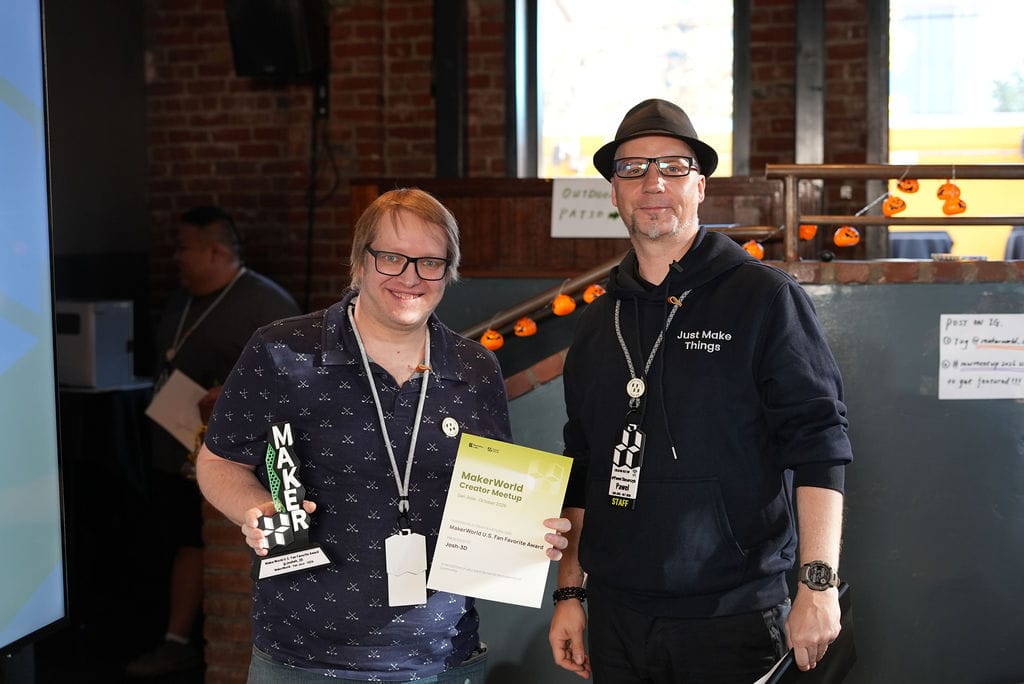
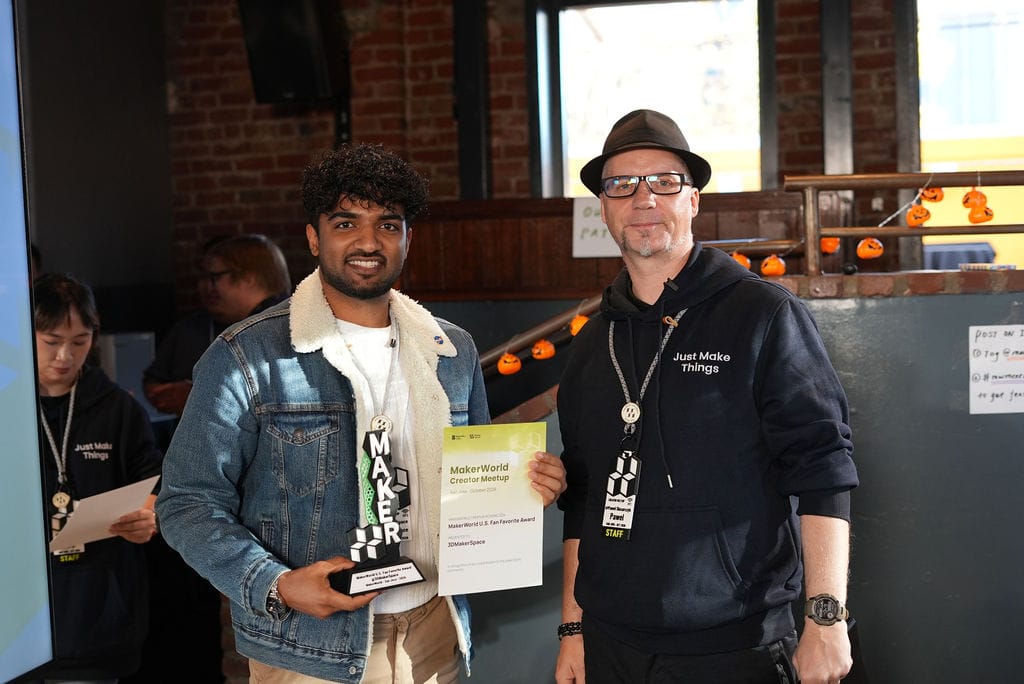
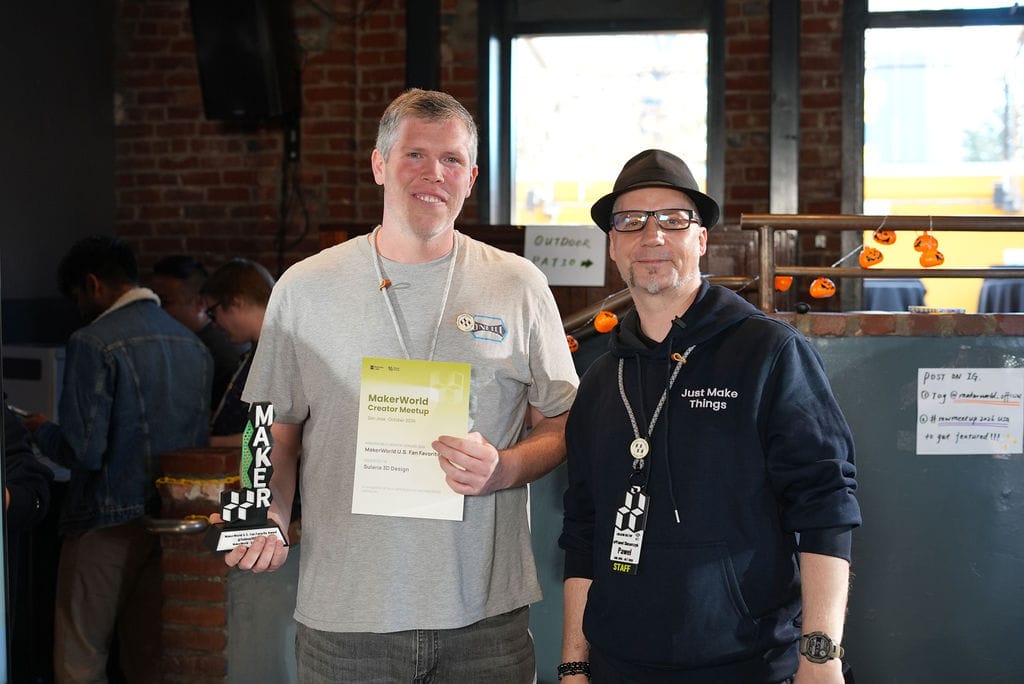
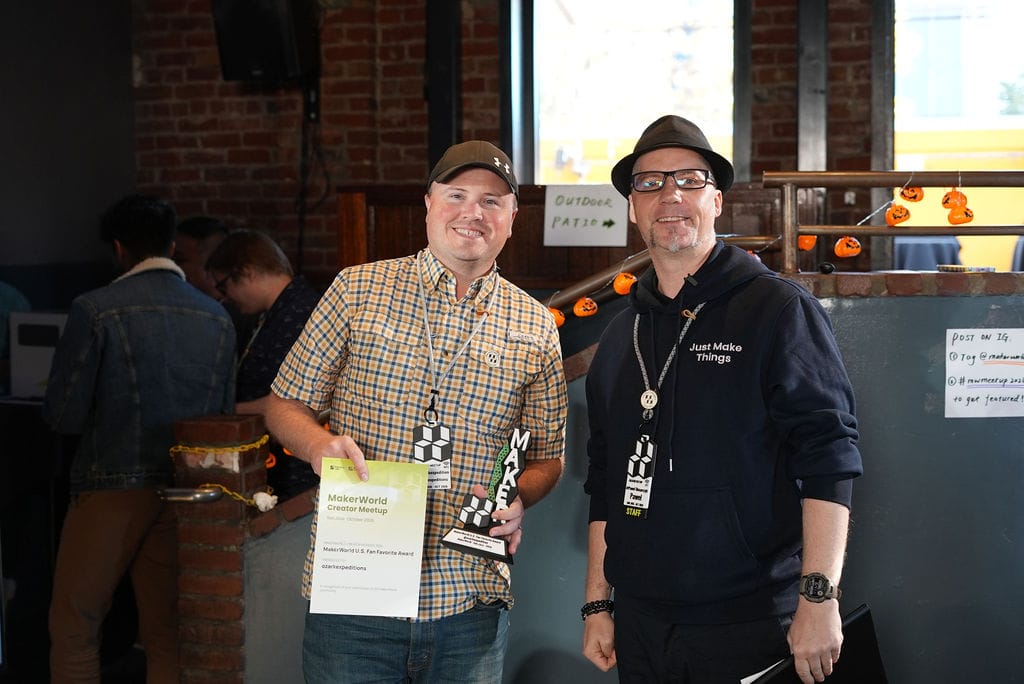
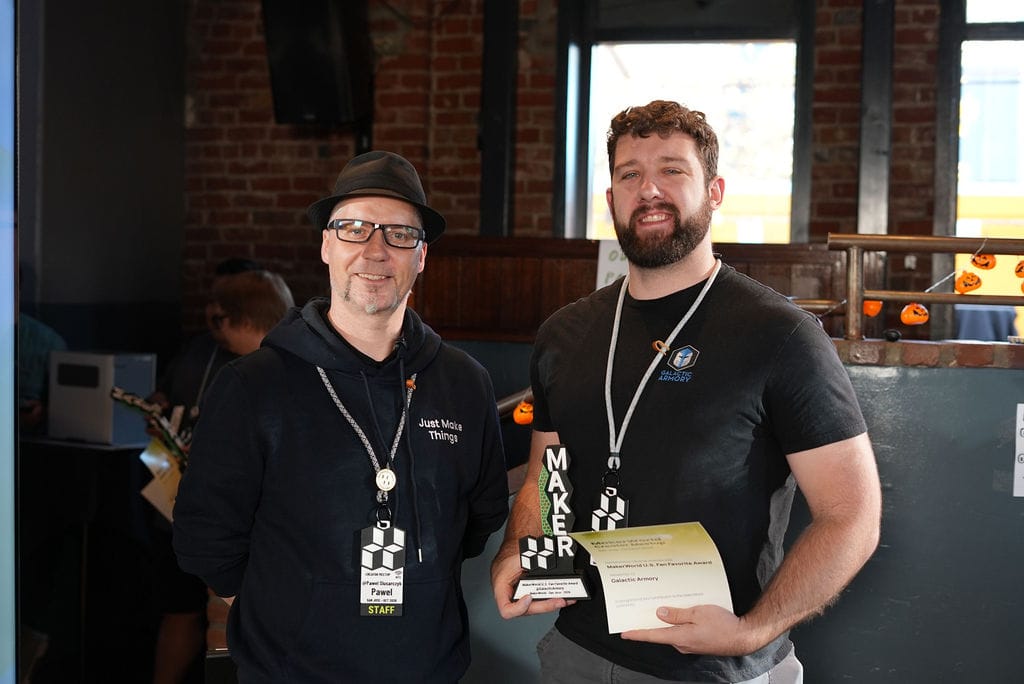
MakerWorld U.S. Fan Favorite Award
The awards went to creators whose models are most loved and most downloaded by users. Here are the winners:
- ShapeShift 3D Creations
- 3DPmom
- TheHexArtist
- Josh-3D
- Kit Crafters
- Galactic Armory
- Fletch
- 3DMakerSpace
- Sulena 3D Design
- ozarkexpeditions
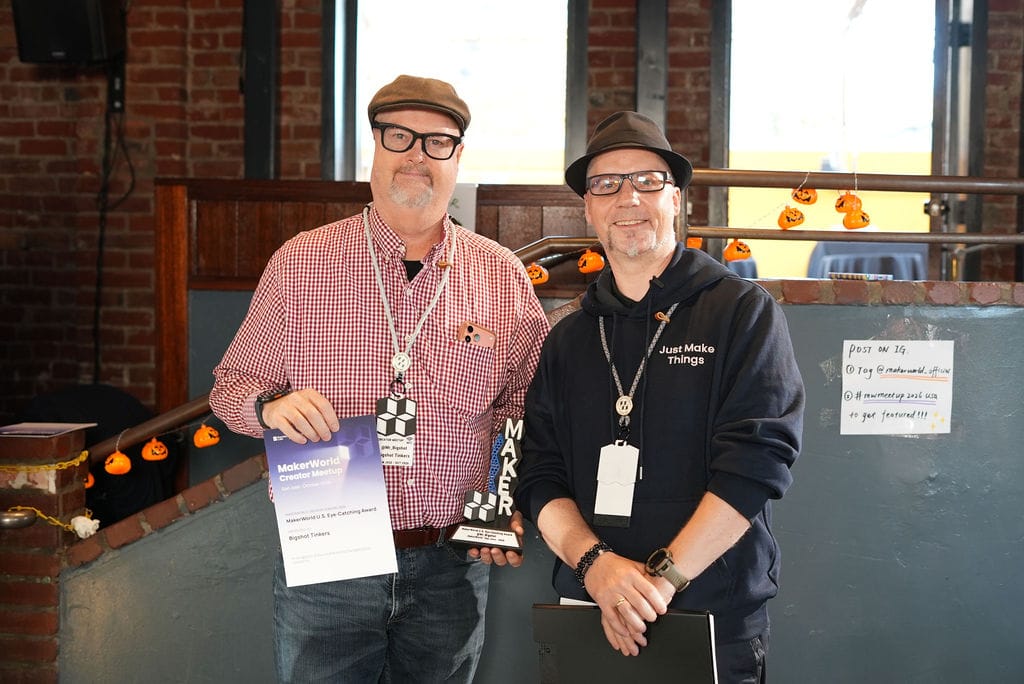
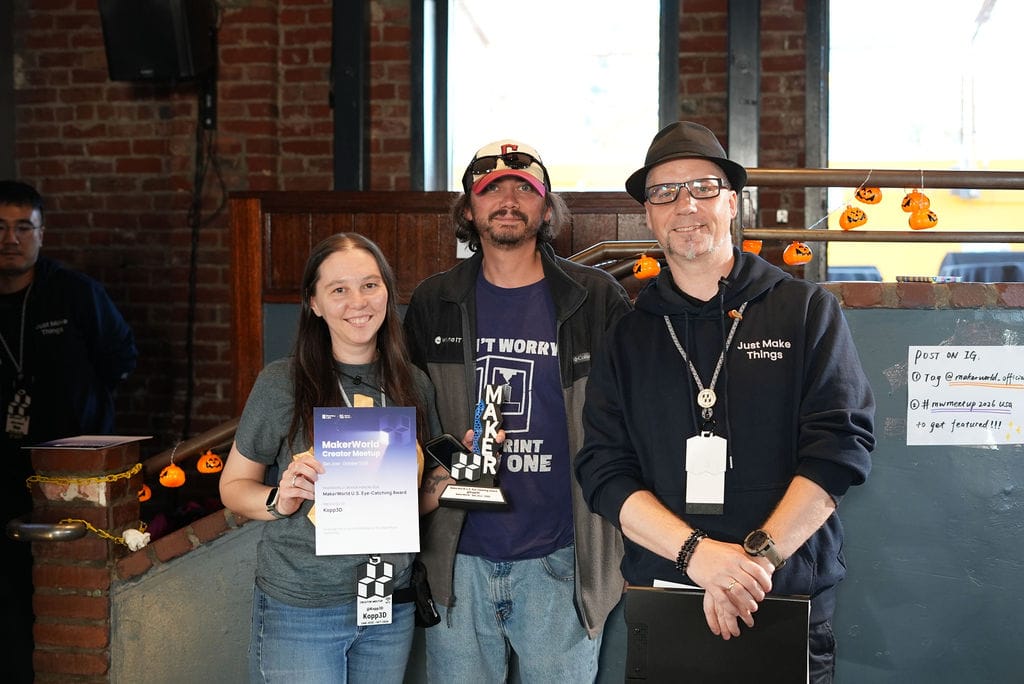
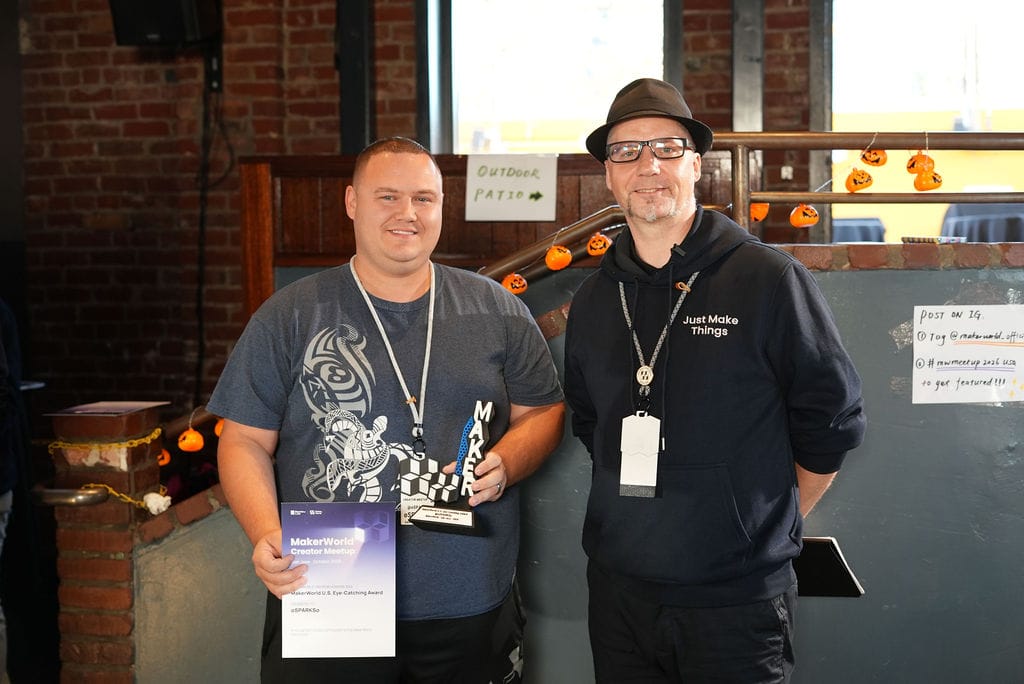
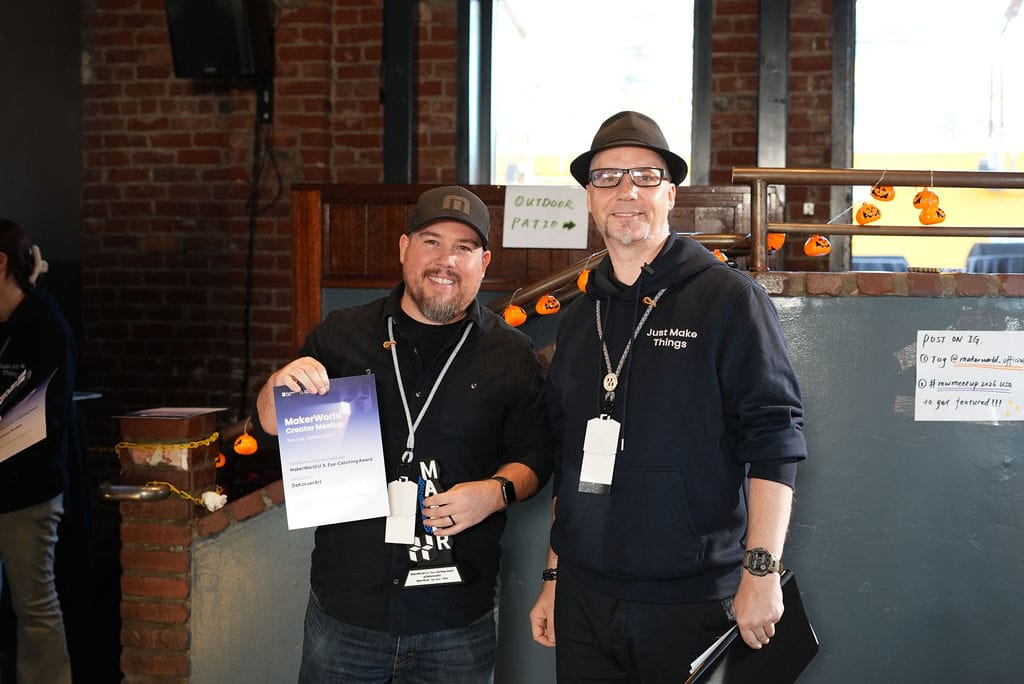
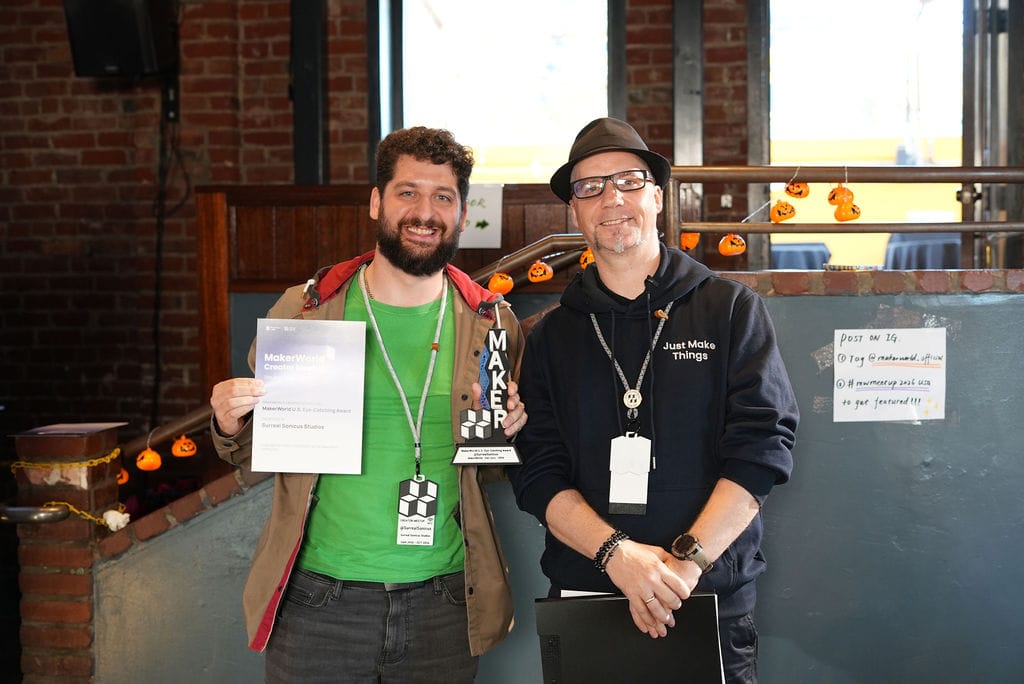
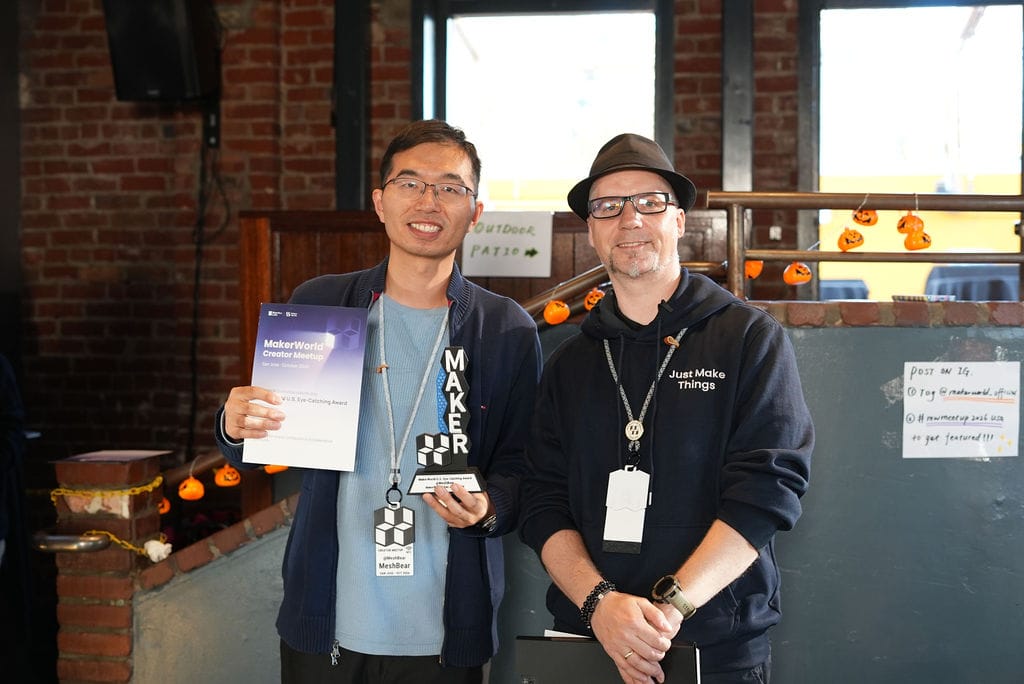
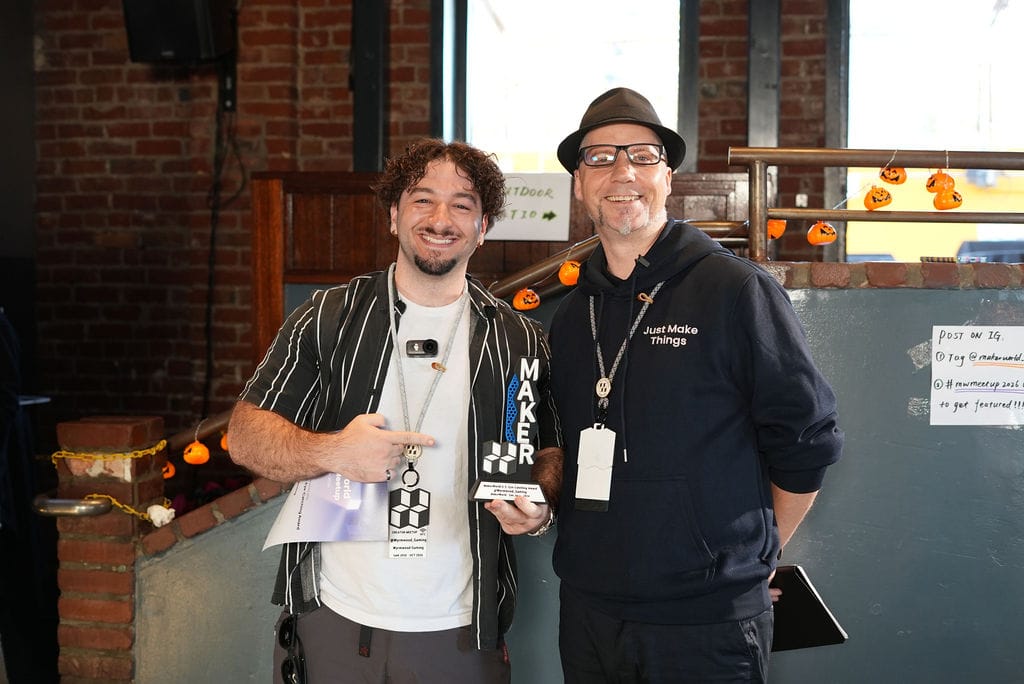
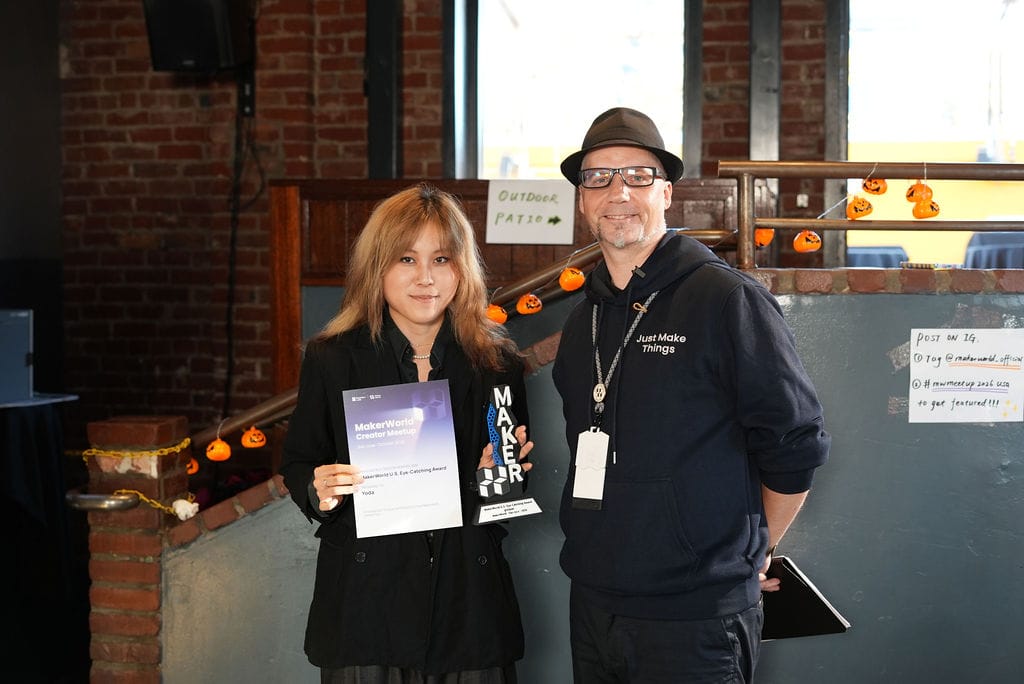
MakerWorld U.S. Eye-Catching Award
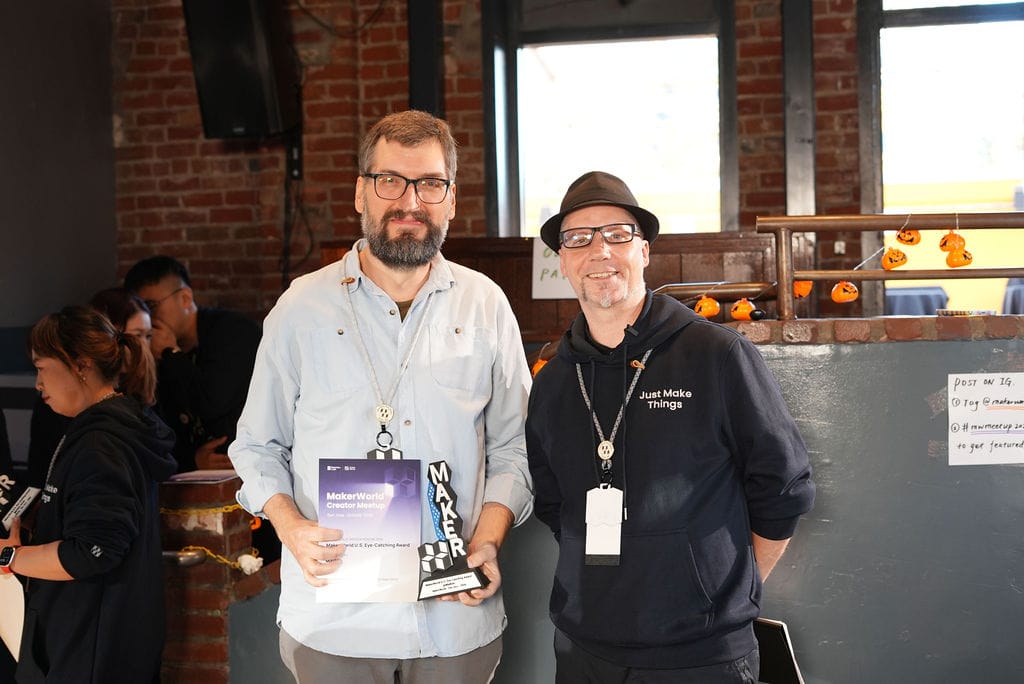
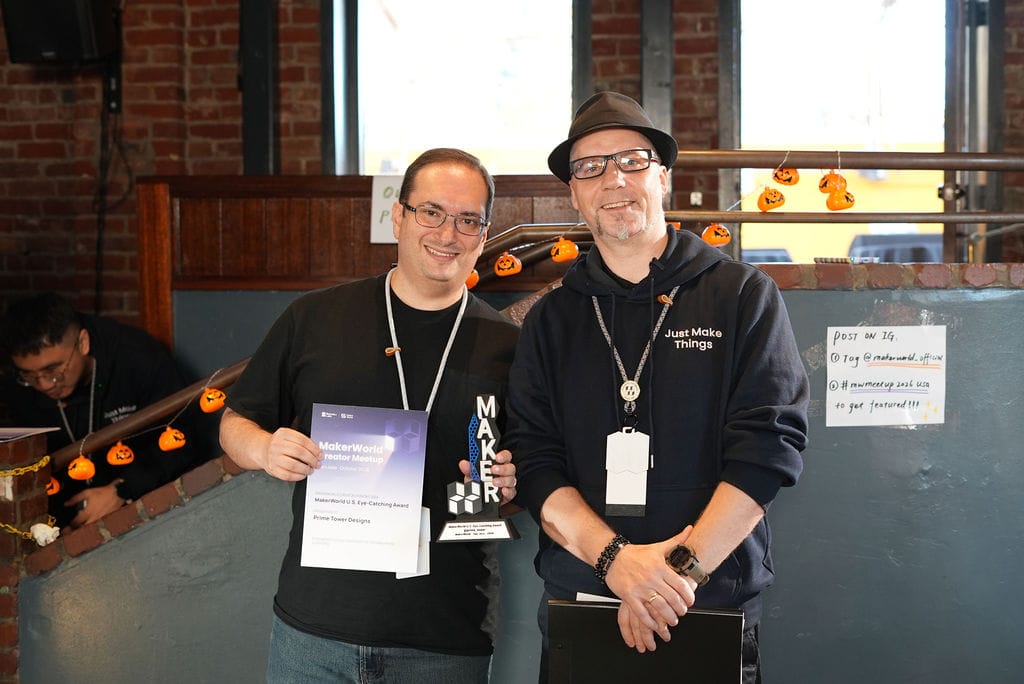
The awards recognized creators of one-of-a-kind models you simply can't scroll past. Here are the winners:
- oSPARKSo
- Bigshot Tinkers
- Prime Tower Designs
- DeKorverArt
- Wyrmwood Gaming
- MeshBear
- Surreal Sonicus Studios
- MaKim
- Kopp3D
- Yoda
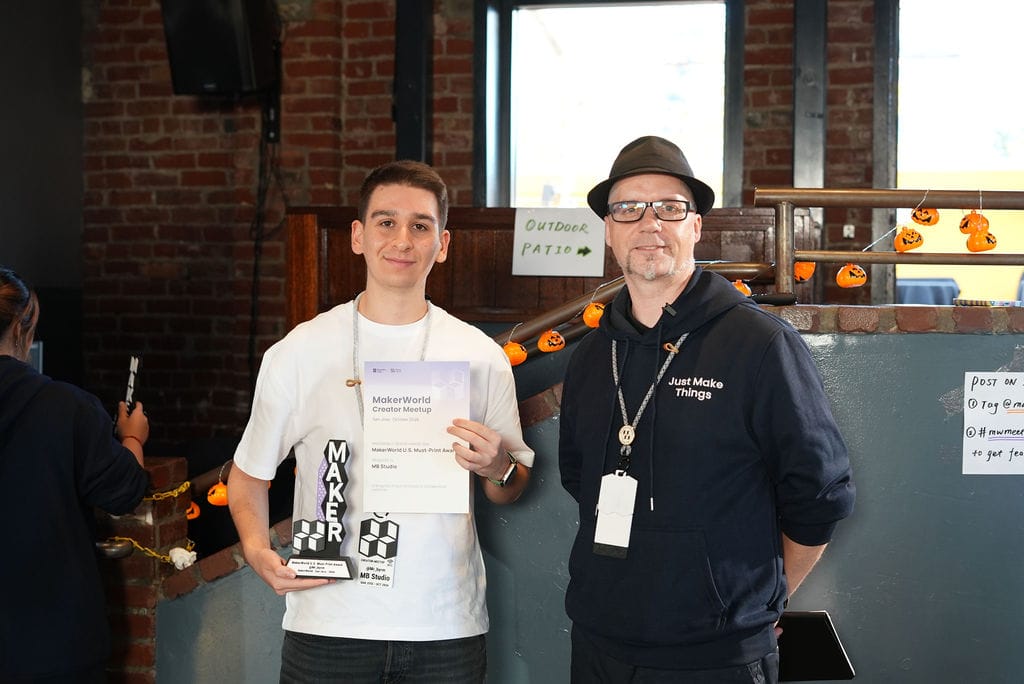
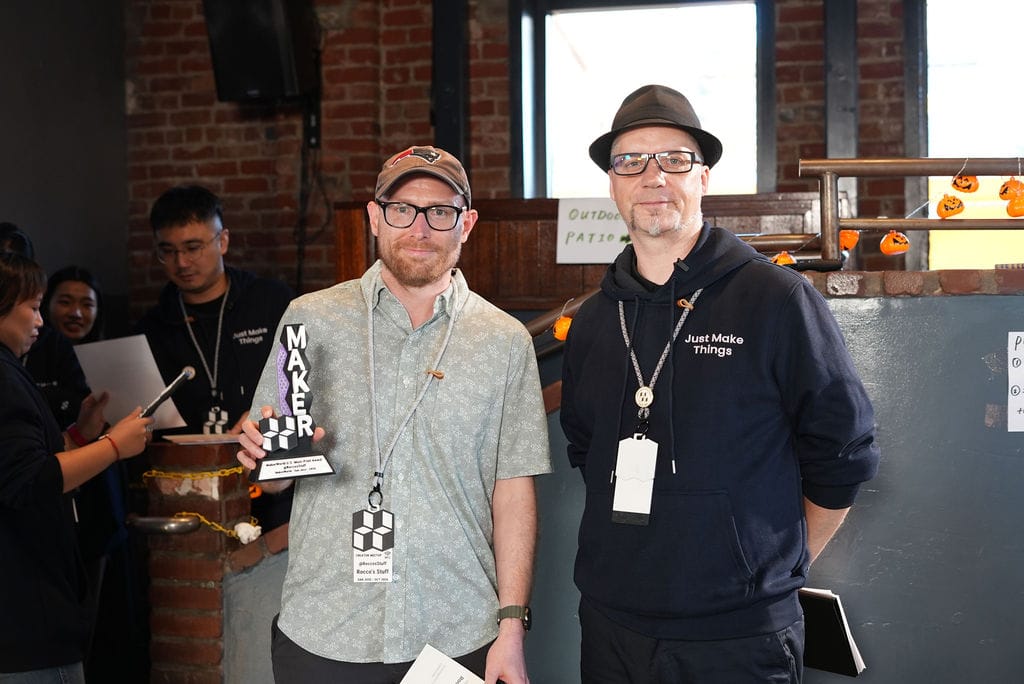
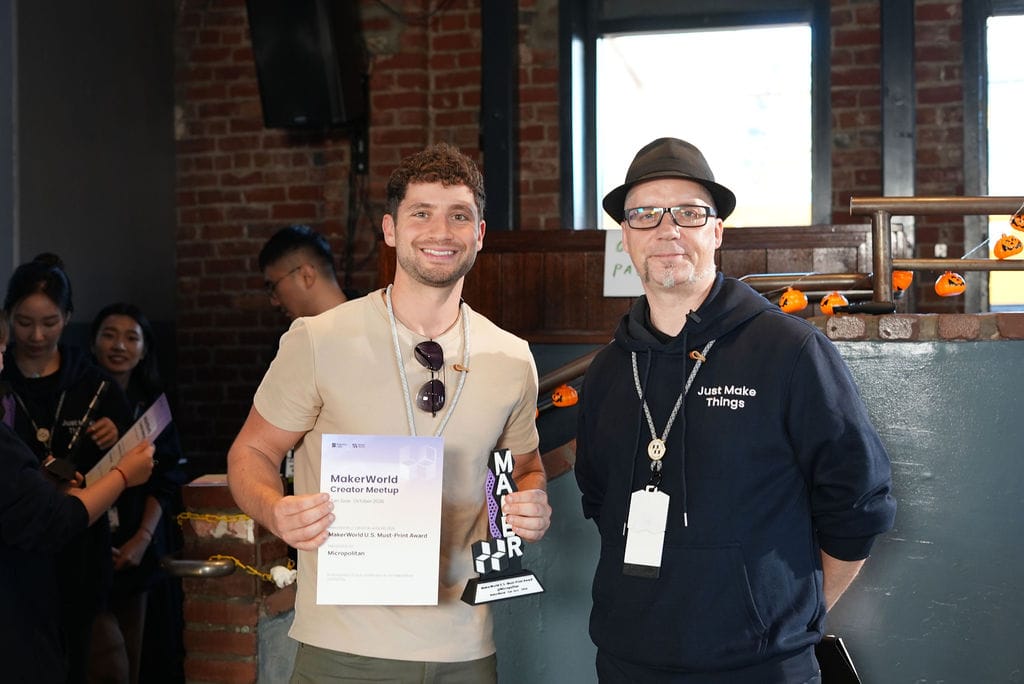
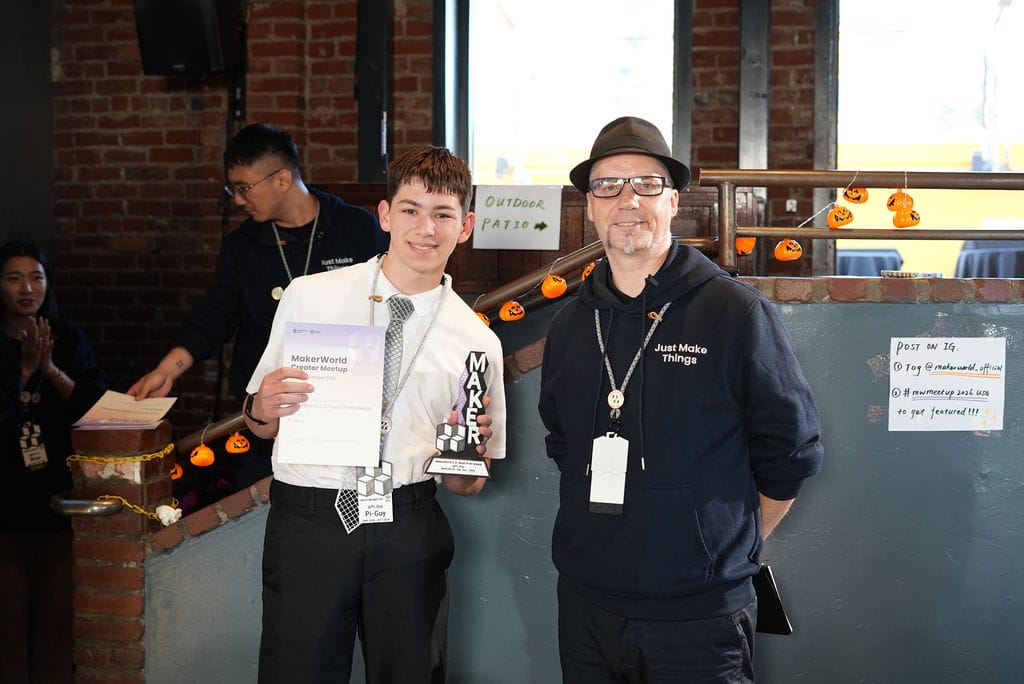
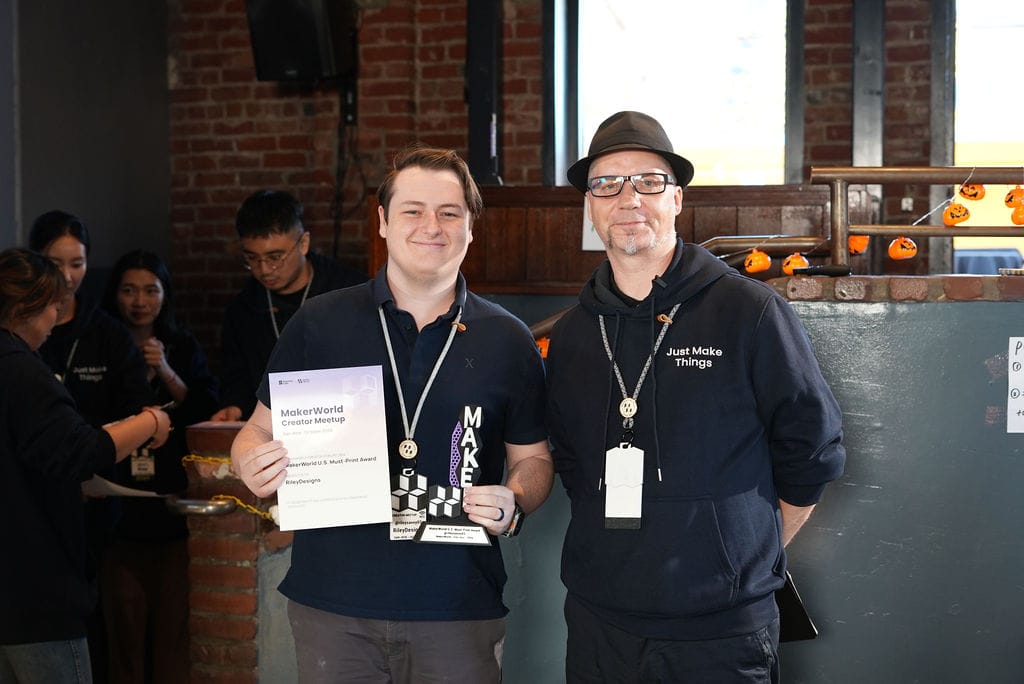
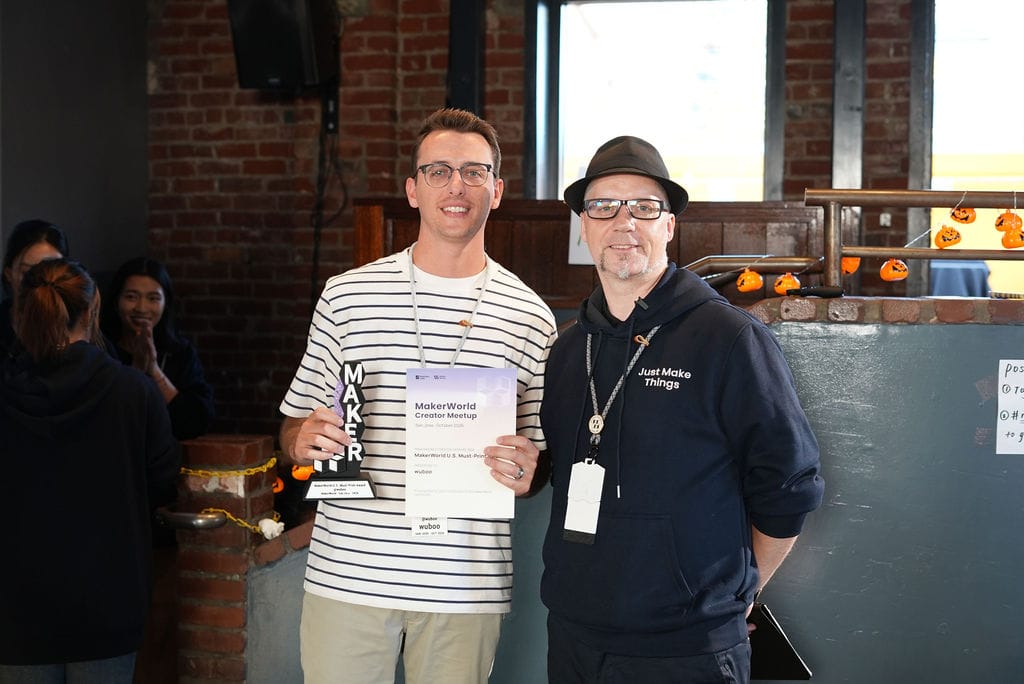
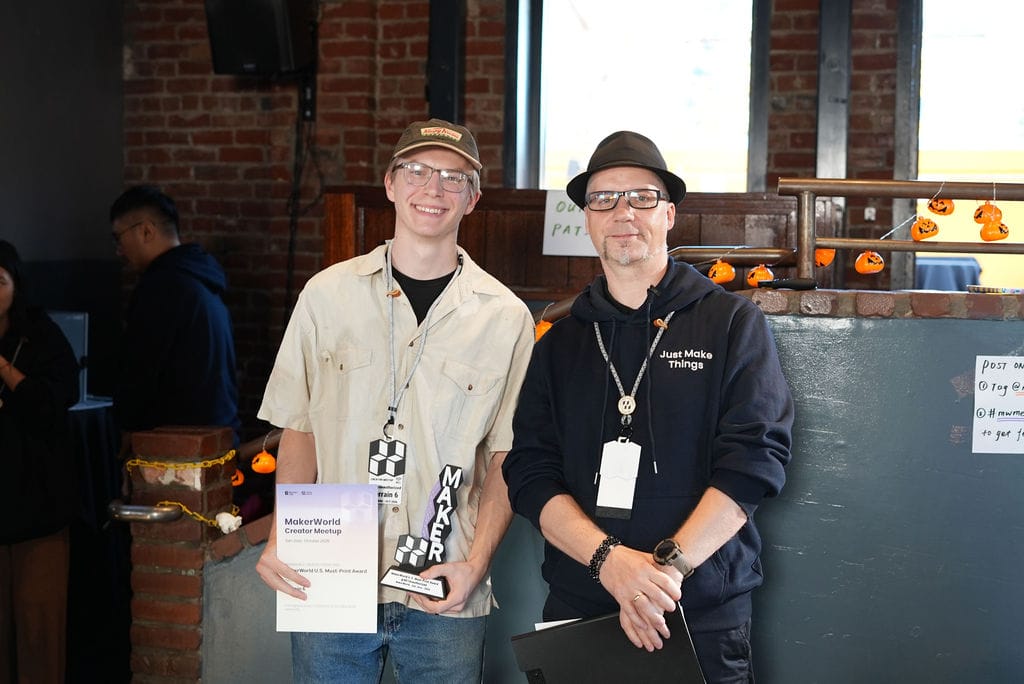
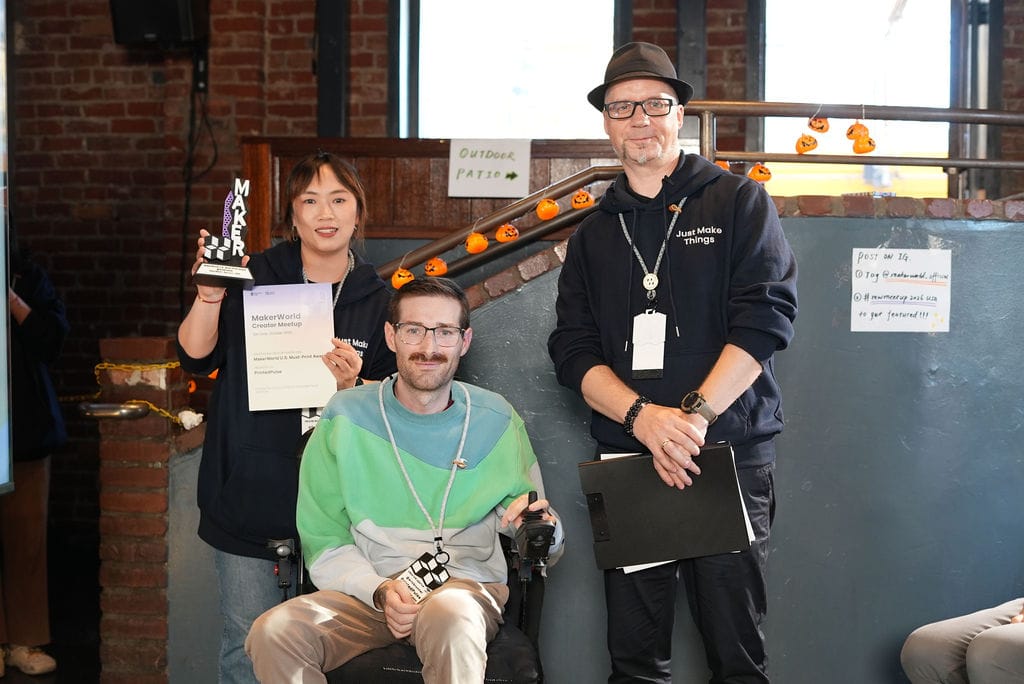
MakerWorld U.S. Must-Print Award
The awards went to creators of practical, go-to models that people keep printing and using.
- MB Studio
- PrintedPulse
- Micropolitan
- Sugarpaws3d
- Rocco’s Stuff
- Wuboo
- Whopper Printing
- Procs Design
- RileyDesigns
- PiGuy
- Terrain 6
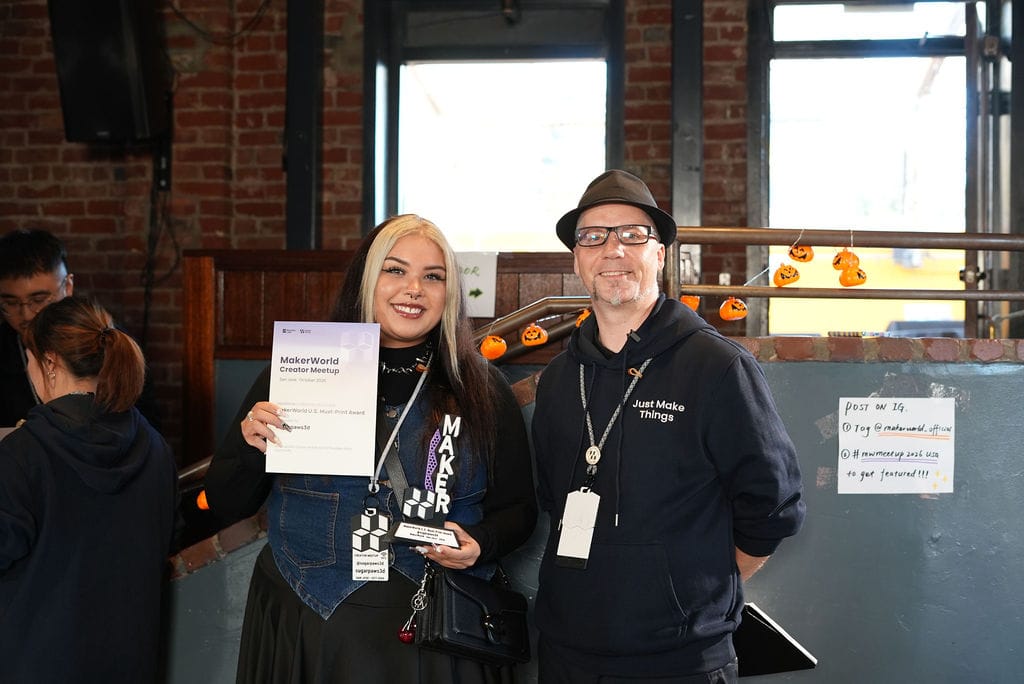
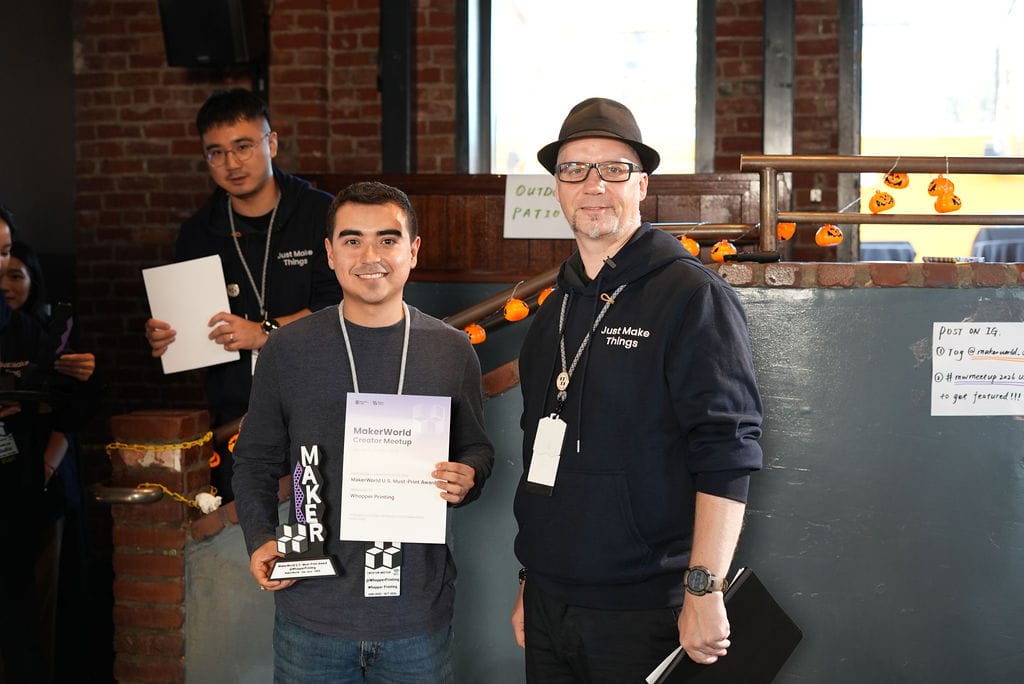
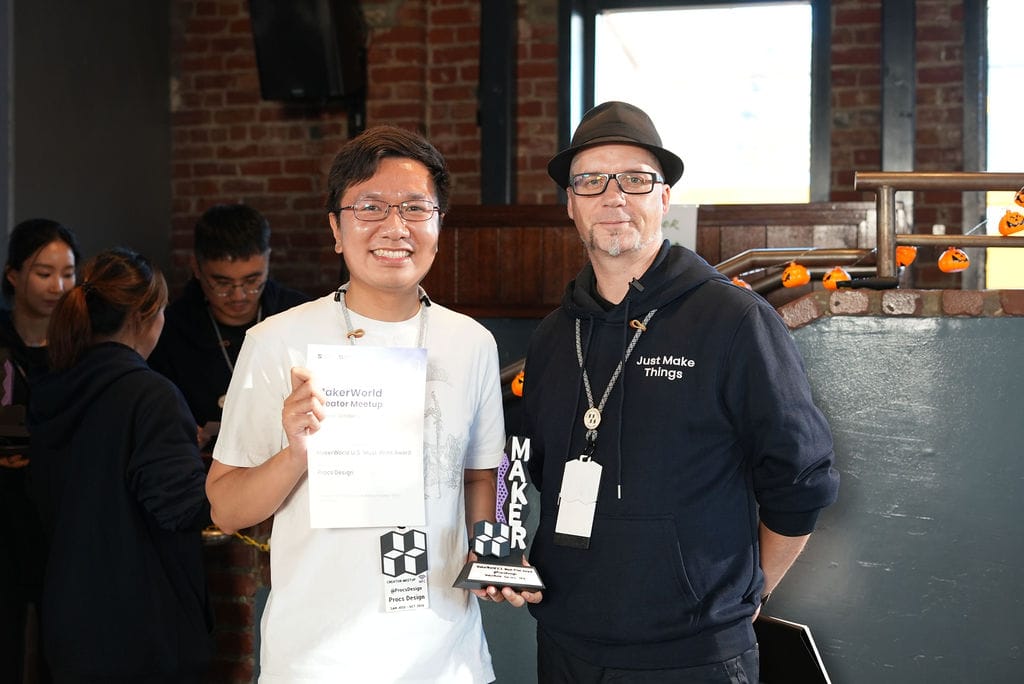
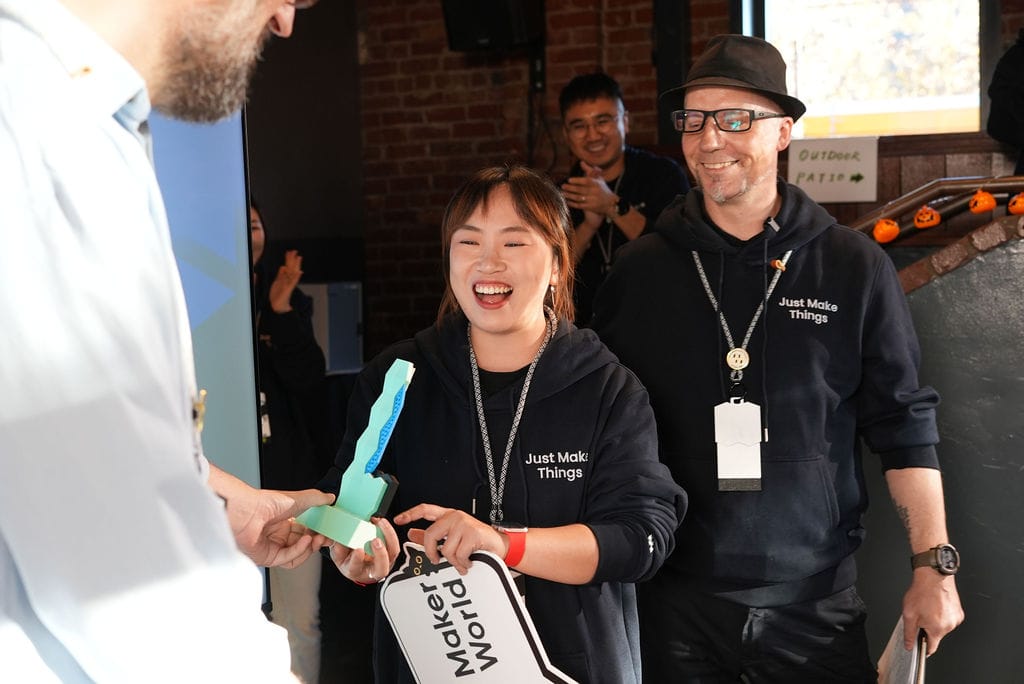
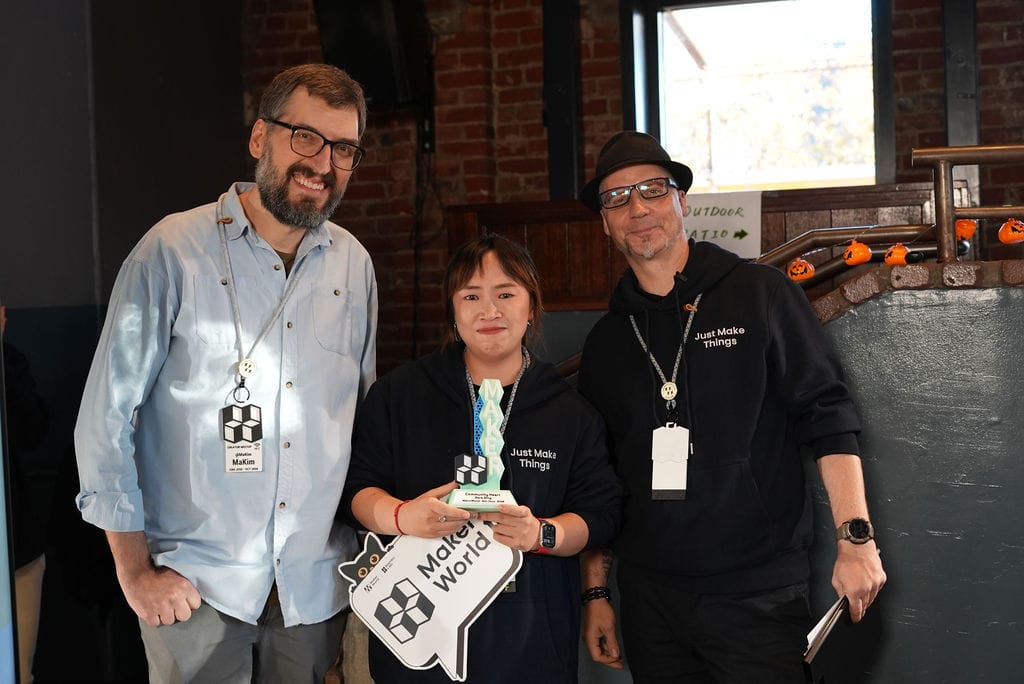
Finally, a special award was presented to Dora Ding (Creator Operations), the event's lead organizer, in recognition of her long-standing support for the creator community.
What San Jose leaves behind
A few concrete takeaways stood out from the day.Designing models for MakerWorld is increasingly becoming more than just a hobby. For some creators, it is turning into a profession backed by real money: from incentive programs, crowdfunding, licensing, and soon, sales of physical prints through MakerMarket.
Creators also received confirmation that their designs are being protected and that content quality on the platform matters and will be actively monitored.
Perhaps more important, however, was something that cannot be measured. People who had been commenting on one another's models for months finally got to talk face to face. Their ideas for improving the platform were delivered directly to the team responsible for developing it.
MakerWorld has plenty of next steps ahead: expanding Maker Market and its print farm network, organizing more contests, and hosting further community events.
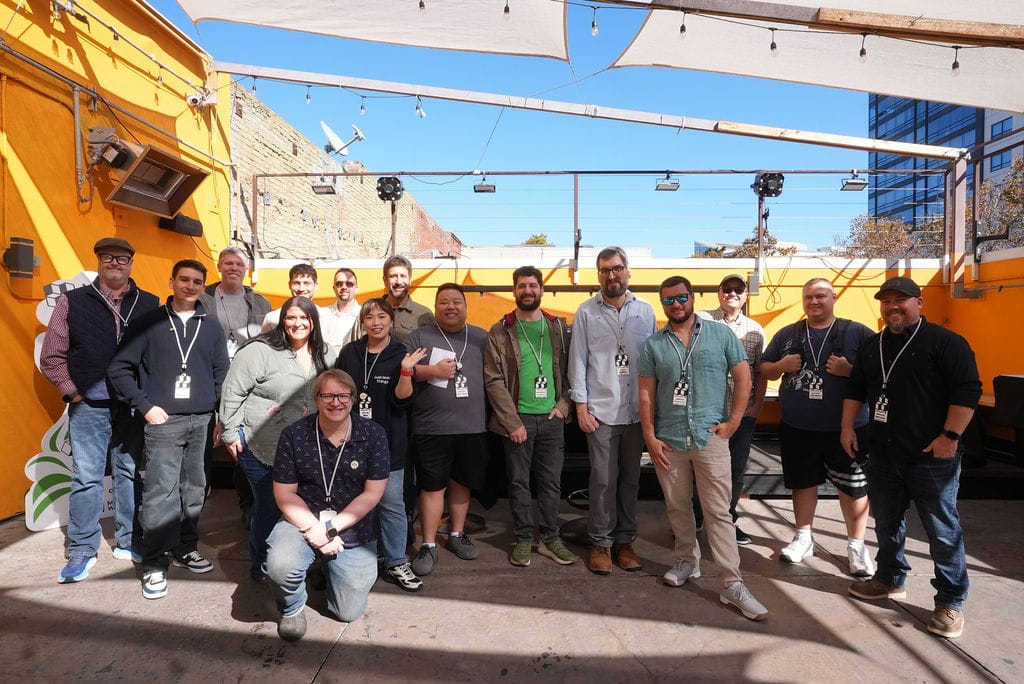
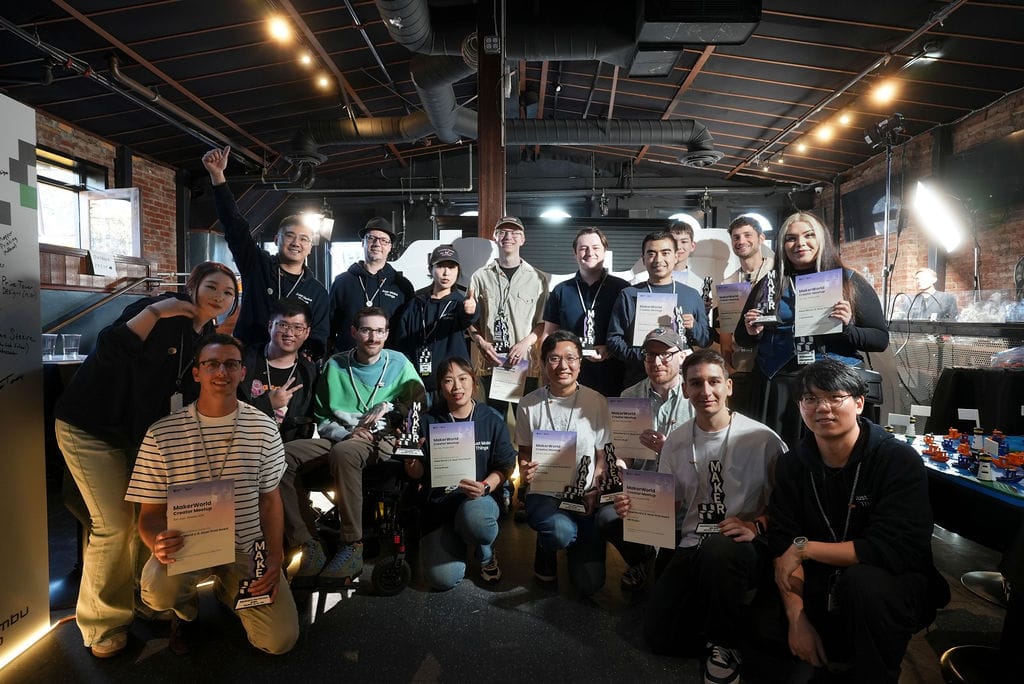
The day ended with a group photo, a song performed together, and dinner for the creators. Conversations around the tables continued long after the final award had been presented.