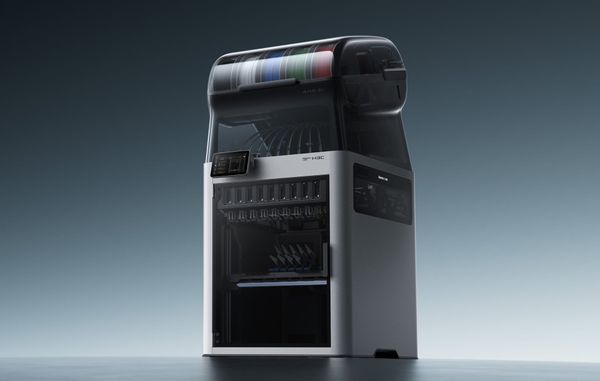
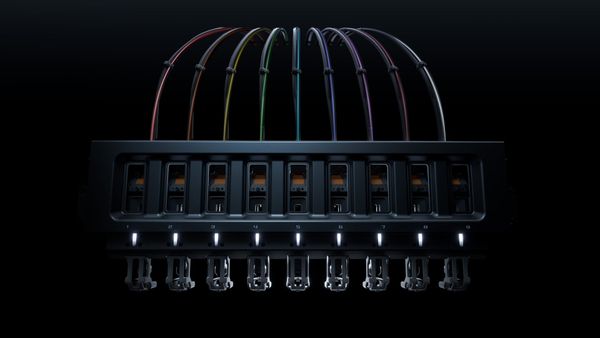
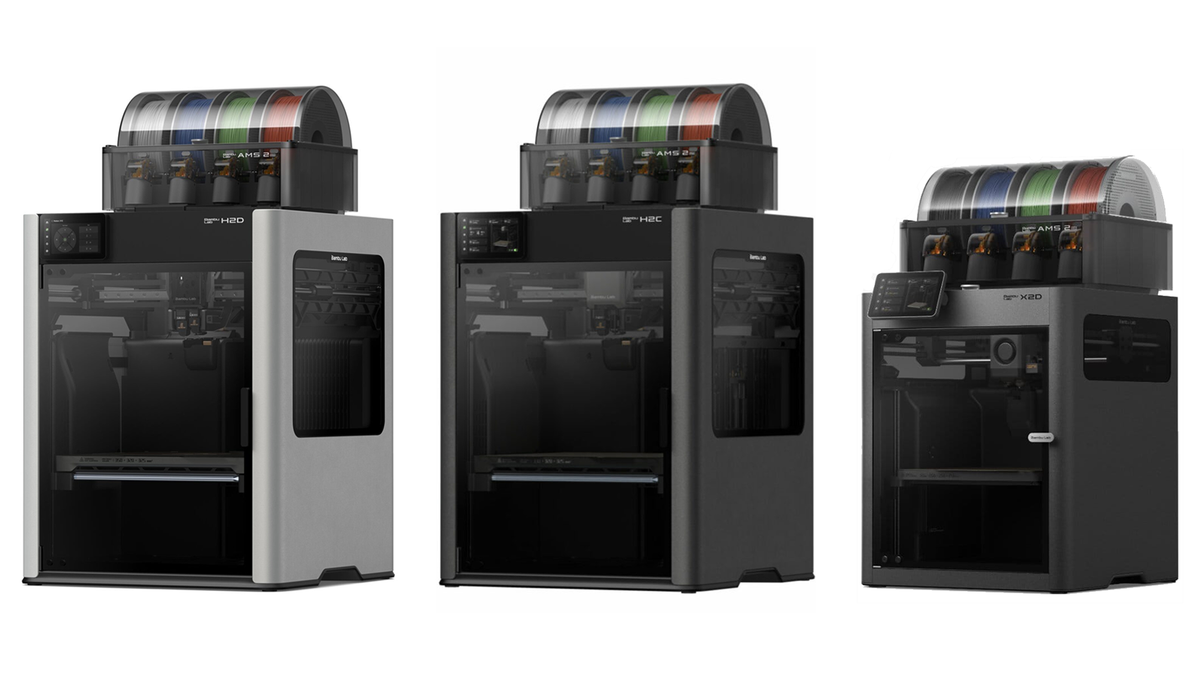
H2D, H2C and X2D will support hybrid printing with multi-orifice nozzles
The launch of H3C also means an important upgrade for other multi-nozzle printers

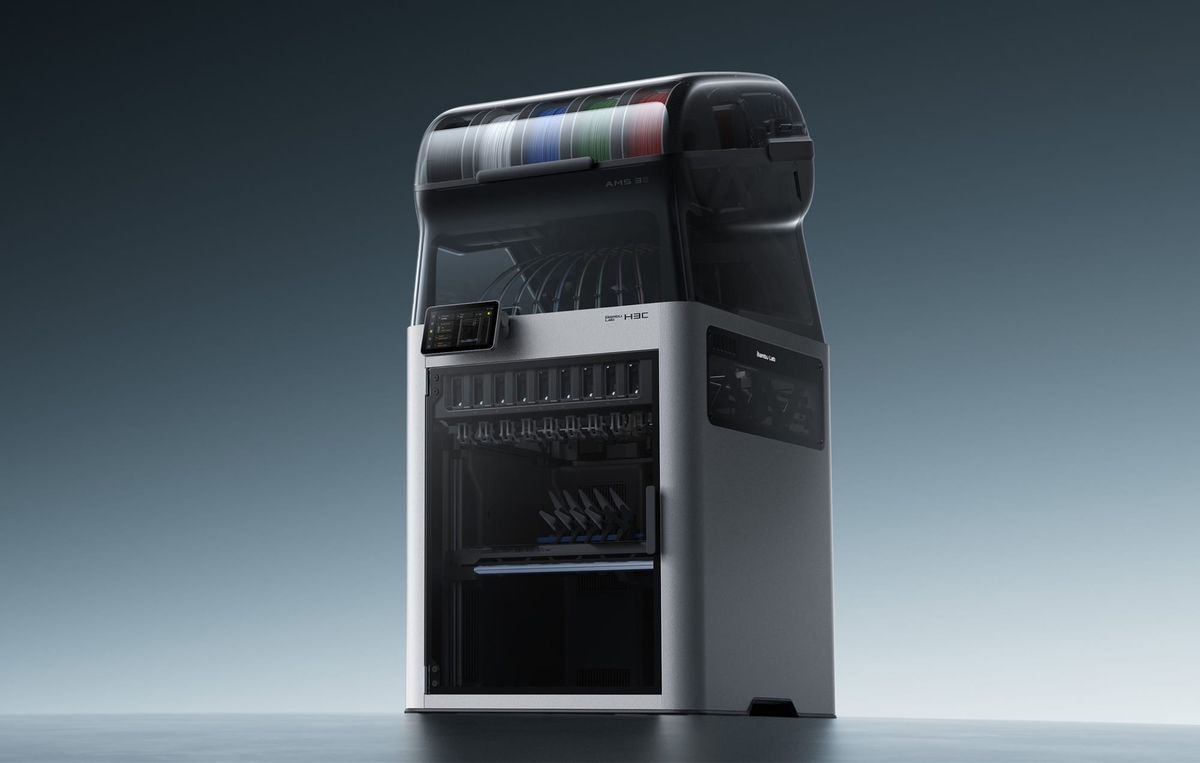
With the launch of H3C, our new printer introducing multi-material printing capabilities, we’re not only opening a new chapter in our product portfolio but also bringing exciting news to users of our existing multi-nozzle printing models.
While developing H3C, we are also developing multi-orifice nozzle printing functionality for H2D, H2C, and X2D models. We enable the use of nozzles with different orifice sizes on a single printed part, balancing detail and printing speed.
Estimated software update timeline
If no filament track switch is installed:
- H2D: November 2026
- H2C: February 2027
- X2D: February 2027
If using a filament track switch:
- H2D: February 2027
- H2C: March 2027
- X2D: March 2027
This is a low-level adaptation project. Since the AMS solutions of these models are different from those of H3C, it is necessary to adapt the slicing logic and printing parameters for more combinations of consumables and nozzles.
The complexity will further increase when paired with a filament track switch, so the support timeline for each model and each scenario will vary.
We will step up development and keep you updated on the progress in a timely manner. Thank you for your patience and support.
Go deeper:
 Bambu Lab
 Bambu Lab
 Bambu Lab