Introducing Bambu Lab PLA Pure: a filament made for printing where you live
PLA Pure is a filament engineered for cleaner, safer home 3D printing, with every ingredient certified compliant with EU 10/2011 - the European regulation governing plastics intended for food contact

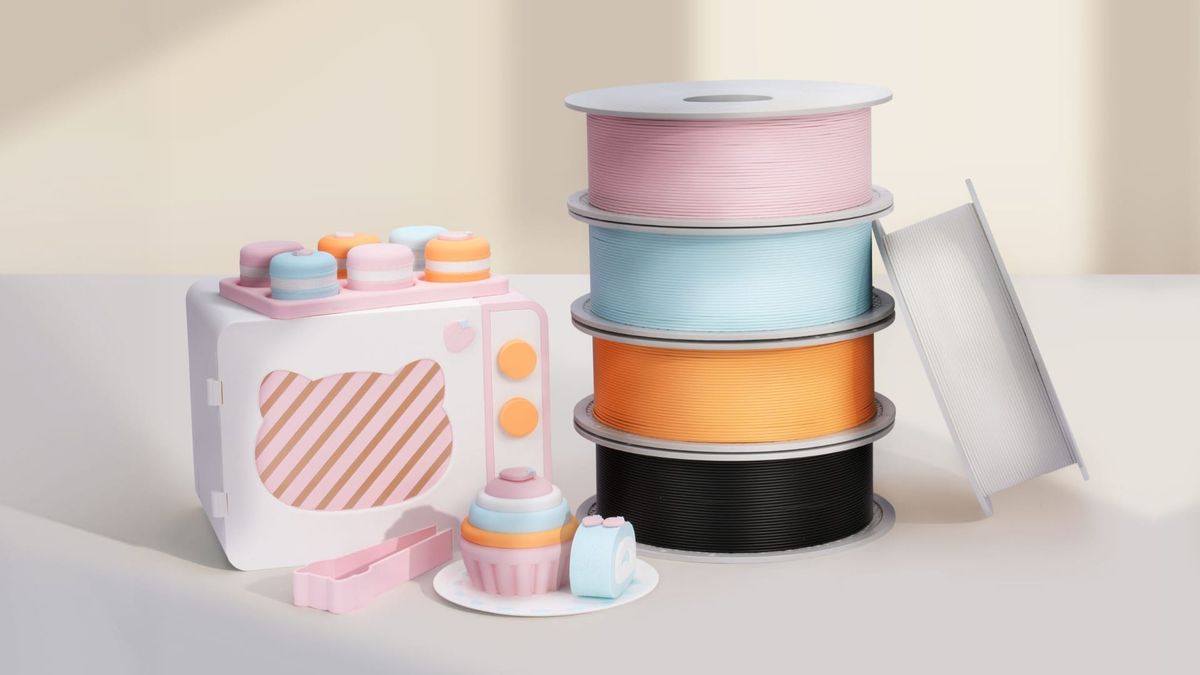
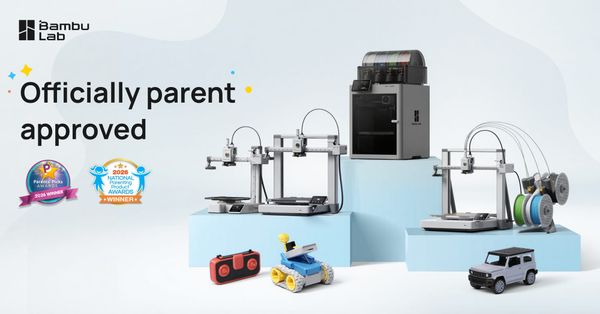
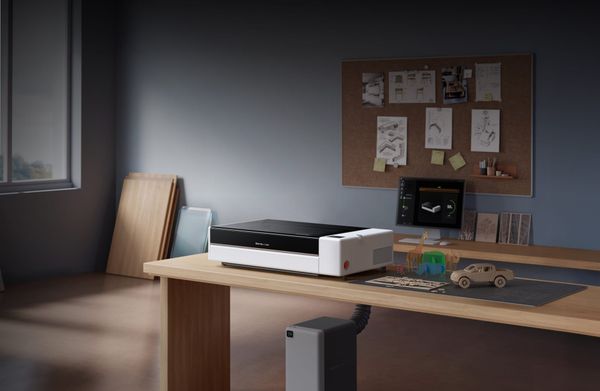
More and more often, the 3D printer works where life happens. In the corner of the living room, in the hallway, on a desk right next to a user. Almost unnoticed, it has become an everyday appliance for many people. And when a 3D printer operates around people and pets, what matters is not only what comes out of the nozzle, but also what it is made of.
That is where Bambu PLA Pure comes in. A filament designed for home printing, because every ingredient had to earn its place there.
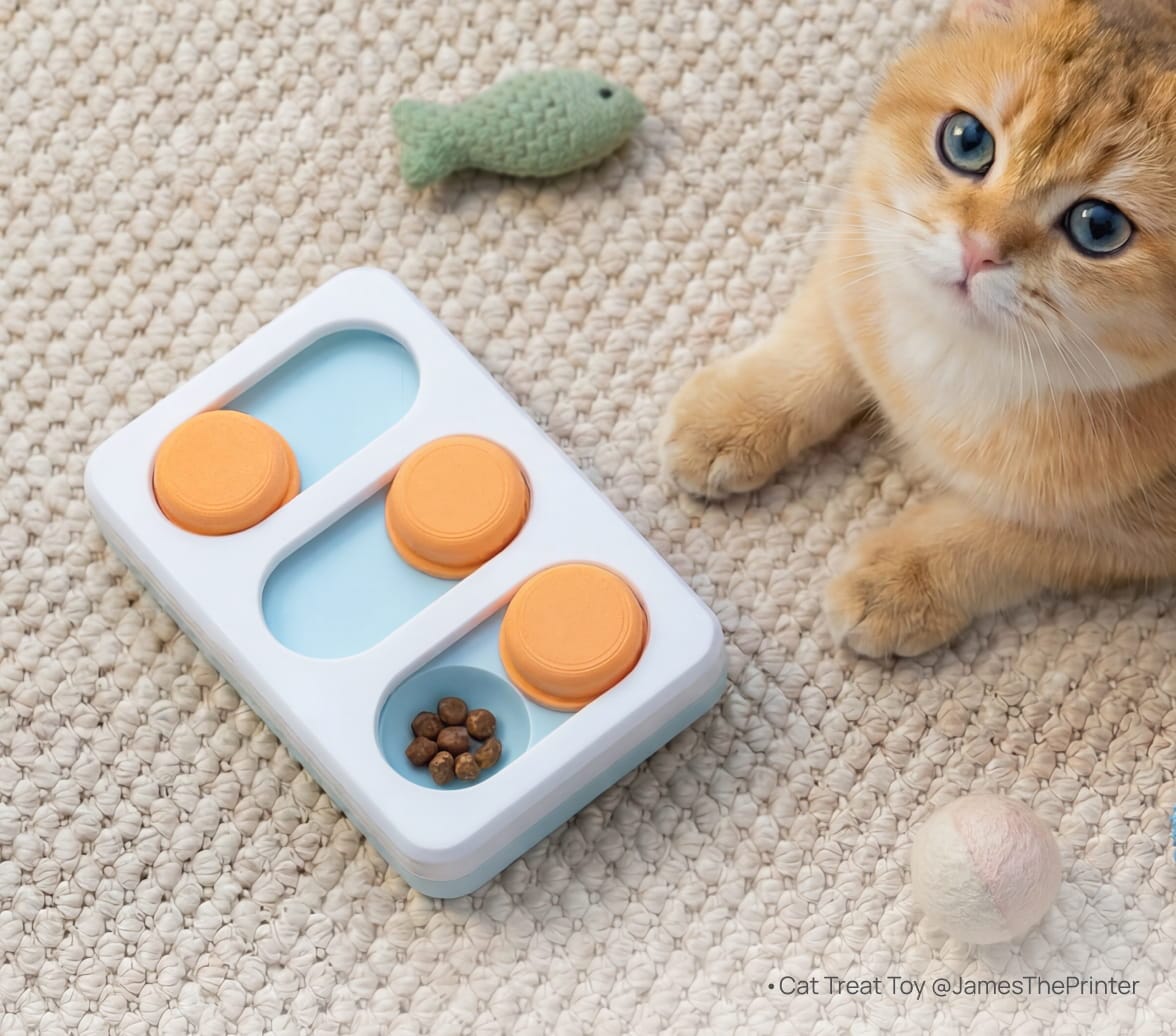
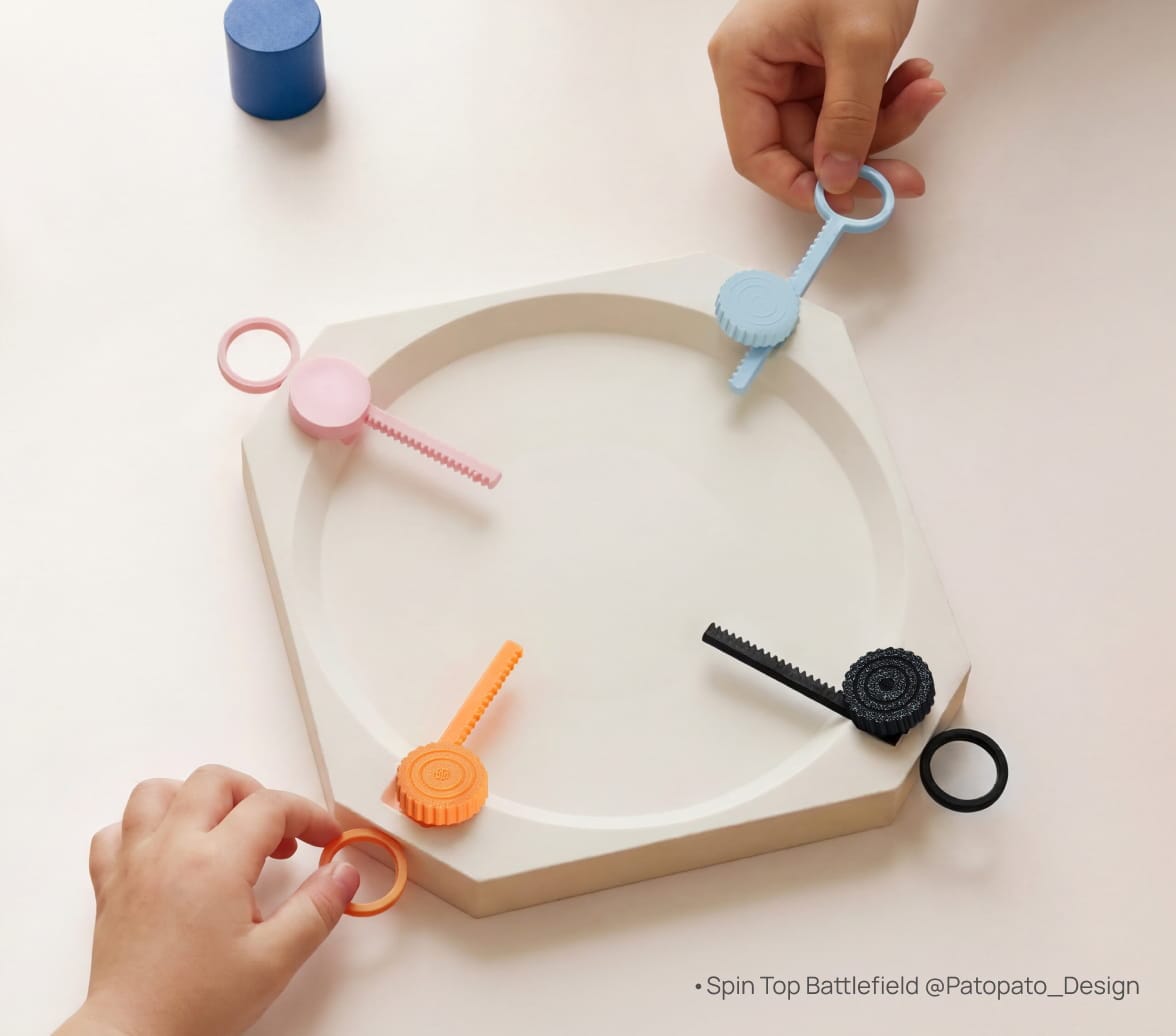
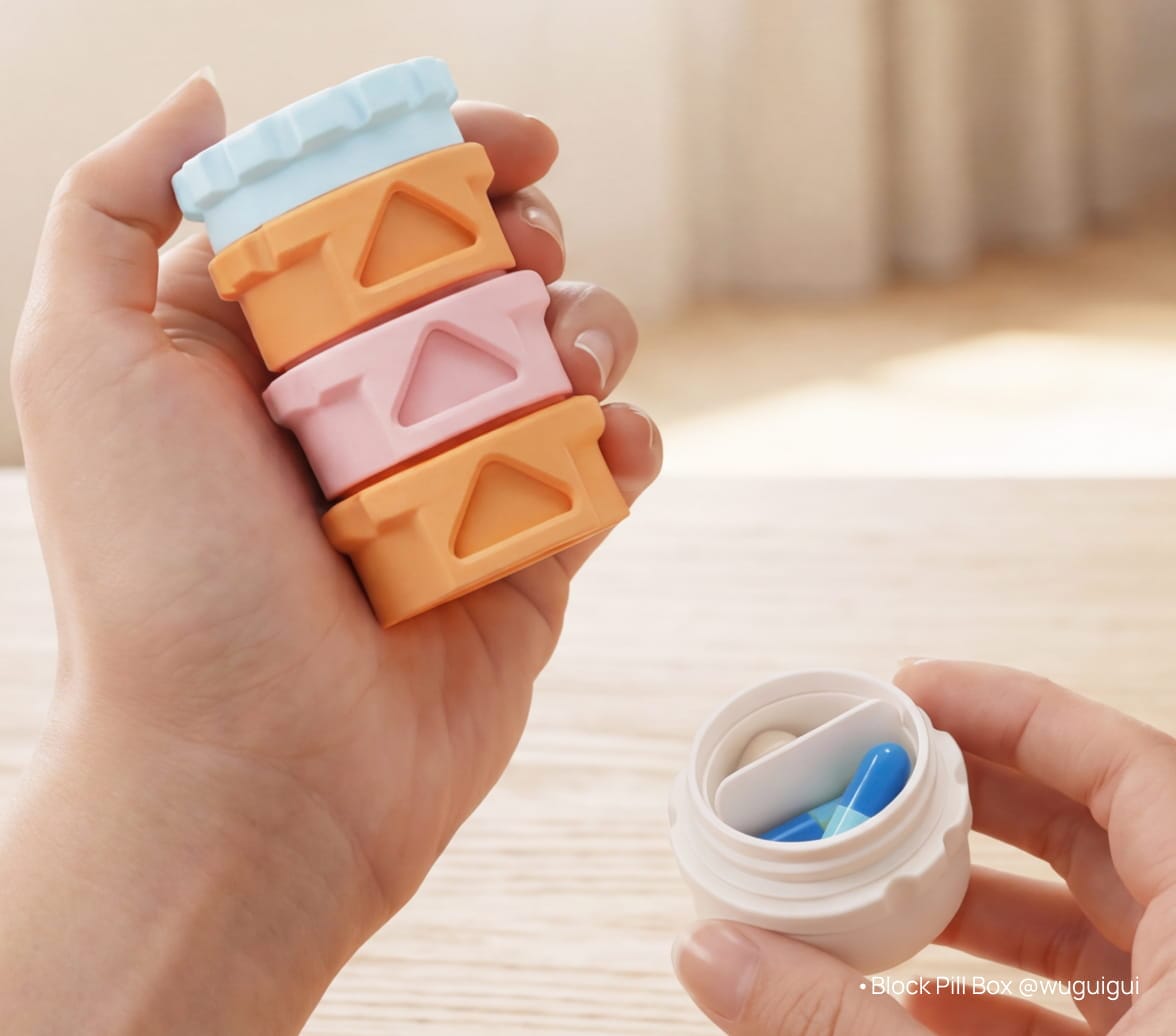
The formula contains five ingredients. That's it. And every one of them - including the pigments - holds certification for compliance with EU 10/2011, the European regulation governing plastics intended for food contact.
More interestingly, these are materials you encounter in everyday life, even if you've never thought about them by name.
- The base is polylactic acid (PLA) derived from corn and sugarcane.
- The acrylic copolymer is a material commonly found in children's toys.
- The color pigments are also used in baby tableware.
- EBS (ethylene bis-stearamide) is familiar from food packaging films.
- Talc is used in products such as biodegradable drinking straws, and the talc used here has been independently tested by a third party and verified to be asbestos-free.
Every one of these ingredients comes from the EU 10/2011 positive list and can be traced down to its specific FCM substance number.
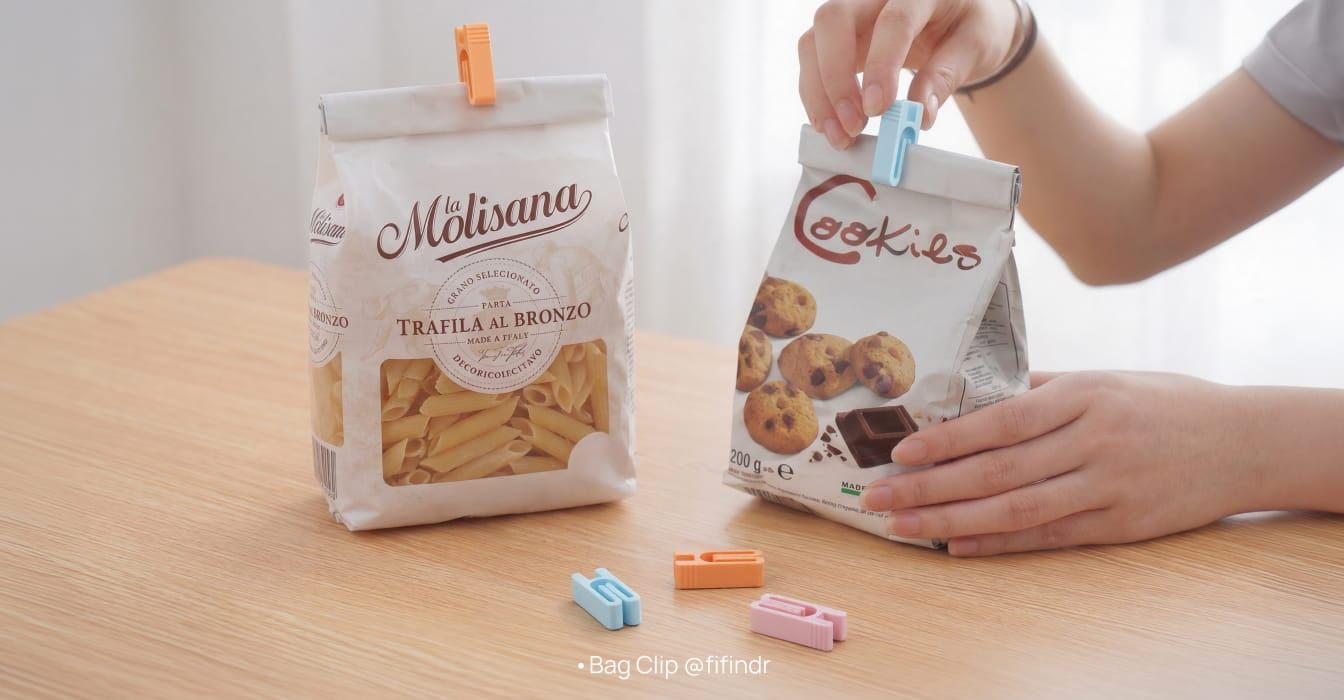
The raw materials are supplied by major global manufacturers, including TotalEnergies Corbion, Dow, Chemours, and BASF, making compliance and traceability easier to verify.
And this is where the real difference lies. Most filaments marketed as food-contact compliant are tested only as finished products. PLA Pure is verified ingredient by ingredient, from the base material to the pigments.
Cleaner air at your desk
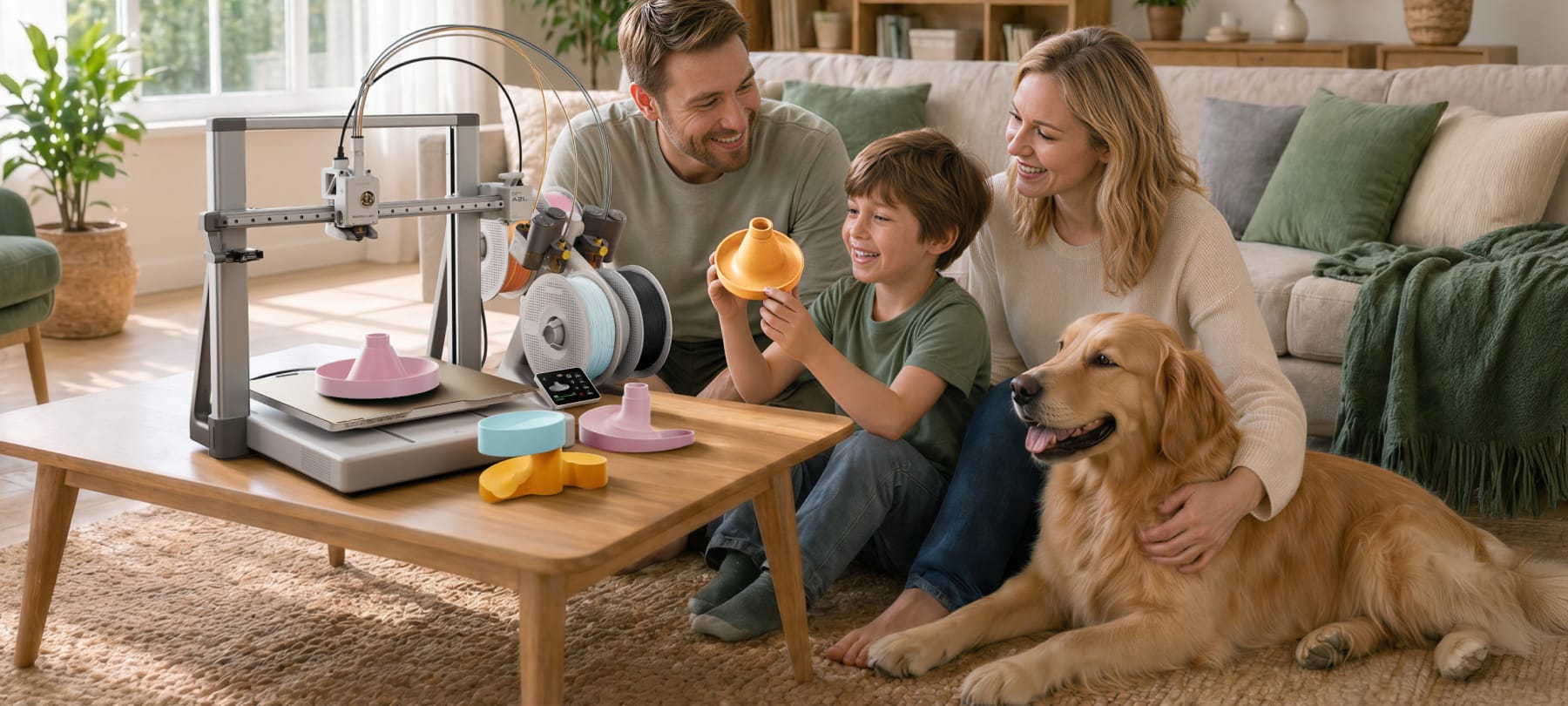
Since printing often takes place in living spaces, emissions matter.
PLA Pure carries UL 2904 GREENGUARD certification, a recognized standard for 3D printer emissions that measures particulate matter and volatile organic compounds (VOCs) for their impact on indoor air quality.
In practice, particle and VOC levels during printing fall below what is typically present in an average kitchen, living room, or office.In a four-hour continuous printing test conducted by an accredited laboratory, PLA Pure produced lower PM2.5 and PM10 emissions than a comparable filament from another manufacturer under identical conditions.
Bambu PLA Basic also holds indoor air quality certification under the same standard, so both materials have been independently verified.
Thanks to its ingredient profile, however, PLA Pure achieves even lower emission levels, which becomes particularly relevant when printing near children, pets, or in shared living spaces. Even with low emissions, proper ventilation is still recommended to minimize inhalation of any byproducts from the printing process.
Safety is one thing. Reliability is another.
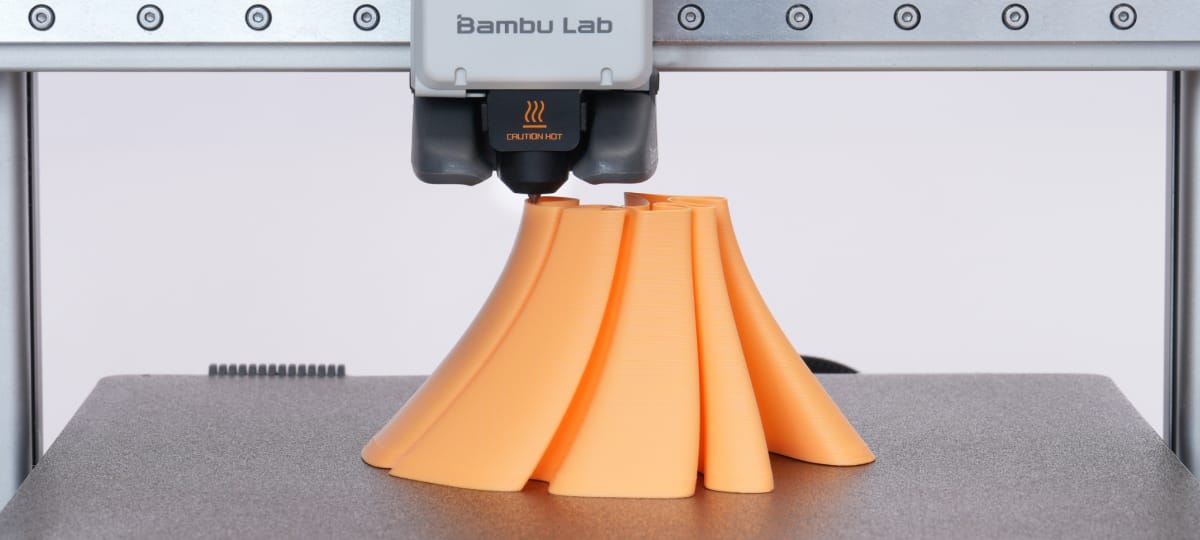
Most filaments use impact modifiers and flow agents to print well. PLA Pure doesn't. To keep the formula to just five food contact-safe ingredients, we rebuilt it from scratch - dozens of iterations, until the chemistry alone delivered what additives usually do. Tough enough. Prints clean. No shortcuts in the bag.
Even without prior drying, PLA Pure produces noticeably less stringing than a typical third-party filament. Surfaces come out cleaner, and finished parts require less post-processing.
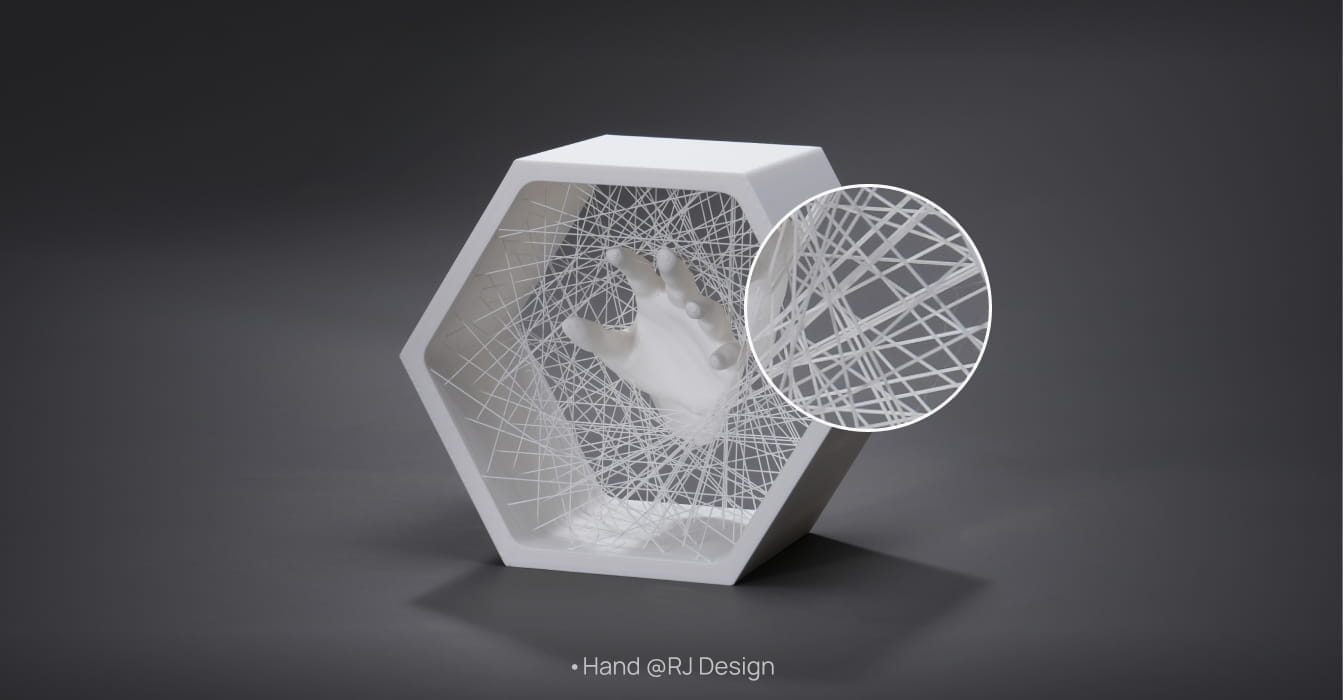
And then there is strength. PLA Pure matches PLA Basic in mechanical performance, while layer adhesion remains comparable to most PLA materials available on the market.
Cleanliness and durability together, without having to sacrifice one for the other.
All printing parameters are stored in the RFID tag and automatically read by the AMS system. Load the spool, let the material synchronize itself, and start printing. No guesswork required.
Toy safety
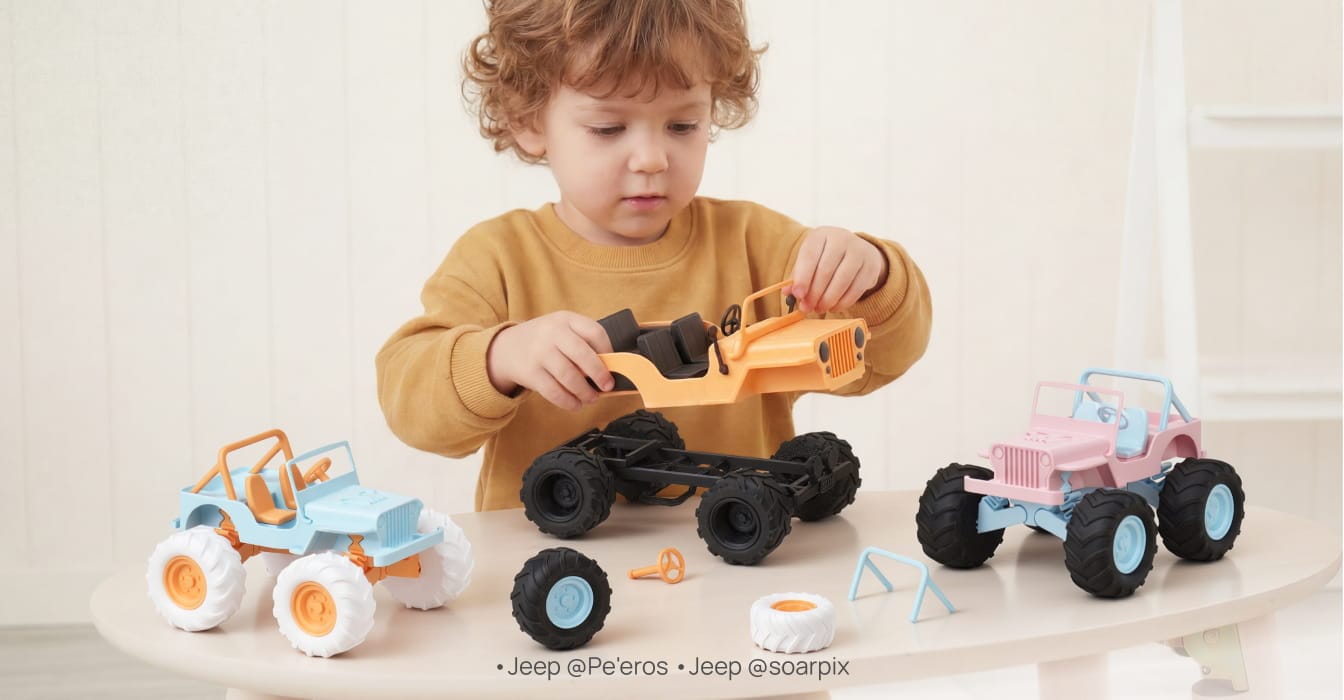
The material has also passed EN 71-3 certification, the European safety standard that governs the migration of certain elements from toy materials. The standard's main concern is whether potentially harmful elements - such as lead, cadmium, chromium, and other heavy metals - can leach out of a material when a child handles, mouths, or swallows it. It also sets strict limits on the permissible migration of each.
Passing this test makes the material suitable for models meant to be handled and played with: a toy kitchen plate, a small car, a cat toy.
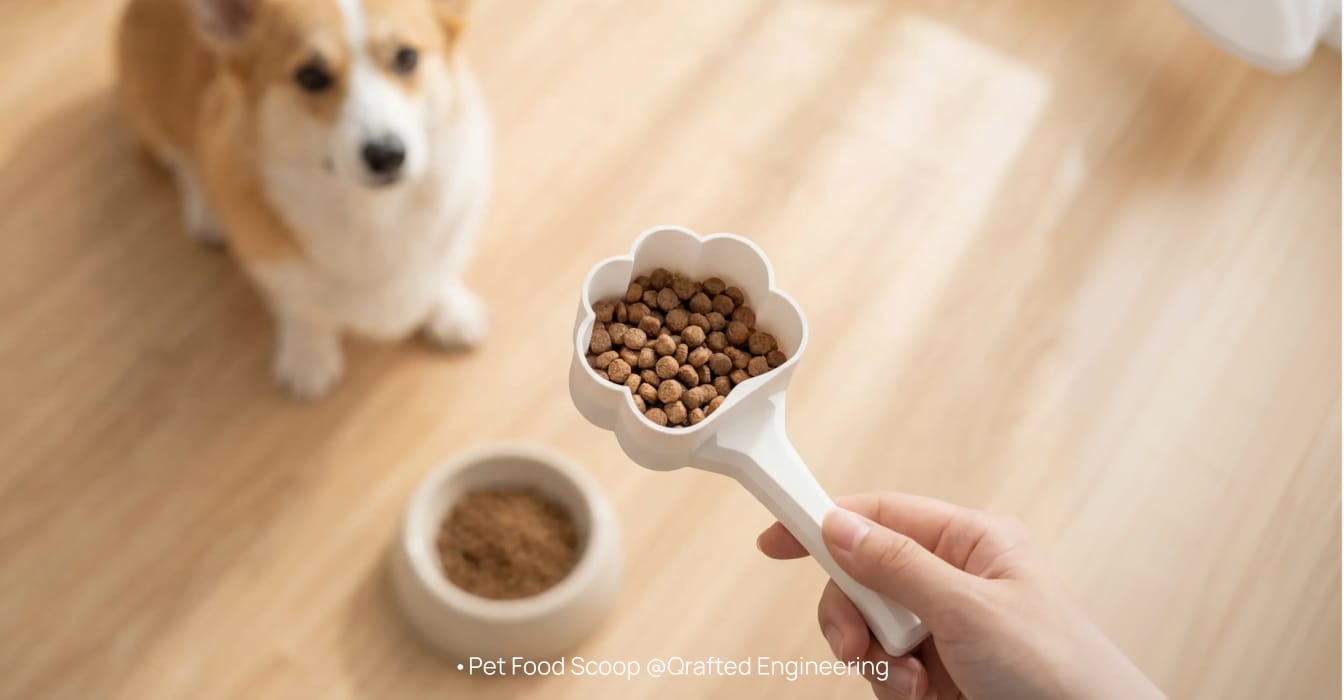
As with any 3D-printed toy, common sense still applies. Small parts and support structures can pose a choking hazard, edges may be sharp, and the material is combustible. Models should be selected appropriately, and children should be supervised during play.
And here is the important distinction.
These certifications apply to the filament itself and its ingredients.
Whether a specific printed object is suitable for a particular application depends on factors such as equipment hygiene (especially nozzle cleanliness), printing conditions, and how the object is ultimately used.
Because of the layered structure of FFF prints, they are not suitable for liquid foods, and PLA itself should not be exposed to temperatures above 60°C.
Bambu Lab's responsibility extends to the material's compliance and quality - not to the end-use applications of user-produced prints.
What you get is a material whose composition is fully documented, down to every individual ingredient.The rest of the decisions are yours, right there at your desk.
PLA Pure is available now!
PLA Pure is available now at Bambu Lab Official Store with prices:
- $24.99 (with spool)
- $21.99 (refill)