MakeGood unveils low-cost, 3D-printed mobility chair for children, and releases files on MakerWorld
The 3D-printed Toddler Mobility Trainer is an open-source project available for download on MakerWorld platform

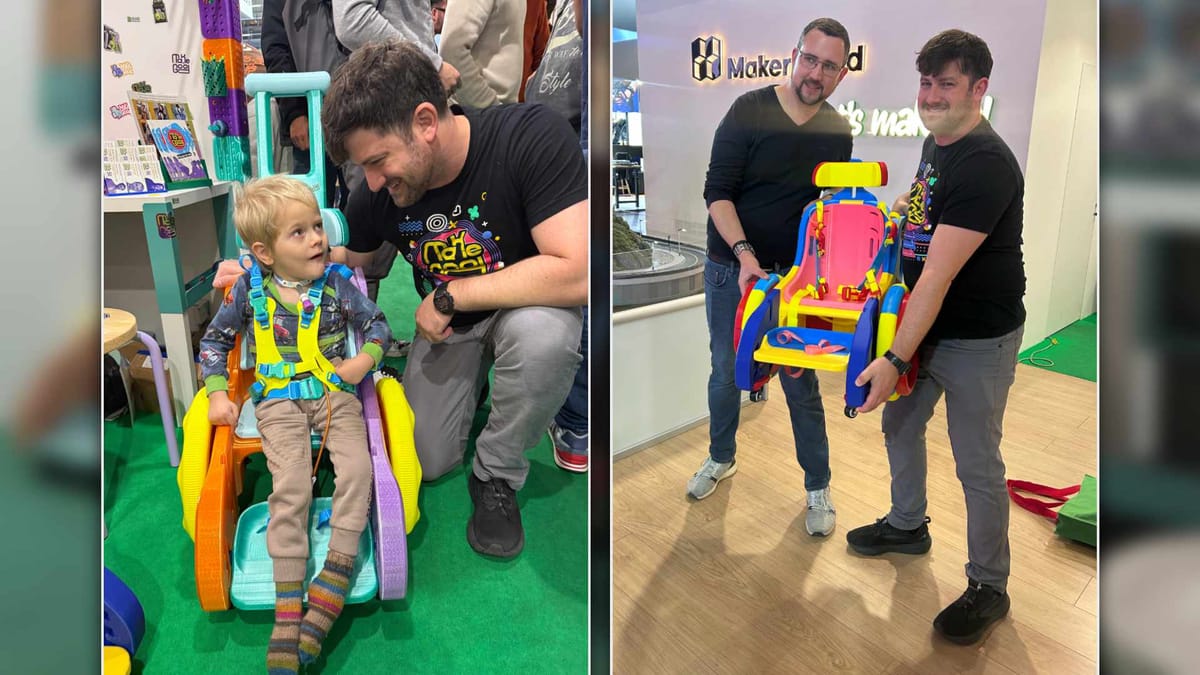
If you had a chance to visit our booth at Formnext, you surely found your way into a dedicated room where we hosted our special guests - the MakeGood Inc. team. This New Orleans, US-based non-profit organization creates unique projects dedicated to people with mobility impairments.
At Formnext, MakeGood presented the 3D-Printed Toddler Mobility Trainer (TMT), a low-cost, open-source mobility device designed to increase independence, coordination, and social development for young children with mobility challenges.
Now this fantastic project has been published on MakerWorld, where anyone can download it for free and produce it on a home 3D printer.
And although we’re dealing with a mobility chair, no advanced equipment is required - a Bambu Lab A1 is enough! The entire project has been optimized specifically for this model of 3D printer.
The Maker Revolution: a colorful mobility chair for children
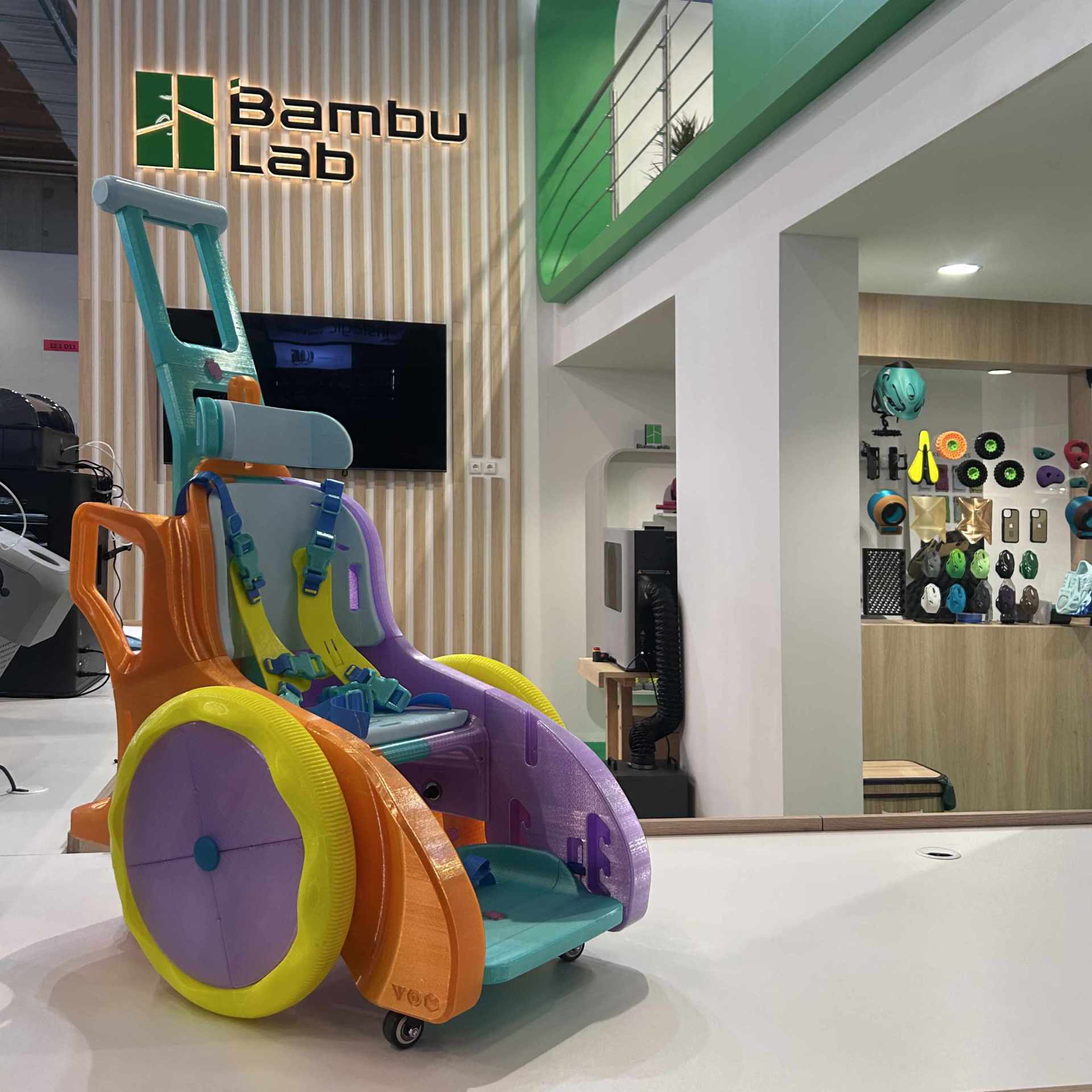
TMT is released fully open-source. MakeGood has provided the complete set of model files, instructions, and educational materials. They can be downloaded from the organization’s website and from MakerWorld:
From now on, anyone who owns a 3D printer capable of working with PETG and TPU can create a fully functional device supporting children’s mobility from ages one to eight. In a world where access to professional assistive devices is often limited, and the cost of commercial products exceeds the budgets of many families, such an initiative is far more than a technological curiosity - it becomes a real tool for social change.
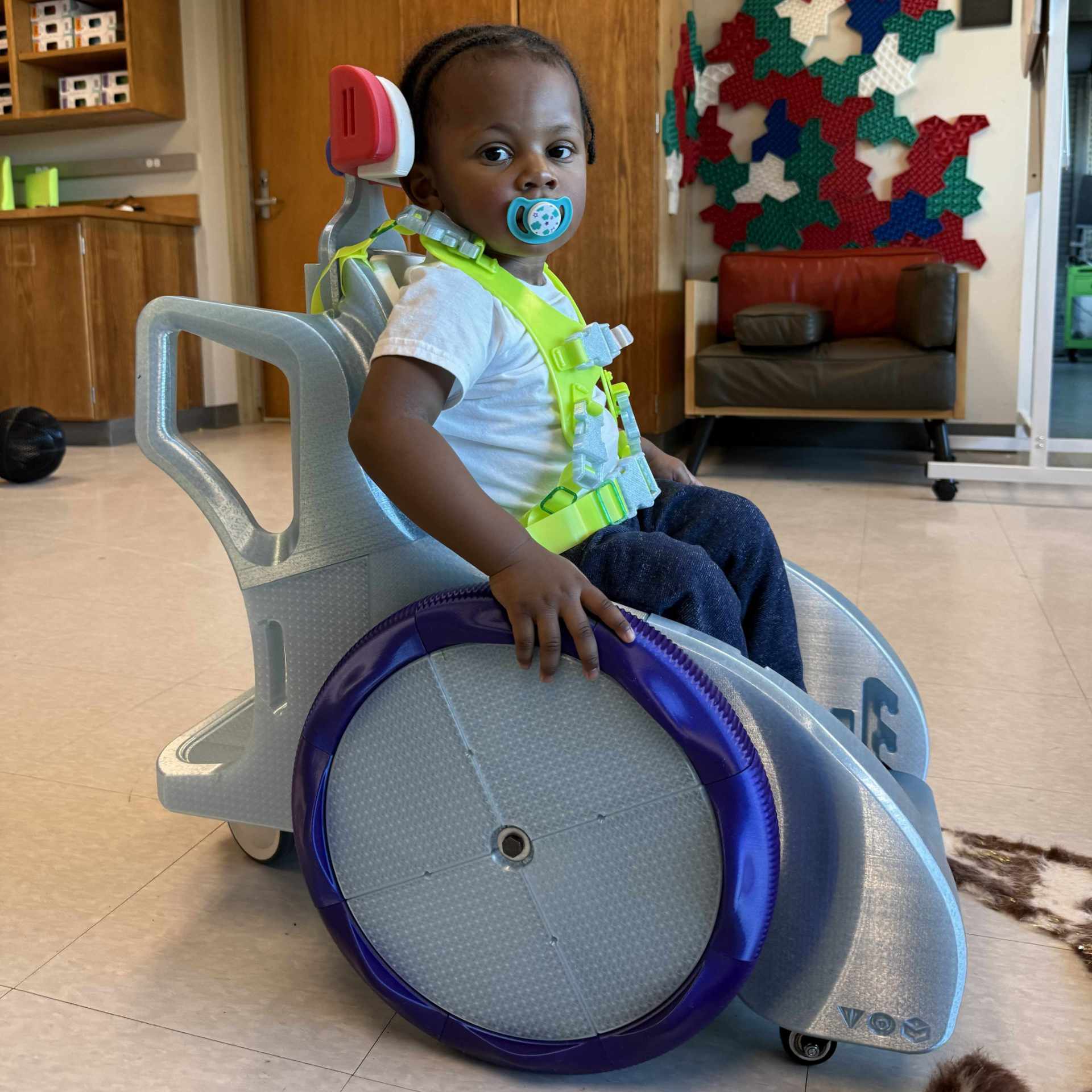
Producing the complete device costs only about 150 dollars. Nearly the entire cart is made of printed components.
To build it, you need:
- approx. 10 spools of PETG (the absolute minimum is 8 spools, but if parts are printed in multiple colors, the number increases)
- 2-3 spools of TPU (depending on print settings and whether you want to print the cushions)
- a handful of hardware: 6 bolts, 2 nuts, 2 washers, 2 front casters, 1 rear caster.
3D-printing all components should take a week on a single 3D printer. Using more printers significantly speeds up production time.
However, the TMT is more than an example of a successful open-source project. It is a showcase of the growing strength of the maker movement. The device is visually appealing, colorful, low to the ground, and designed so a child can maintain eye contact with peers.
It was designed for children with conditions such as cerebral palsy, spina bifida, or developmental delays related to early-life stays in neonatal intensive care units. For many young users, this mobility trainer is the first step toward independence - and sometimes an intermediate stage leading to learning to walk.
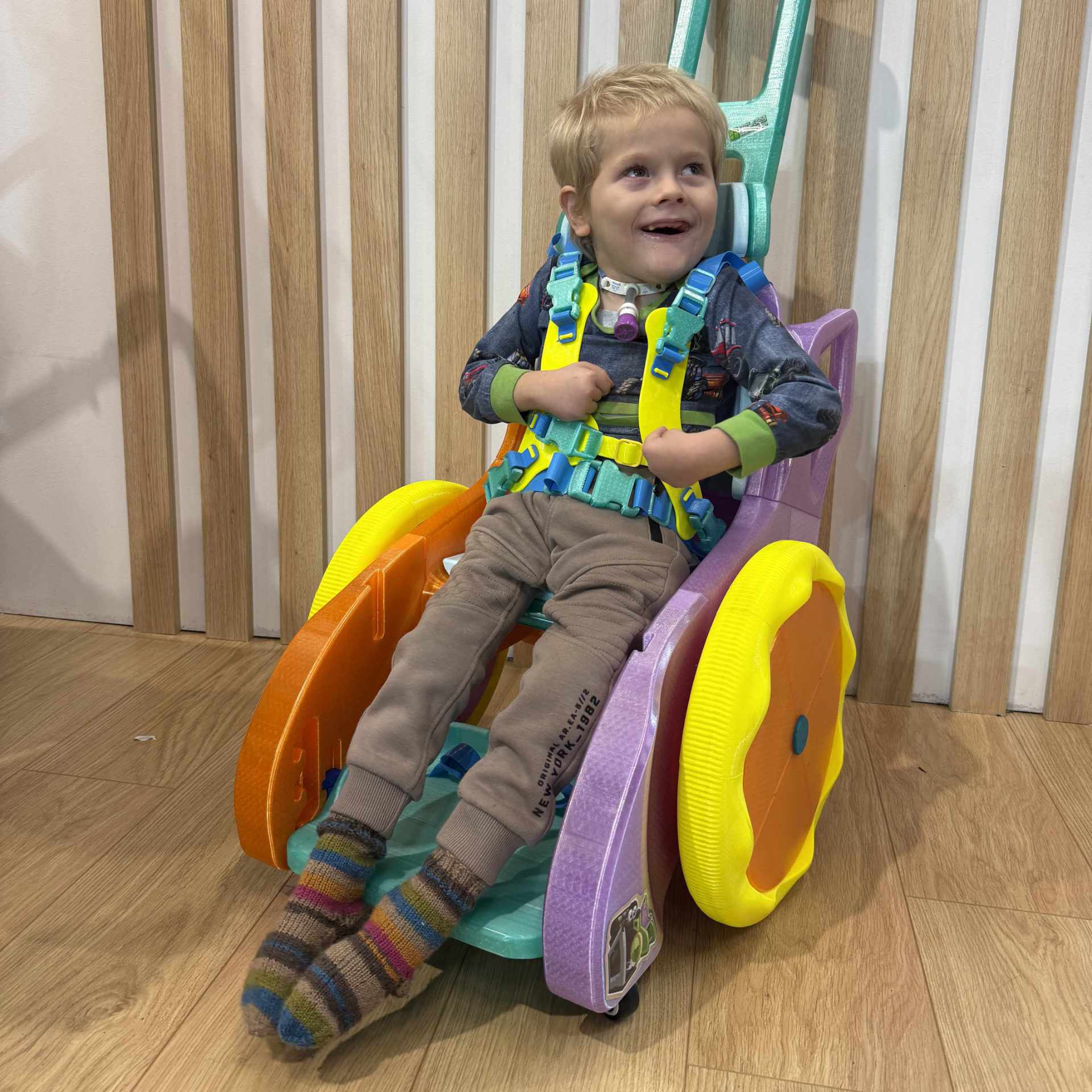
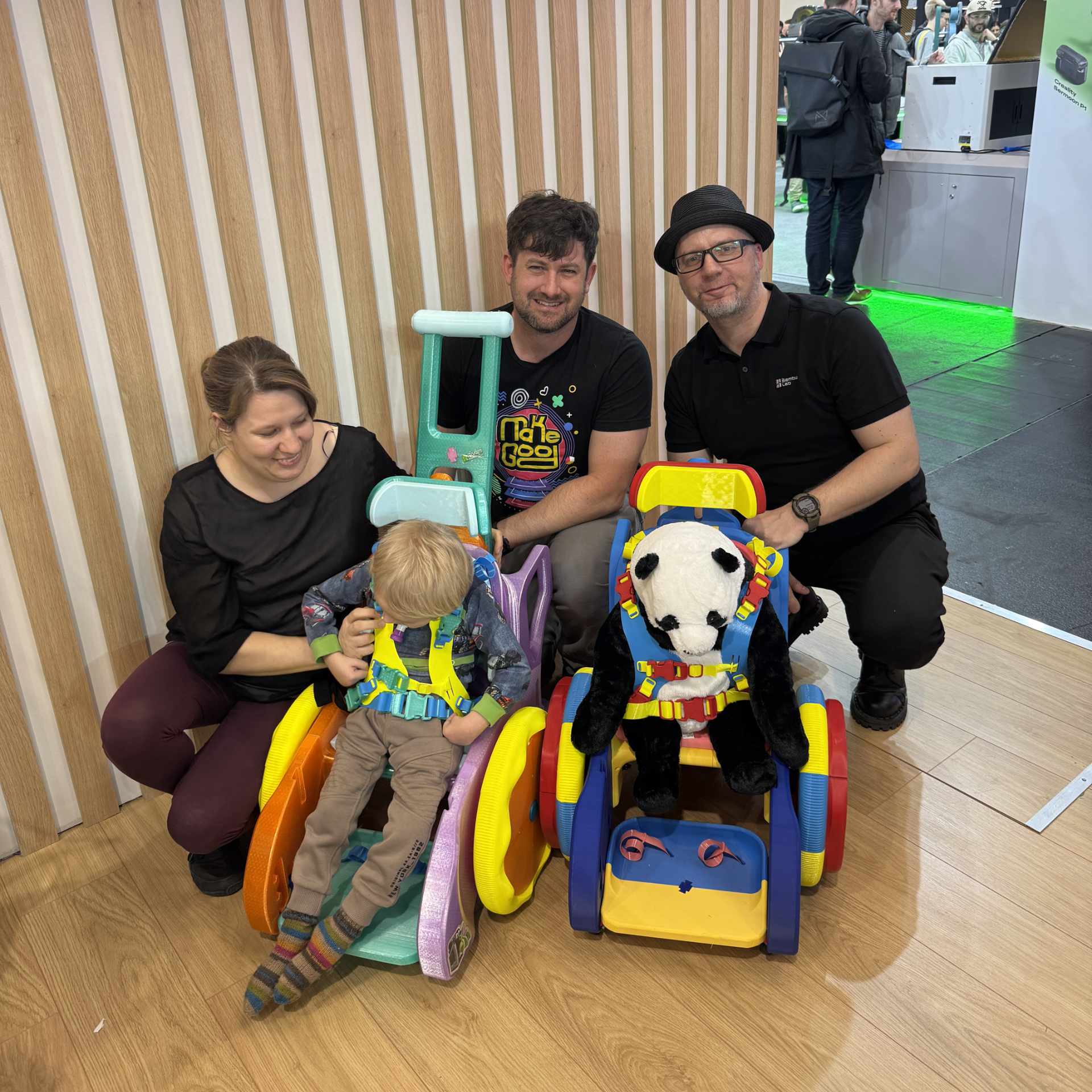
This was confirmed at Formnext, when a local German family with a disabled son named Keo, who needed a TMT, visited the MakeGood team and was able to take home one of the chairs - an incredible moment made possible by Bambu Lab.
From a Reddit post to great 3D-printed innovation
MakeGood was founded by and is led by Noam Platt, a certified healthcare architect and specialist in designing and producing novel technology for the disabled community.
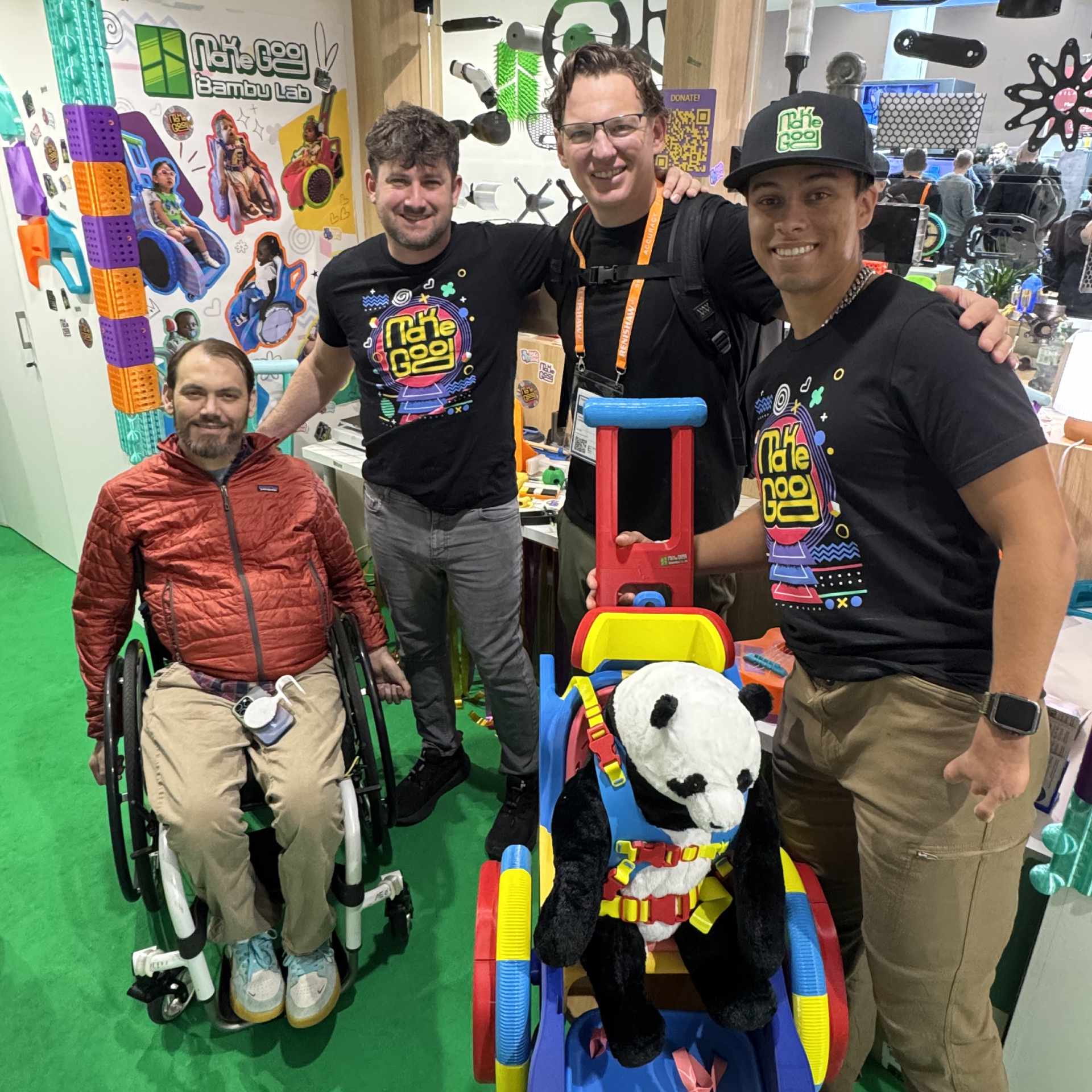
The team also includes Philip Dunham, Director of Advanced Design, who specializes in advanced computational design (he has been a C-5 quadriplegic since a mountain biking accident in 1999); James Robert III, Director of Advanced Fabrication and an innovator in custom medical devices (he was born with a congenital limb difference); as well as Dr. Ashley Volion, Dr. Sergio Cuevas, Sianna Paddie, Scott Reddoch, Marty McMahon, and Brett Swensen.
Another key contributor is Schuyler Livingston, co-founder of LINK PBC and an experienced industrial designer.
The 3D-Printed Toddler Mobility Trainer project began with a Reddit post, published almost exactly a year before the mobility cart debuted on MakerWorld.
Noam was searching for a designer who could help transform the wooden version of the cart - previously handmade on a CNC - into a design fully manufacturable on 3D printers.
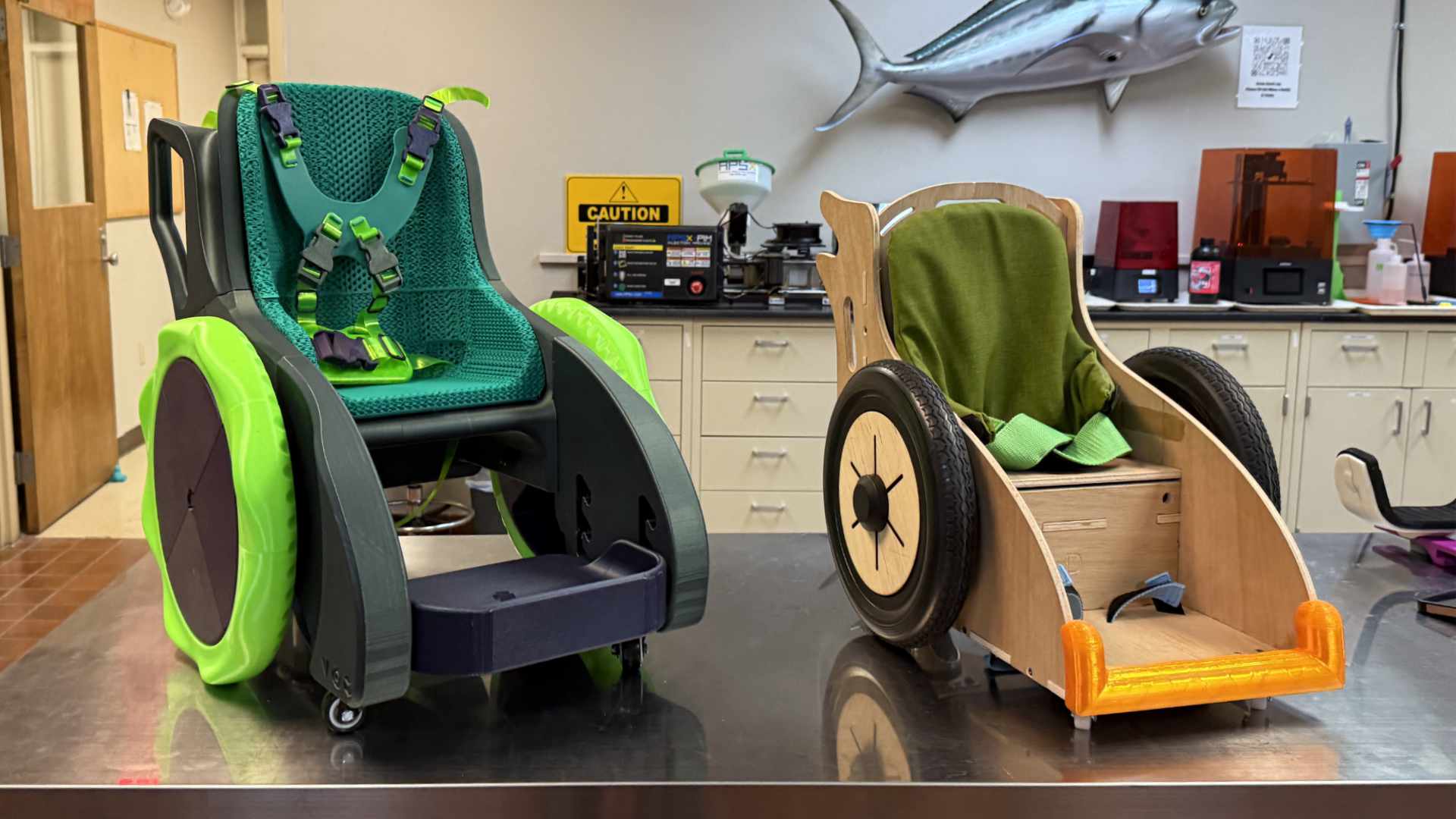
Initial reactions online were skeptical; many people believed that such a complex device could not be made from plastic at home. But one comment changed everything.
Schuyler Livingston replied to the post, and their very first conversation showed that the project had enormous potential.
The team grew quickly. Philip Dunham joined - despite having a background in finance, he had been working as a designer for years. Then Hannah and Amber from TOM Global joined - an organization specializing in connecting individuals in need with makers.
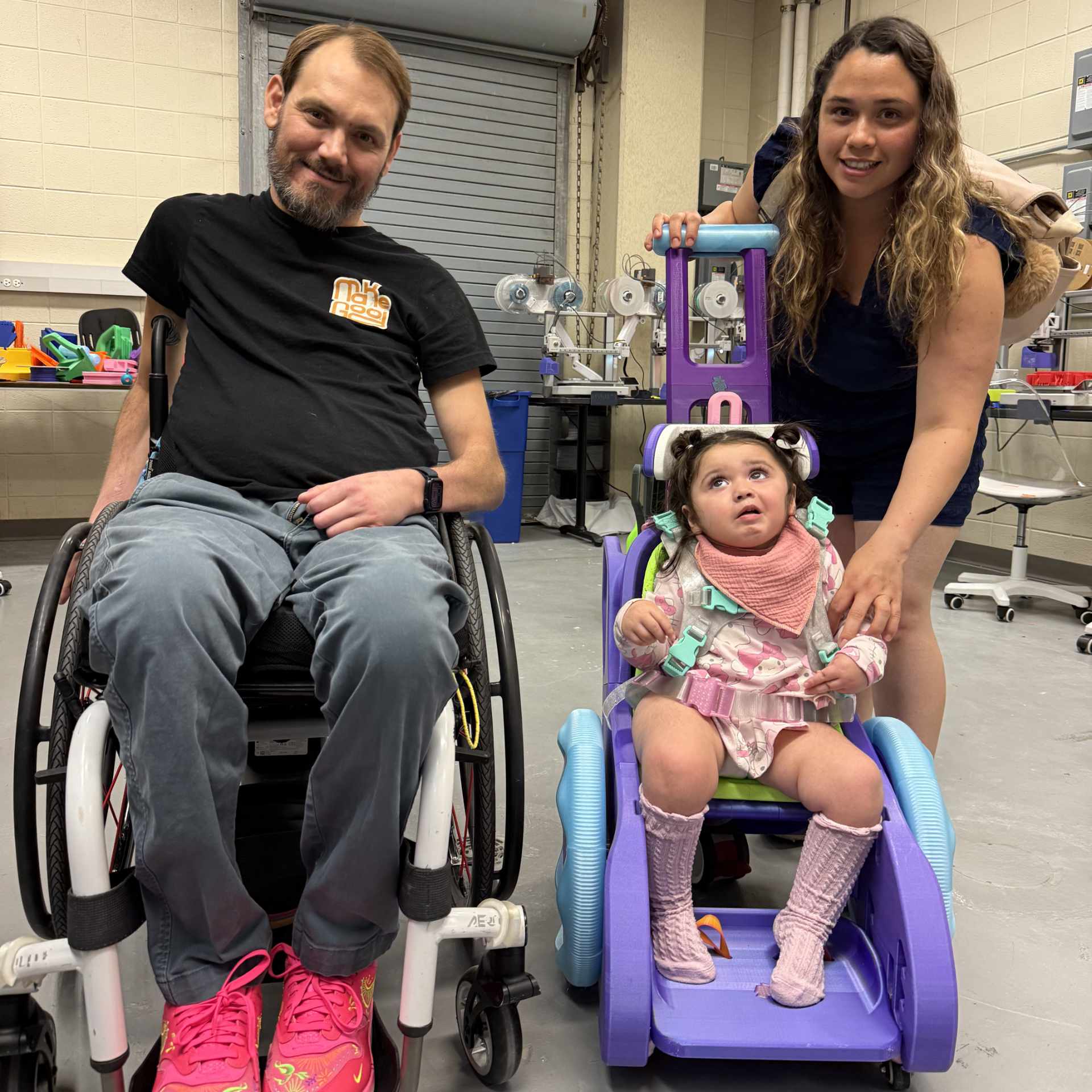
From the very beginning, everyone shared the same goal: create a device that is accessible, inexpensive, easy to produce, and as error-tolerant as possible. The project evolved from a small experiment into a professional design-engineering process, broken into hundreds of steps and analyses documented on a Miro board that the team treated as a map of the device's evolution.
One of the key stages was determining how many components could be 3D-printed without compromising functionality.
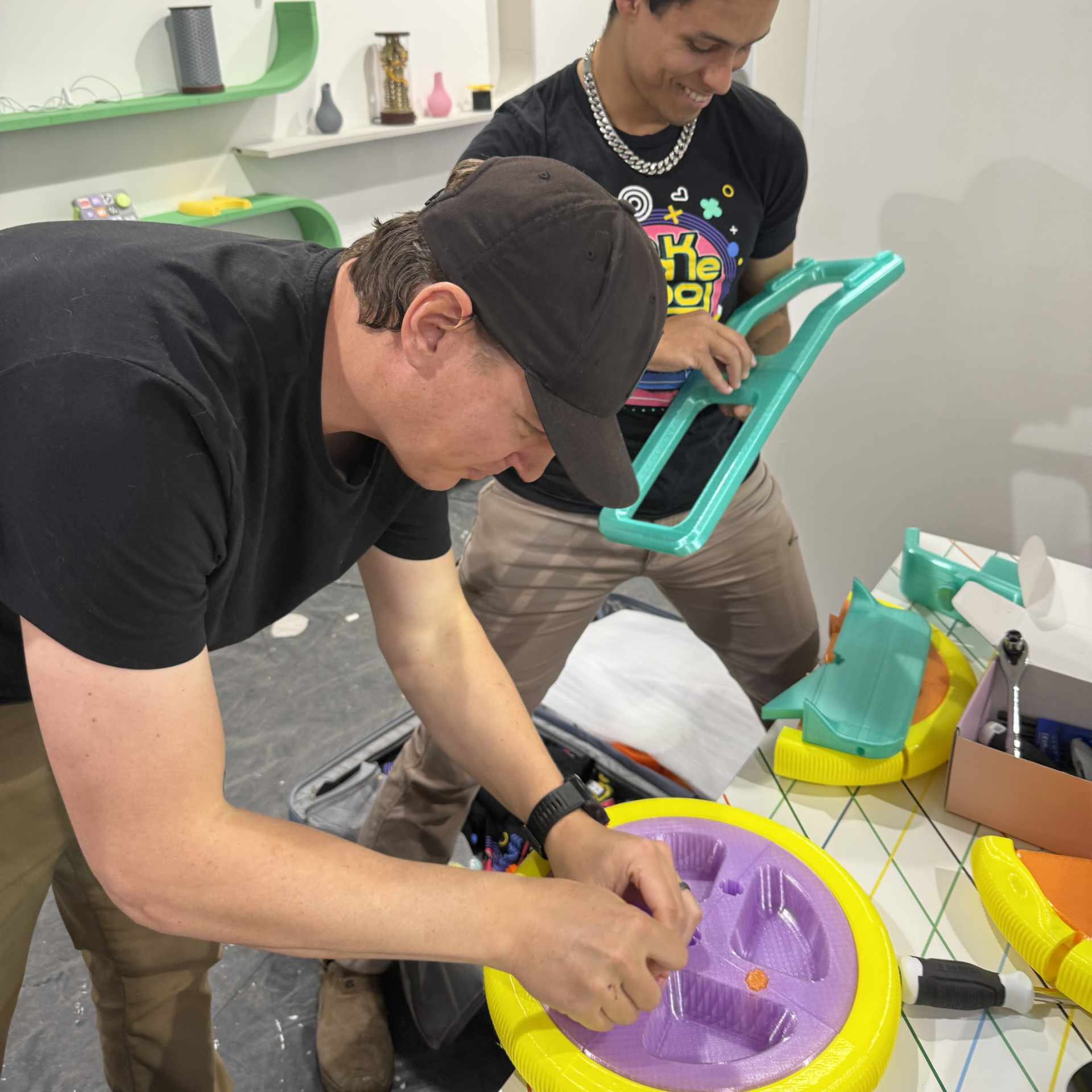
Initially, it was assumed that some components, such as wheels or straps, would need to be purchased. However, successive prototypes proved that the limits of 3D printing were much broader than expected. In the end, almost everything - from the frame to the cushions and straps - can be printed using PETG and TPU.
Only small metal components, such as bolts and casters, need to be purchased. The team rigorously tested each new version of the cart, introducing subtle but crucial improvements affecting durability, printability, and assembly. The project was distributed to six families, who over many months provided feedback that helped refine every detail.
During the project’s development, one of the greatest challenges turned out not to be the technology, but reaching the people who actually need it.
In the assistive-technology world, a long-standing accessibility gap exists: makers want to help but don’t know the people in need; people with disabilities need devices but don’t know they can receive them from local makers.
Funding also proved important, though not in the way one might expect. Printers, materials, and prototypes were largely supported by companies like Bambu Lab and CookieCAD.
When Makers fill the gap
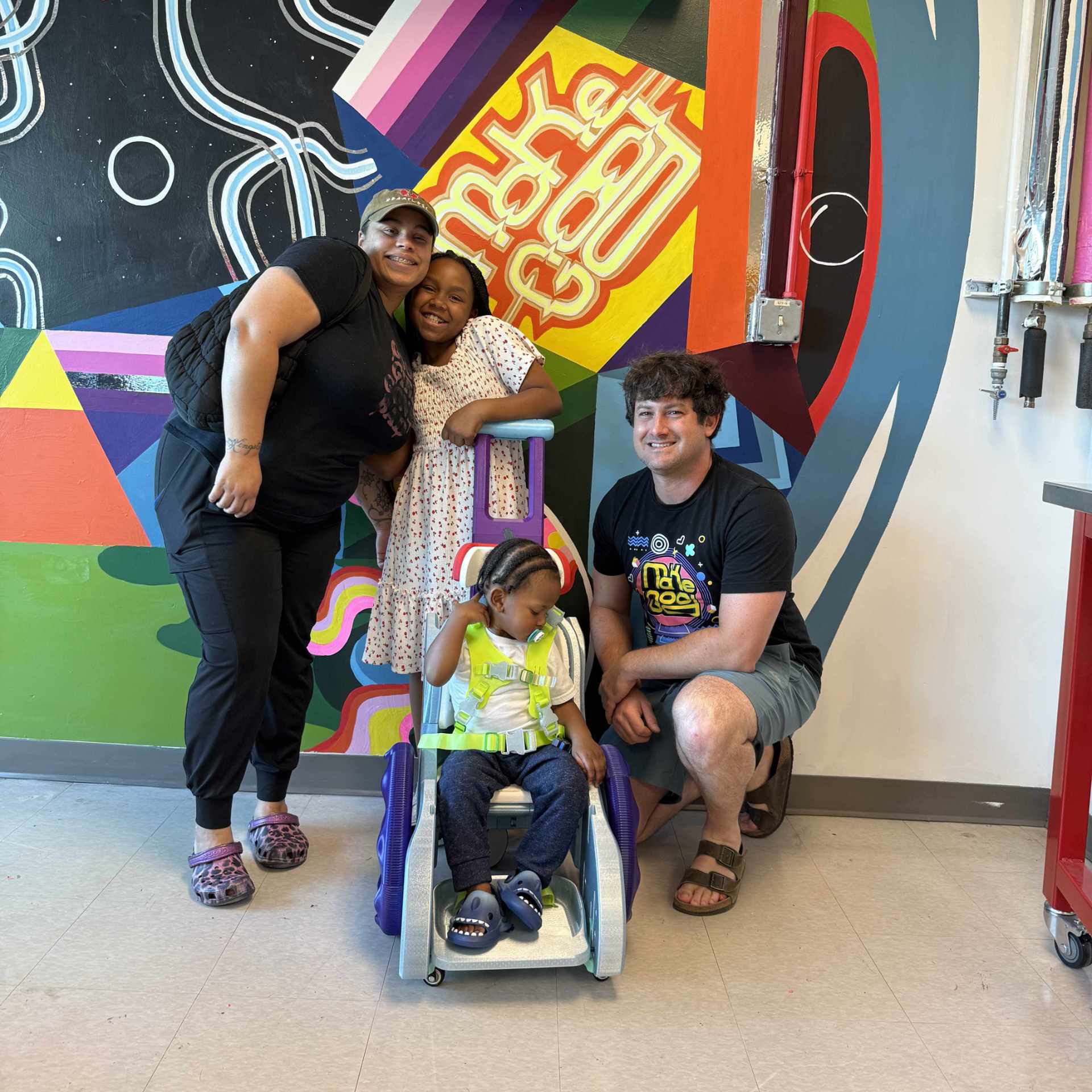
The culmination of the project’s first phase was its presentation at the Formnext 2025 trade show, where MakeGood - supported by Bambu Lab - was able to showcase the finished mobility cart to a wide audience. The device attracted enormous interest and became a spark for new community-driven projects.
Makers visiting the fair declared their desire to create similar solutions, and families worldwide began requesting mobility trainers for their children.
The one thing I can guarantee is that we will all be disabled, - says Noam Platt - There is no distinction, in my mind, between the disabled and non-disabled community. We are one people, simply on different timelines of needing assistive technology. We will all need these devices at some point in our lives. I want to live in a world where we all have access to highly designed and effective assistive technology so that when I become disabled, I can continue doing the things I love.
This is why access to well-designed, thoughtful devices should be universal. The commercial market will not solve this problem - but people can: designers, engineers, architects, and makers who devote their time and skills to creating a more accessible world.
No one else is going to do this for us, - Platt continues - The commercial market is simply not going to fill these needs. For the first time in history, design tools and fabrication methods are so easy that anyone can spend 30 minutes designing something for someone and truly make a life-changing device. I’ve done it many times. It is the responsibility of all of us - especially designers, architects, and engineers - to create accessibility in every single design. When we create accessible products, systems, and buildings, we are literally creating a more accessible future for everyone.
The MakeGood project and its open release on MakerWorld show that such initiatives are possible.
They demonstrate that when technology becomes a tool for collaboration rather than mass production, it can change people’s lives in the simplest and most direct way.
All photos courtesy of MakeGood Inc. All right reserved.