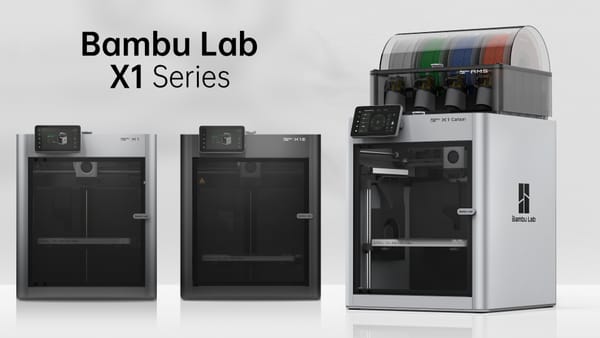
Modern drones in the service of humpback whale conservation - how Bambu Lab printers supported the WHASER Project
Tandem Ventures develops compact, open-source drone system to safely and accurately measure endangered humpback whales.

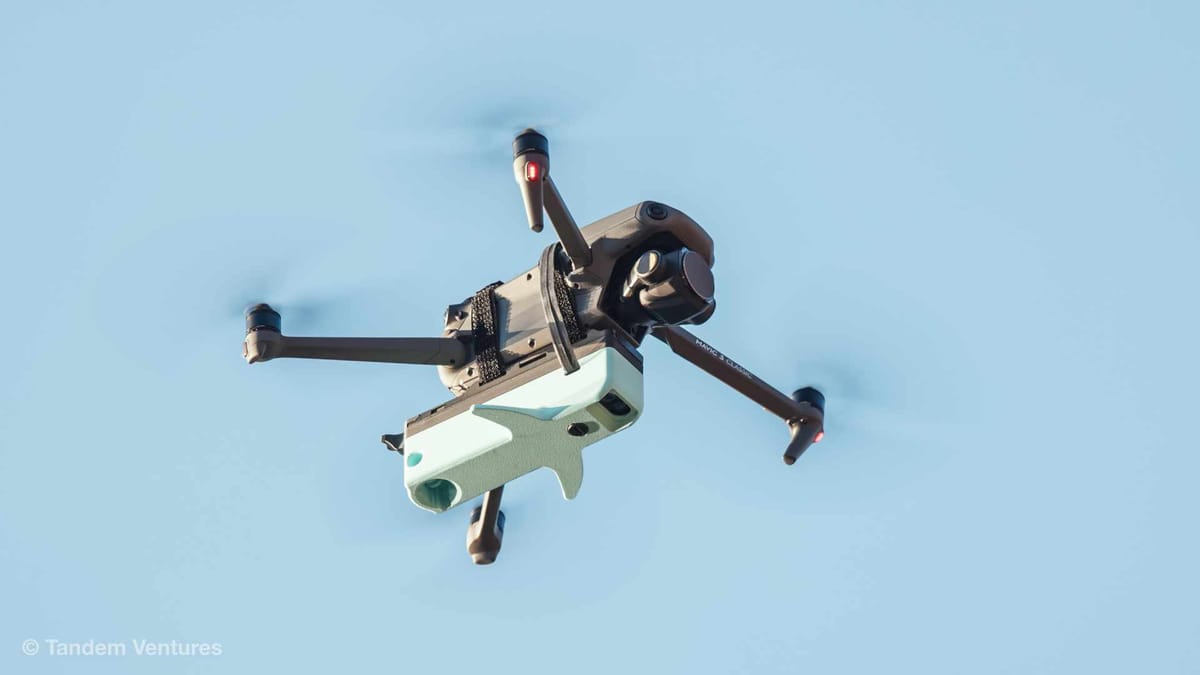
Conservation engineers Sam Rogers and Edwin Towler from Tandem Ventures, in collaboration with the charity Whale Wise, have developed an innovative measurement system called WHASER, which uses drones equipped with LiDAR sensors to study humpback whales.
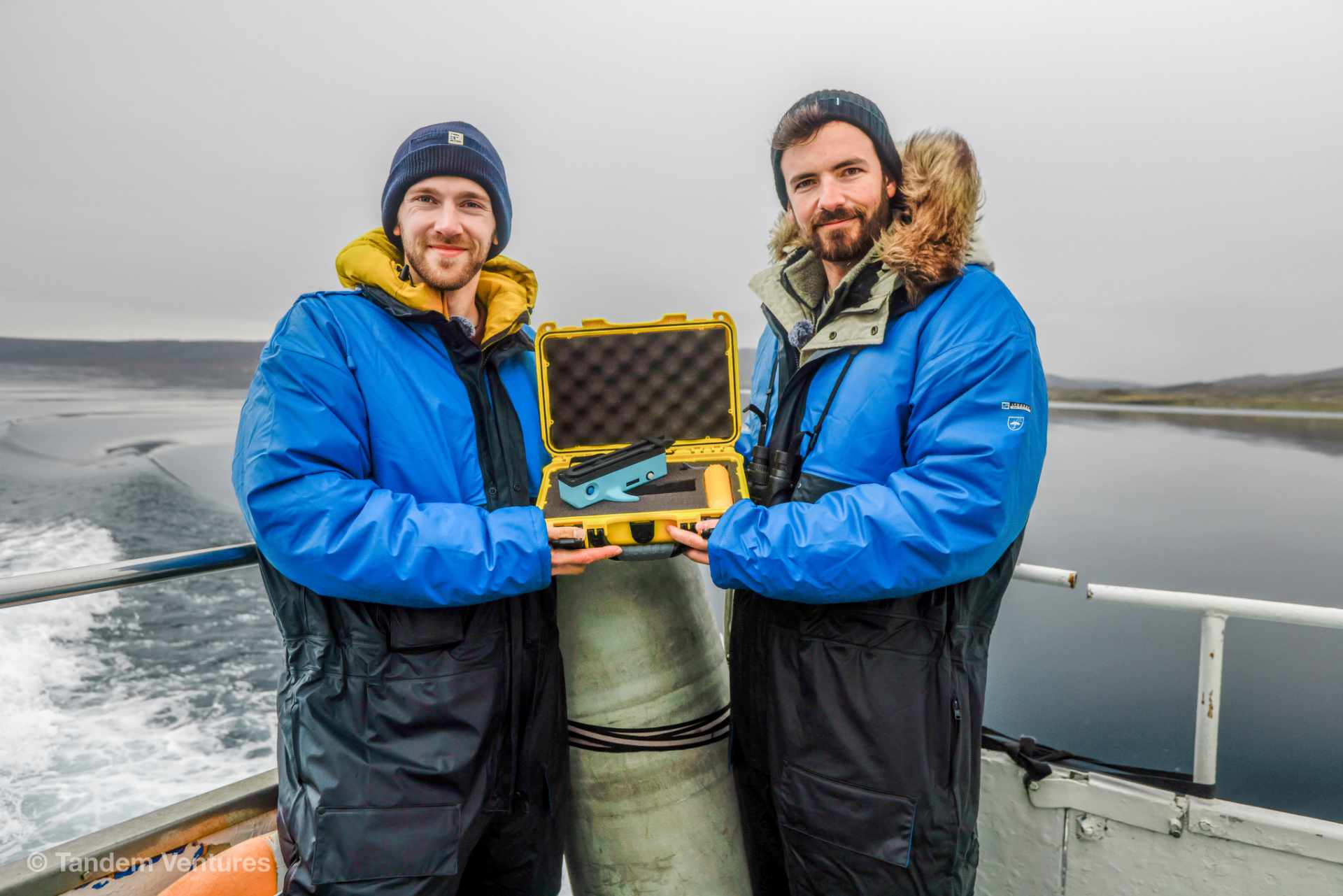
The project was created in response to real-world field challenges and aims to improve understanding of the long-term effects of whale entanglement in fishing gear - one of the most serious threats facing these animals.
Bambu Lab is one of the project’s official partners, providing technological support in the area of 3D printing and suitable materials.
The problem of fishing gear entanglement
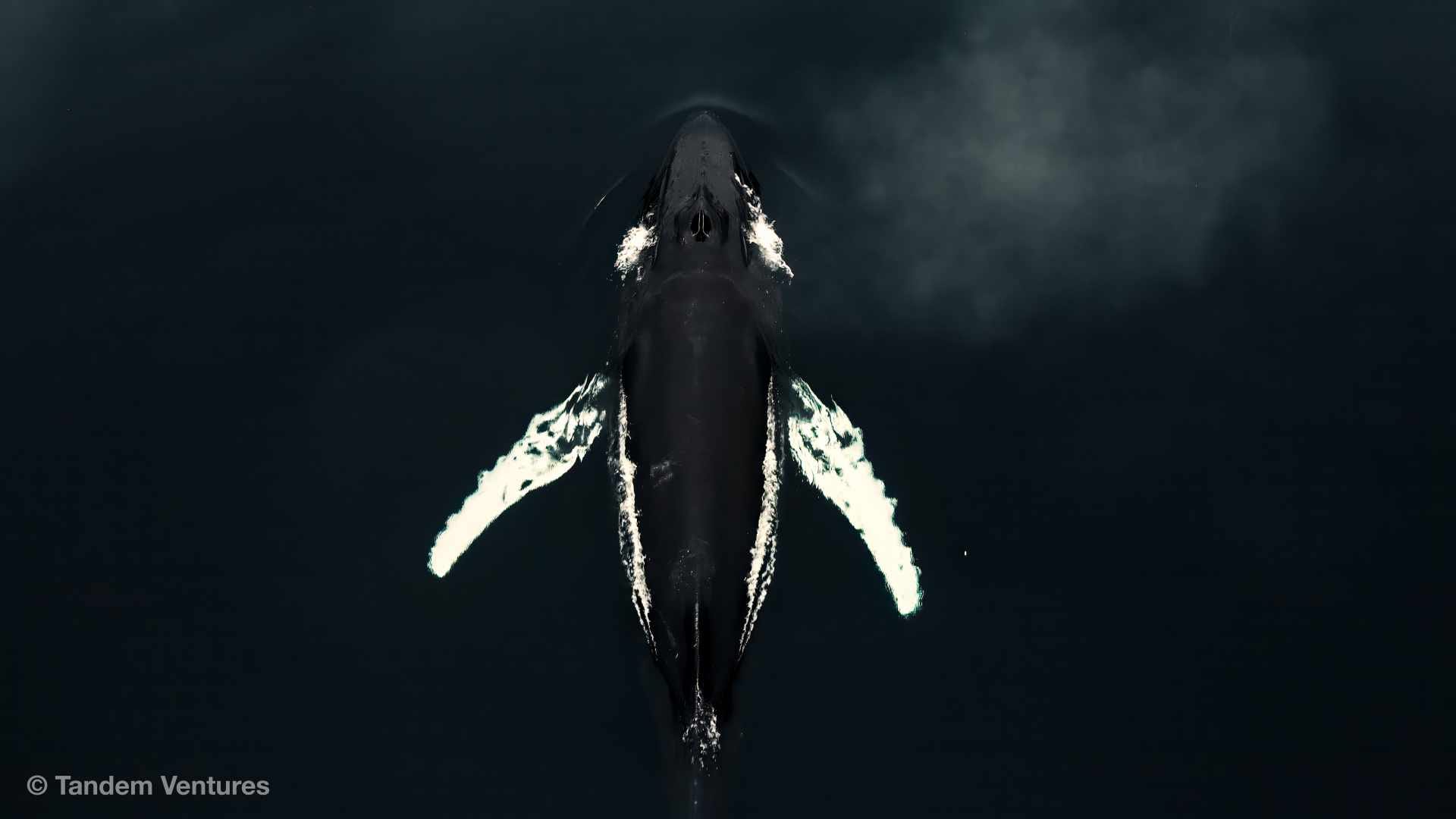
Entanglement in fishing lines and nets poses a major threat to humpback whales. It restricts their ability to move, feed, and breathe, often leading to death by drowning or starvation.
Individuals that survive may carry fishing gear for years, suffering from wounds, infections, and reduced physical condition. The scars left by entanglements are lasting evidence of these events.
Assessments of the scale of the problem have previously relied on photographs taken from boats, which show only limited portions of a whale’s body.
As a result, the true number of entanglements and their long-term impact on population health and fitness remain underestimated.
Measuring a whale is a technical challenge
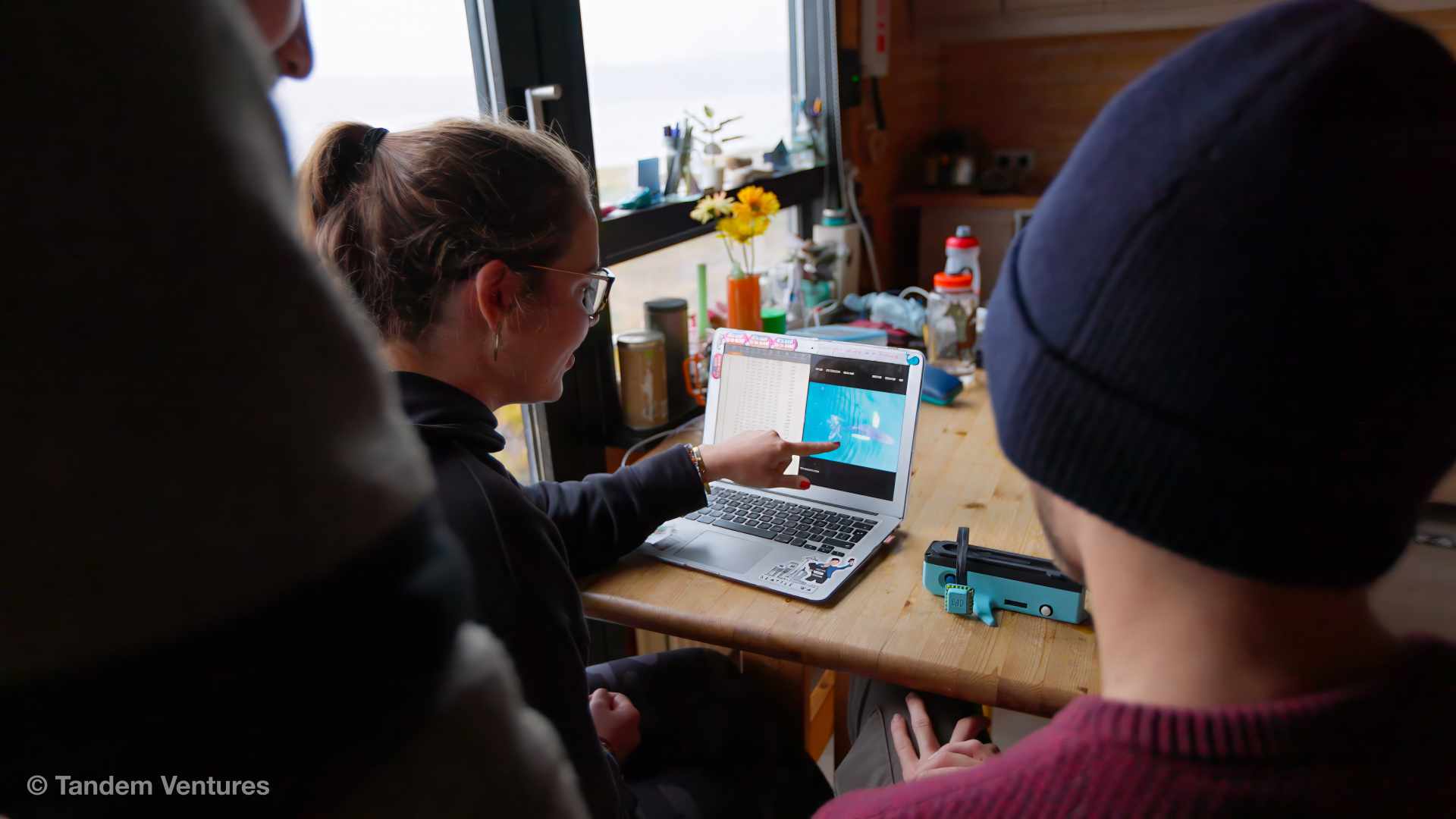
To understand how entanglement affects humpback whale health, scientists must accurately measure body length and proportions, which allows them to assess physical condition.
Measuring a swimming animal that can exceed ten meters in length in open water is extremely difficult. Traditional measuring tools are useless, and direct contact with whales is neither possible nor ethical.
Whale Wise therefore began using drones combined with LiDAR (Light Detection and Ranging) technology.
The drone captures images of whales at the water’s surface, while the LiDAR precisely measures the drone’s flight altitude by emitting an infrared pulse and recording the time it takes to return. Combining altitude data with lens parameters and imagery enables highly accurate calculations of the whale’s size.
Limitations of existing equipment
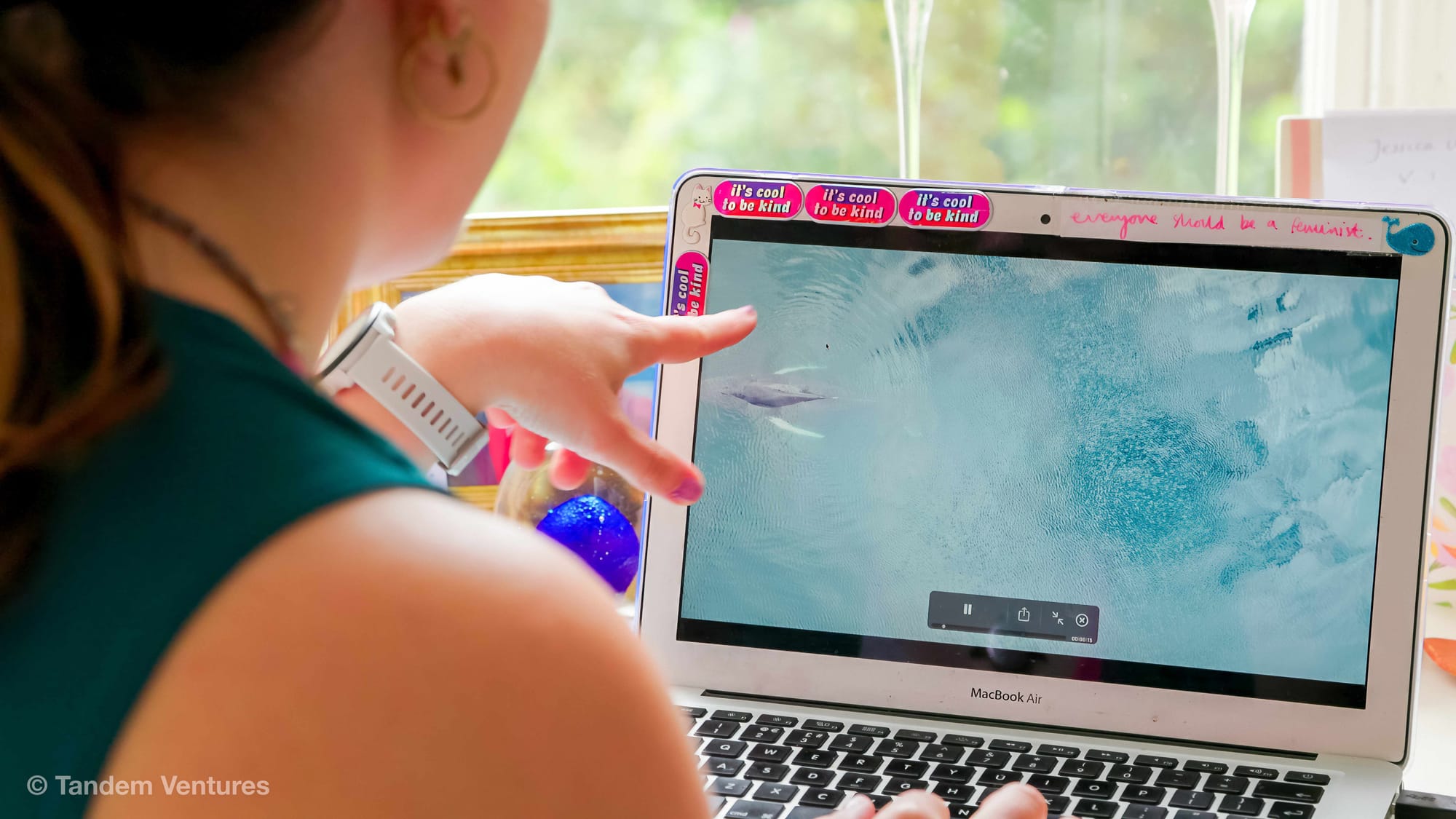
Although the existing Whale Wise system worked and enabled the collection of valuable data, it had many practical shortcomings. The external LiDAR module was large, heavy, and protruded beneath the drone, making it vulnerable to damage during takeoff and landing. The system required the drone to be hand-launched and caught, often using a protective glove.
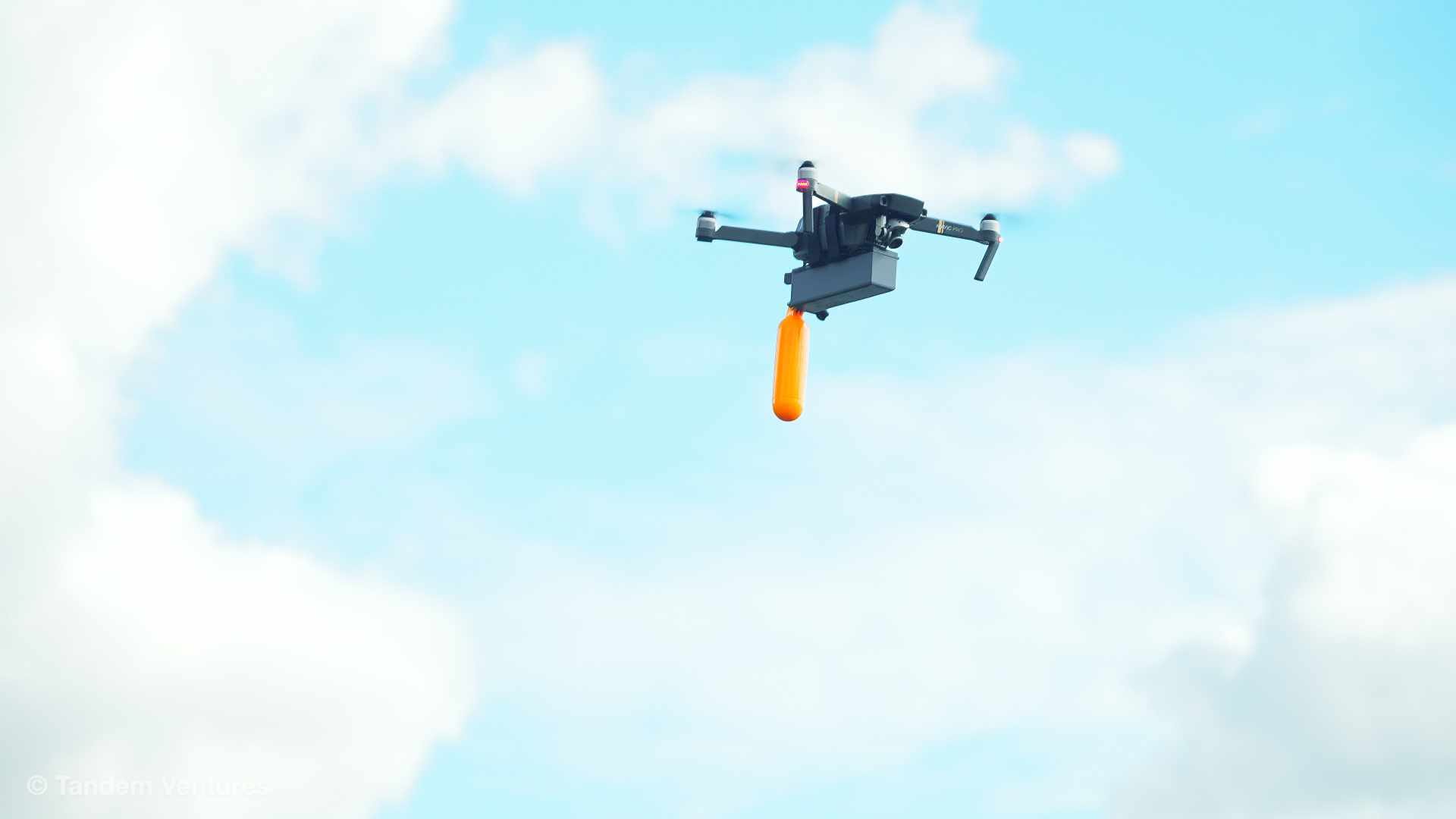
Wiring was exposed and dangerously close to the propellers, increasing the risk of failure. There was also no clear user feedback - the system’s status could only be inferred from blinking LEDs, with no direct information on data recording, battery level, or LiDAR operation.
Even basic tasks such as accessing the SD card required disassembling the housing, which was time-consuming and risky in harsh field conditions.
Designing a better solution
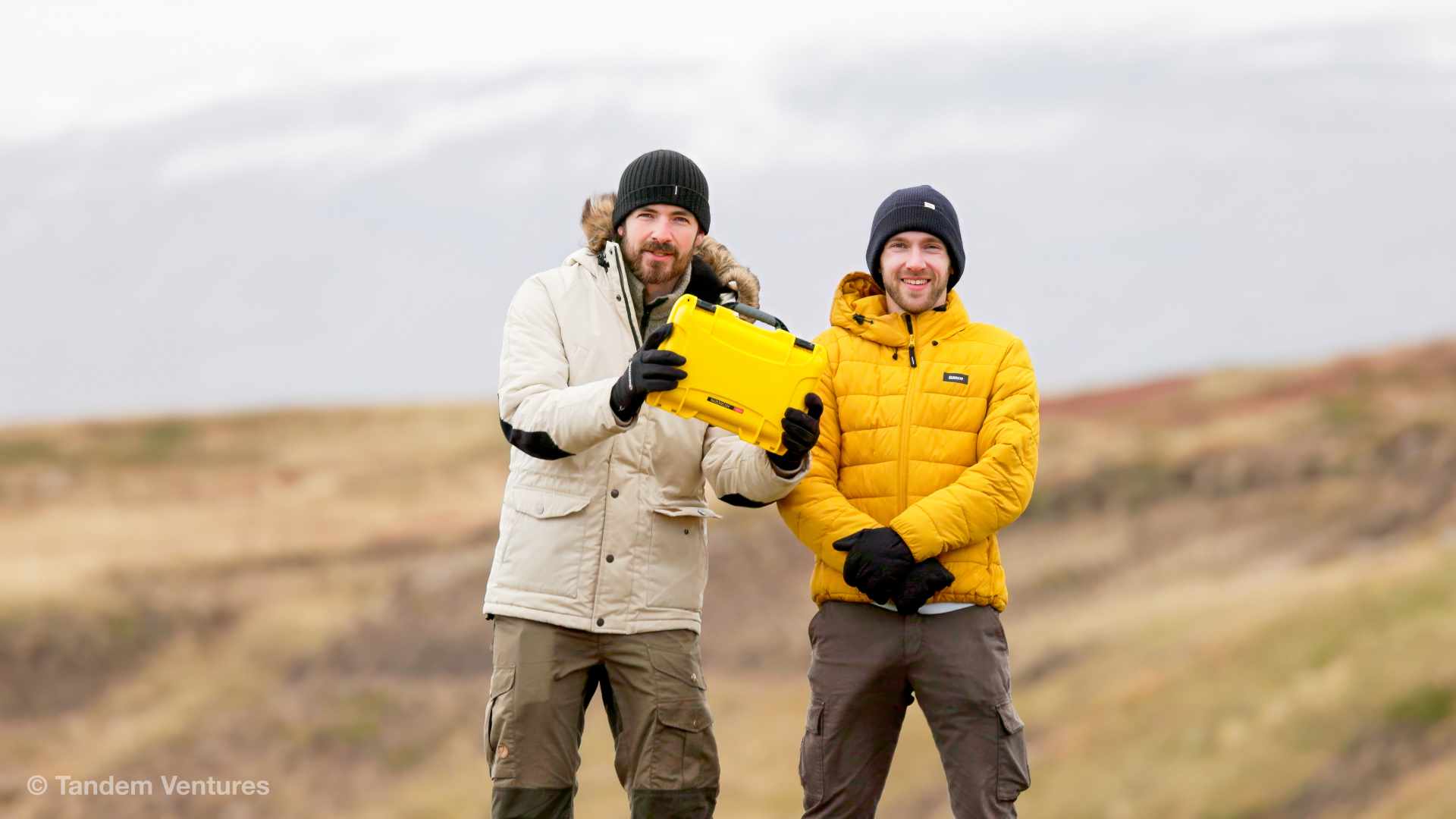
Rogers and Towler decided to redesign the system from the ground up, focusing on three main goals: simplifying operation and improving safety, increasing the reliability of data recording, and adapting the device for a wider range of working conditions, including research conducted from boats.
Inspiration came from the open-source LiDARBoX initiative developed by Oregon State University, but the new project aimed to go further.
The team opted for modern, lighter electronic components and full integration of the system into a single, compact housing.
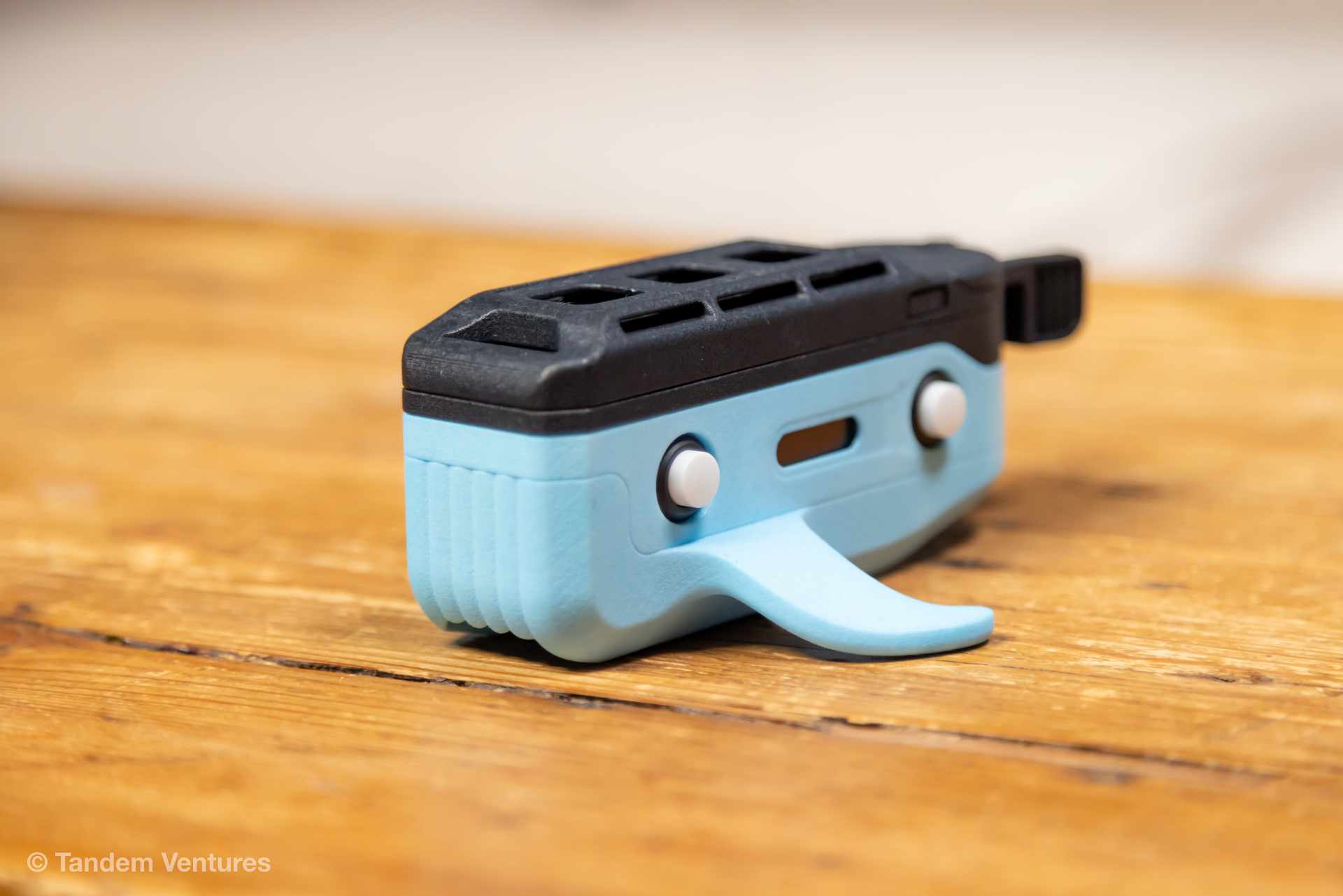
At the heart of WHASER is an Arduino ESP32 Nano microcontroller, working with a new, smaller LiDAR sensor, a GPS module, an inertial measurement unit (IMU), a microSD card reader, a USB-C-charged battery, and a small OLED display.
Each design iteration became progressively lighter, directly translating into longer drone flight times.
Ergonomics and a “product” approach
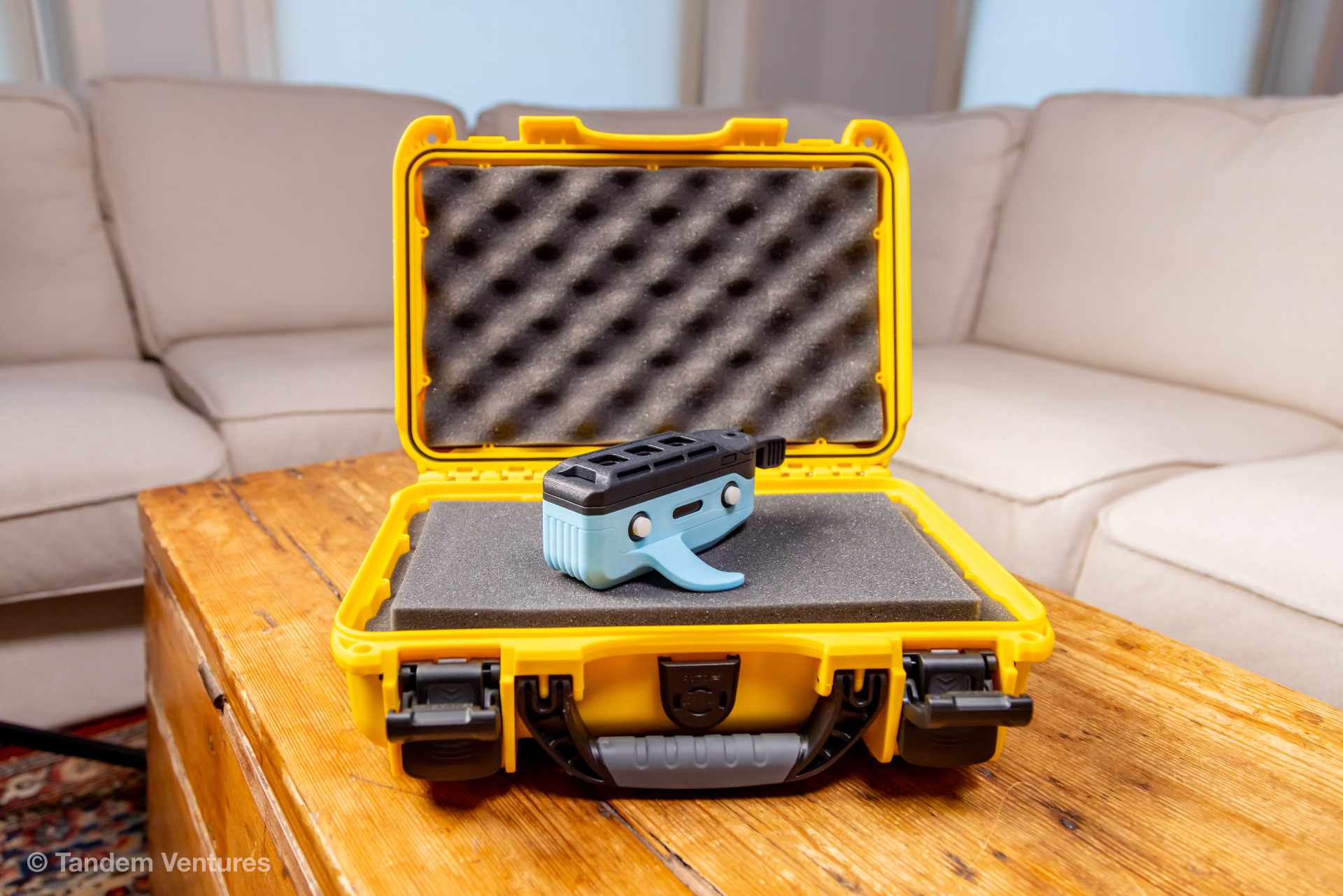
Alongside electronics development, the physical form of the device was refined. Several enclosure concepts were created and tested using Bambu Lab 3D printers. One concept featured a modular system with a fixed mounting plate on the drone and a removable electronics module. Another integrated the housing with a handle for catching the drone.
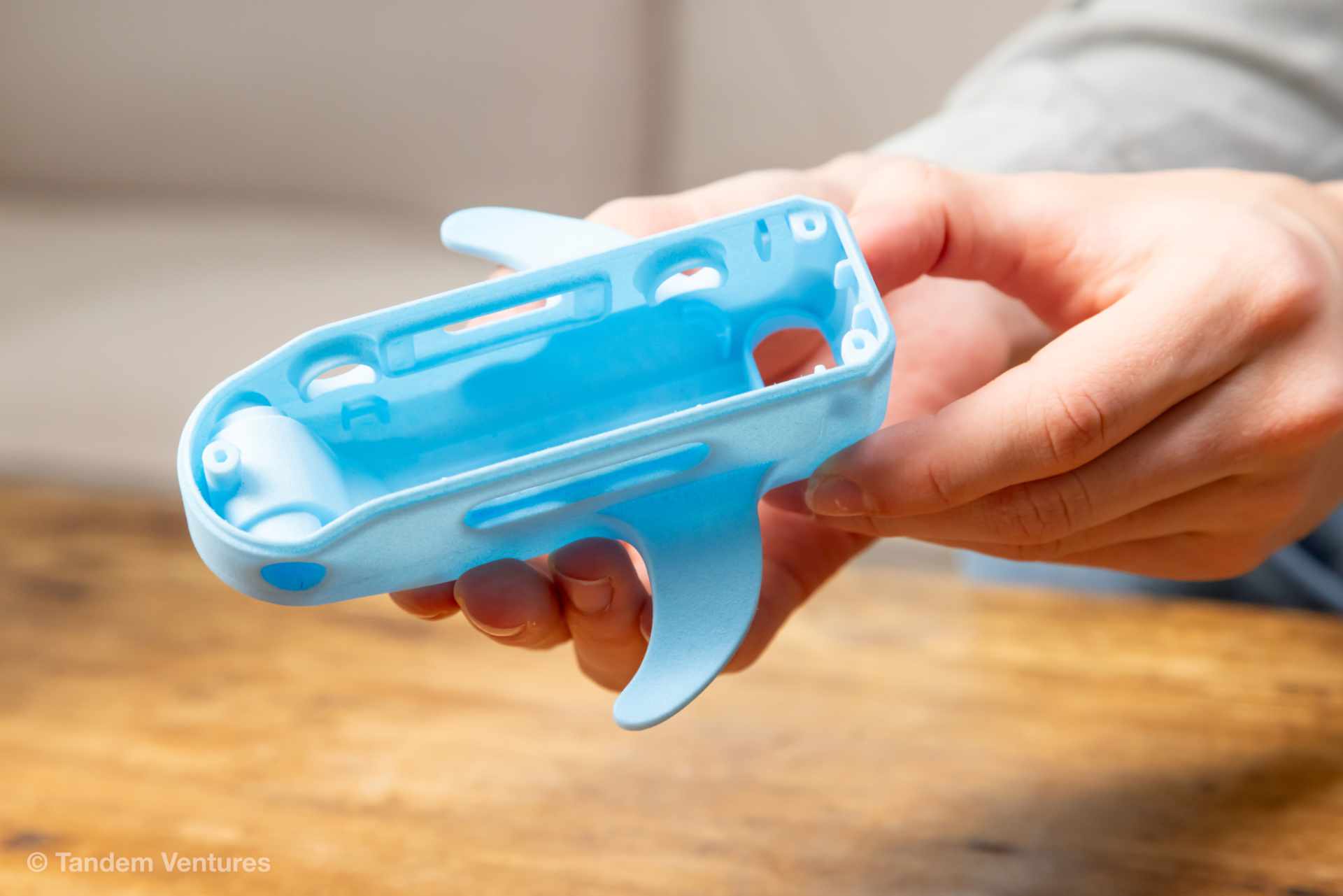
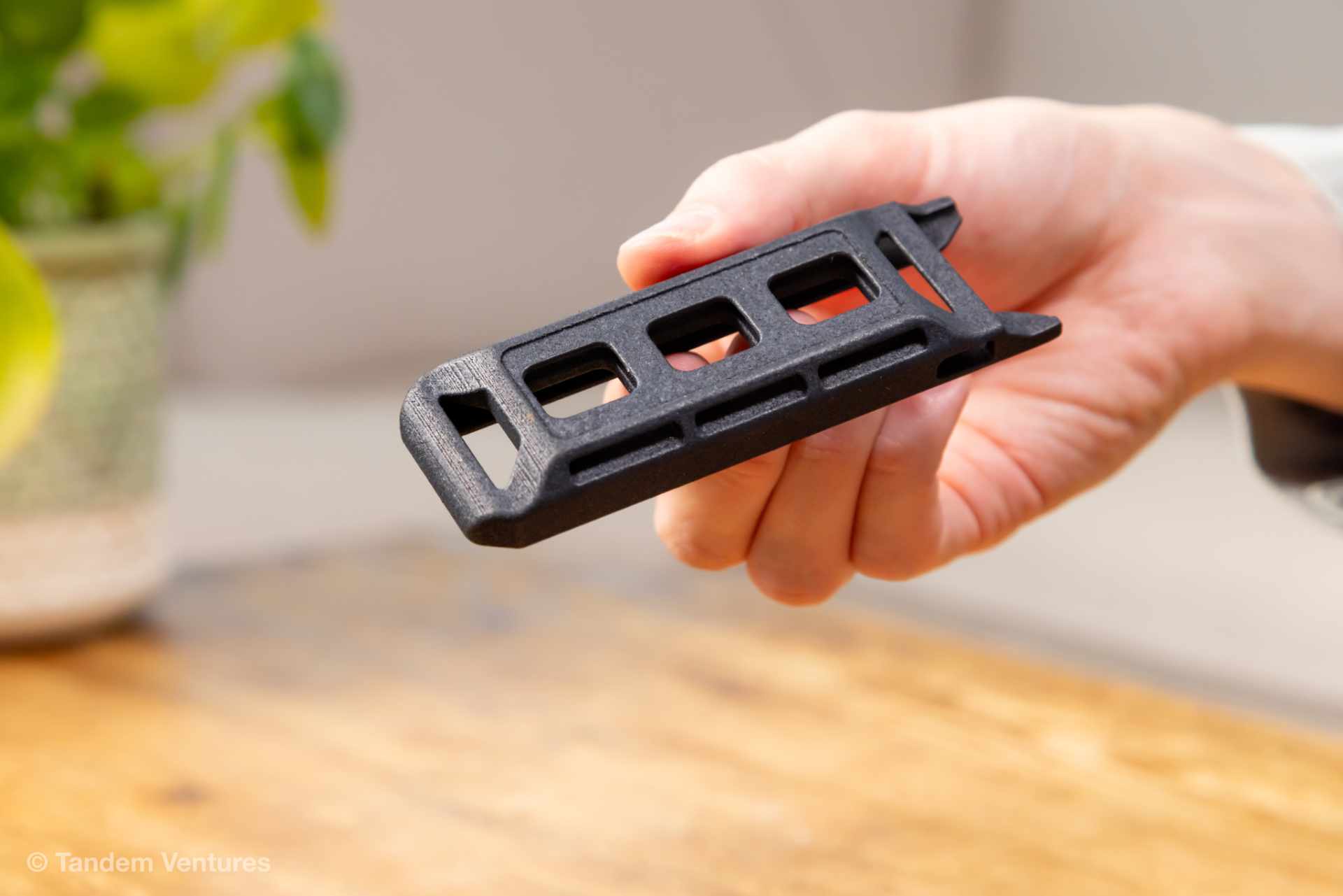
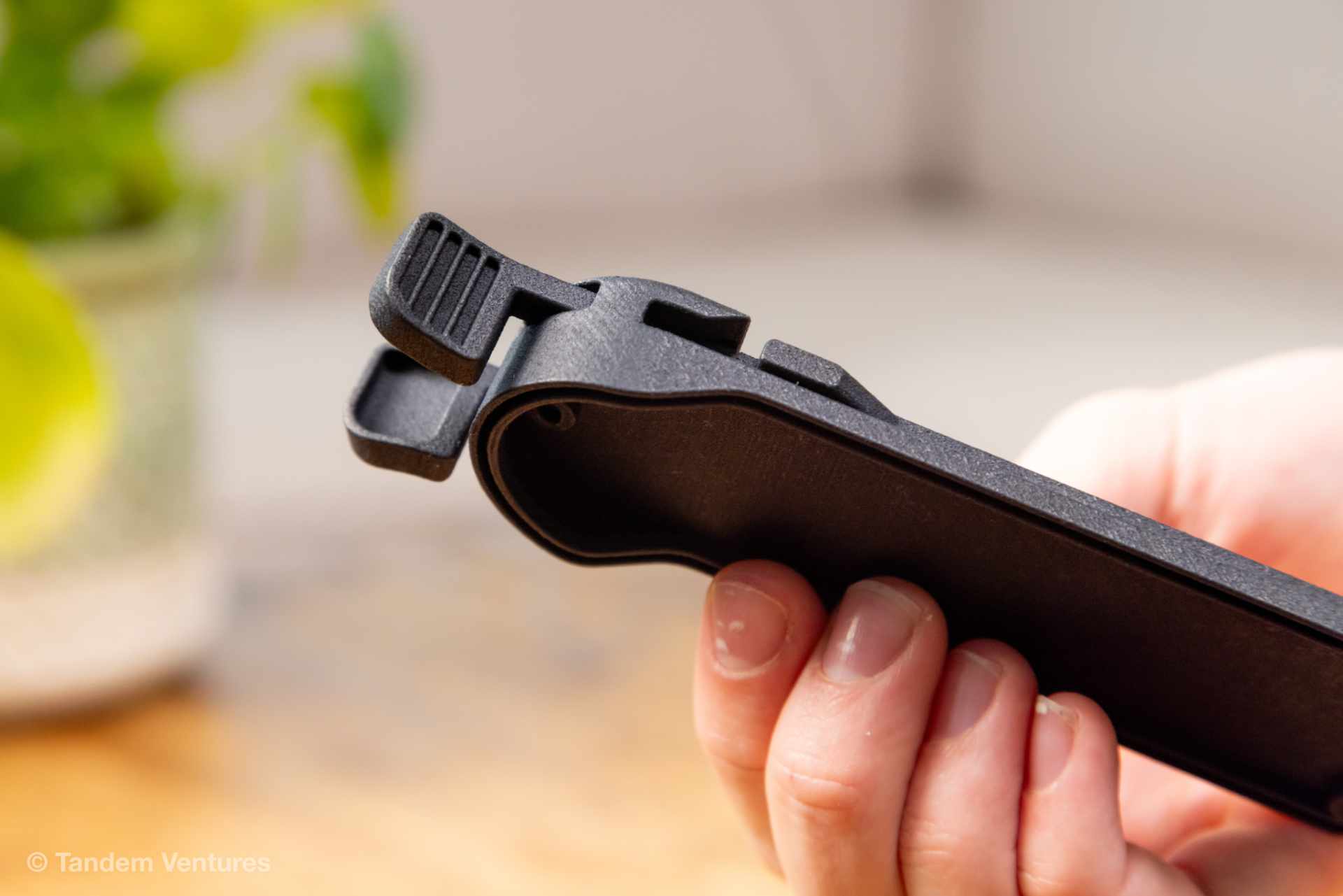
After testing with non-technical users, a hybrid solution was selected - easy to mount quickly, safe to catch, and suitable for both ground and boat-based takeoffs and landings.
The final design also accounted for operation with gloves and in challenging weather conditions.
Testing in Iceland
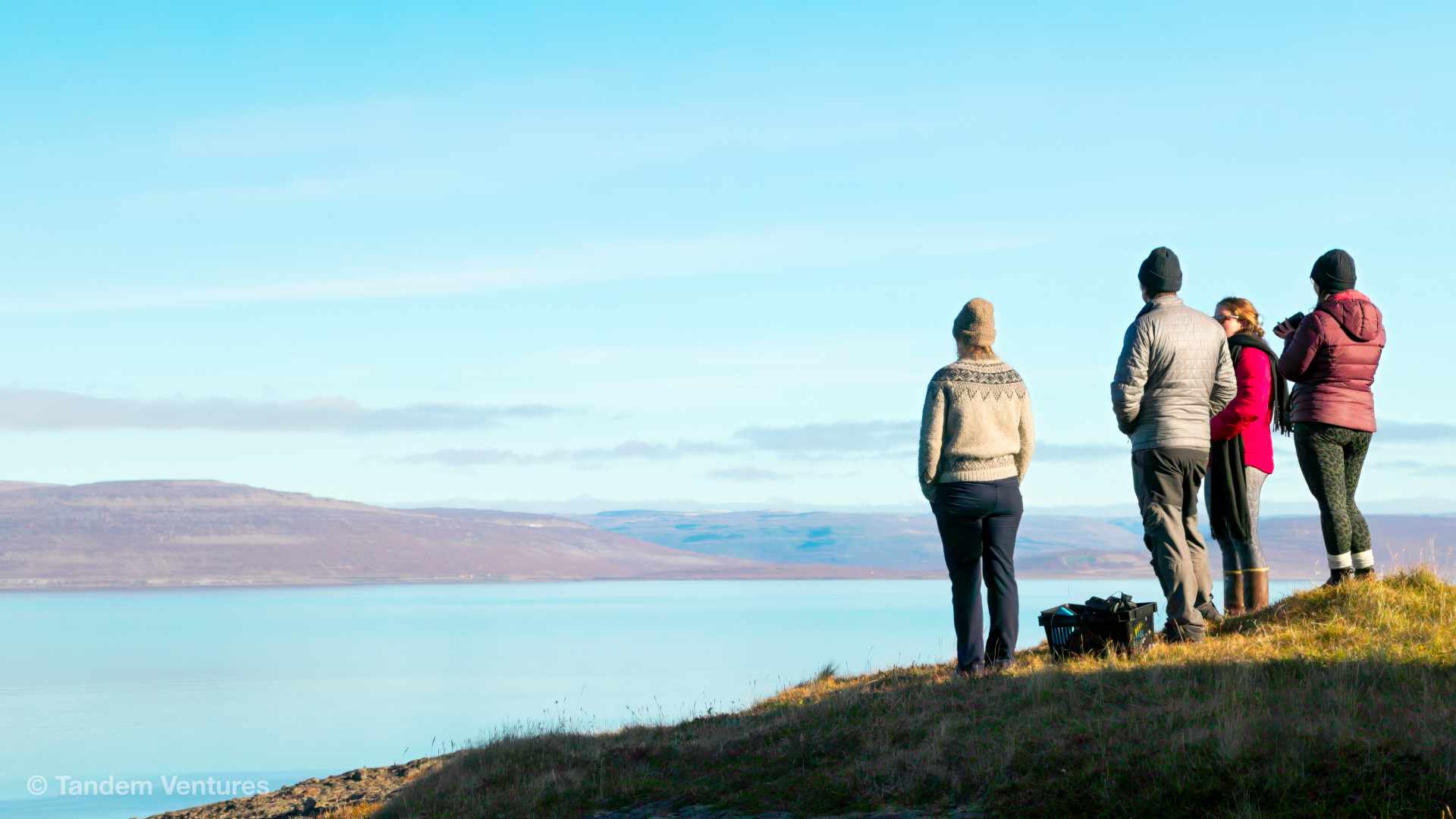
The first fully functional WHASER prototype was tested in the summer in Iceland’s Westfjords together with the Whale Wise team. The device was smaller and lighter, featured an internal battery, and included an OLED screen displaying key information such as battery level, LiDAR readings, SD card status, and GPS signal.
During testing, the system performed well in both trial flights and real research conditions. Measurements of three humpback whales were successfully completed, and the collected data - including a measured length of 10.24 meters for one individual - matched previous records, confirming the system’s high accuracy.
The final version of WHASER was further optimized - its mass was reduced, assembly simplified, charging ports and the SD card were protected from moisture, and the design was made compatible with multiple drone models.
The project remains open-source, enabling adaptation and local production by research teams around the world.
WHASER is not merely a new technological gadget, but a practical tool that genuinely supports cetacean conservation. It allows scientists to focus on research rather than struggling with equipment.
 Pawel Slusarczyk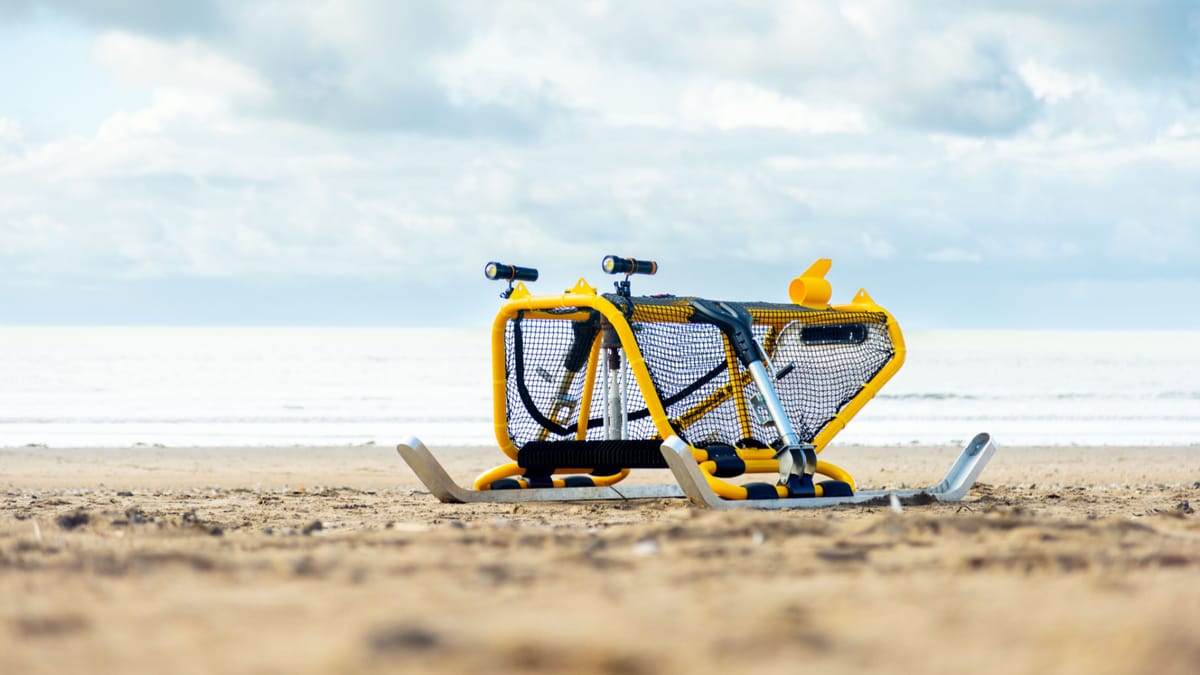
The WHASER project was not Tandem Ventures’ first initiative at the intersection of engineering and marine conservation. Previously, the team developed the Seagrass Harvester - an innovative device for the mechanical collection of seagrass seeds - created in collaboration with Project Seagrass and Swansea University.
The goal of that project was to dramatically accelerate the restoration of underwater seagrass meadows, nearly half of which have disappeared in recent decades due to human activity.
Instead of the extremely slow, manual collection performed by divers, the Seagrass Harvester can be towed along the seabed, gently cutting seed-bearing shoots and transporting them to the surface. This approach is estimated to be up to one hundred times faster than traditional methods.
As with WHASER, rapid prototyping using Bambu Lab 3D printers and a philosophy of open access played a key role - the full project documentation will be released as open-source, enabling adaptation by research teams worldwide.
All photos courtesy of Tandem Ventures. All right reserved.