SWAPTEK SYSTEM - how does it work
The Swaptek system is the heart of the H3C printer and Bambu Lab’s answer to one of the most difficult challenges in FFF technology: multi-material printing

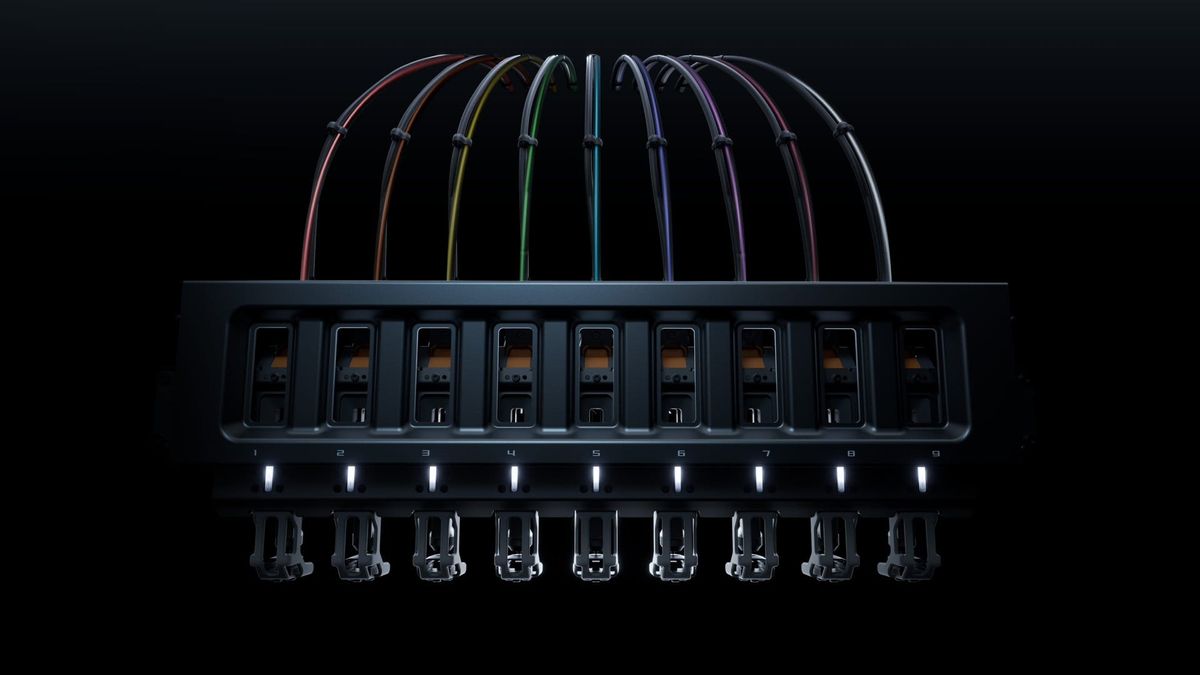
For years, printing with multiple materials has forced users to make compromises: a solution could be fast, reliable, or simple, but rarely all three at once. Swaptek was designed specifically to eliminate this compromise and make reaching for nine materials feel as natural as reaching for one.
Tool changer. Game changer.
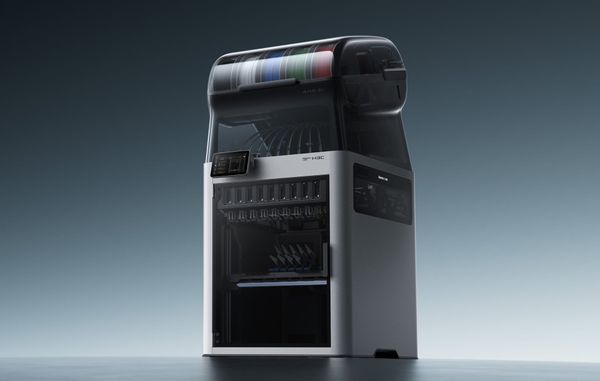
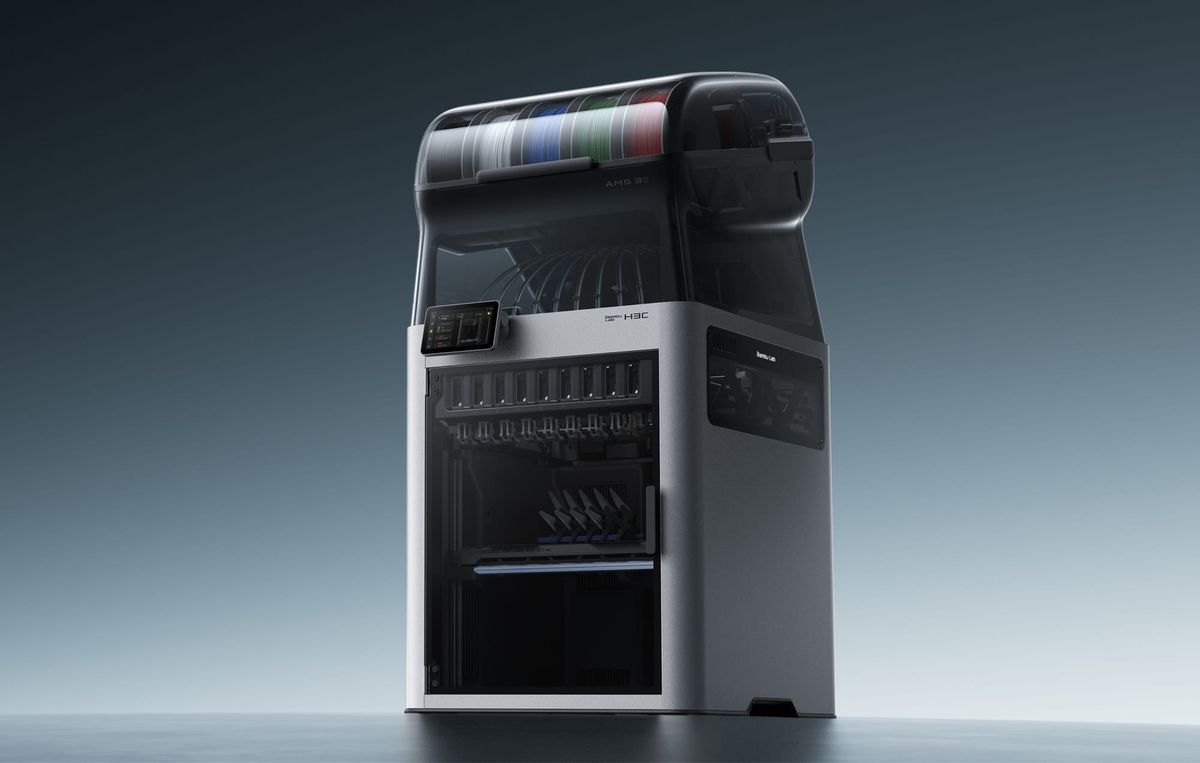
At the core of the system is a tool-changer architecture. Instead of a single print head that has to repeatedly load and unload different filaments, the H3C features nine independent print tools. Each has its own filament path and heating system. This seemingly simple design decision fundamentally changes how the printer handles material changes, and it is precisely what sets Swaptek apart from conventional multi-material solutions.
Because each tool keeps its filament permanently loaded, preheated, and ready to print, switching from one material to another does not require retracting one filament before feeding in the next. The entire costly cycle of retraction and reloading which in traditional designs consumes both time and filament with every color change simply disappears.

With nine materials, these seemingly minor costs add up very quickly. Eliminating them therefore has a significant impact on the duration of the entire print, rather than just on individual material changes.
Through design optimization, refined parameters, and active pre-heating, Swaptek reduces the material changeover time “from print to print” to less than six seconds, consistently, with minimal priming.
Active Pre-Heat technology
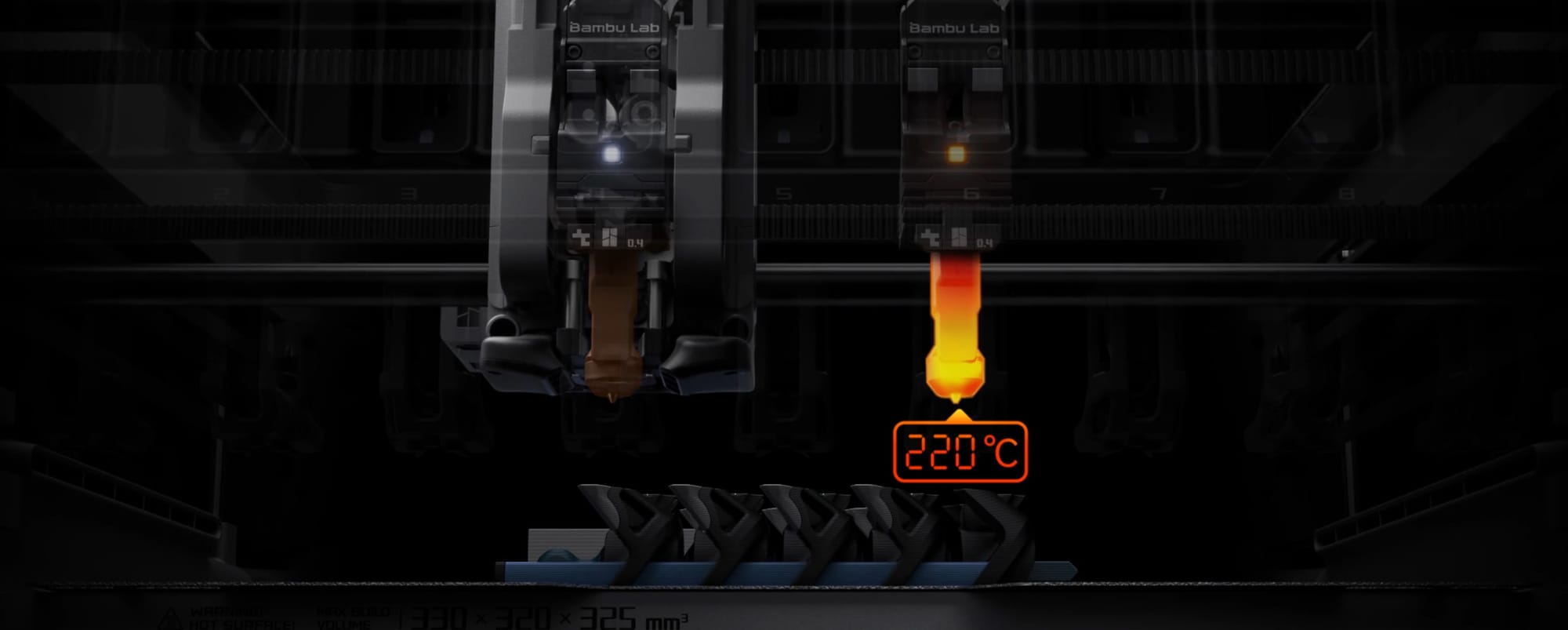
The key to achieving this speed is Active Pre-Heat technology. Preheating a nozzle usually means additional waiting time, and with complex models, a single extra second can accumulate into tens of minutes or even hours when there are a large number of tool changes.
Active Pre-Heat solves this problem by reading the G-code ahead of time. The system knows exactly when the next tool change will occur and begins heating the incoming nozzle while the current tool is still printing.
By the time the actual change takes place, the new nozzle has already reached its target temperature. After a brief priming sequence, the material is back on the model in approximately six seconds, with no heating-related downtime.
Retractable Rack
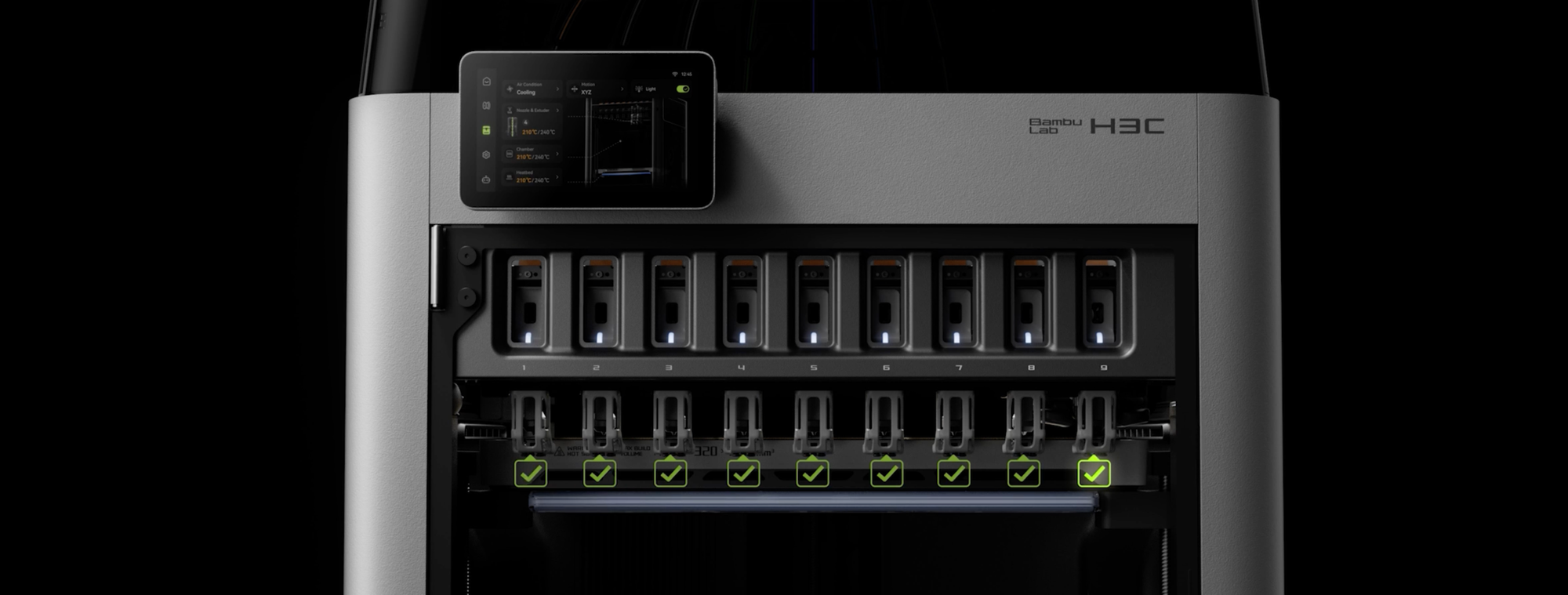
Smooth and reliable operation is also supported by the Retractable Rack. During printing, it retracts the filament guide tubes, keeping the nozzles in a position that provides better visibility of the print while still presenting them to the toolhead when a tool change is required. The mechanism also helps make more efficient use of the printer’s available space, allowing for additional Z-axis print volume without requiring a taller machine.
At the same time, retracting the tubes prevents them from bumping into each other and generating unwanted vibrations that could otherwise lead to print defects. It is not the kind of feature that immediately catches the eye, but it addresses several practical issues that become increasingly important during long, multi-material jobs.
It is worth emphasizing that Swaptek is not a single mechanism, but an architecture around which the entire machine has been built.
The H3C relies on three interconnected elements: Swaptek handles tool changing, the FlexFeed Extruder supports both 1.75 mm and 2.85 mm filament, with the larger diameter providing more reliable feeding of flexible materials, while the AMS 3H stores, dries, and feeds the material.
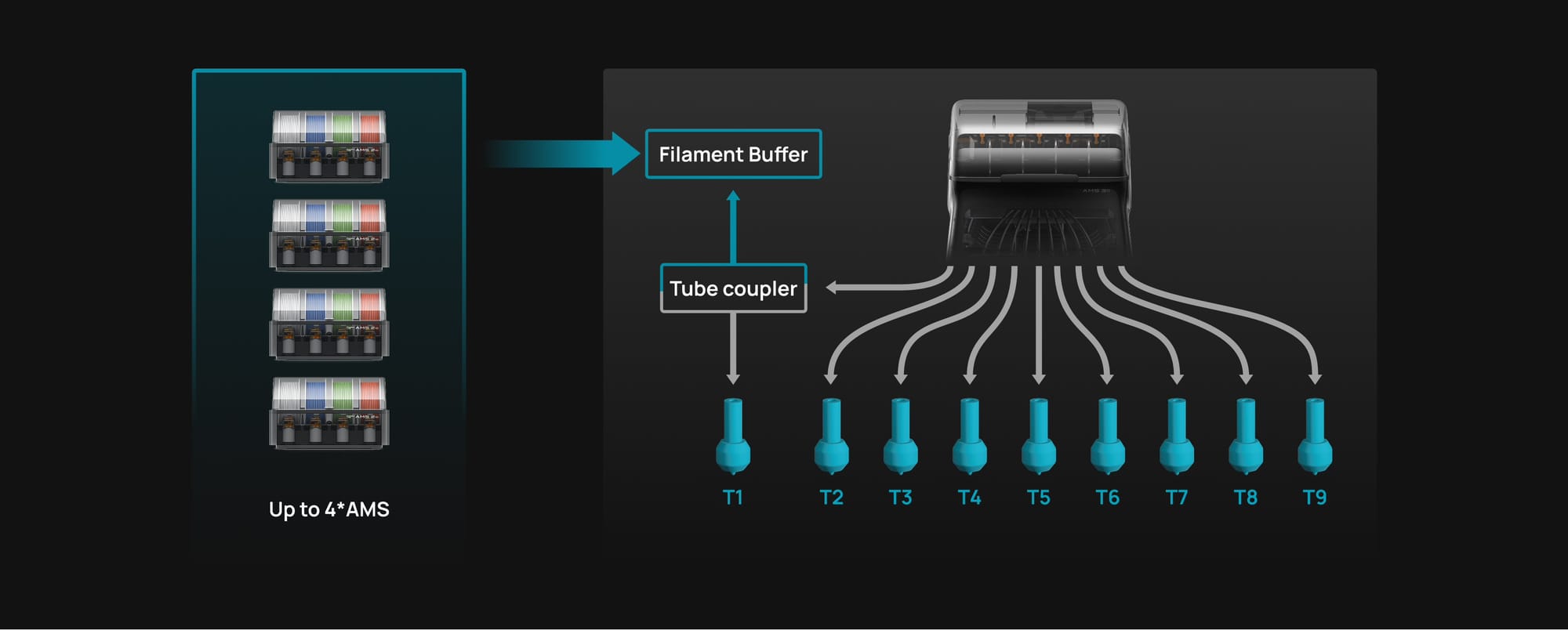
Together, they keep the complexity where it belongs - in the engineering, rather than in everyday operation. Swaptek is the central element of this system because it is the component that physically turns the concept of multiple materials being delivered quickly and without human intervention into reality.
Docking and automatic tool changing are another pillar of the system. The tools are mounted in the same way and switched automatically, with no manual intervention required from the user.
Multitool beyond 3D printing
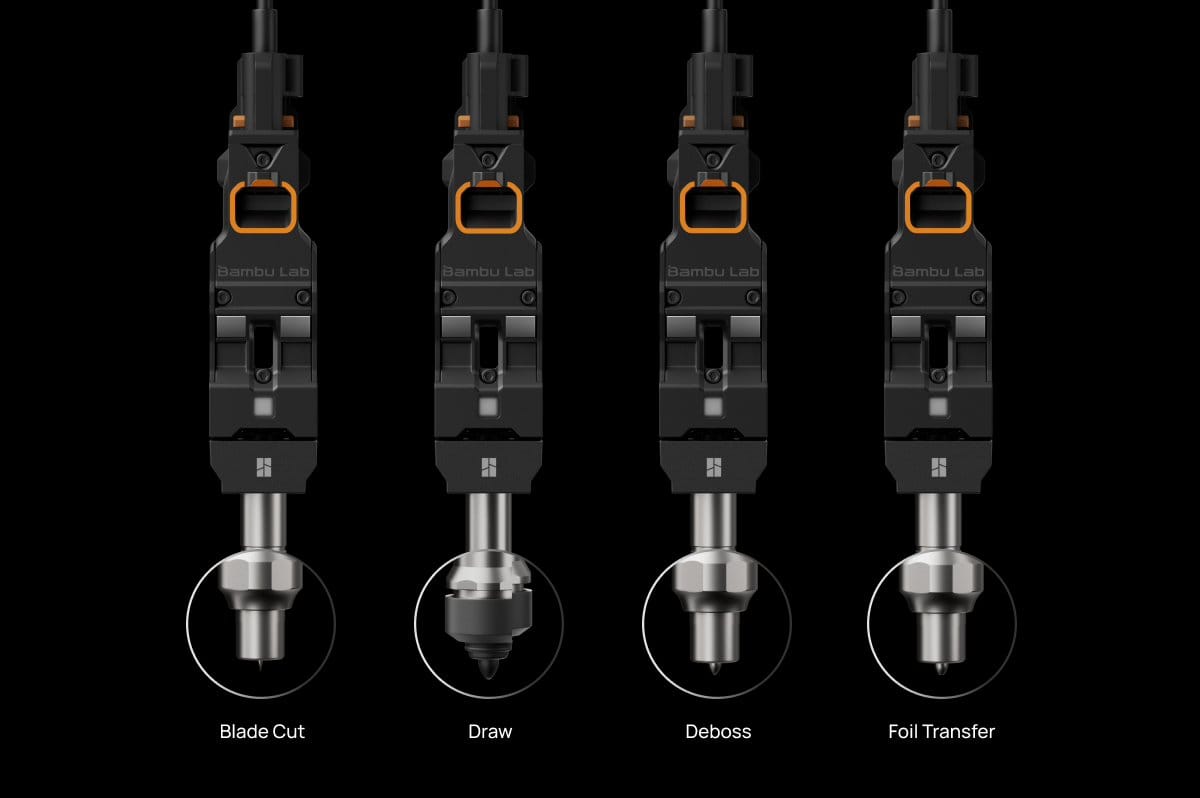
Importantly, Swaptek is not limited to printing tools. The same dock can accommodate CutTool, DrawTool, DebossTool, and other tools that can also be switched automatically.
They can remain loaded and ready at all times, allowing the machine to move directly into 2D operations: cutting, drawing, or debossing, without any need to prepare or reconfigure the printer. A multi-stage project therefore no longer requires several machines, manual tool changes, or repeated setup: one job, multiple processes, with virtually no human intervention.
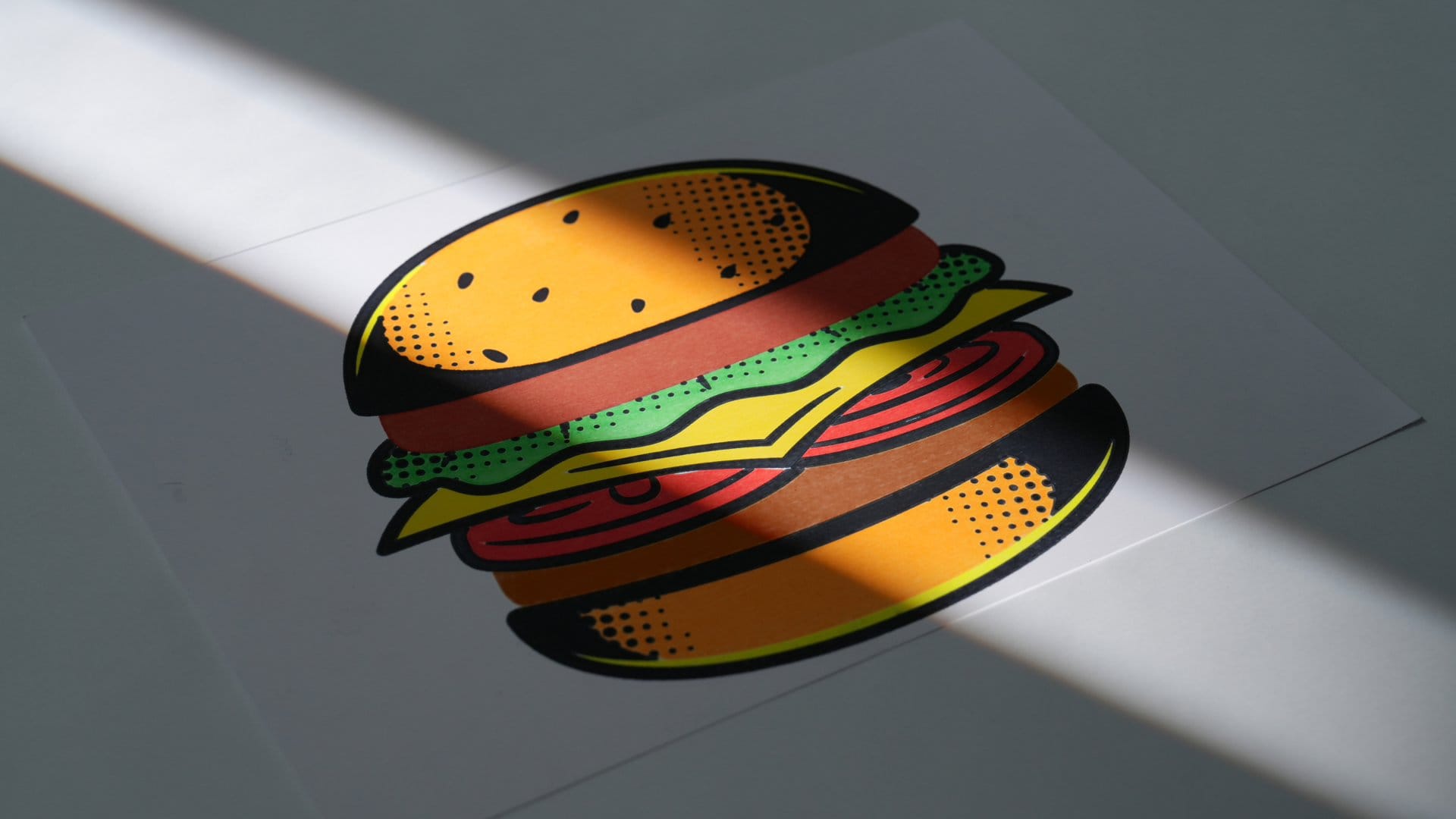
For the user, this means that different tools can remain loaded and ready for use without requiring manual tool changes between processes. You can have printing, cutting, drawing, and debossing tools docked on the machine at the same time.
After completing a 3D print, for example, you can move directly to a cutting or drawing operation simply by placing the appropriate 2D plate and starting the project, without manually changing tools or repeating the calibration process. Once the 2D operation is complete, the plate can be removed and the machine is ready to return to 3D printing.

Multiple 2D processes can also be combined within a single job, allowing cutting, drawing, and debossing to be performed as part of the same workflow. However, 3D printing and 2D operations are currently handled by separate software environments, so they cannot yet be combined into one job.
It is precisely this combination of solutions that allows Swaptek to break the compromise mentioned at the beginning. Nine independent, permanently preheated tools provide speed. The elimination of retraction, retractable guide tubes, and full automation provide reliability.
Automatic docking, calibration, and material feeding provide simplicity. It is only the sum of these features that turns multi-material printing from a technology “for the patient and forgiving” into something users can rely on every day, without worrying about the outcome.
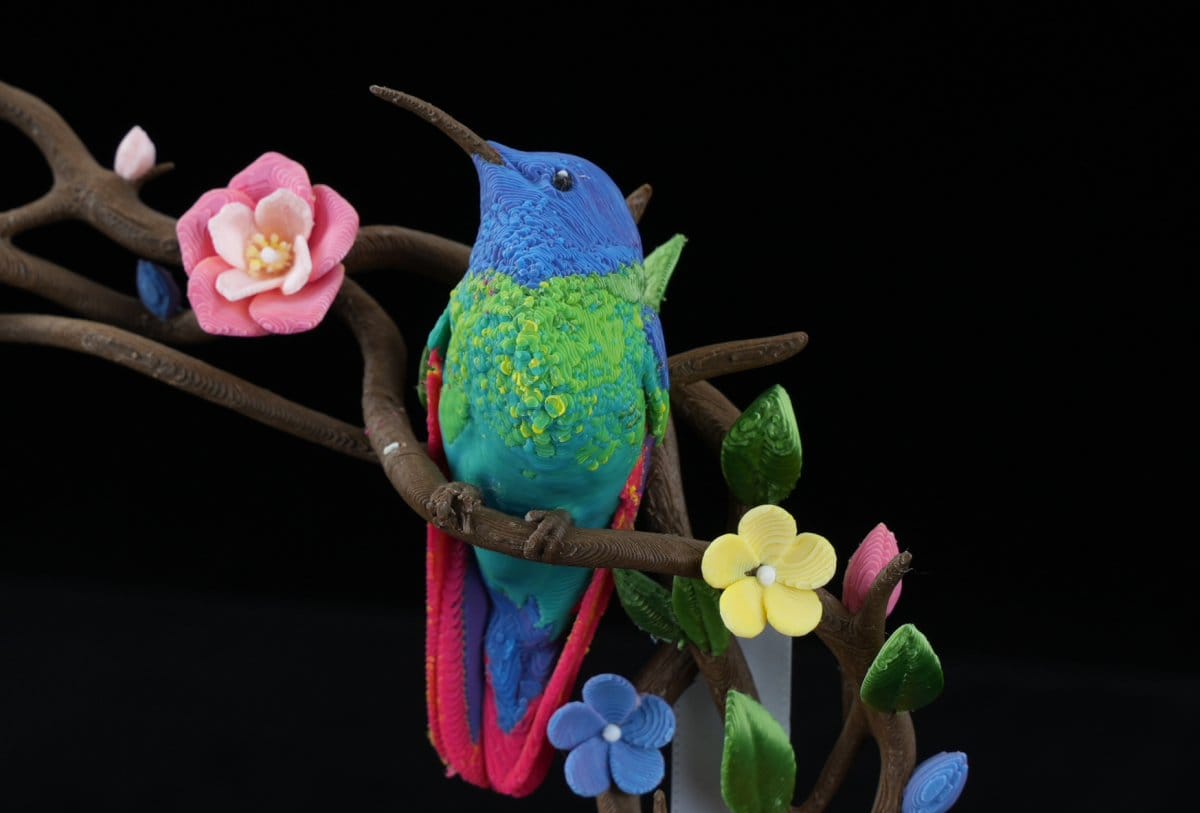
The significance of Swaptek goes beyond saving time. When changing colors or materials costs only a fraction of what it once did, entirely new ways of working become possible: freely mixing colors, combining different nozzle sizes within a single print, or carrying out processes other than printing.
The mechanism itself is therefore the foundation upon which the machine’s practical capabilities are built.
Go deeper:
 Bambu Lab
 Bambu Lab
 Bambu Lab