Tool changer. Game changer. Bambu Lab presents H3C - the defining new generation of 3D printers
Nine materials in one machine, and the start of a new era in FFF 3D printing

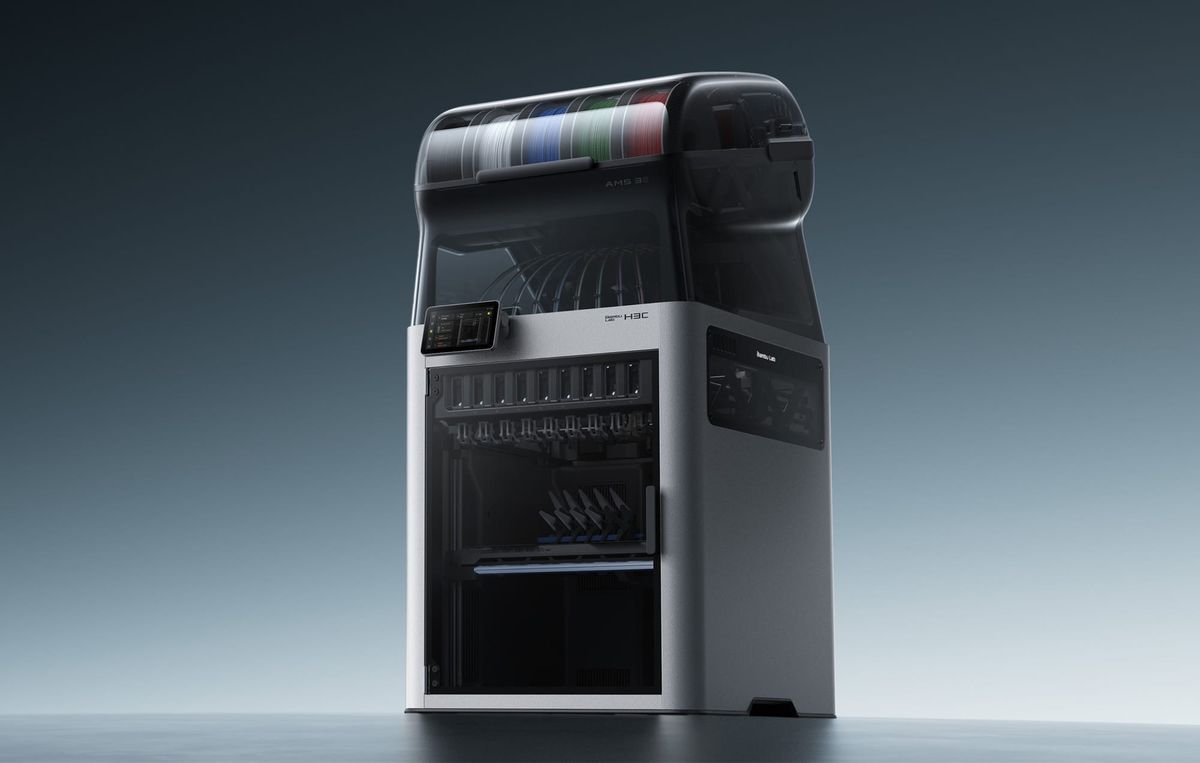
The H3C is Bambu Lab's first third-generation printer. It takes on one of the biggest challenges in FFF technology - multi-material printing, and pushes it to a new level!
Back in 2022, Bambu Lab made multi-color printing stop being a technology for the patient and forgiving. Calibration before every print, hours spent dialing in parameters, the first layer as an act of faith. All of that went away with the X1 and P1, and the second generation only cemented that standard.
One thing was left that no one had truly solved: easy to use multi-material printing.
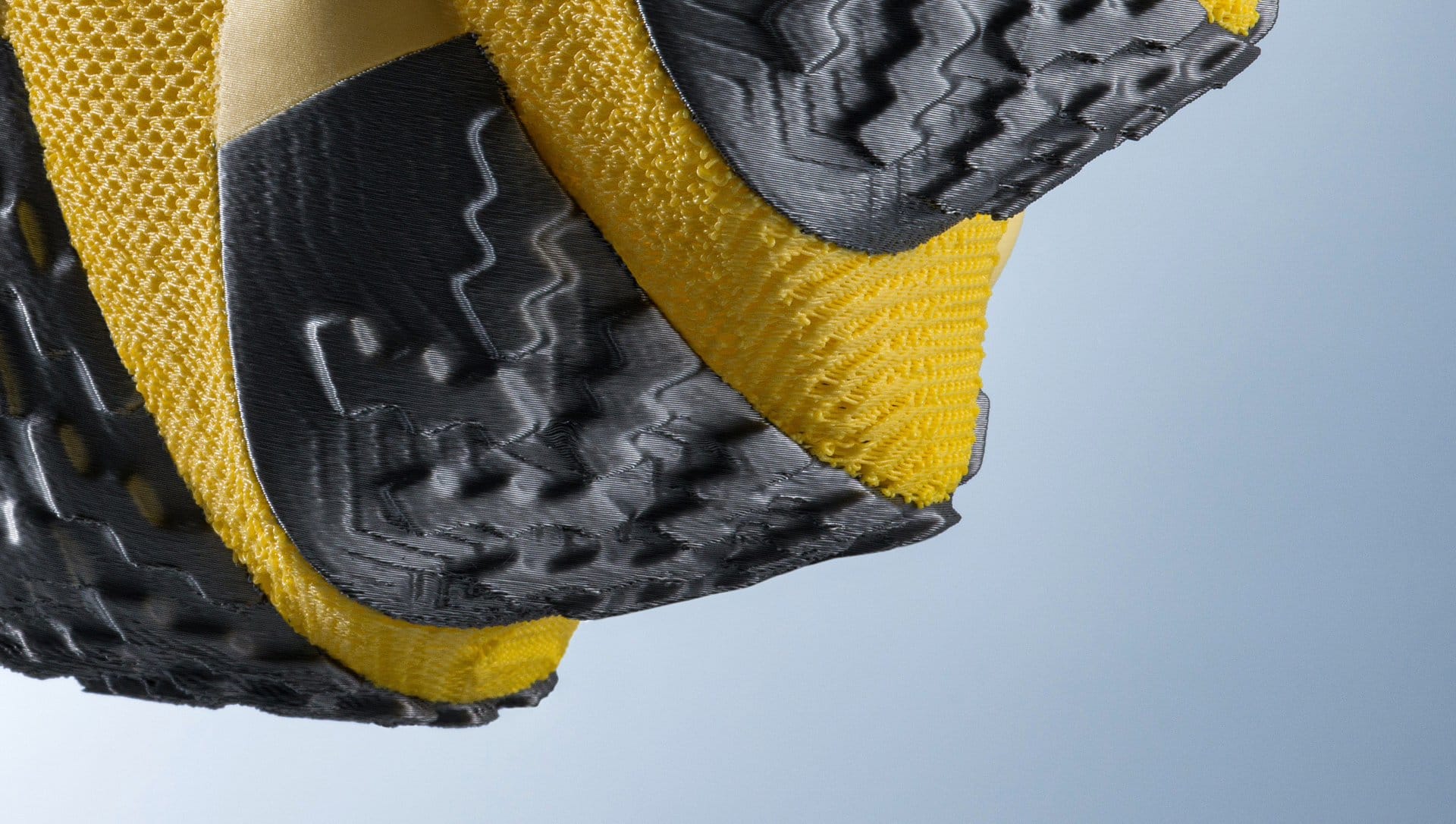
Because with multiple materials, a maker still runs around obstacles. Every color change counts as a cost in time and filament. Until now, multi-material solutions and tool changers forced you to pick one of three: it could be fast; it could be reliable; it could be easy. Rarely all at once.
The H3C takes on exactly that challenge.
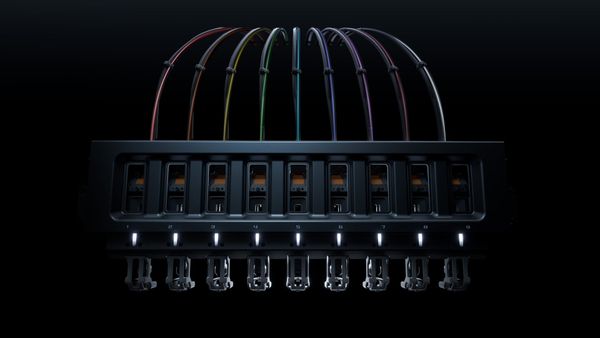
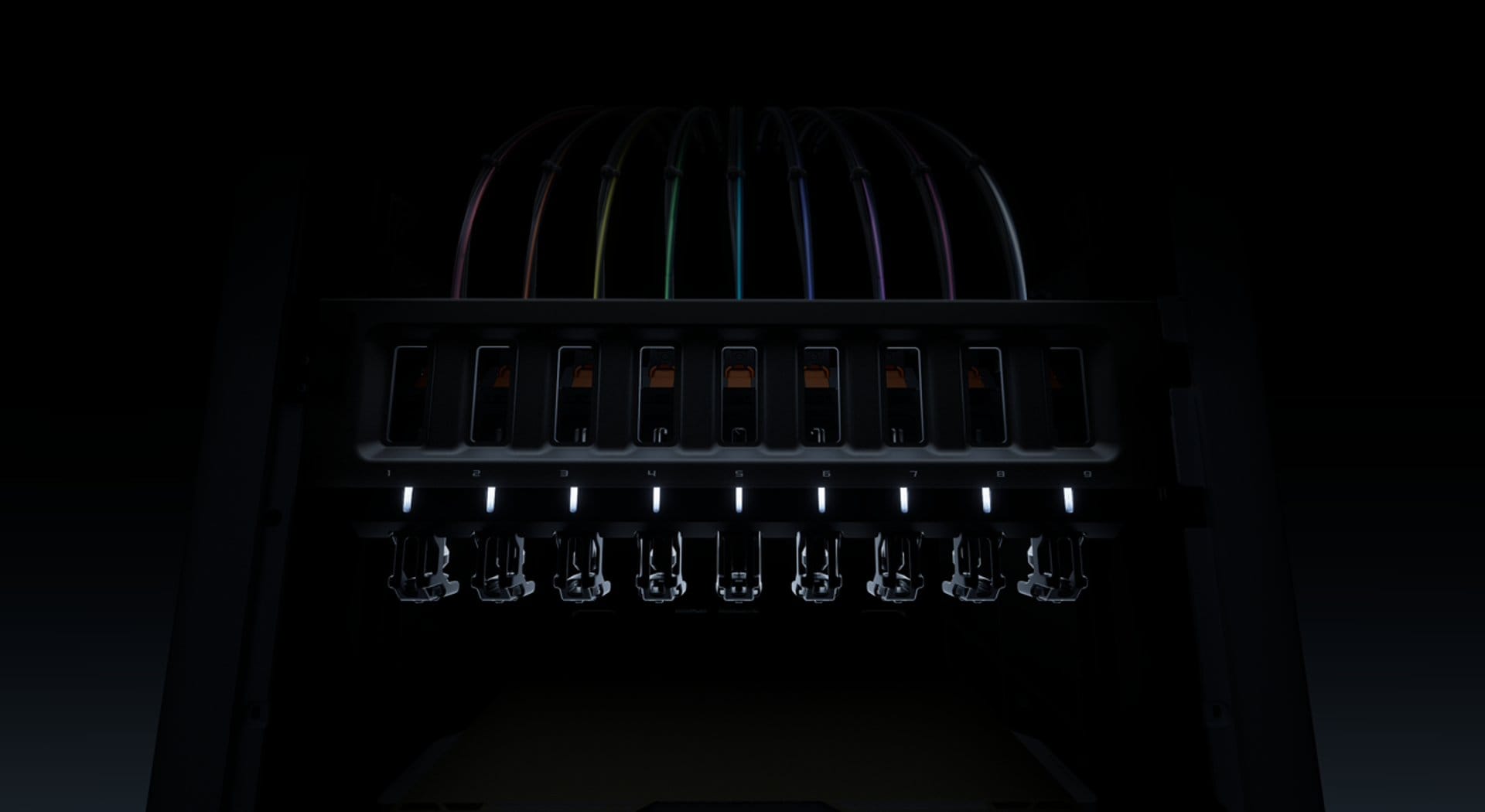
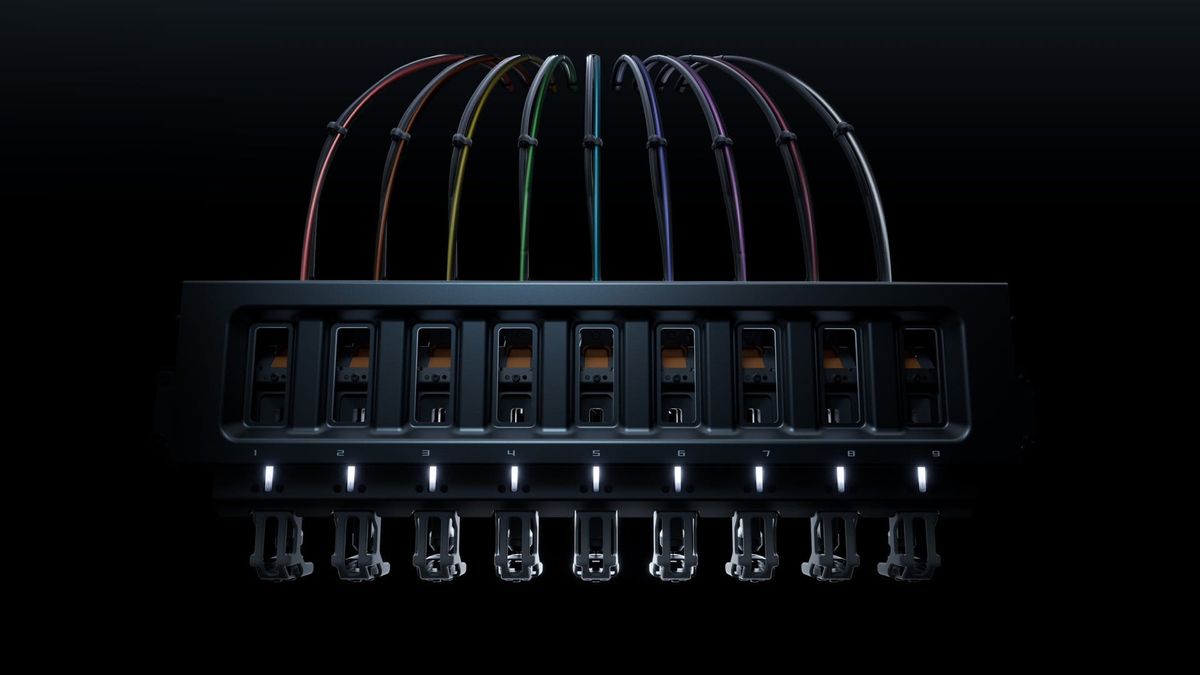
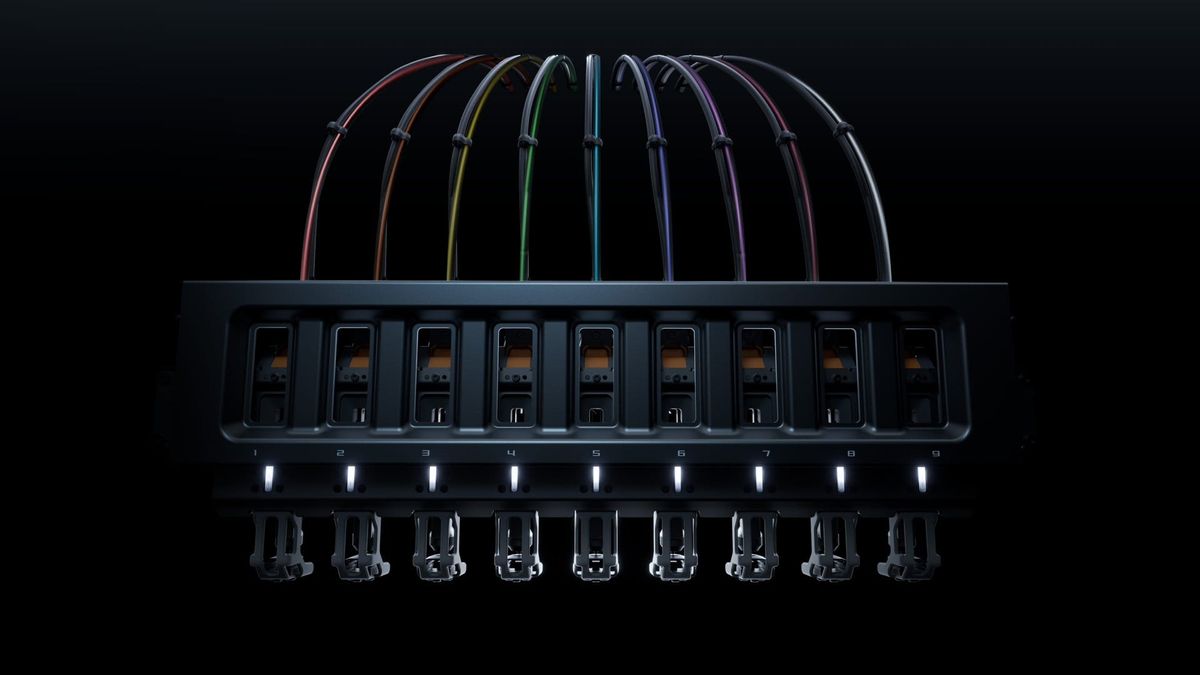
At the heart of the machine sits the Swaptek™ architecture: nine print tools, each with its own filament path and its own heating, and a material switch in 6 seconds, print after print.
TOOL CHANGER. GAME CHANGER.
A system designed around the tool changer
Multi-material printing is not a feature you bolt onto an existing design. To crack it, a machine has to be organized around the problem from the start - and that is exactly how the H3C was conceived. For all the progress that came before, this was the part that stayed hard: every time a print was meant to include more than one material, problems and limitations started to show up.
But through all of it, one thing stayed hard. Every time a print was meant to include more than one material, problems and limitations showed up.
Not anymore.
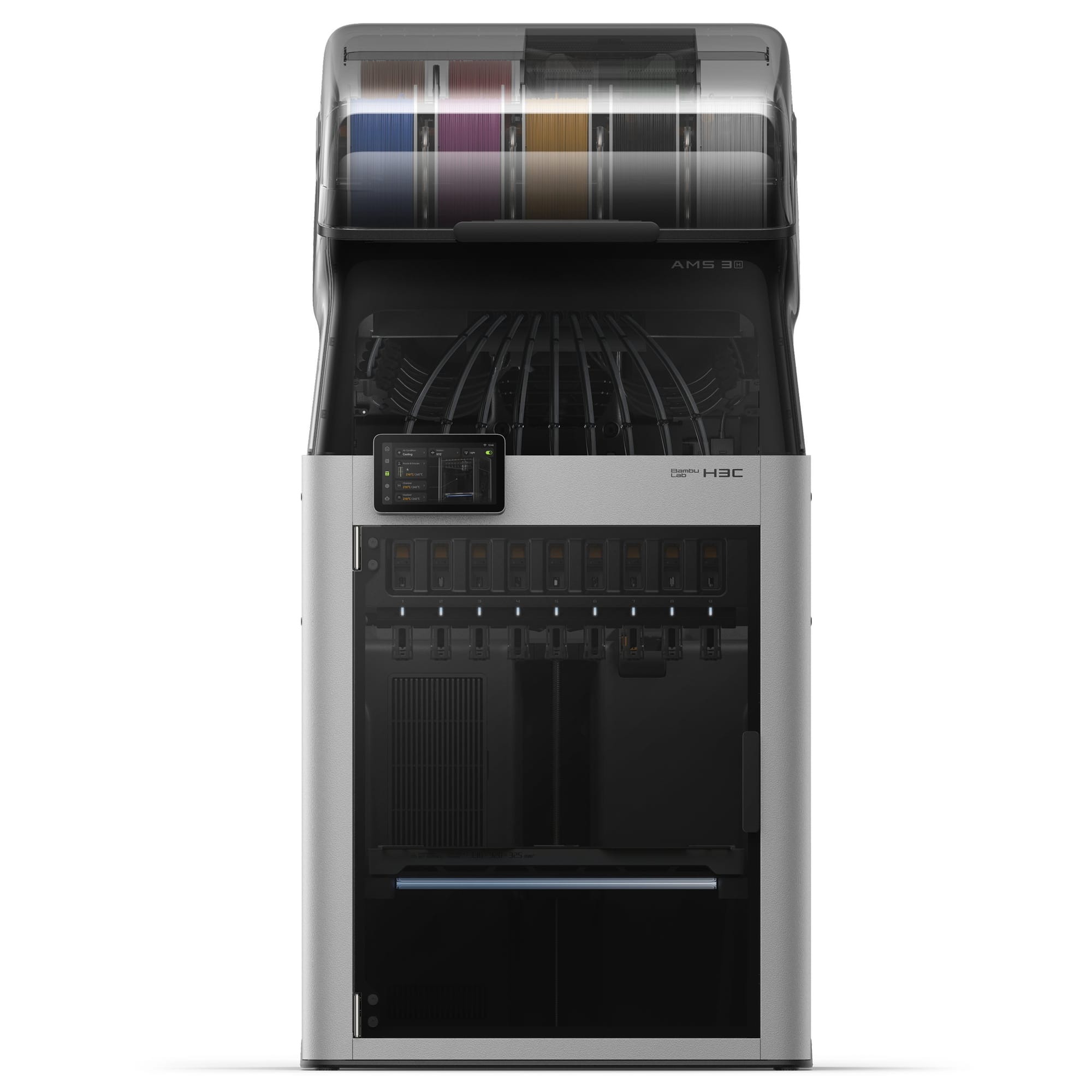
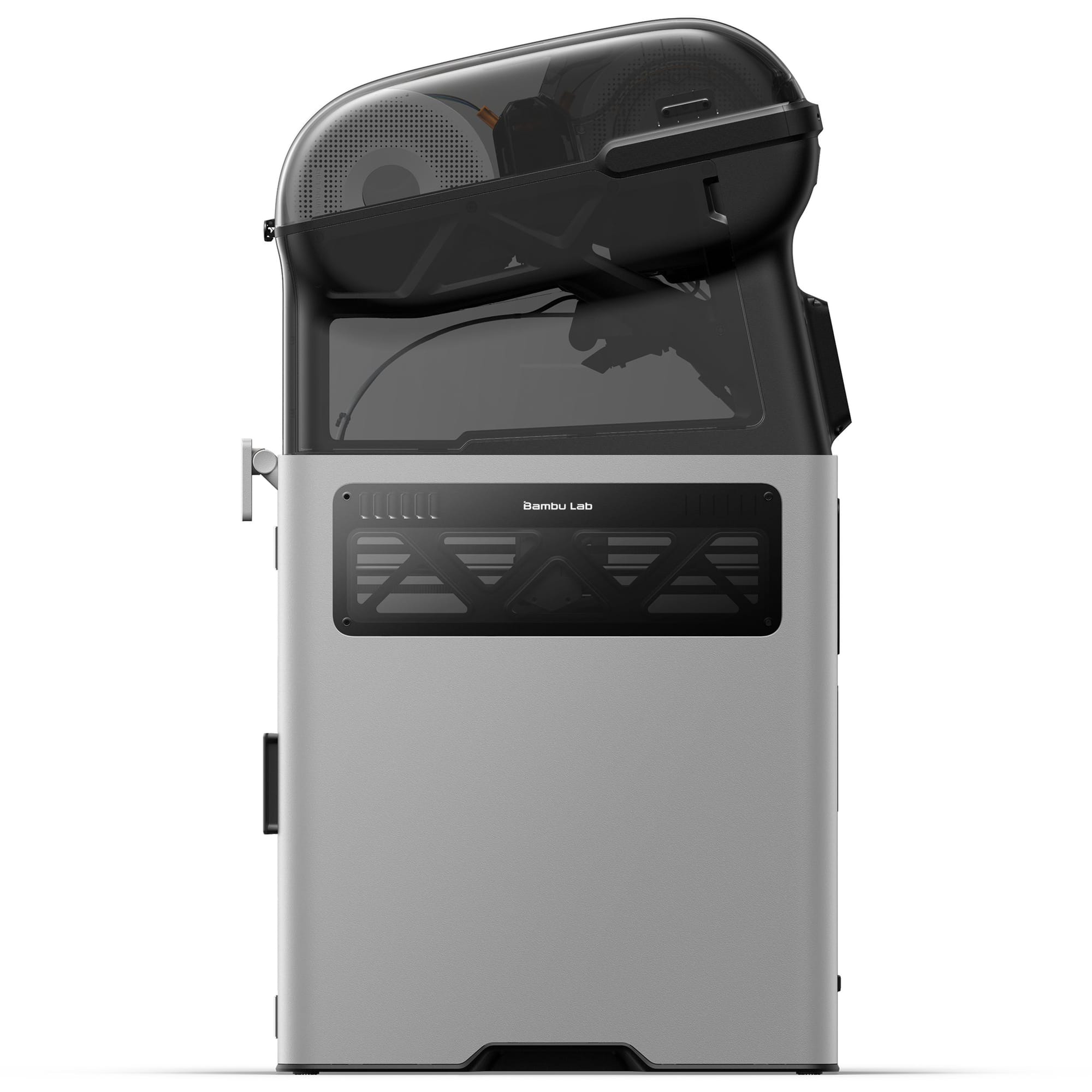
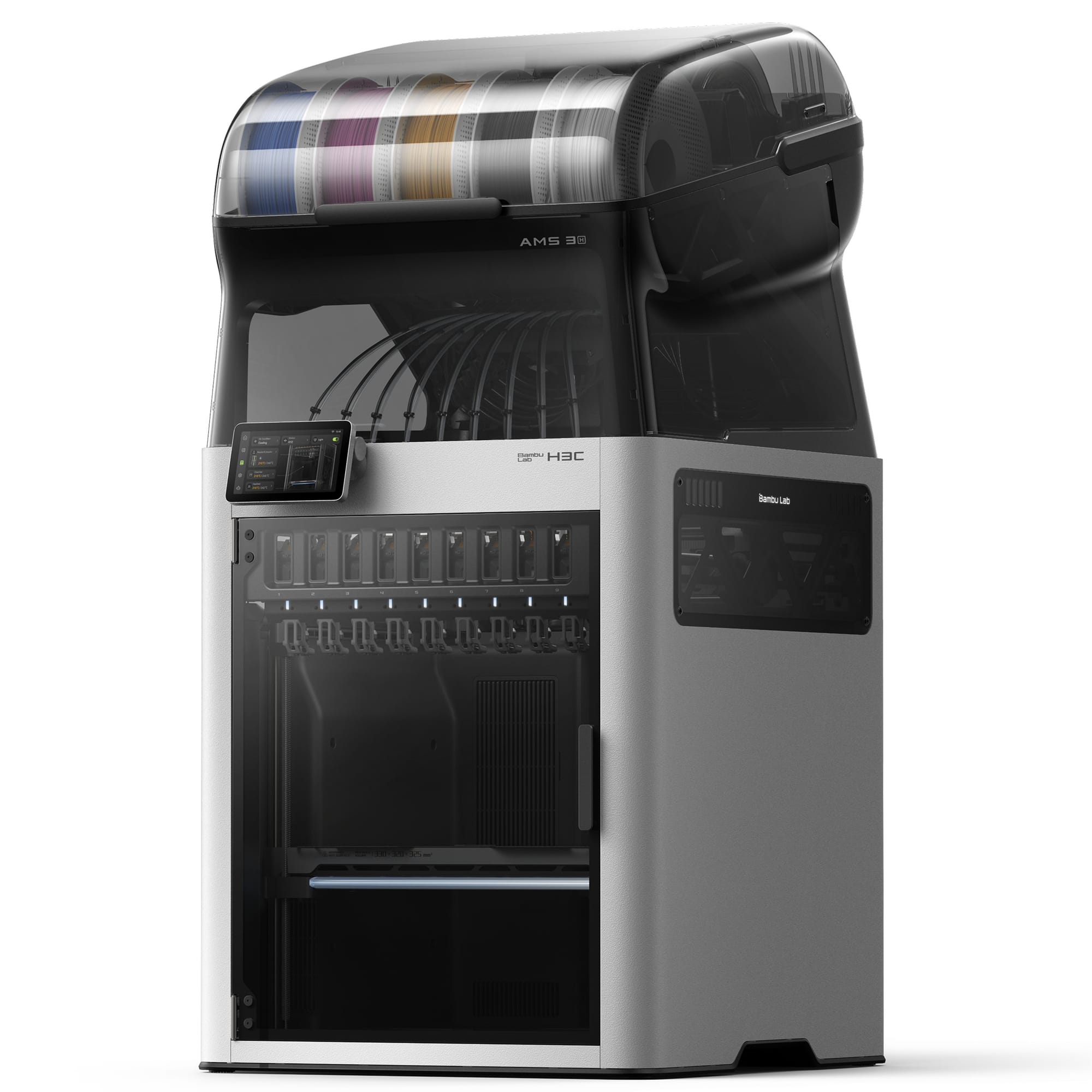
The filaments in the pictures are sold separately
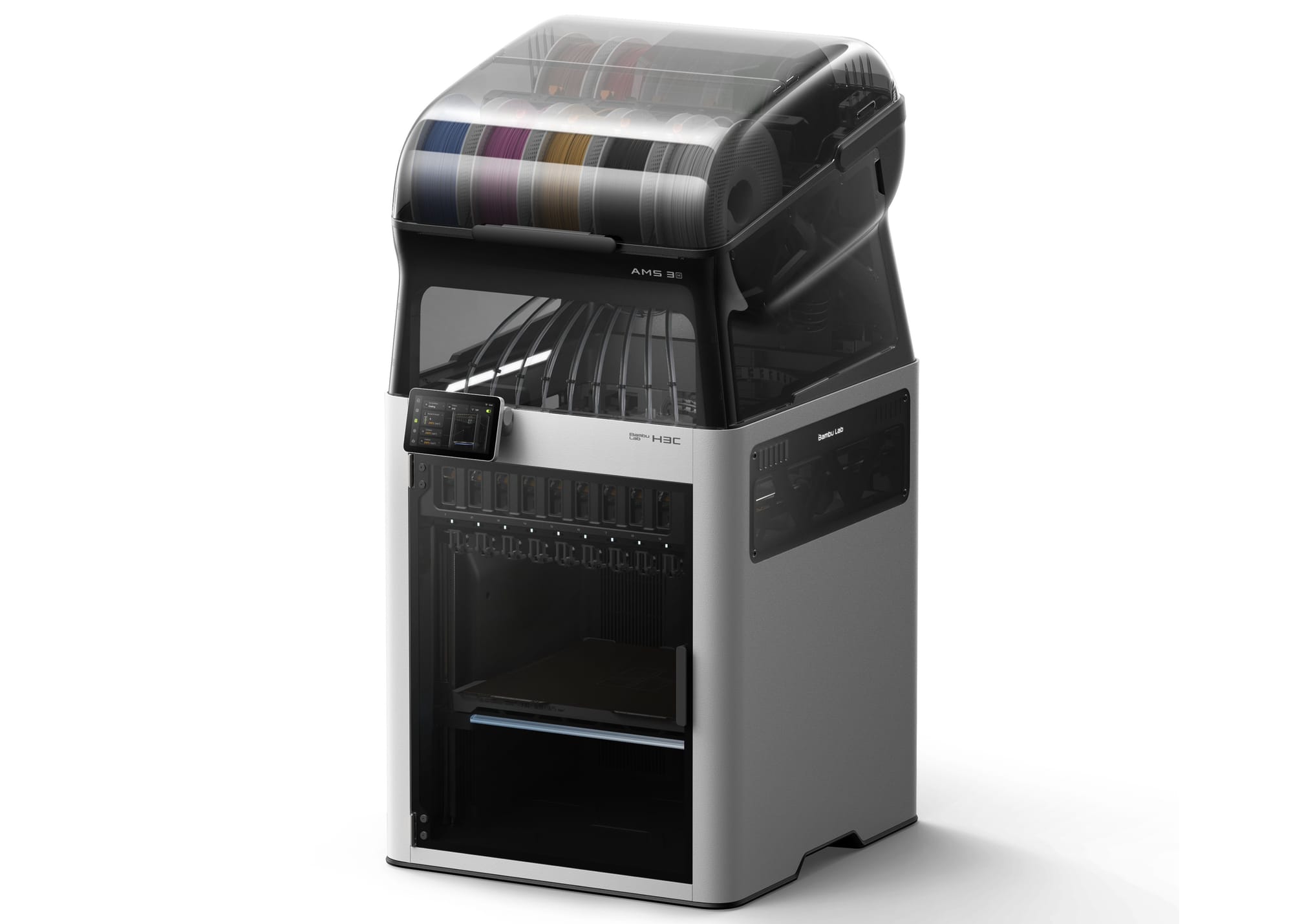
The H3C is built around a tool-changer architecture and designed from the ground up for how people actually print.
Three parts carry the whole machine:
- Swaptek handles the tool changes.
- The FlexFeed Extruder deals with flexible materials.
- AMS 3H stores, dries, and feeds the material.
Together they make reaching for nine materials as effortless as reaching for one, and they keep the complexity where it belongs, in the engineering, not in the operation.
Swaptek and the 6-second material switch
At the heart of the machine sits Swaptek: nine print tools, each with its own filament path and its own heating, so the filament stays loaded and ready to go, and can be pre-heated ahead of a switch, with no need to retract one material to feed the next. Backed by Active Pre-Heat, Swaptek cuts the print-to-print material switch to under 6 seconds, print after print, with low priming.
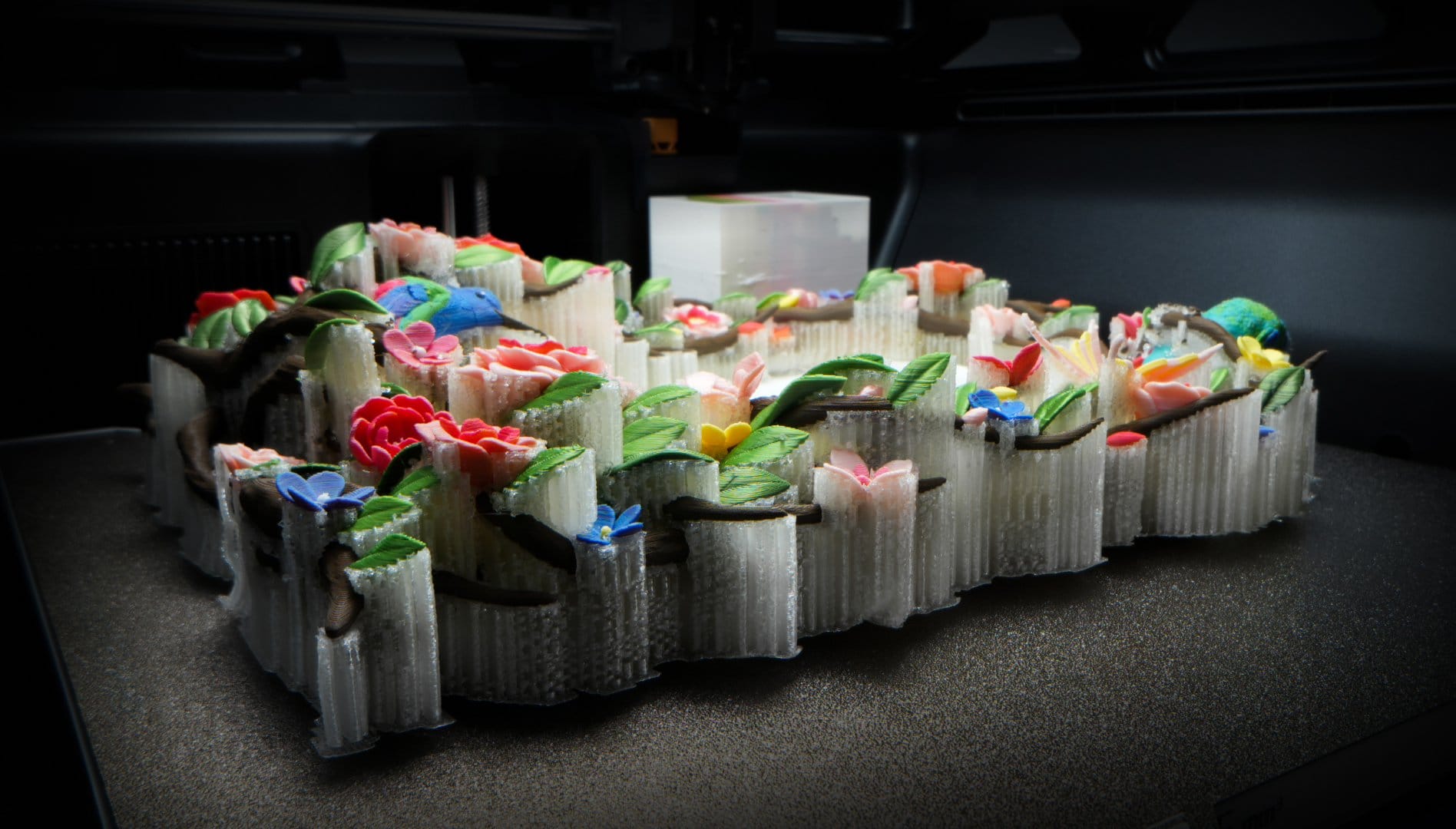
Because a color change now costs a fraction of the time it used to take, Swaptek turns capabilities that were once impractical into everyday printing: freely mixing colors, mixing nozzle sizes within a single print, and running crafting tools such as CutTool, DrawTool, and DebossTool.
We explain how the system works and what it means for makers in two dedicated articles:
 Bambu Lab
 Bambu Lab
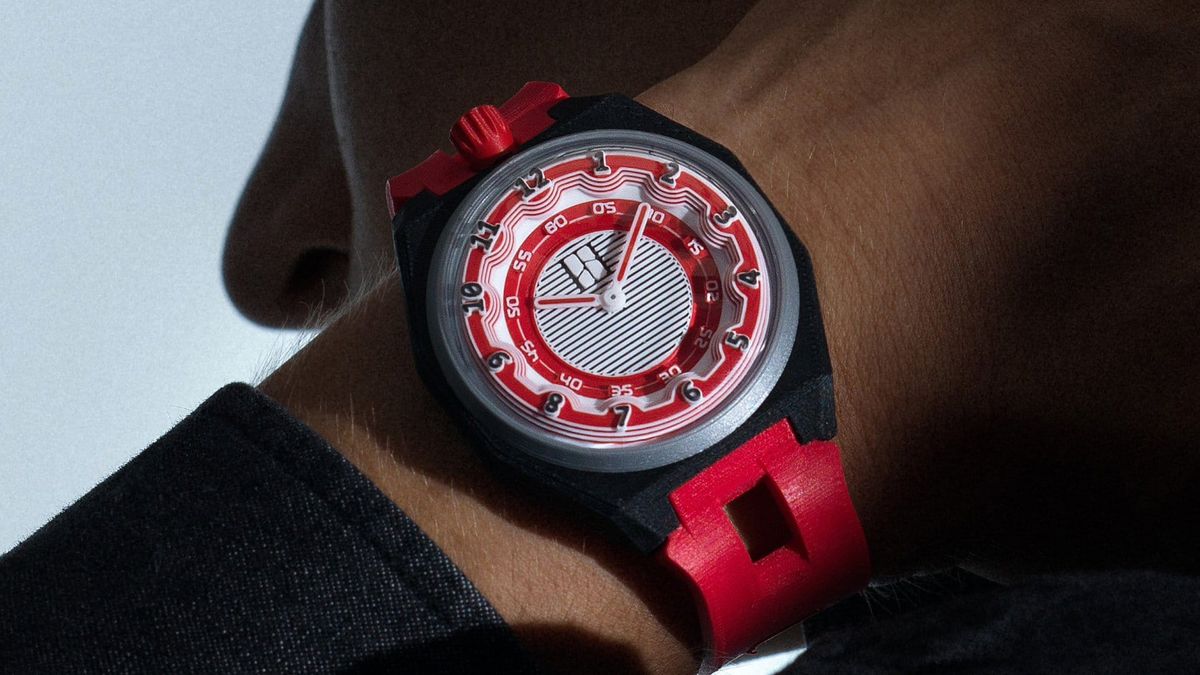
FlexFeed Extruder: printing with soft TPU without a struggle
TPU has always been slow to print. The softer the filament, the more it bends and buckles before it reaches the nozzle, so classic extruders have to slow down to stay reliable.
FlexFeed handles both 1.75 and 2.85 mm filament and switches between them on the fly. With dedicated 2.85 mm TPU, the thicker filament stays rigid under pressure, melts in greater volume, and pushes through with more force.
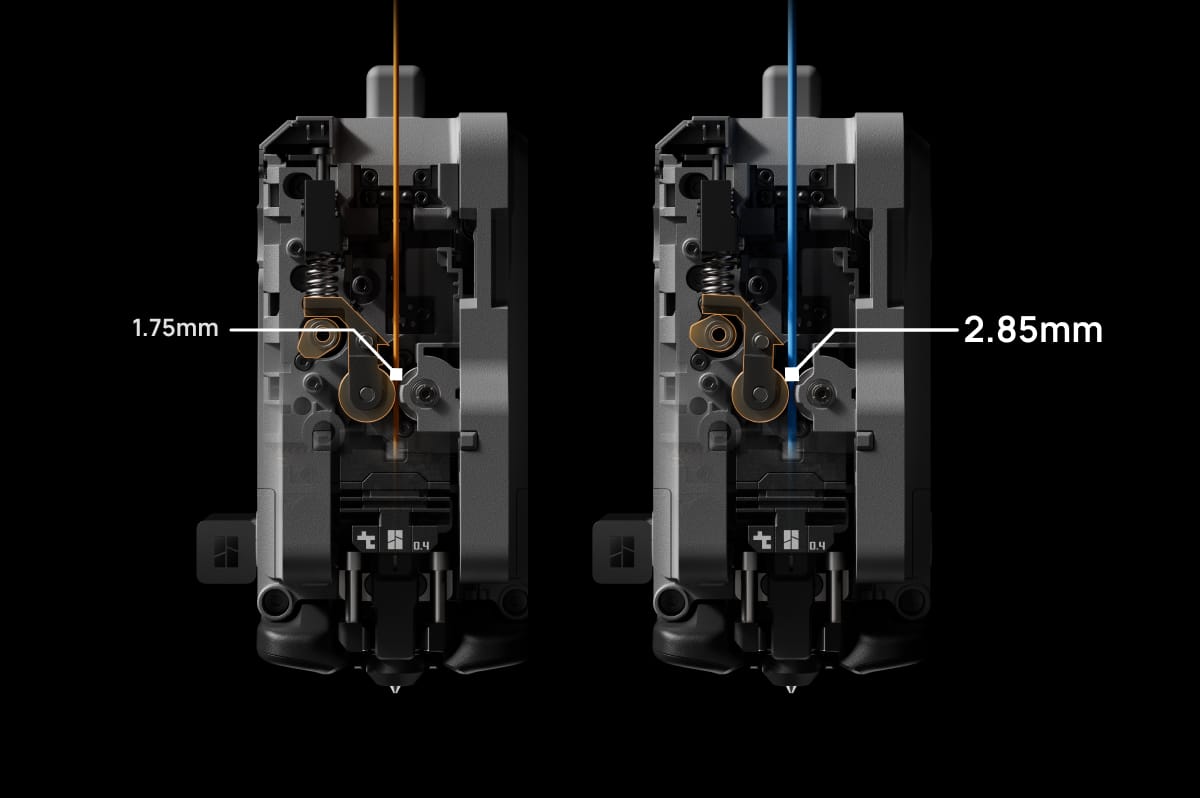
The result is TPU as soft as 75A, printed reliably at up to 3 times the flow rate of a classic printer. Flexible, comfortable wearables that fit the body better become much easier to produce. No more struggling to get them right.
AMS 3H: integrated filament management system
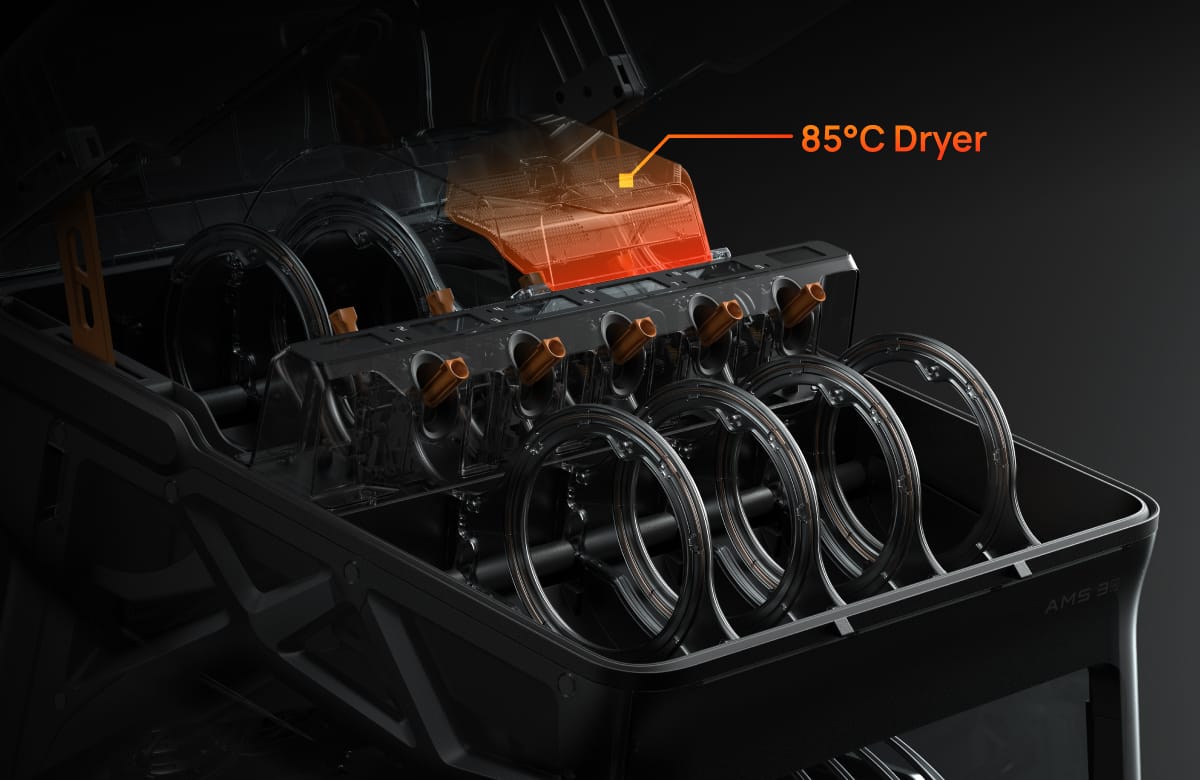
AMS 3H is a fully enclosed filament management system built to work with Swaptek. Every spool sits in a sealed, airtight chamber that protects it from moisture, and filament feeds into the print tool automatically.
Rather than sitting beside the printer, AMS 3H is integrated into it. When you place a spool in the AMS, its RFID tag is read instantly and synced with both the printer and the slicer, and the filament is routed automatically.
Each spool is also added to the Filament Management section, so you always have an up-to-date inventory: type, color, and remaining weight.
You don't have to remember what you have or which slot it's in; the printer keeps track for you. The whole system fits within the same footprint as a single-spool machine.
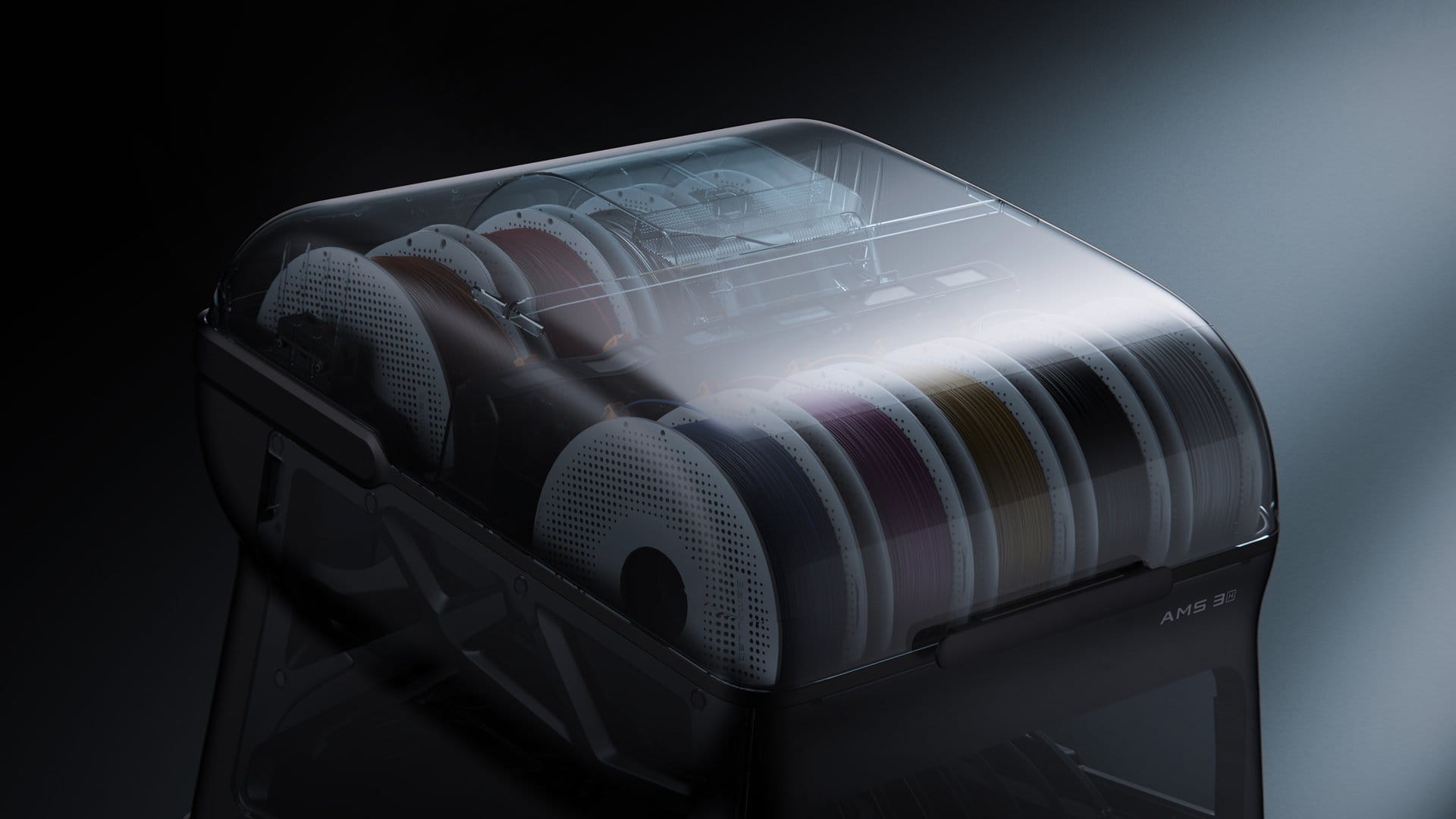
Loading is straightforward. You slide the end of the filament into any of the nine slots, and the system detects it, routes it, and engages it with the print tool automatically, across all nine paths.
Dedicated TPU inlets let you print TPU straight from the AMS, without an external spool.
Drying is built in. There are two dedicated slots that can dry most filaments, and drying can run while printing, in coordination with Swaptek, so preparing material doesn't interrupt production. The maximum drying temperature is 85°C, enough for engineering-grade materials such as PA, PC, and carbon-fiber-filled filaments.
The material count doesn't stop at nine. Most tool changers are limited to as many materials as they have tools; the H3C is not.
By connecting an older-generation AMS through print tool number 1, you extend the system to 24 materials in a single print, using the same hardware and workflow.
If you need more drying capacity, an AMS 2 Pro or AMS HT can be added alongside the built-in system.
The foundation: a lighter head, robust heat management, and a new cooling system
Underneath the multi-material system is a motion platform tuned for precision. It was built from scratch, starting with mass: the toolhead and X-axis assembly are 40% lighter, and less mass means less inertia to overcome. That is why the H3C accelerates at up to 25,000 mm/s² and moves at up to 1,400 mm/s without the ringing that usually comes with that pace.
Because maximum flow rate is often what really limits print speed, optional high-flow nozzles let the nozzle push more material, so the printer can reach its speed limits more often instead of being held back by flow, where the model allows. Prints finish on average more than 10% faster than on the previous flagship, without giving up a single detail.
Cooling works in four layers, each solving a different problem. A CFD-engineered part cooling fan on the toolhead, plus two auxiliary fans located on the side of the chamber, lock down overhangs and bridges, so nothing deforms at speed.
A dedicated print-tool fan keeps each head at a stable temperature, even after hours of switching. A chamber fan on the back panel of the AMS 3H pushes air from outside into the chamber to regulate the build-space temperature. Together they keep prints consistent regardless of ambient temperature.
Heat is managed, not simply maximized. Engineering materials need both a warm chamber and a hot nozzle to print without warping and delamination, and the H3C controls both closely. Active, dual-zone heating warms the build chamber to up to 65°C actively, rather than relying on residual heat from the bed and hotends.
As a result, the whole space reaches temperature quickly and evenly for uniform contraction. A physical-contact temperature sensor reads the temperature by direct contact instead of estimating it, which keeps the reading accurate and the heating stable.
Each of the nine print tools reaches up to 350°C, which opens the machine to ABS, PC, PA-CF, PET-CF, and other high-temperature polymers.
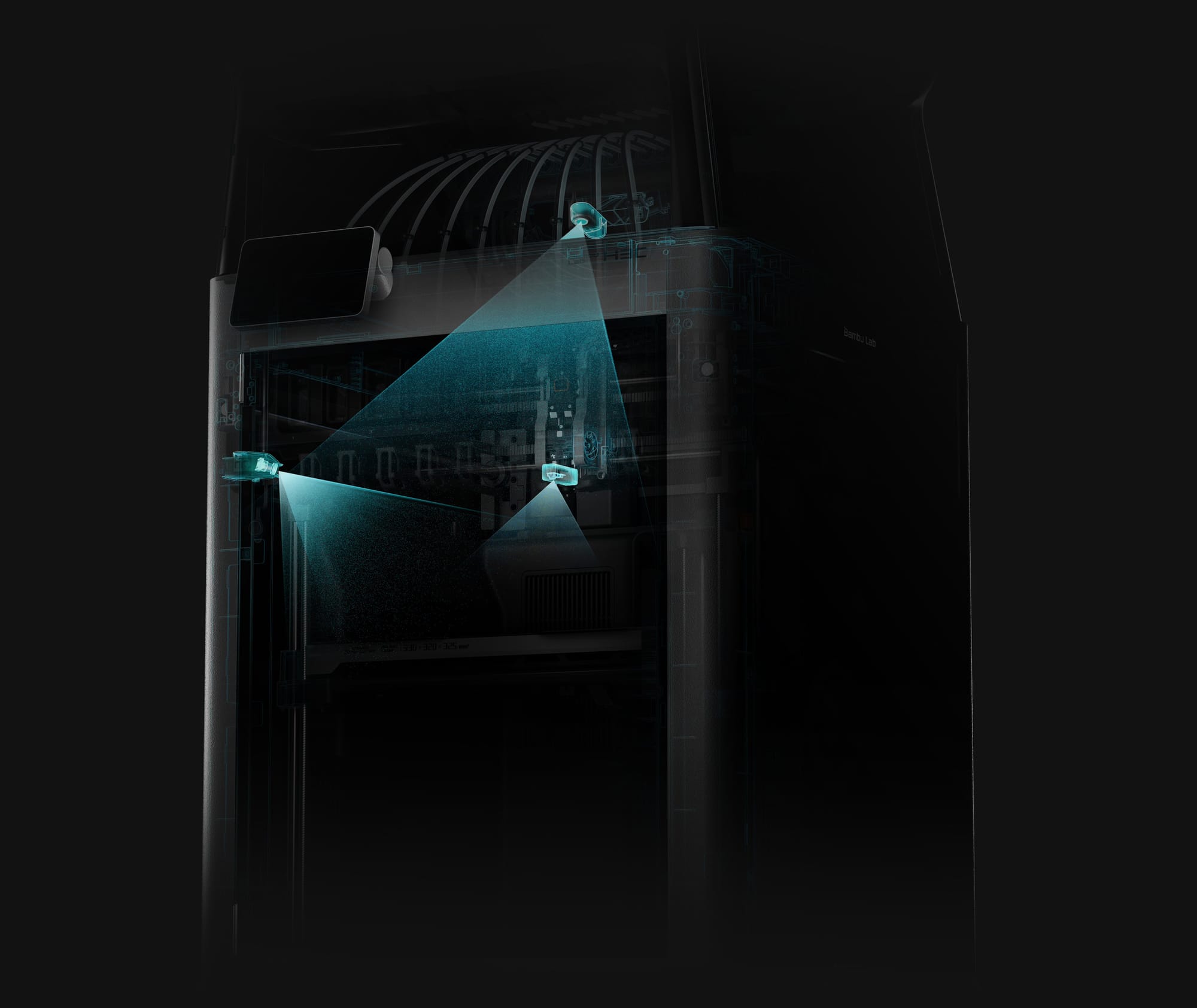
Operation has been taken off the user's back too. Full auto-calibration of the nine tools, docking, offset compensation, and bed leveling, runs automatically before every print, based on sensors and vision verification.
Dual-camera monitoring gives you a live view of the print and lets the printer's AI failure detection work from two angles at once, which improves how reliably it catches problems. The optional top-down BirdsEye camera adds a second vantage point that sees issues the main live-view camera can miss, and it also gives an extra angle for timelapses. Spaghetti gets caught before it spills, and jams in the purge bin are spotted the moment they happen.
The new HMS with MiniWiki doesn't just throw an error code at you. It diagnoses the cause, narrows down the possibilities, and explains them in plain language, then walks you through the fix step by step right on the printer's screen.
Accuracy also holds up over time. Belts can loosen slightly and the machine can drift out of true, so calibrating with the optional Vision Encoder regularly corrects that mechanical drift and keeps accuracy under 50 µm across the entire build volume.
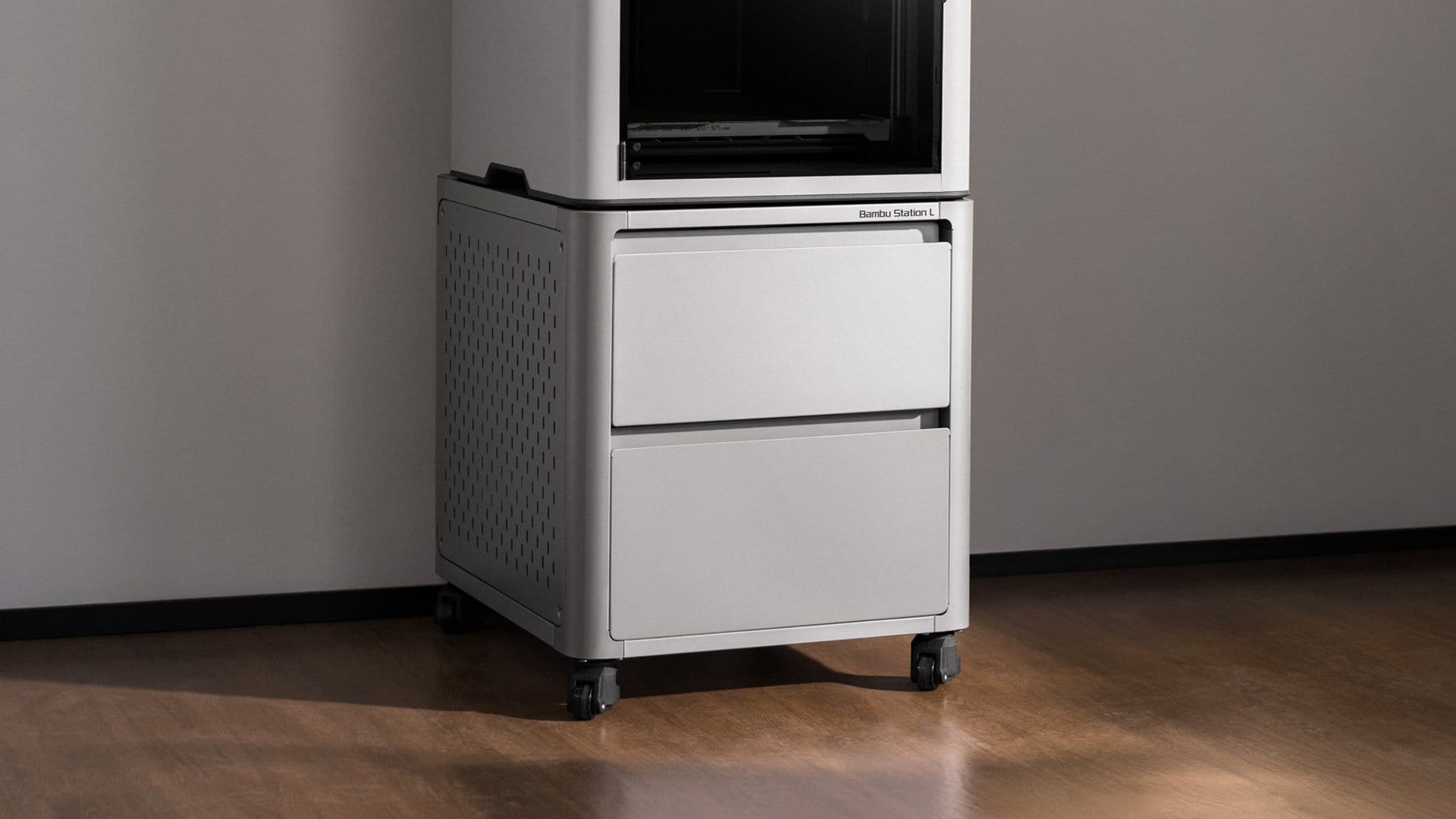
The machine is also meant to fit into your workspace rather than take it over. The optional Bambu Station L, an official stand designed specifically for the H3C, raises the printer to a comfortable working height and adds storage underneath for tools, spare filament, and accessories.
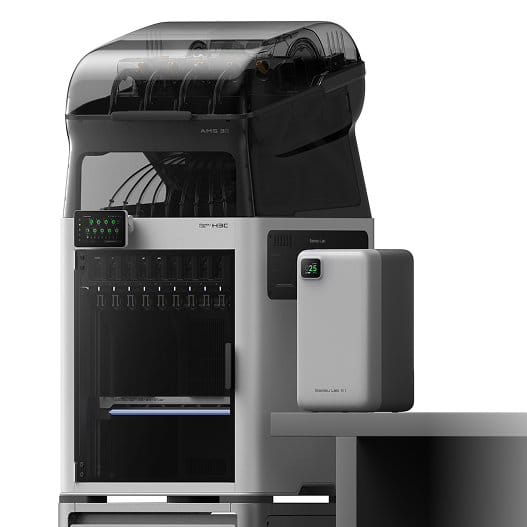
The Bambu Lab E1 air purifier syncs with the printer and starts filtering the moment a print begins, capturing volatile compounds and harmful gases, PM2.5 particles, and the microplastics released during operation. You can print without keeping the window wide open.
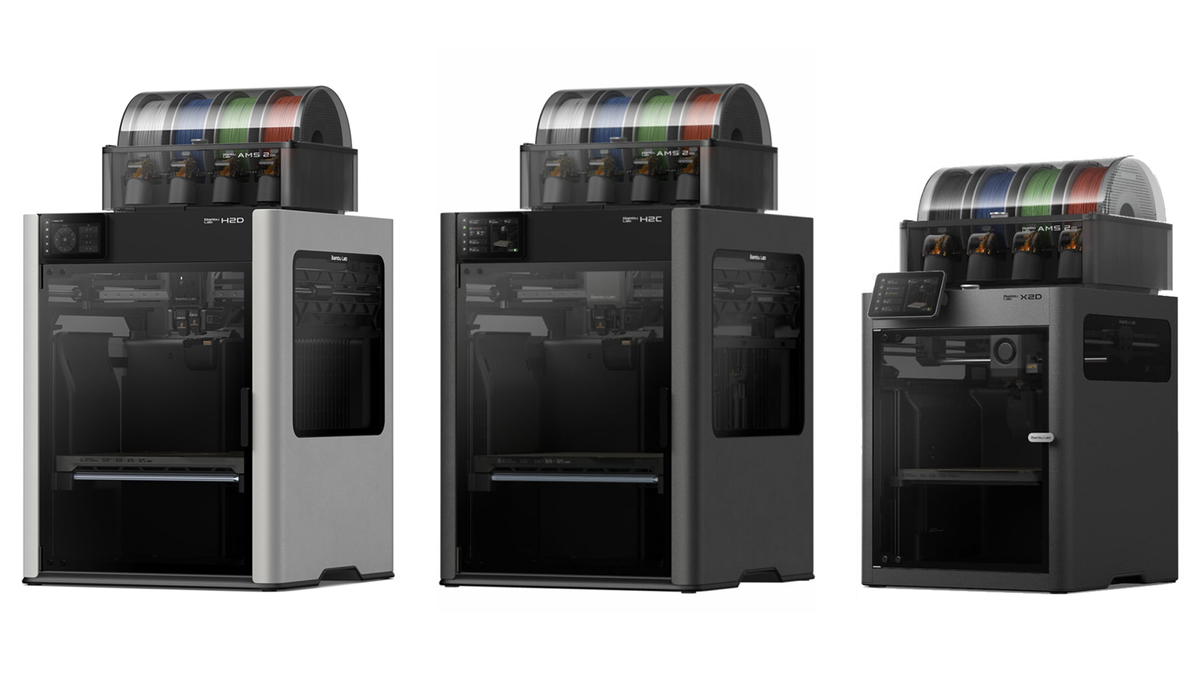
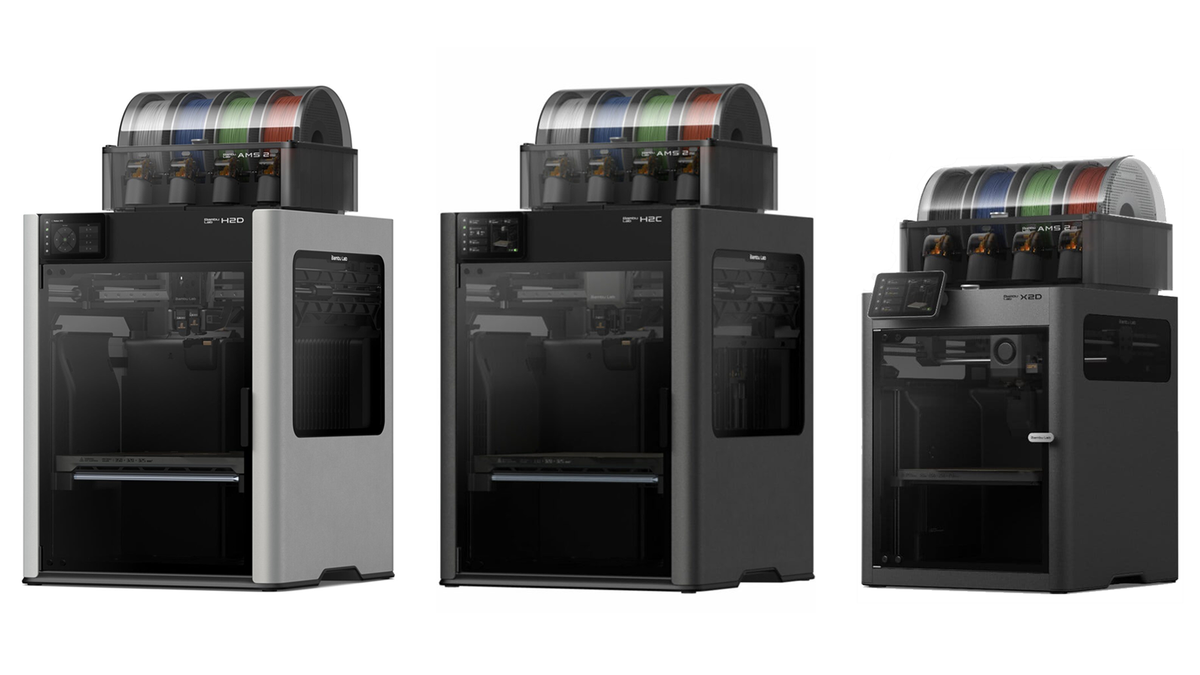
H2D, H2C and X2D will support multi-caliber nozzle hybrid printing
Before we move on to the technical specifications of H3C, a quick announcement!
While developing the H3C, we are also working on multi-orifice nozzle printing functionality for the H2D, H2C, and X2D models. This will allow for the use of nozzles with different orifice sizes on a single printed part, striking a balance between fine detail and print speed.
Some of these features will be implemented this year, while others should arrive by the first quarter of 2027. You can find a full list of estimated release dates, along with a detailed breakdown of the features and improvements coming to the H2D, H2C, and X2D models in the article below:
 Bambu Lab
H3C technical specification
- Build volume: 330 × 320 × 325 mm
- Maximum Nozzle Temperature: 350°C
- Maximum Bed Temperature: 120°C
- Active Chamber Heating [max temperature]: 65°C
- Extruder Gear: hardened steels
- Included Nozzle Material: hardened steel
- Supported Nozzle Diameter: 0.2 mm, 0.4 mm, 0.6 mm, 0.8 mm
- Supported Filament Diameter: 1.75 mm, 2.85 mm
- Air Purtification: HEPA Filter Grade H11
- Filaments Supported:
- PLA, PETG, PCTG, TPU, EVA, PE, PP, PHA
- PVA, BVOH, support filament
- ABS, ASA, HIPS, PA, PAHT, PC, PET, PPA, PPS
- PLA, PETG, ABS, ASA, HIPS, PA, PAHT, PC, PET, PPA, PPS carbon / glass fiber reinforced
- Filament Drying
- External Dimensions: 493 x 571 x 587 mm
- Weight: 36.28 kg (including AMS 3H)
Prices
H3C + AMS H3
- US = $2,499 (USD; before tax + free shipping)
- EU = €2,499 (EUR; including tax)
- UK = £2,199 (GBP; including tax)
- CA = $3,499 (CAD; before tax + free shipping)
- AU = $3,999 (AUD; including tax)
- KR = ₩3,999,000 (KRW; including tax + free shipping)
- JP = ¥449,900 (JPY; including tax + free shipping)
- Global = $2,499 (USD; before tax)
H3C + AMS H3 + Filament Bundle (PLA Palette + TPU)
- US = $2,589 (USD; before tax + free shipping)
- EU = €2,579 (EUR; including tax)
- UK = £2,269 (GBP; including tax)
- CA = $3,599 (CAD; before tax + free shipping)
- AU = $4,119 (AUD; including tax)
- KR = ₩4,119,000 (KRW; including tax + free shipping)
- JP = ¥463,900 (JPY; including tax + free shipping)
- Global = $2,579 (USD; before tax)
H3C Station Bundle
(H3C + AMS H3 + PLA Palette + TPU + Bambu Station Enclosed + E1 Air Purifier)
- US = $3,049 (USD; before tax + free shipping)
- EU = €3,039 (EUR; including tax)
- UK = £2,699 (GBP; including tax)
- CA = $4,219 (CAD; before tax + free shipping)
- AU = $4,819 (AUD; including tax)
- KR = ₩4,839,000 (KRW; including tax + free shipping)
- JP = ¥544,900 (JPY; including tax + free shipping)
- Global = $3,019 (USD; before tax)
H3C Station Bundle
(H3C + AMS H3 + PLA Palette + TPU + Bambu Station Open)
- US = $2,799 (USD; before tax + free shipping)
- EU = €2,789 (EUR; including tax)
- UK = £2,469 (GBP; including tax)
- CA = $3,879 (CAD; before tax + free shipping)
- AU = $4,439 (AUD; including tax)
- KR = ₩4,448,000 (KRW; including tax + free shipping)
- JP = ¥499,900 (JPY; including tax + free shipping)
- Global = $2,779 (USD; before tax)
Final thoughts
Bambu Lab sets a new standard once again. For two generations, hardware kept stepping out of the way as a limit on single-spool printing. The H3C lifts that limit, so reaching for nine materials is as ordinary as reaching for one. The old trade-off no longer holds. Tasks that once demanded preparation and know how become everyday prints, done in a single job. What used to mark the ceiling of a desktop machine now simply marks where it begins.
Go deeper:
 Bambu Lab
 Bambu Lab
 Bambu Lab