Bambu Lab and meland open China’s first 3D Printing Creativity Center for children
Cyber Brick City returns reimagined, engaging children through interactive storytelling, immersive design, and 3D-printed landscapes

Last week, Bambu Lab and meland - a Chinese premium brand in the family indoor entertainment industry - announced the launch of a groundbreaking educational project, one that is unique not only in China but globally.
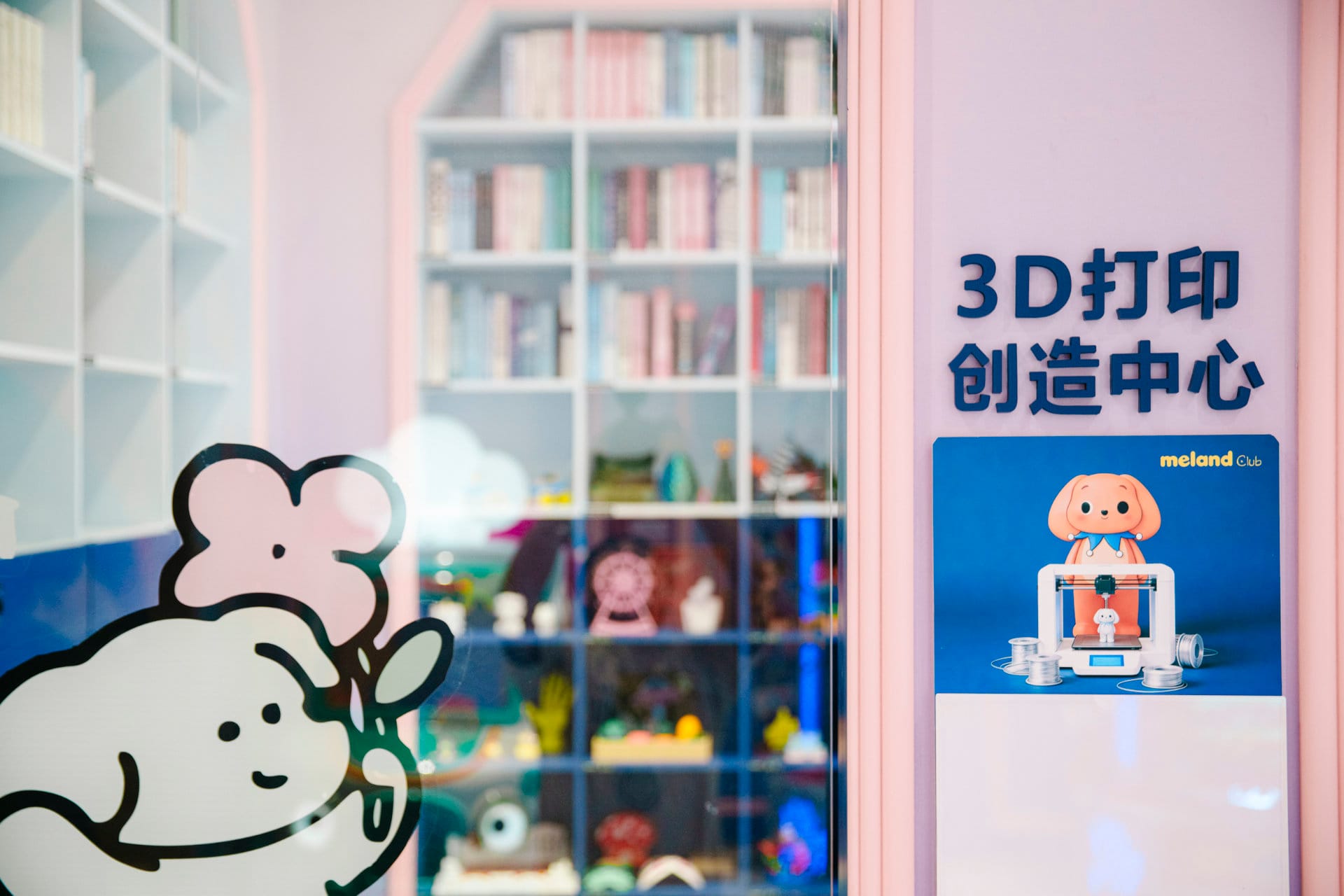
At the heart of MixC World in Shenzhen, the first science-and-technology themed store combining 3D printing technology with children’s education has officially opened.
But this is not just another entertainment center. It is something far more ambitious.
The meland × Bambu Lab Creativity Center in Shenzhen is the first place in China where children aged 5-12 can systematically learn about 3D printing technology.
The program includes two levels of classes:
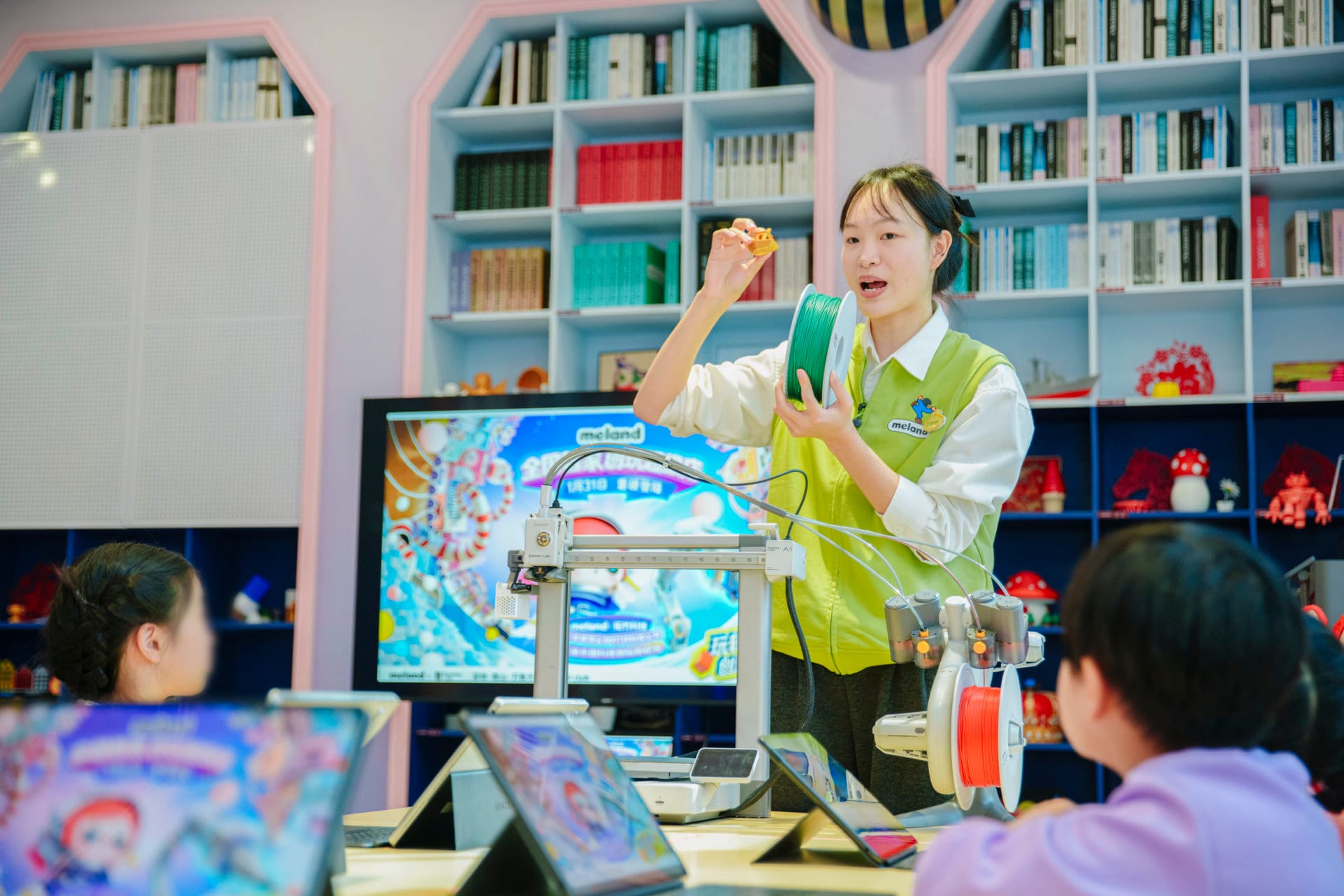
- at the introductory level, children learn the basics of how a 3D printer works and go through the full process of producing a print under the guidance of an instructor
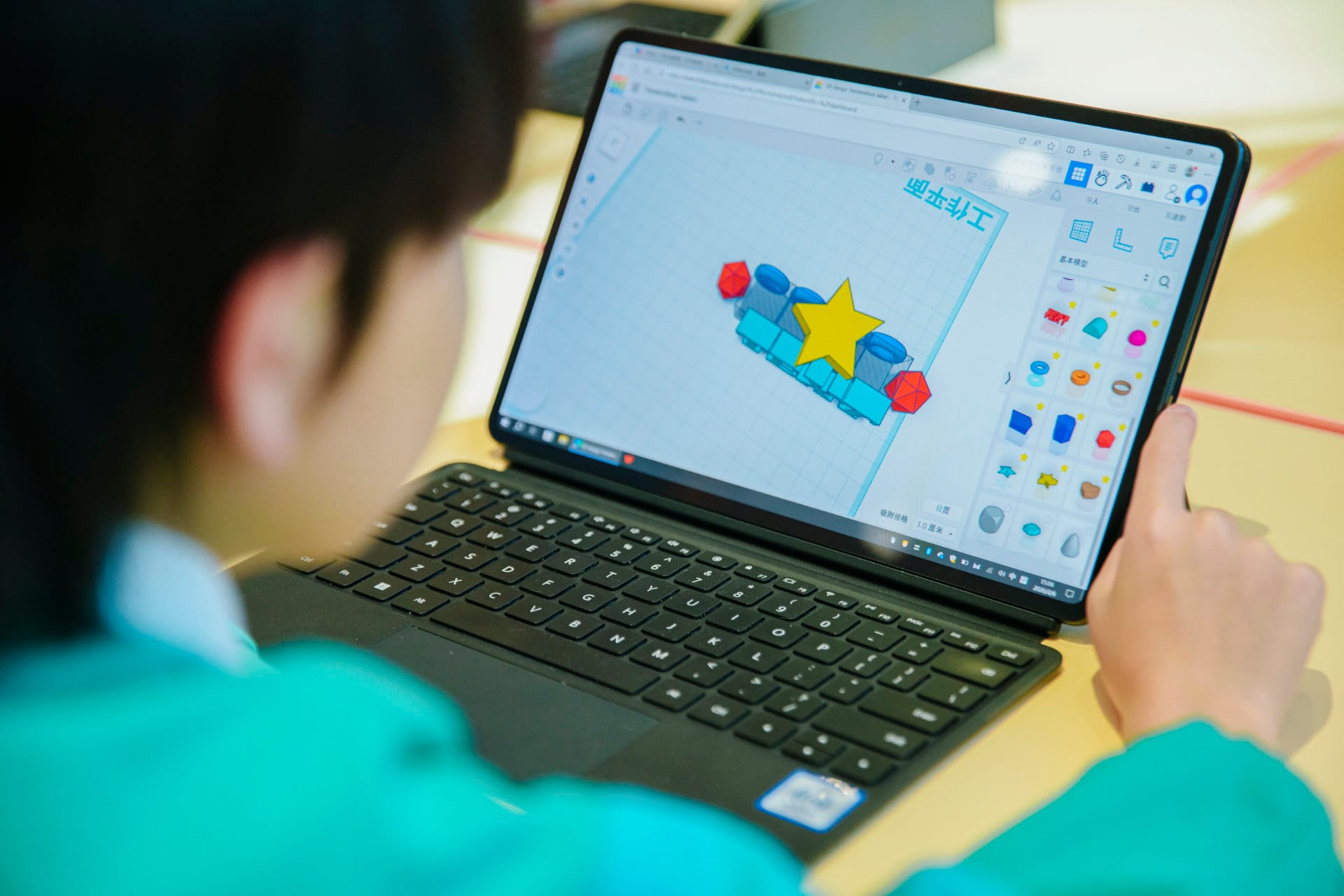
- at the exploratory level, they design their own simple 3D models and print them during the class.
Each child leaves with a physical object they created themselves - from idea to design to finished product.
meland: learning through play
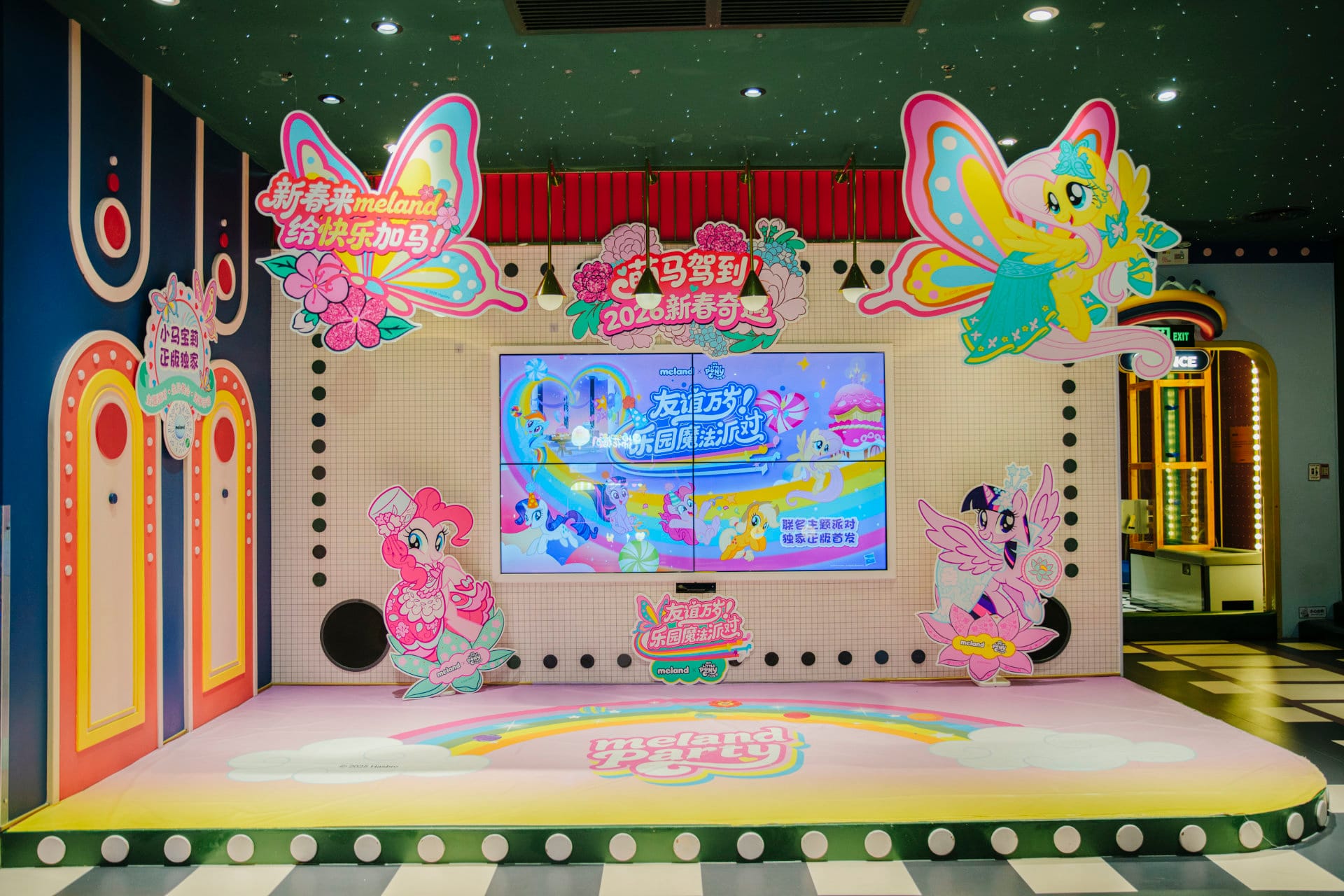
meland operates in the family indoor playground sector. The company builds large, carefully designed play environments for children and parents, typically located in shopping malls. These spaces combine traditional physical attractions with educational and creative elements.
Today, the network operates in more than 70 cities across China, with over 140 directly managed locations.
From the very beginning, the brand’s philosophy has been based on a simple but difficult principle:
“Learn through play, and play through learning.”
It is not just a slogan - it shapes every decision regarding the company’s programming and activities.
When Bambu Lab and meland began discussing a joint project, it quickly became clear that both companies were looking in the same direction. Bambu Lab brought technology and a global community. meland brought infrastructure and direct access to families.
Each side had what the other lacked.
The result is a strategic partnership, with the Shenzhen center serving as the first joint implementation. And according to representatives of both companies, this is only the beginning.
Moving beyond the “3D Printer in the corner”
For years, 3D printing in educational environments was often treated as a gadget. A machine would sit somewhere in the corner; occasionally someone would print something, but rarely was there a coherent program explaining to children what was actually happening and why it mattered.
The Shenzhen center operates differently.
The educational space is designed specifically for children aged 5 to 12 and includes two levels of courses: introductory and exploratory.
At the first level, children work with instructors to learn about Bambu Lab printers, understand the basic principles of the technology, and go through the entire printing process from start to finish.
At the exploratory level, they take things a step further: they learn how to turn their ideas into simple 3D models, which they then print during the class and take home as physical objects they designed themselves.
This distinction is important:
- a child who receives a ready-made model to print learns how to operate a machine
- a child who designs a model and watches it materialize in their hands learns something much deeper
- they learn that ideas can become reality
- that tools exist to transform imagination into physical objects
- and that the entire process - from concept to finished product - is accessible to anyone.
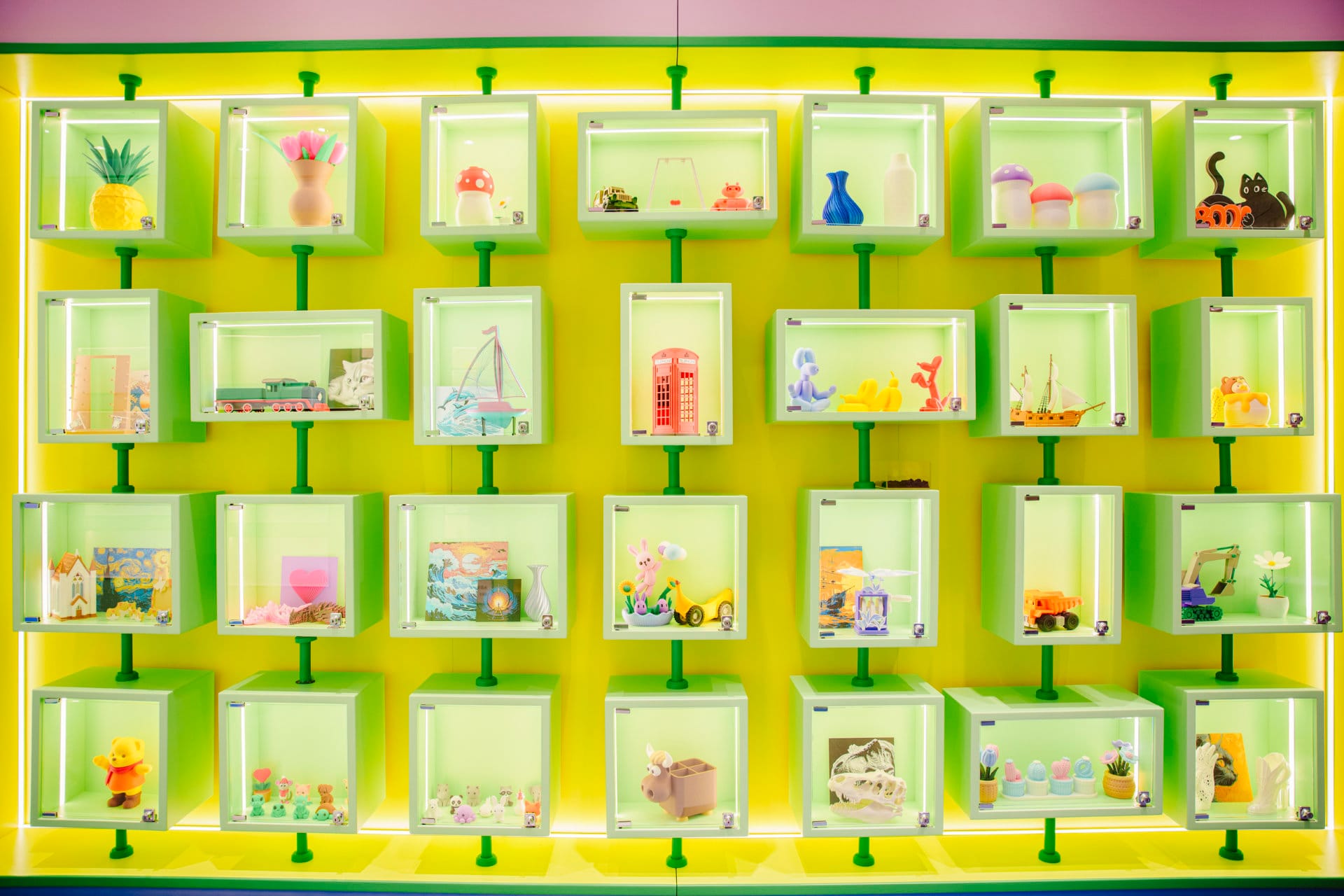
The experiment zone also features a 3D printing presentation wall showcasing Bambu Lab A1 printers.
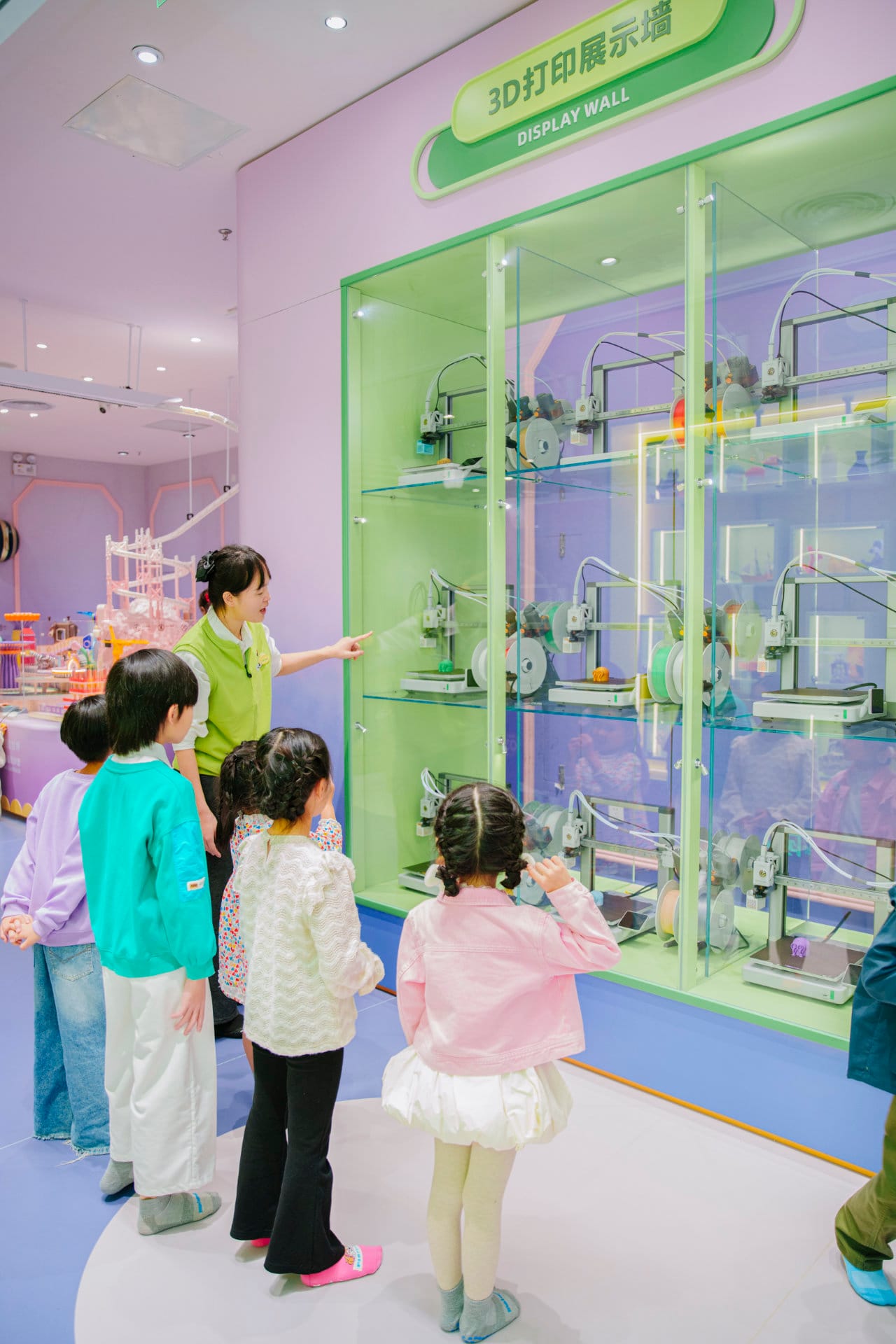
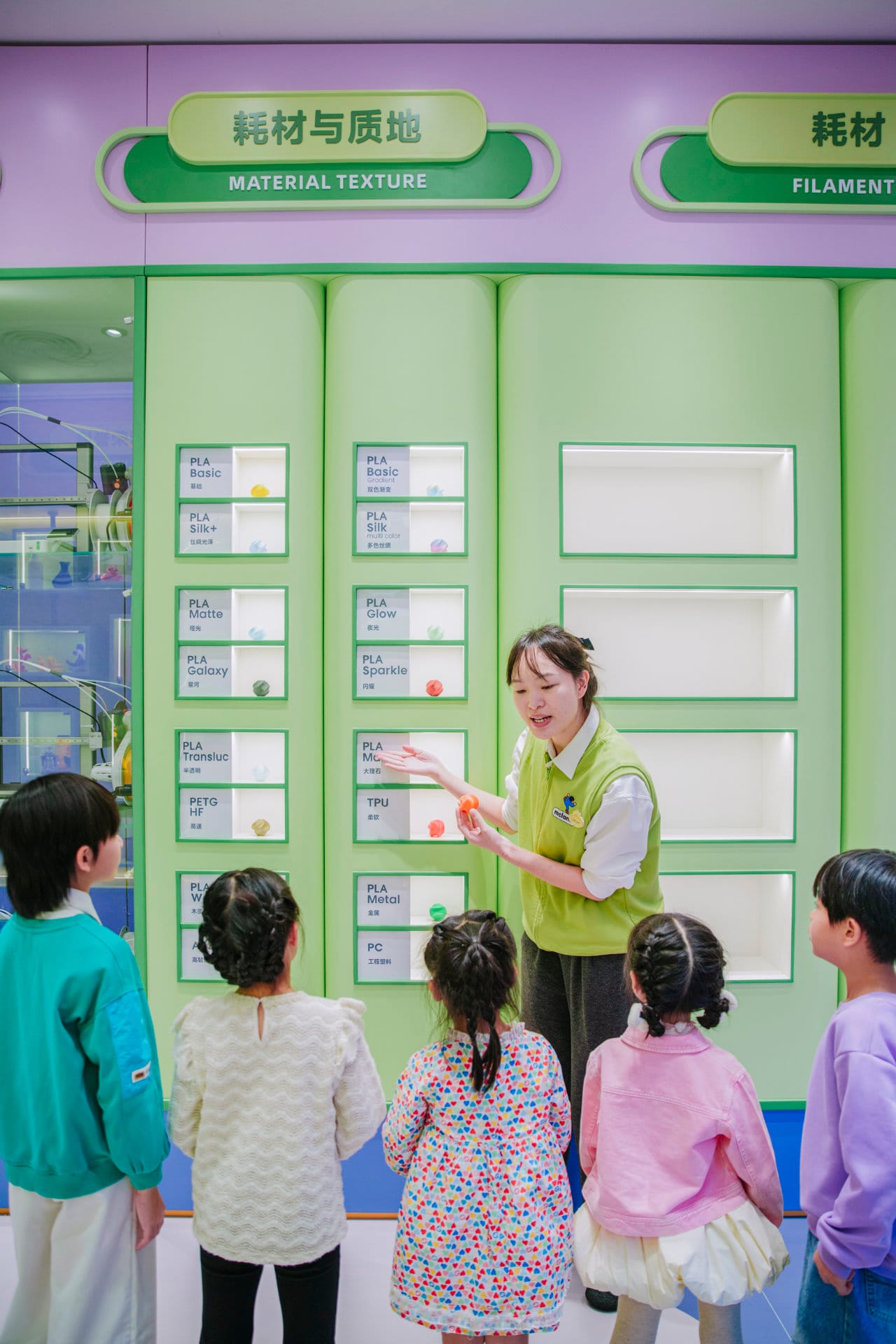
To ensure the program runs smoothly, Bambu Lab provided systematic training for meland staff. Employees are not only able to operate the equipment; they can lead classes, answer children’s questions, and assist parents - who are often just as curious about the technology as their kids.
Cyber Brick City returns in a new form
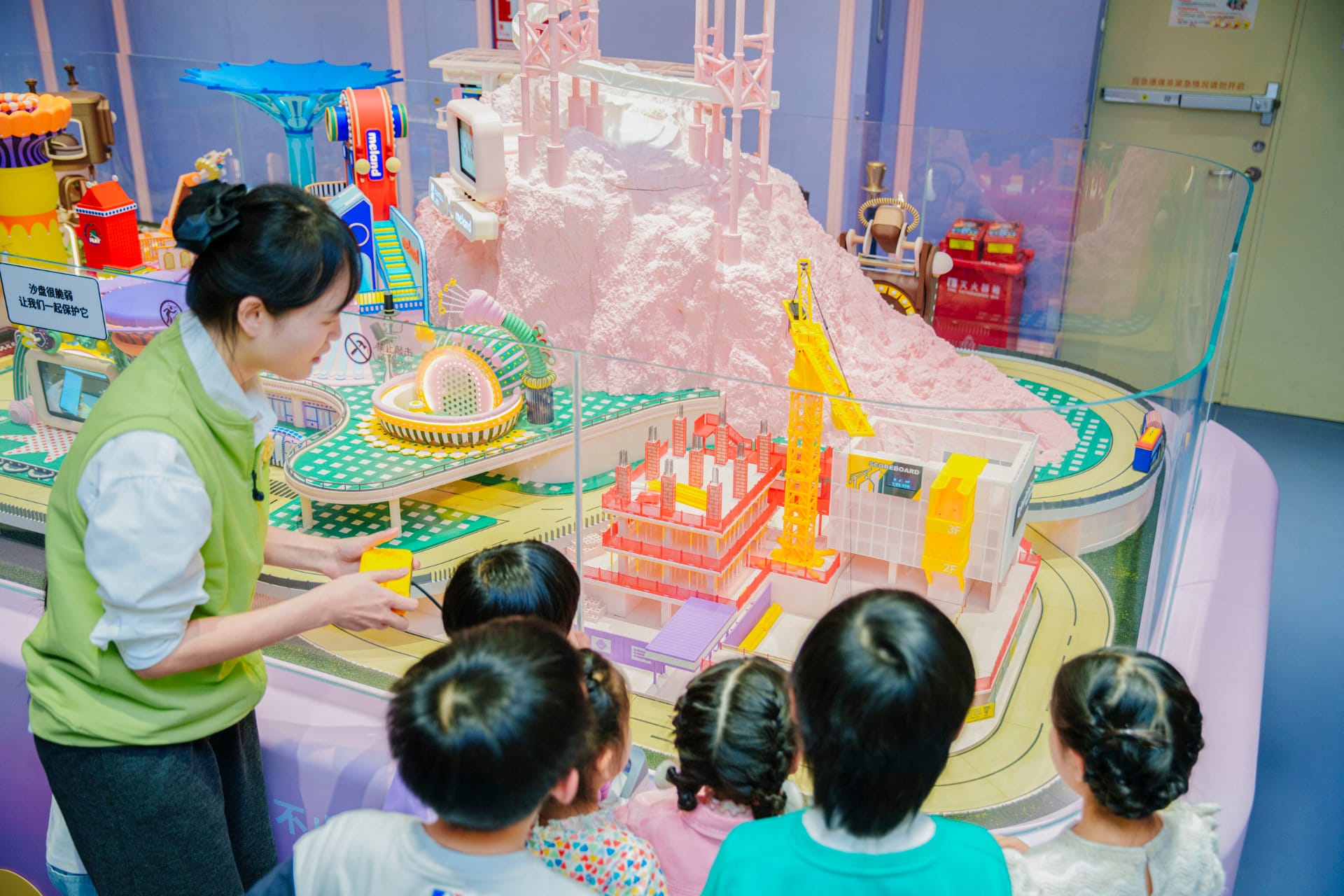
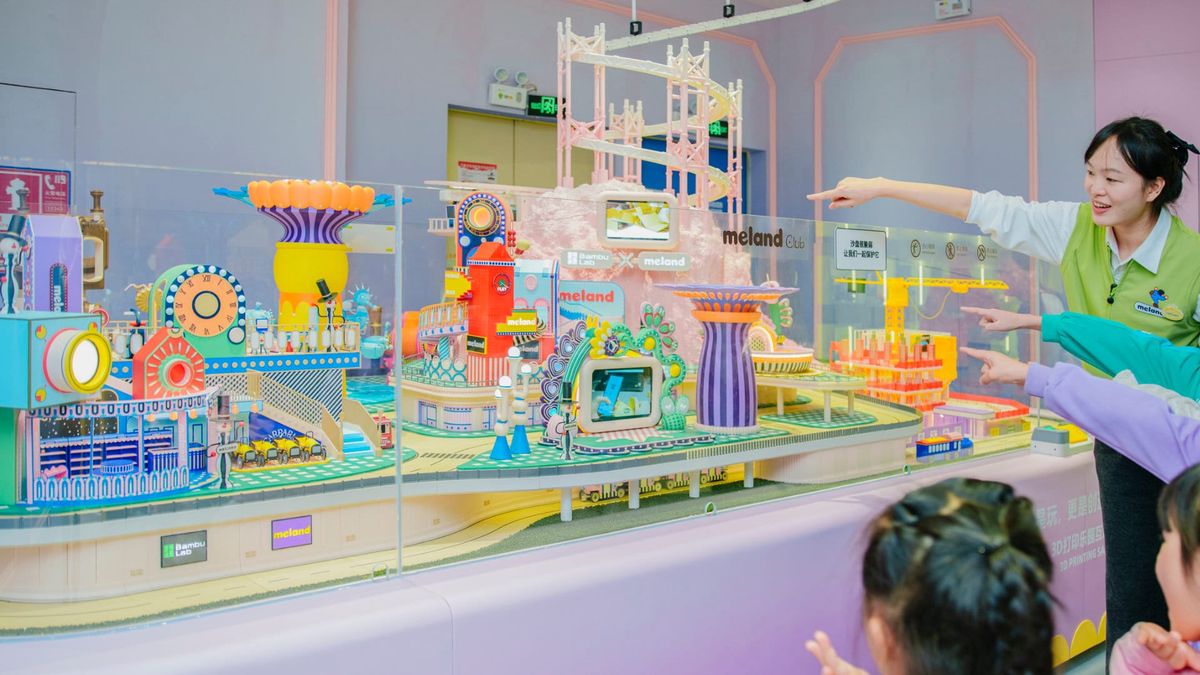
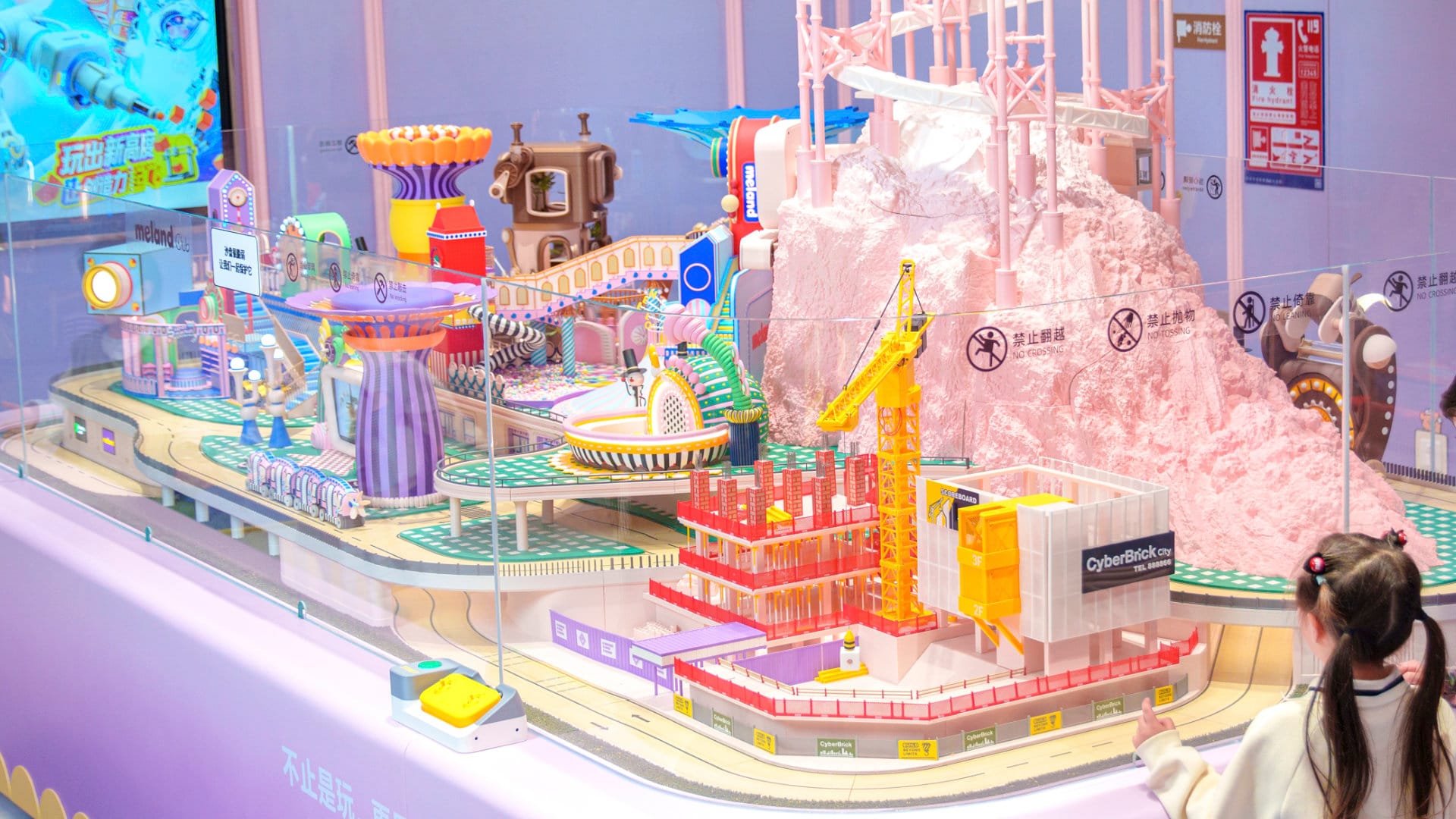
But the classes are only part of the experience. In fact, what truly makes the meland × Bambu Lab Creativity Center unique is a spectacular new installation designed specifically for this location:
Cyber Brick City - Children’s Edition.
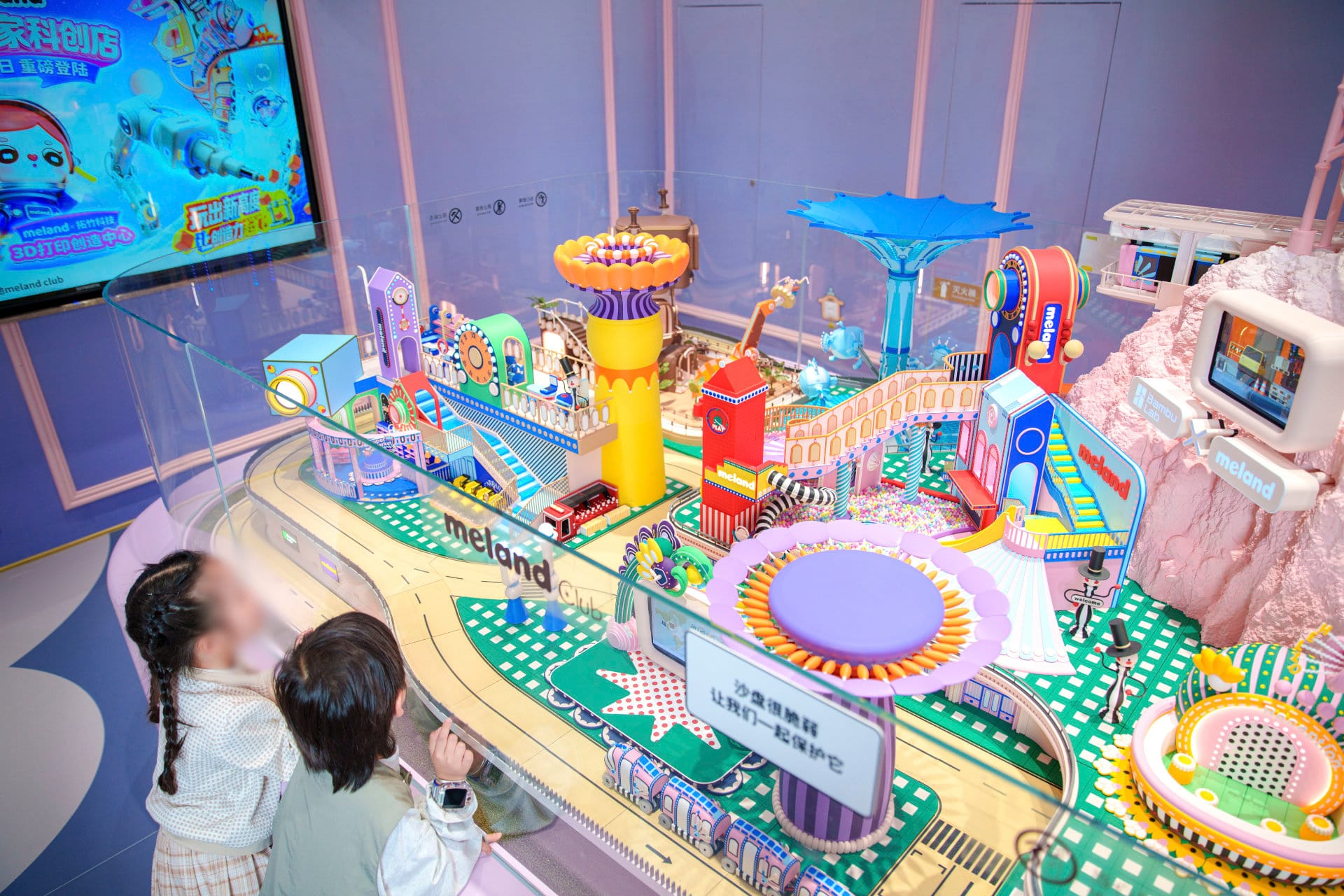
Those who follow developments in the 3D printing world will likely recognize the name.Cyber Brick City first appeared at Bambu Lab’s headquarters and flagship showroom in Shenzhen, and later at Formnext 2025.
The visually striking and technically sophisticated miniature city - built entirely from 3D-printed components - quickly became one of the most recognizable ways Bambu Lab demonstrates the capabilities of its machines.
Now the concept returns in a new version created specifically for this location and its young audience.
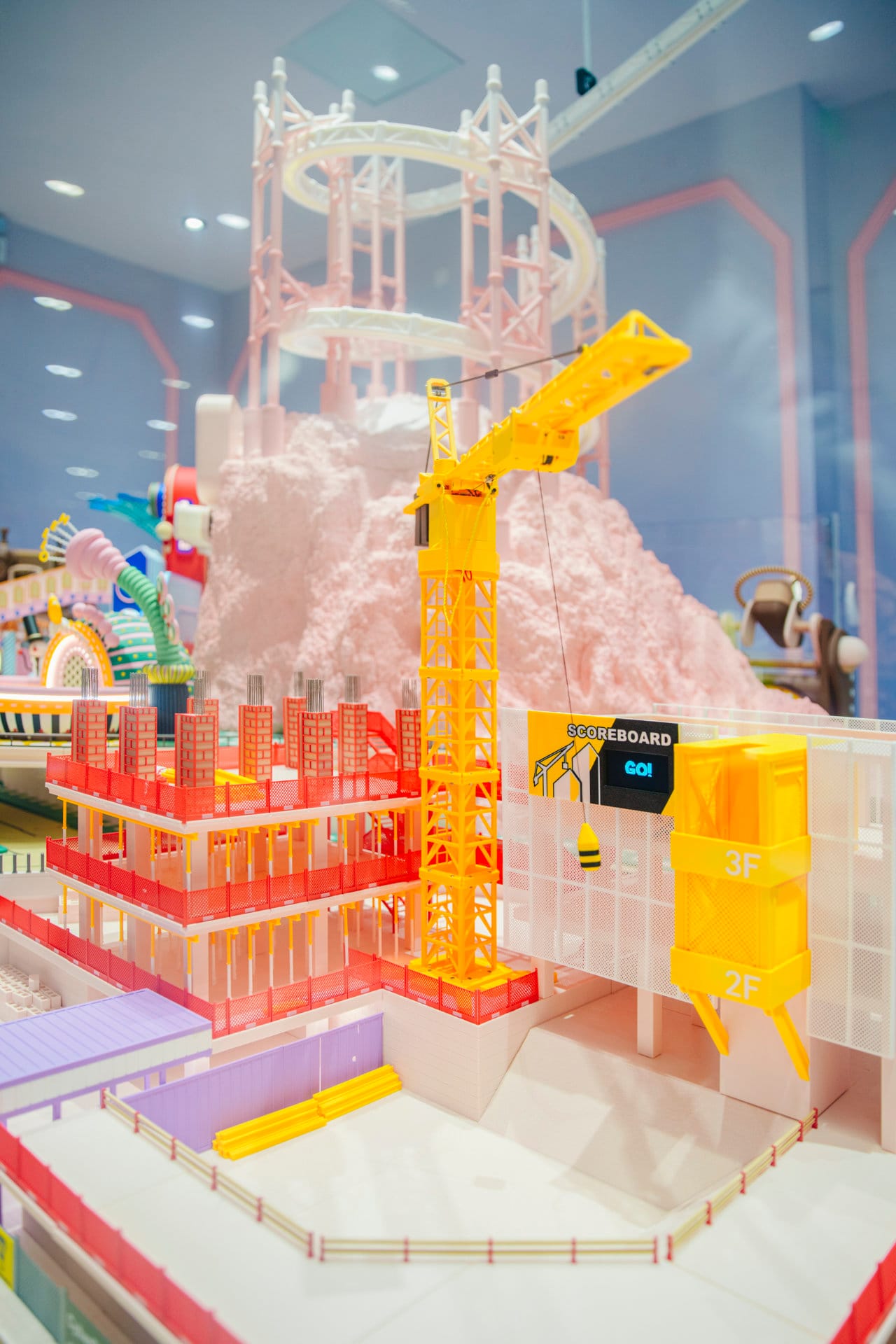
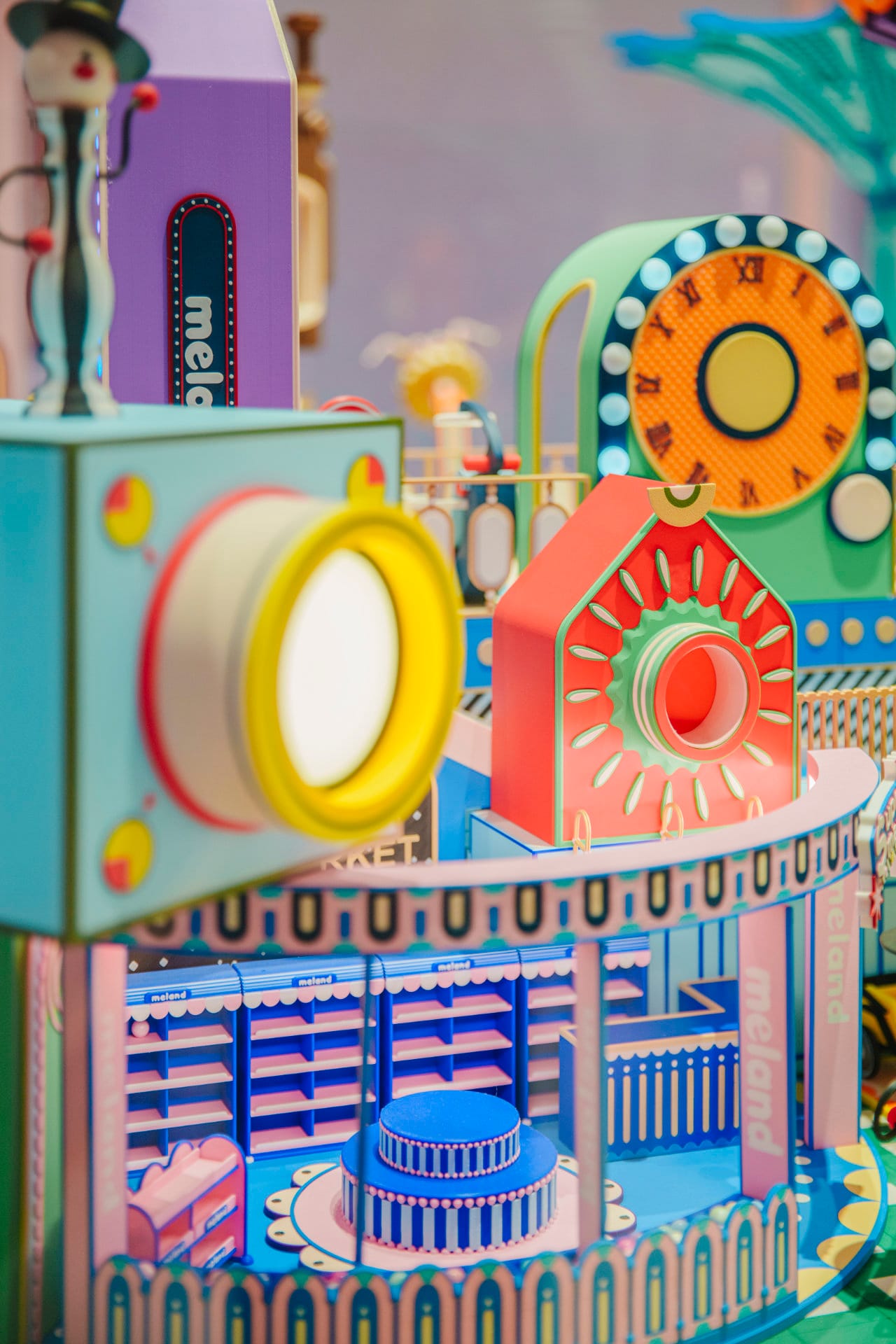
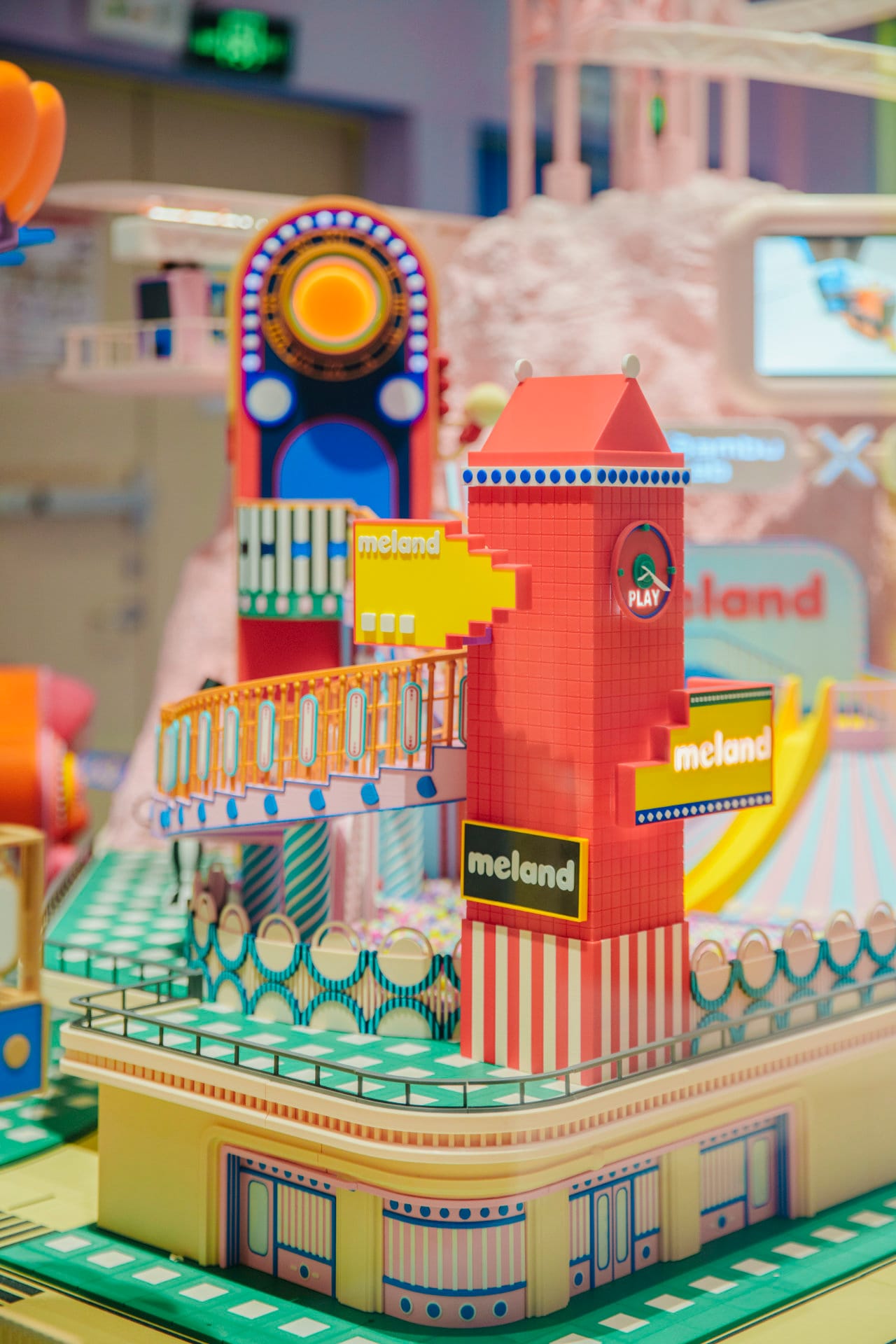
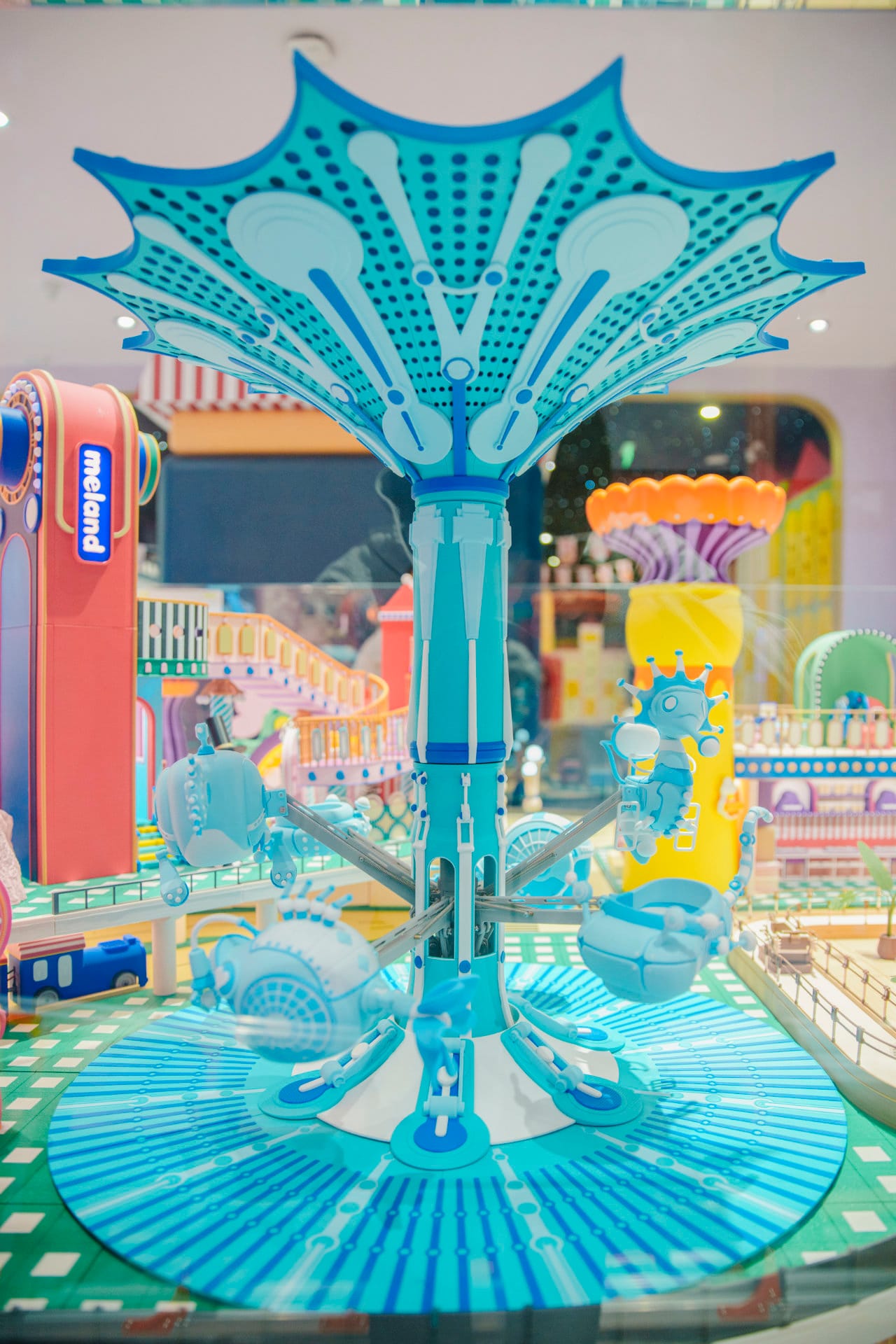
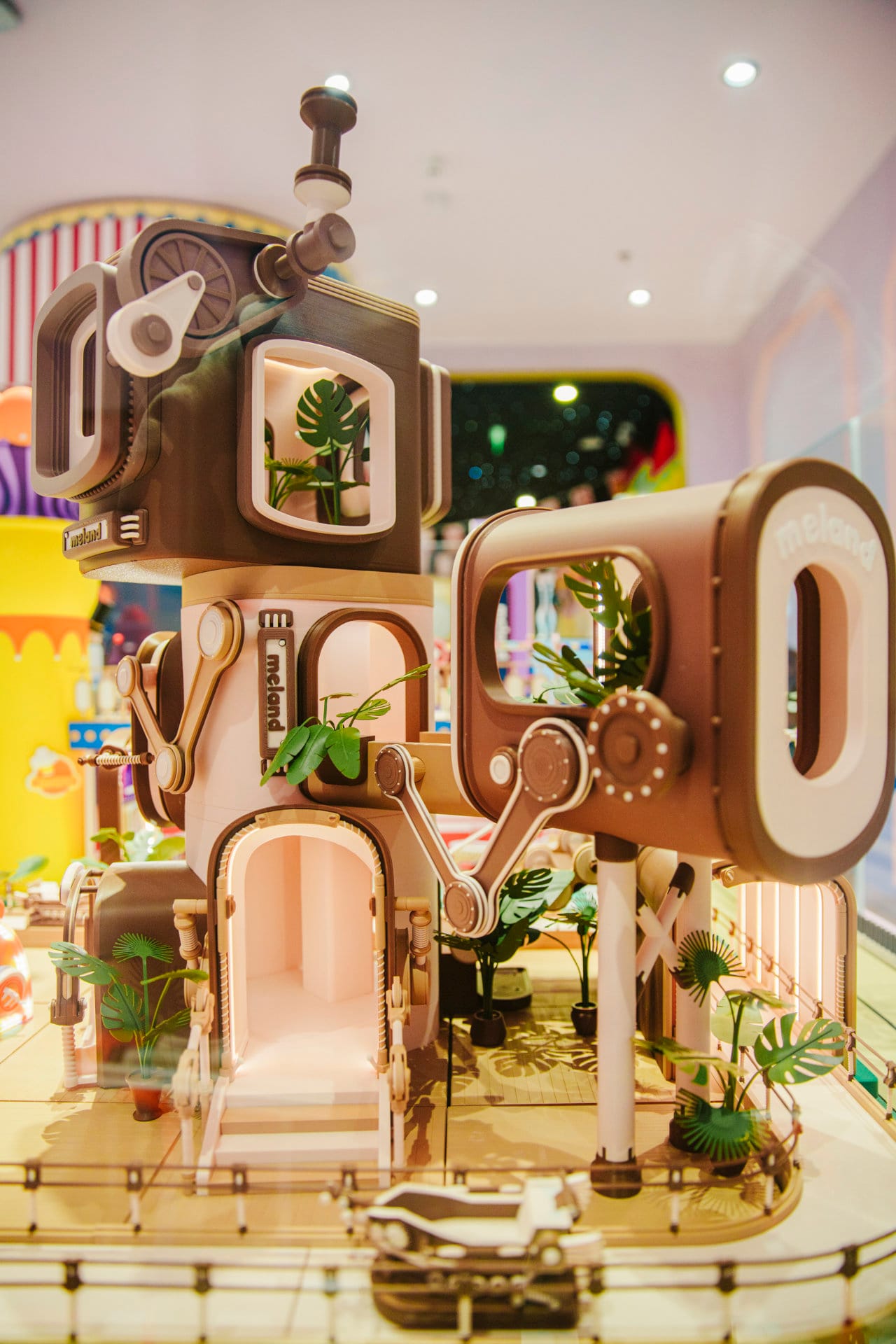
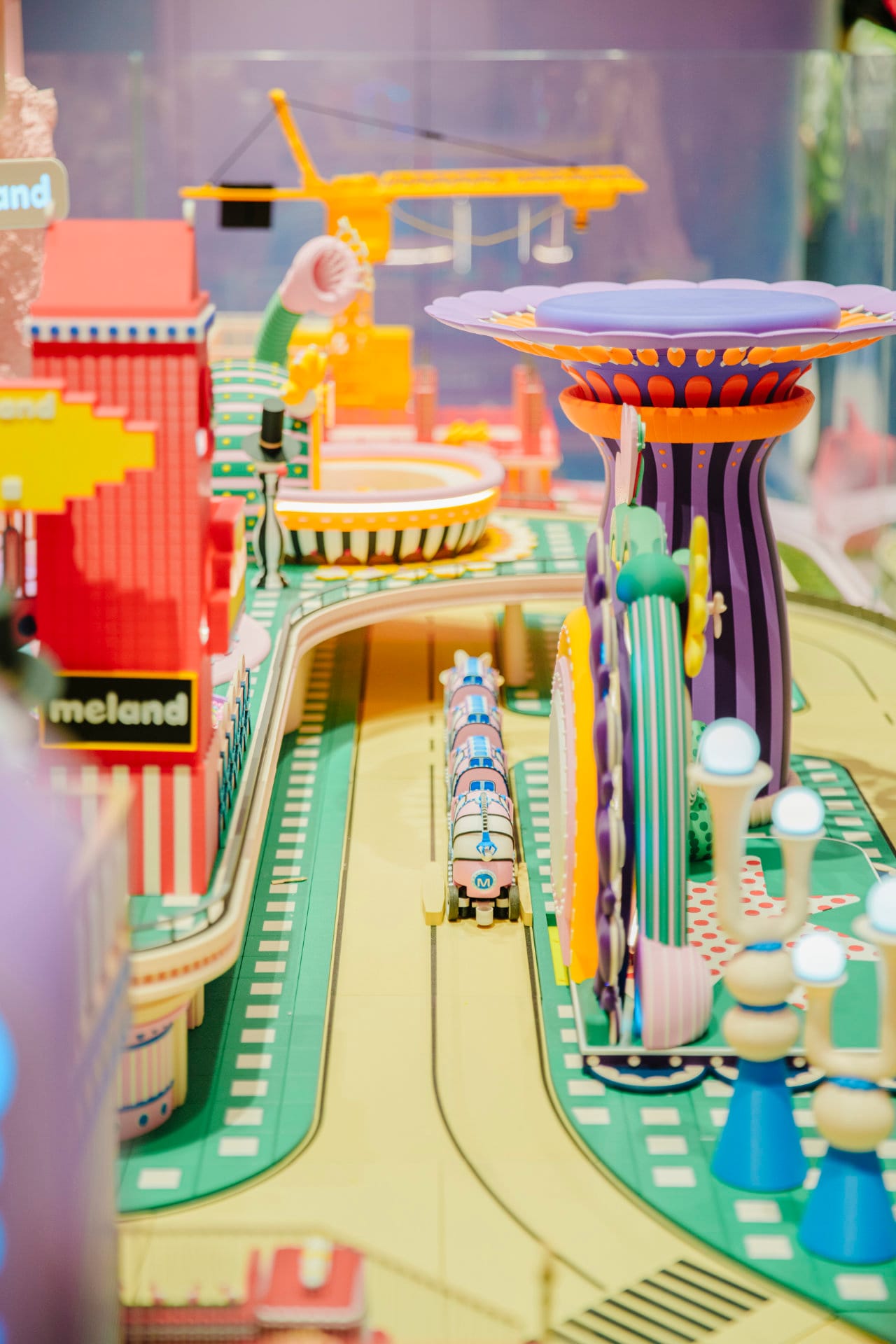
This is not a copy - it is a complete reinterpretation.
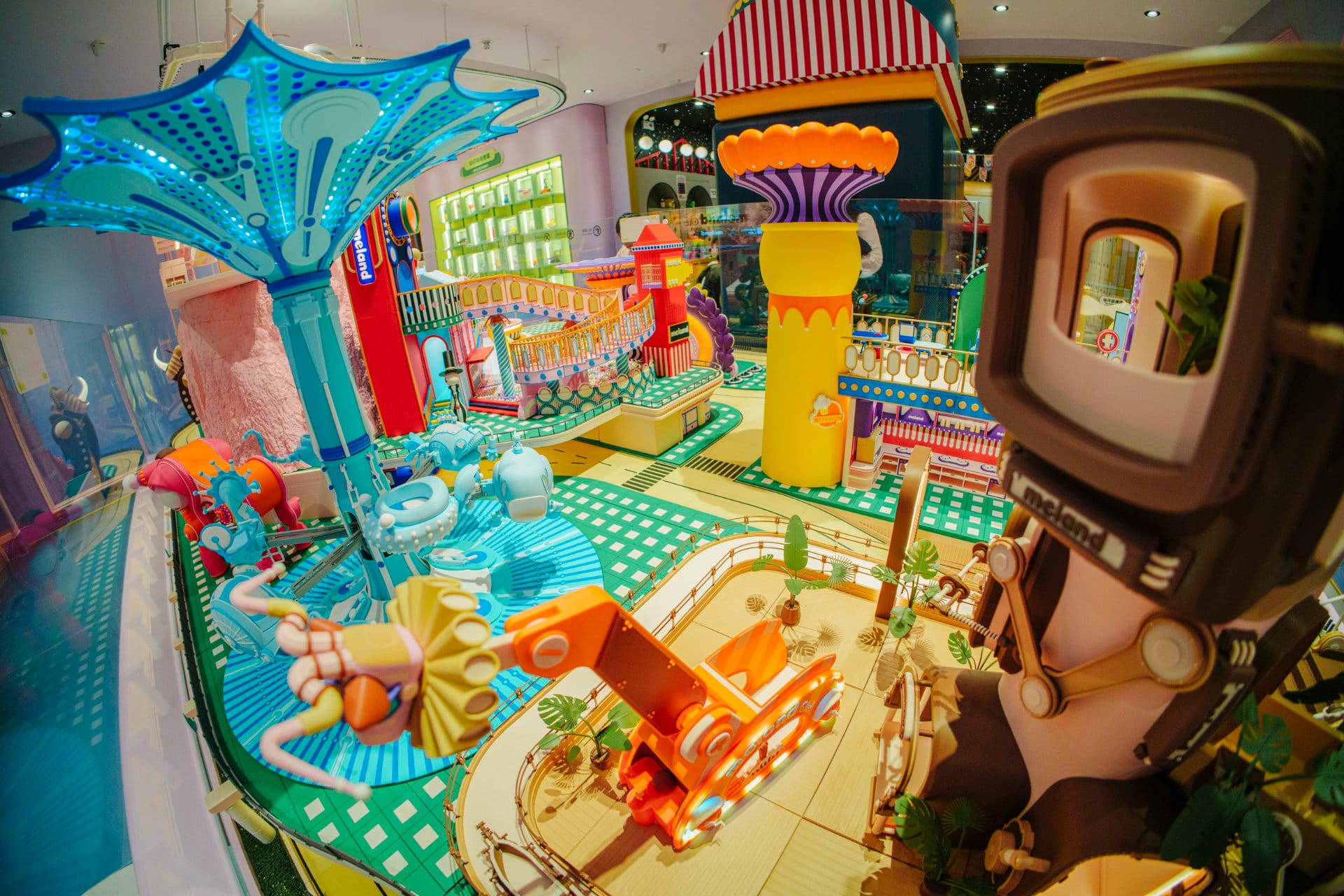
The design team created a miniature city in which the central elements are iconic attractions from meland playgrounds. Streets, buildings, and playground structures are all 3D printed and designed with a child encountering the installation for the first time in mind.
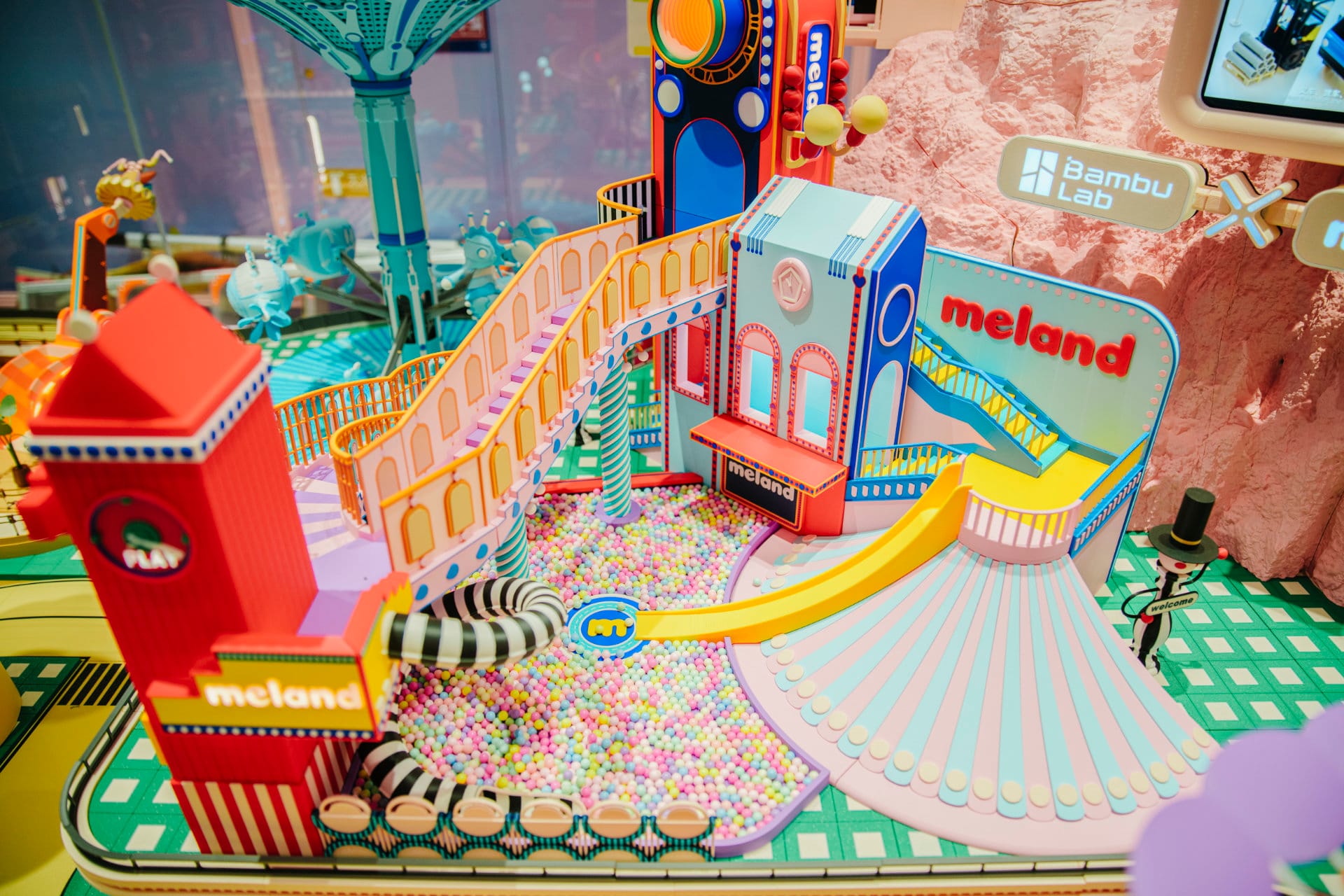
Lighting, dynamic effects, and meticulous attention to structural and visual details transform the installation into something more than a static display.
Watching Cyber Brick City is not passive observation. It is an experience.
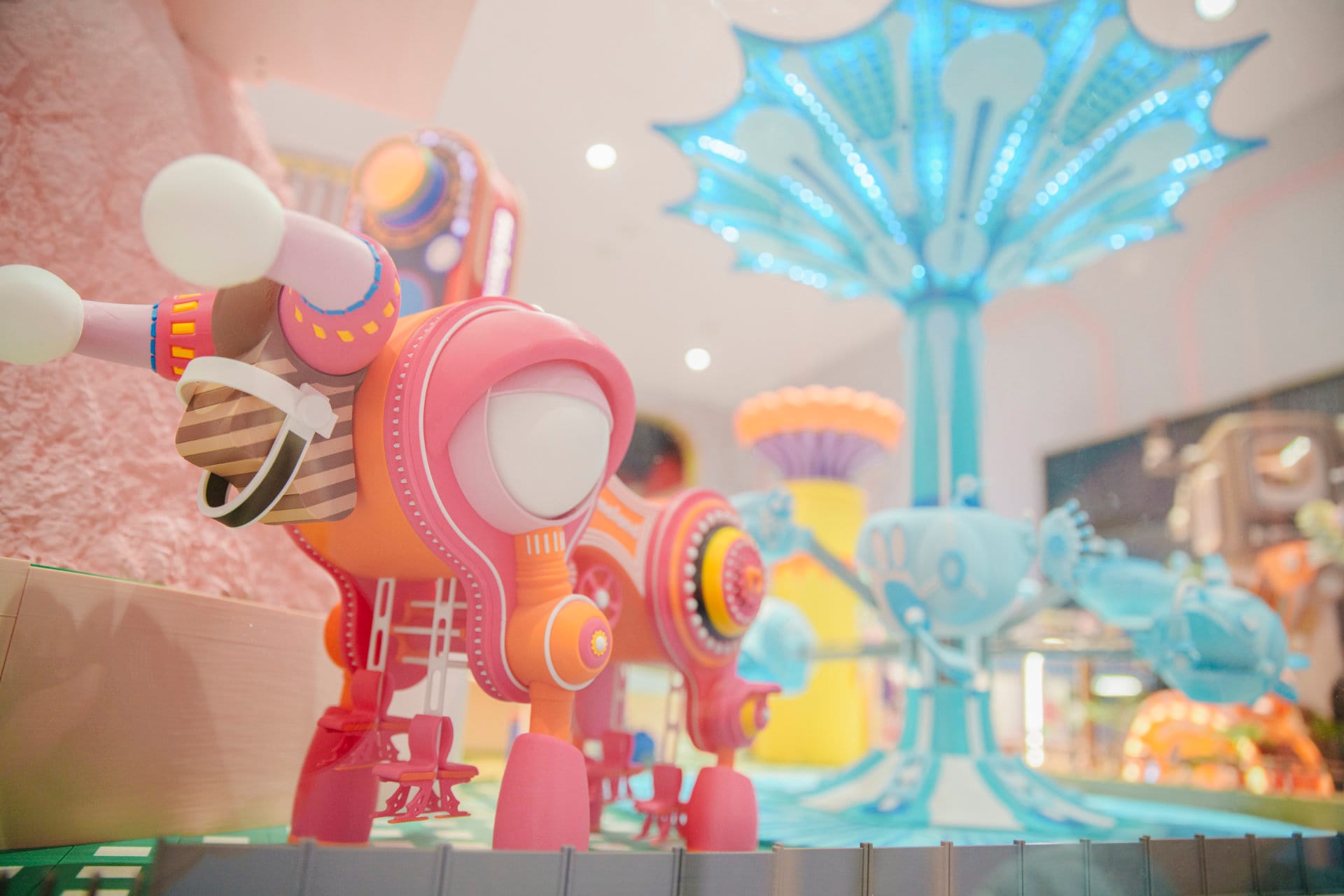
Children instinctively look for familiar elements, ask questions, and want to understand how everything was made.And that is exactly the point.
Why now?
China’s family entertainment industry has been growing for years, but recently that growth has accelerated significantly. In 2024, the market exceeded 100 billion yuan, with an average annual growth rate above 20%.
Parents are no longer just looking for a place where their children can spend an afternoon. They want experiences that offer educational, emotional, and creative value.
Research from the China Tourism Academy confirms this shift: 61.4% of parents expect family activities to combine knowledge acquisition with emotional bonding.
The industry recognizes this trend - but finding technologies that truly work in children’s entertainment spaces is more difficult than it might seem.
3D printing fits these expectations almost perfectly.
It gives children a complete creation pathway - from idea to design to physical object. It requires independent thinking and decision-making. It engages parents who want to understand what their children are doing. And it leaves behind something tangible - a printed object that the child can take home.
Just the beginning
For that reason, the Shenzhen center is not the end of the story.
Both companies say the venue will host regular events and activities focused on learning through play, and the collaboration has strong potential to scale across meland’s extensive network of locations throughout China.
The infrastructure is ready.
The program is ready.
The technology has been ready for years.
Only one thing remains: for children to discover what they can do with it.