Bambu Lab powers innovation at UW-Madison
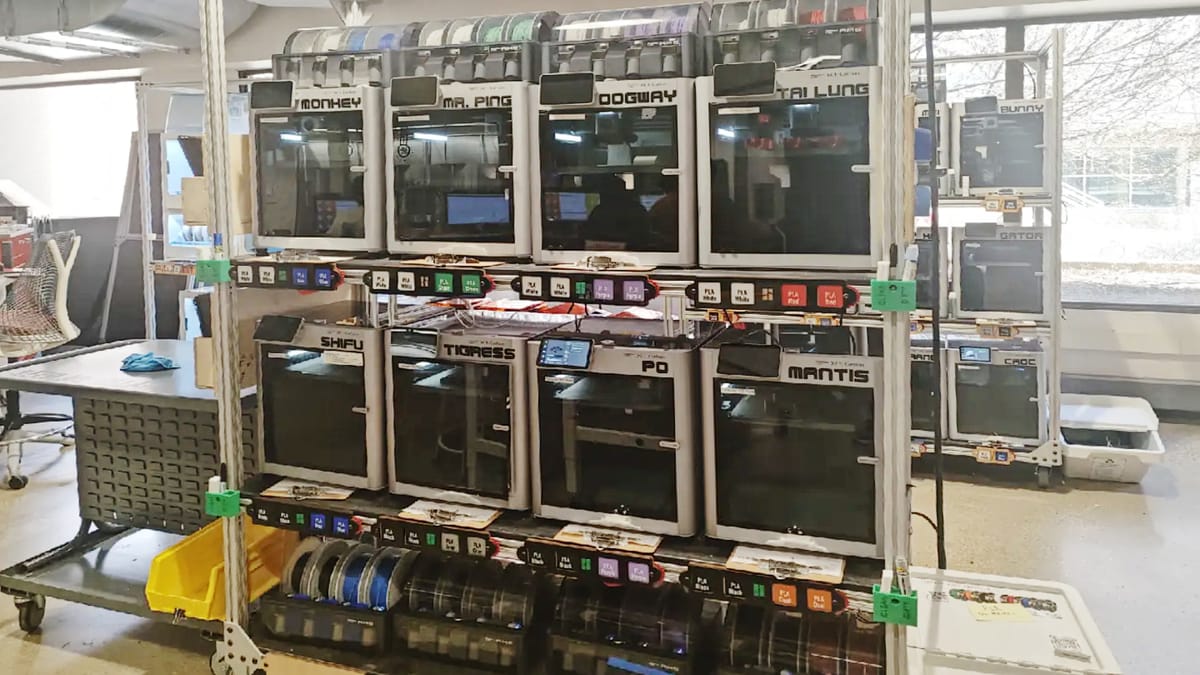
From a busy makerspace to a fully automated print fleet of 20 X1C and X1E Bambu Lab printers


Few technologies have reshaped the landscape of engineering education as desktop 3D printing. What began as a niche prototyping tool reserved for well-funded industrial laboratories has over the past decade evolved into an accessible and versatile resource across universities, startups, and design studios worldwide.
The promise of additive manufacturing was always compelling: the ability to translate a digital model into a physical object within hours, without complicated and demanding machining processes.
Yet for many years, the reality fell short of that promise.
Early desktop FFF printers were notoriously temperamental: prone to failed prints, demanding in terms of calibration, and slow.
For academic institutions managing high print volumes across dozens of concurrent users, these limitations translated into operational bottlenecks, excessive maintenance, and student frustration.
The turning point came with a new generation of high-speed, multi-material desktop printers that fundamentally changed what was operationally feasible at scale.
Universities and makerspaces began to take notice - not just of improved print quality, but of dramatically reduced cycle times.
For institutions built around the idea that hands-on fabrication should be democratized - open to engineering freshmen and PhD researchers alike - this shift was transformative.
Engineering education has been moving steadily toward project-based, experiential learning models. Accreditation bodies increasingly expect graduates to demonstrate practical design and fabrication competencies alongside theoretical knowledge.
Makerspaces have become central to this pedagogical shift, serving not merely as equipment rooms but as collaborative environments where interdisciplinary teams tackle real problems with real tools. The reliability, speed, and scalability of the fabrication equipment available to students is not a peripheral concern - it is foundational to the educational mission itself.
It is against this backdrop that the experience of the Design Innovation Lab at the University of Wisconsin-Madison offers a particularly instructive case study.
Faced with growing student demand, aging printer infrastructure, and the operational costs that came with it, the Lab made a deliberate and considered decision to modernize its 3D printing capabilities.
What followed was not simply a hardware upgrade - it was a rethinking of how a large-scale academic makerspace could leverage current technology to serve its community more effectively...
Design Innovation Lab at UW–Madison
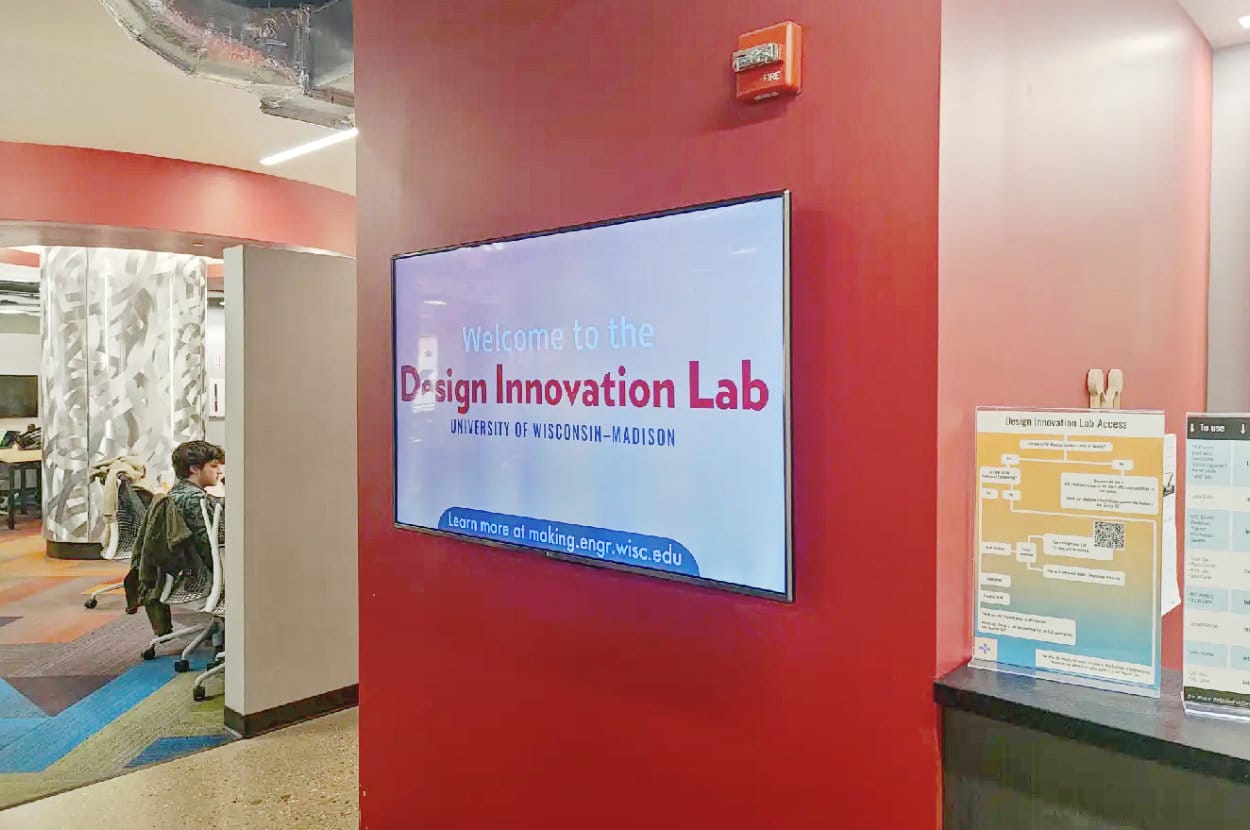
The Grainger Engineering Design Innovation Lab at the University of Wisconsin-Madison was established in 2017. It was possible by a transformational gift from The Grainger Foundation. As part of UW-Madison's College of Engineering, it encompasses over 25,000 square feet of makerspace, machine shop, and visualization facilities - including the TEAM Lab for precision machining and the Kohler Innovation Visualization Studio for virtual and augmented reality.
Largely student-run, with around 60 student workers supported by nine full-time professional staff, the Lab is designed to foster interdisciplinary, peer-to-peer learning. Its mission is to empower students from across the university to design, prototype, and build - bridging the gap between engineering theory and real-world practice through hands-on experience.
Printer deployment
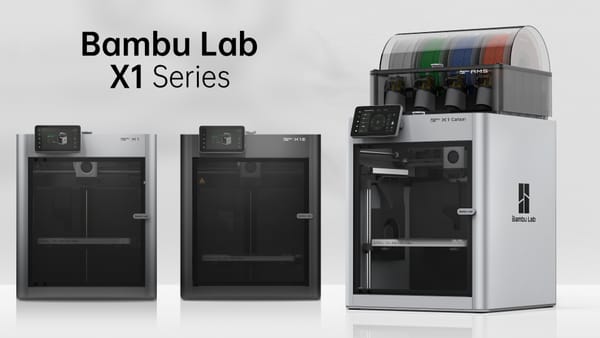
To meet growing demand, the Lab added 20 Bambu Lab X1 Carbon and X1E desktop FFF printers, selected for their high-speed printing, multi-material capability, and overall reliability.
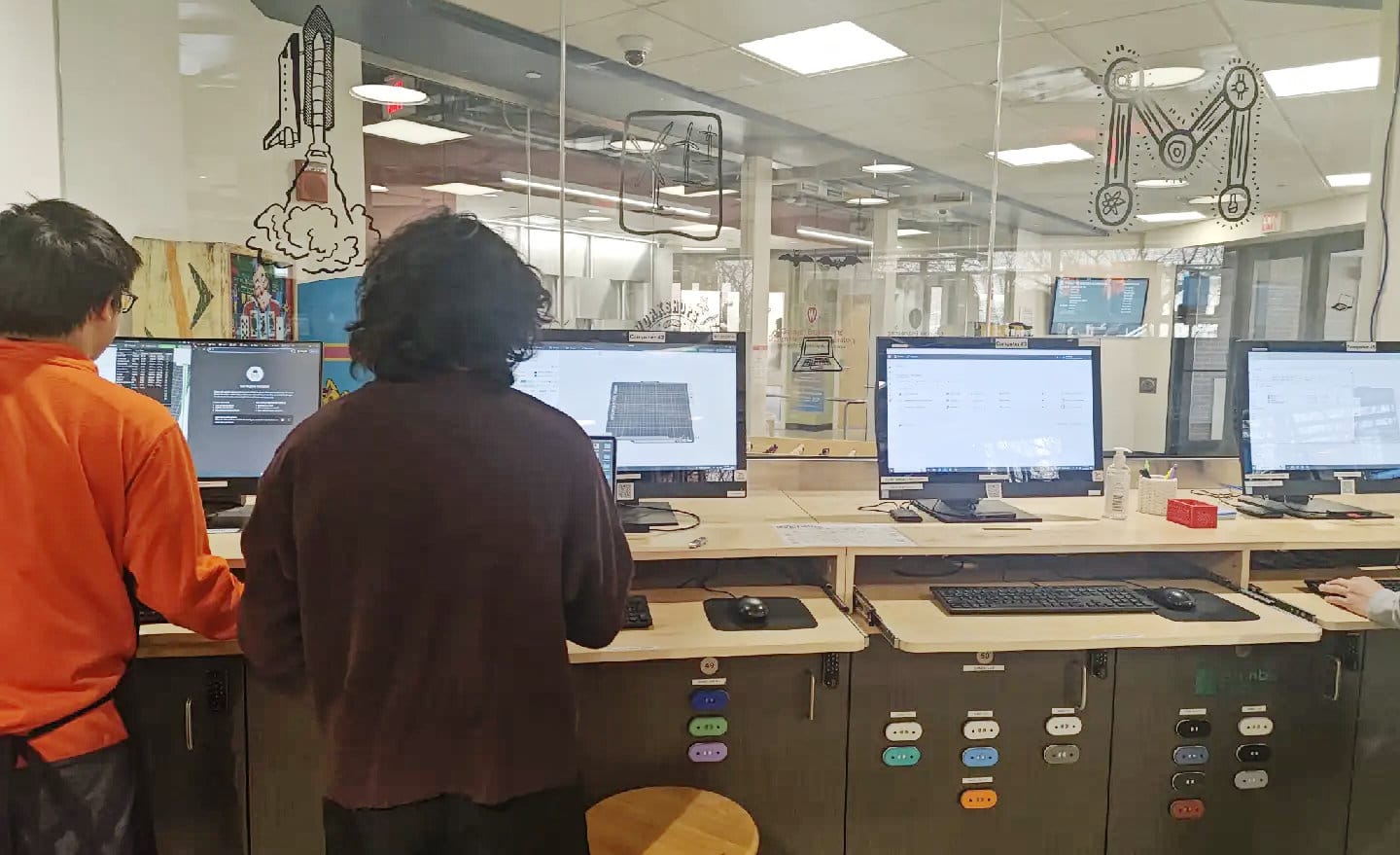
According to the students involved, the printers they had previously been using also produced good results, but suffered from slow printing speeds and high operational and maintenance costs - factors that ultimately prompted the decision to upgrade the existing printer cluster to a Bambu Lab X1C fleet.
Custom print-queue management
In addition to the printers themselves, the Lab has deployed four dedicated computers for printer management, where students can directly import their models, slice them, and send them to the appropriate machine.
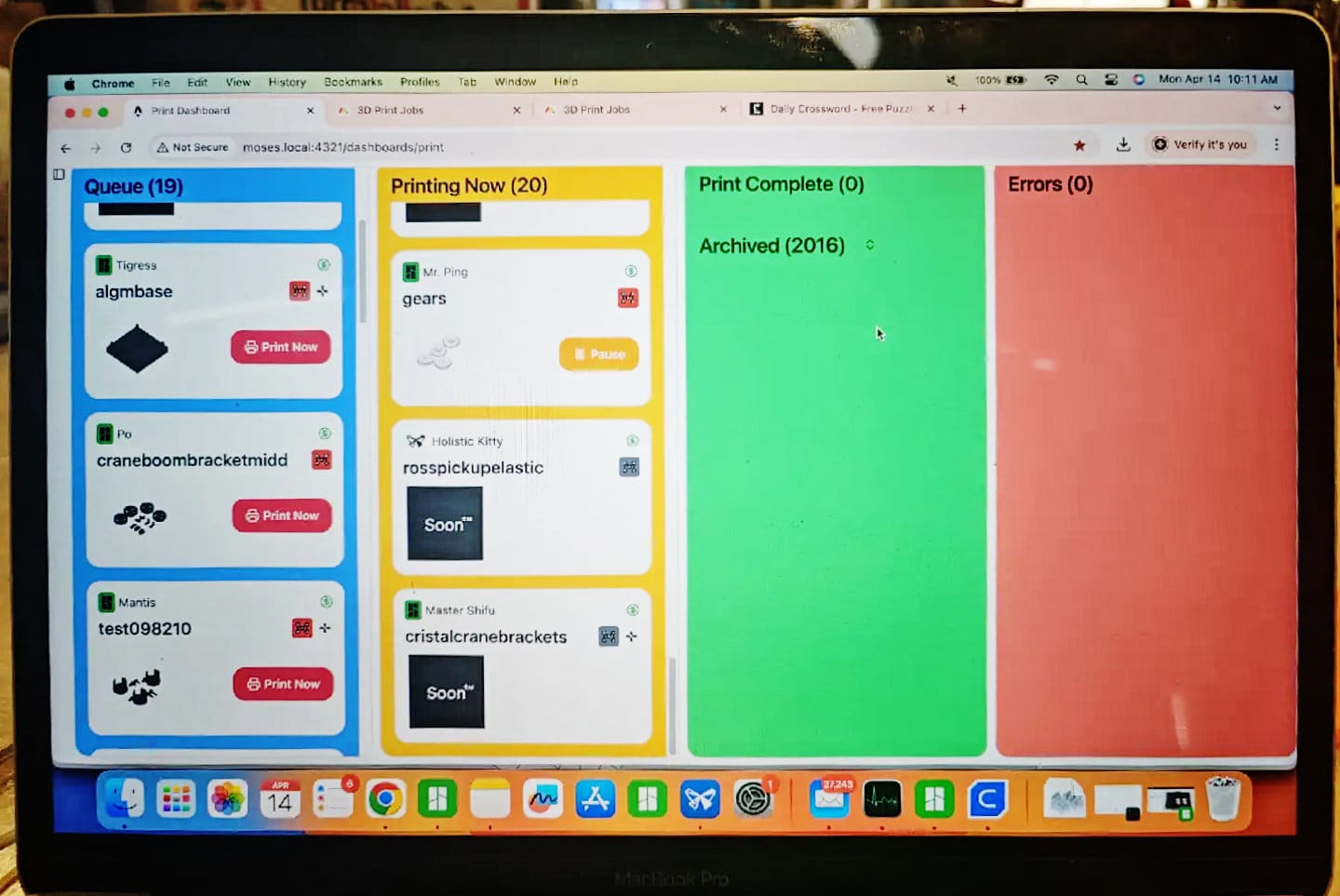
Rather than relying on purely manual oversight, the Lab's engineers integrated the Bambu Farm Server SDK API to build a custom print-queue management platform.
This system centralizes job submission across all 20+ printers, provides live-status monitoring, and supports model preview while automatically archiving jobs that have finished printing or encountered errors.
Student applications
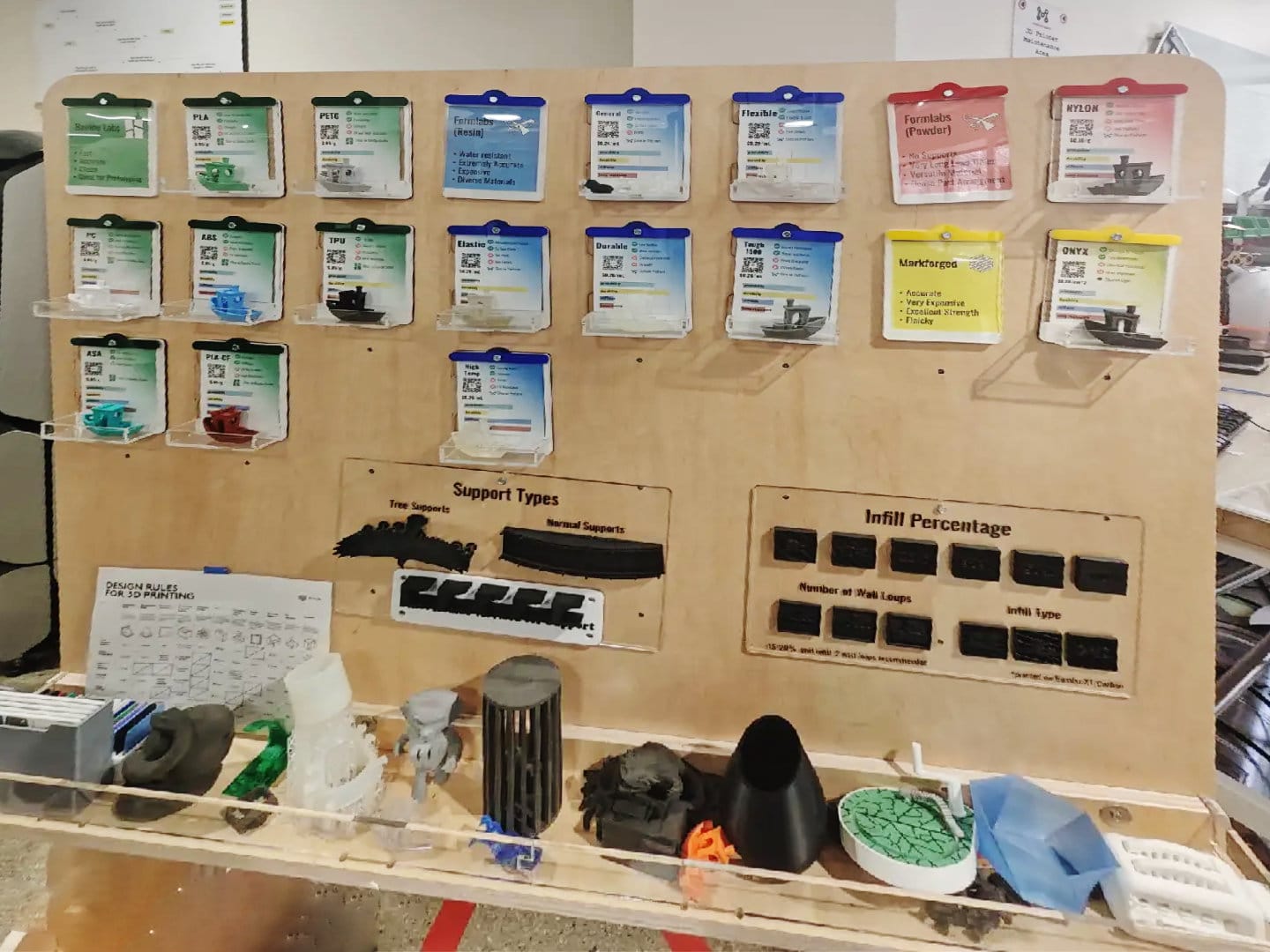
For engineering freshmen, the Design Innovation Lab also offers dedicated 3D printing training courses. In these sessions, students gain hands-on experience with the fundamentals of 3D printing, explore the properties, advantages, and limitations of various materials, and ultimately test the printers by producing their own designs or any models they wish to create.
Beyond course support, Bambu Lab 3D printers have become integral to several impactful student-led projects at the Lab.
Drone-based AED delivery system
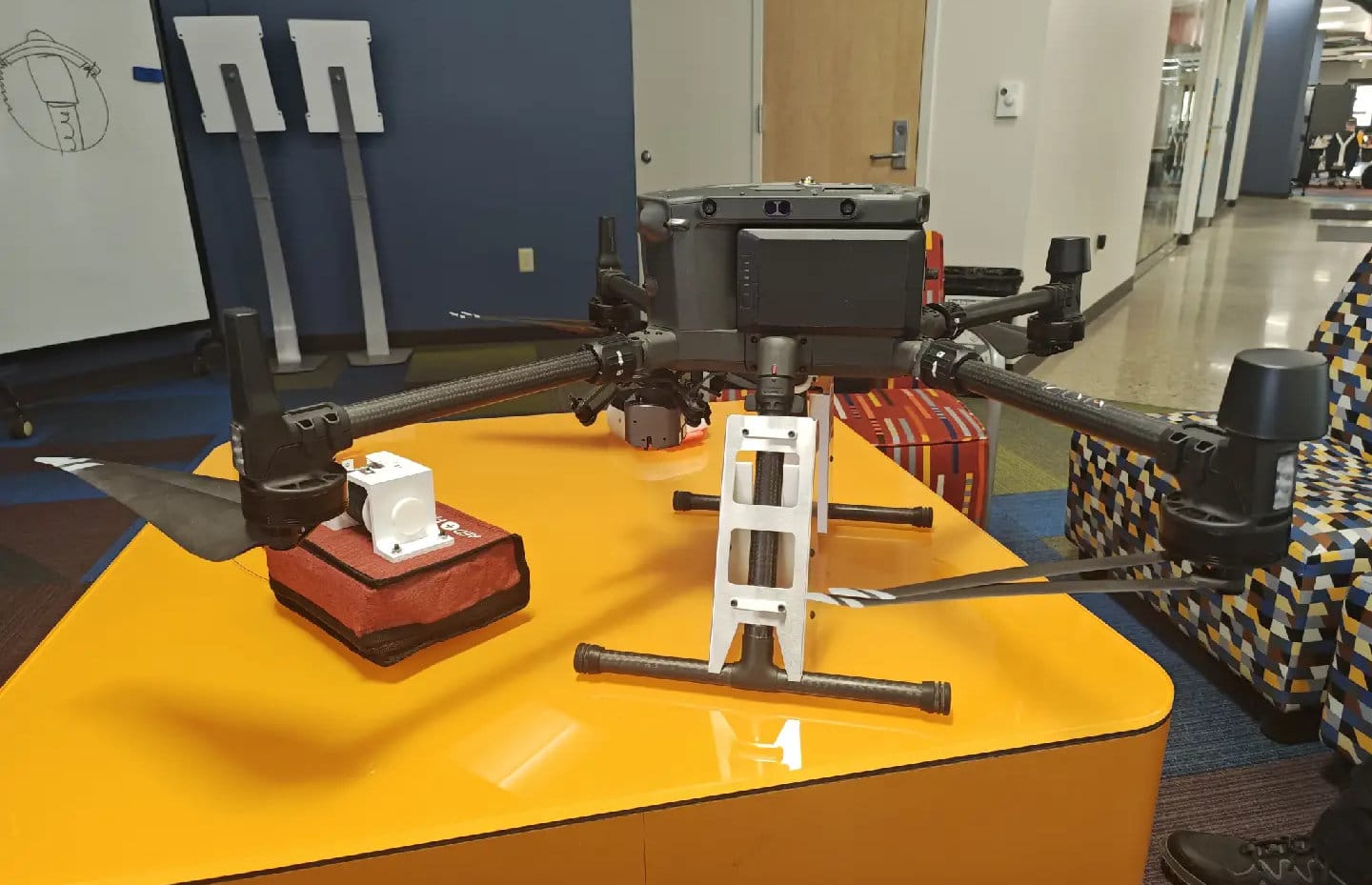
In response to the challenges of providing timely medical assistance during events such as the American Birkebeiner ski race, a student team developed a drone-based system to deliver Automated External Defibrillators (AEDs) to remote areas. Equipped with AEDs, the drones can quickly navigate over obstacles and deliver life-saving equipment via a Kevlar cord.
Bambu Lab 3D printers were used to fabricate custom components for the drone's mechanical structures, producing parts that are both lightweight and durable - qualities essential to the drone's performance in the field.
Customized wheelchairs for children
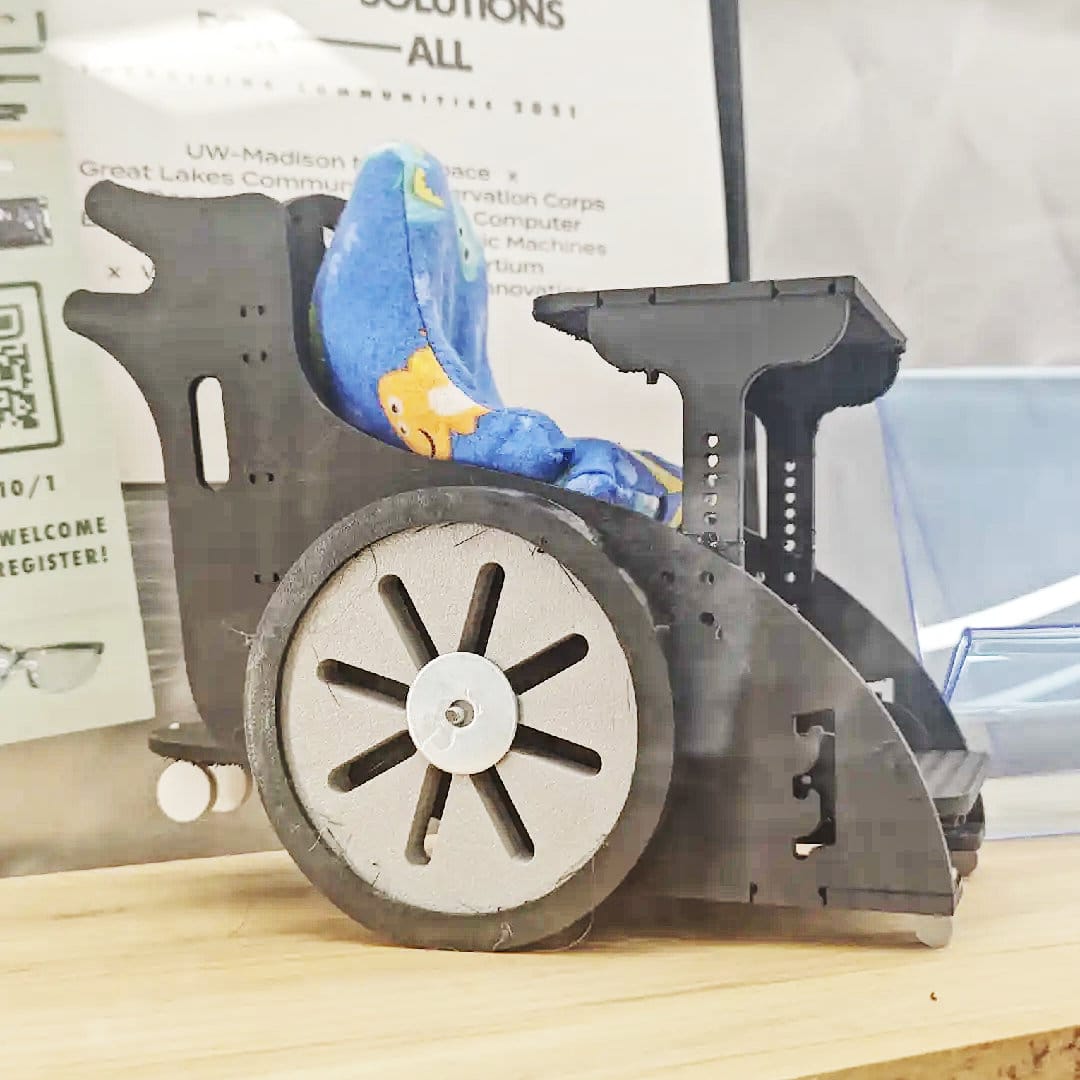
Addressing the need for appropriately sized mobility devices for children with disabilities, another student team embarked on a project to design and produce customized wheelchairs. Standard adult-sized wheelchairs frequently fail to meet the ergonomic and functional needs of younger users.
Using Bambu Lab 3D printers, the team created scaled-down, bespoke wheelchair components tailored to individual children's requirements. These custom wheelchairs have since been implemented in local pediatric care facilities, improving mobility and comfort for young users.
Campus-wide service
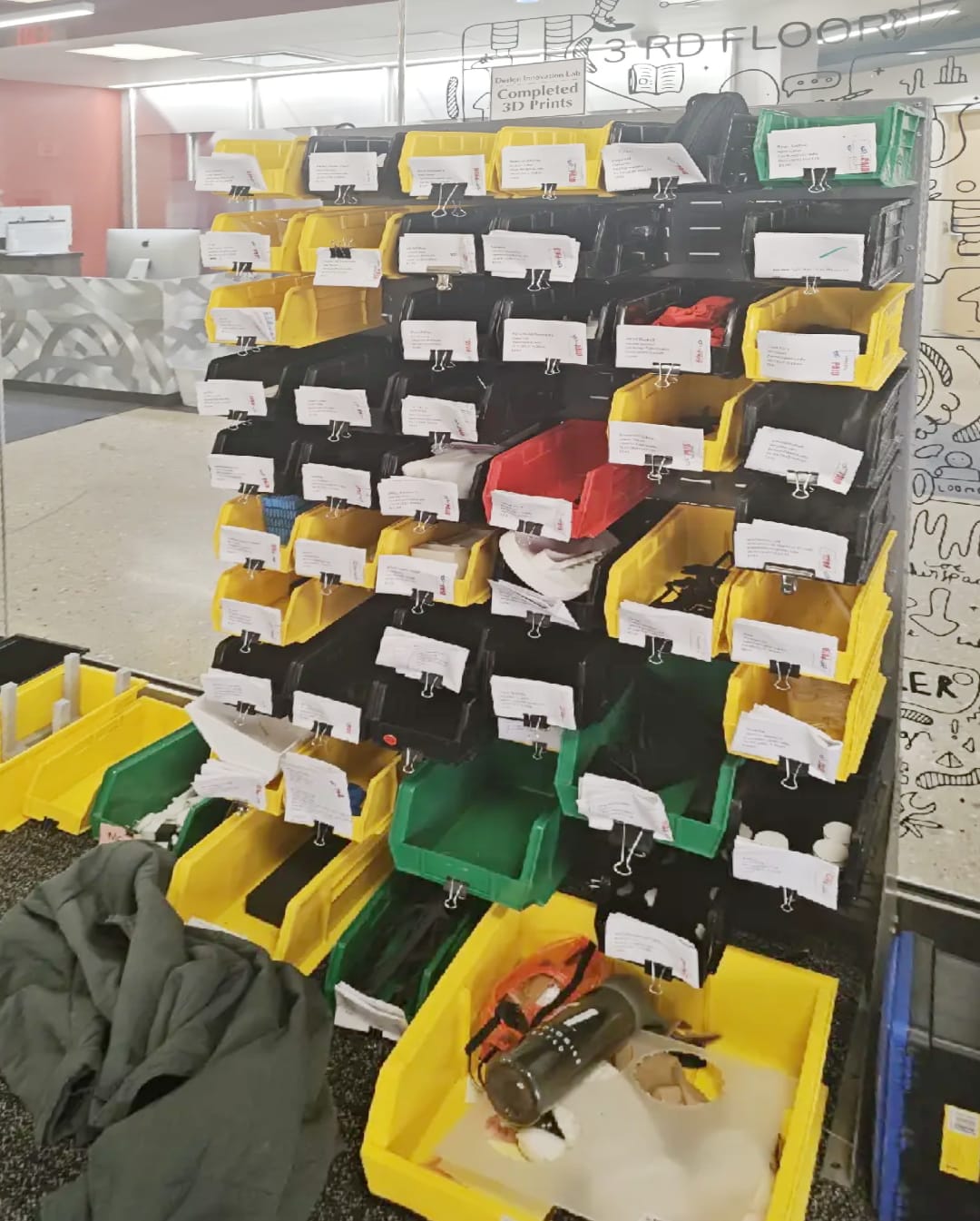
To accommodate the broader university community, the Design Innovation Lab offers cost-effective, fee-based 3D printing services tailored to support coursework, research, and personal projects alike. The Lab's queue management tool has enabled students from art, architecture, biology, and beyond to place print orders - ranging from complex sculptural models to lab-grade jigs - through a single unified interface, driving adoption well beyond the engineering campus.
Faculty-led research groups have also made use of the fleet to produce small-batch experimental apparatus, reducing lead times from weeks to mere hours.
Future outlook
Faculty and students at the Design Innovation Lab are planning to continue iterating on their print-management platform. The next step, according to the team, is to leverage the platform's ability to identify model colors and automatically group same-color orders onto a single machine, further improving overall printing efficiency.
Bambu Lab will continue to support the Design Innovation Lab at the University of Wisconsin-Madison, helping the Lab serve an ever-growing community of makers, researchers, and engineers.