Big Job. Light Work. Bambu Lab Launches R1
With the R1 - a 55W CO₂ Laser Cutter & Engraver, Bambu Lab opens a new category in its ecosystem and its first product line beyond 3D printing

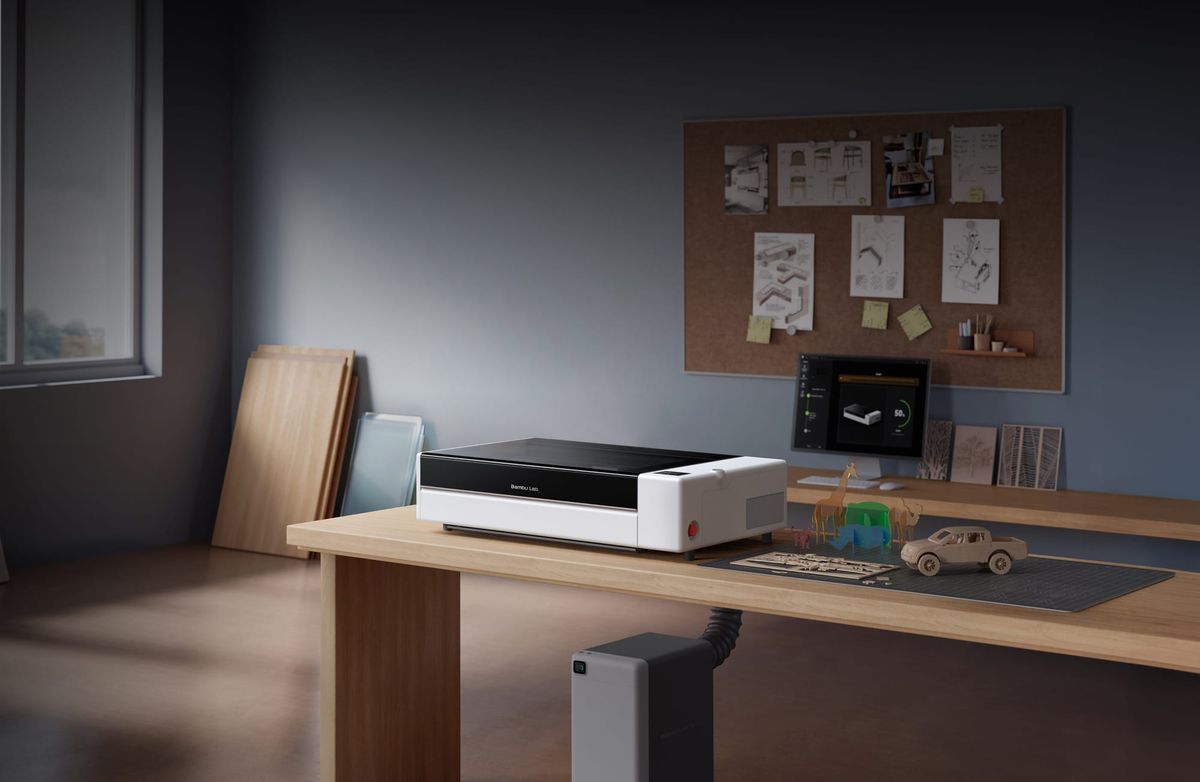
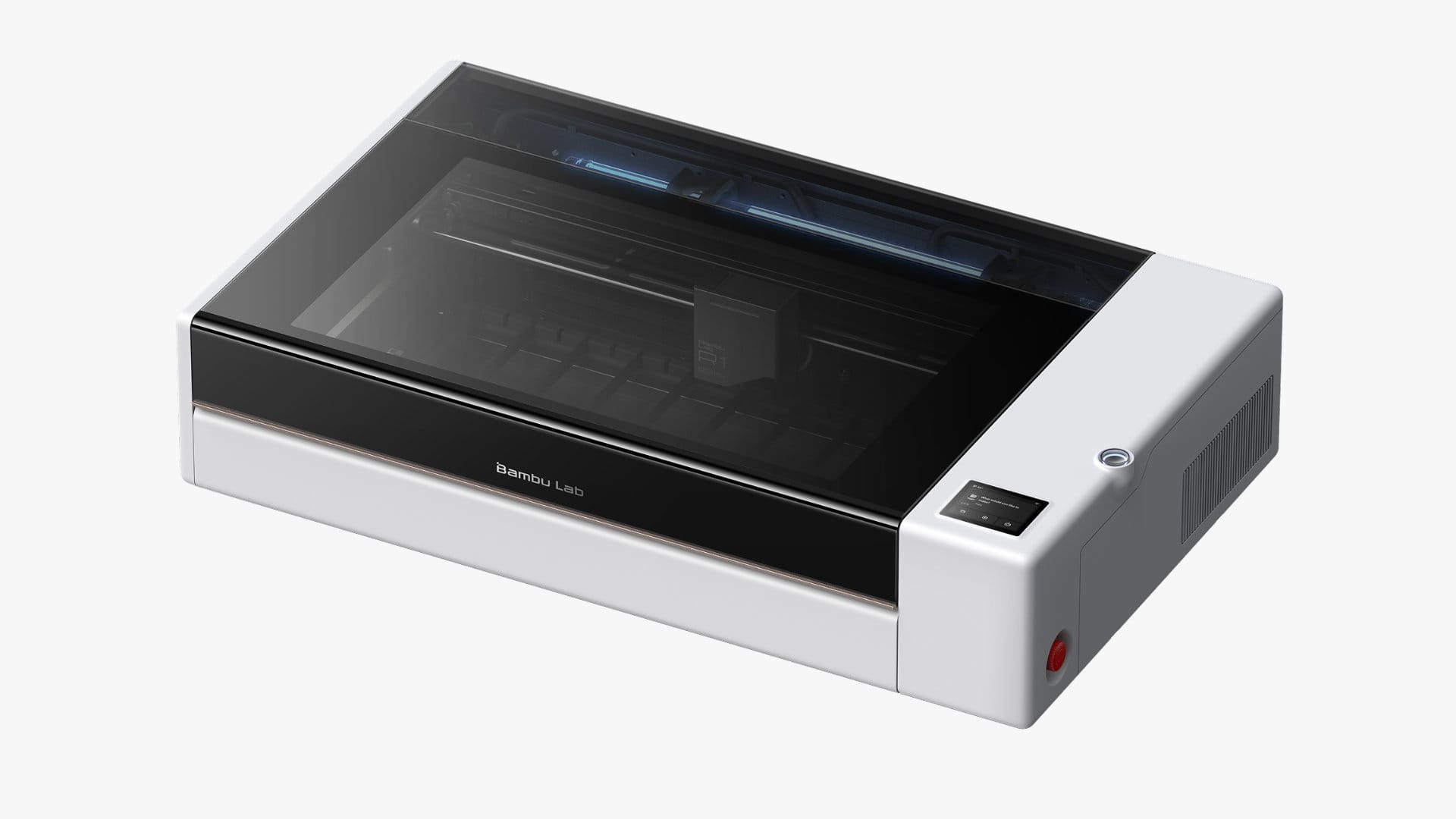
Big job. Light work. This is how Bambu Lab introduces the R1: a 55 W CO₂ laser for cutting and engraving, and the first device in the company’s history that is not a 3D printer.
R1 cuts and engraves wood, transparent acrylic, or leather at speeds of up to 1000 mm/s. It automatically aligns its optical path and remains safe for use at home.
This opens a new category within the Bambu Lab ecosystem and represents another step toward comprehensive desktop manufacturing.
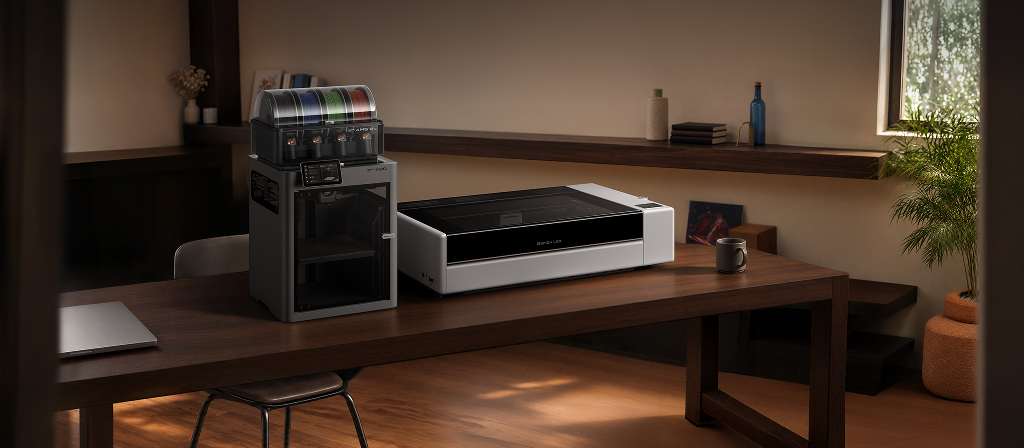
A maker can take a project from a sheet of walnut or acrylic to a finished part and complete the entire process on a single machine, right at their own workbench.
Anyone familiar with Bambu Lab’s 3D printers will recognize the philosophy behind R1. The company took an efficient industrial process and made it accessible to a single person, without specialized training. With R1, the same approach is applied to laser processing.
The laser integrated into the H Series 3D printers was the company’s first step in this direction.
R1 takes that concept to its intended destination: a fully independent machine.
It is Bambu Lab’s first laser and the beginning of a new product line. A premium-class machine, made to be easy to use.
One laser - many materials
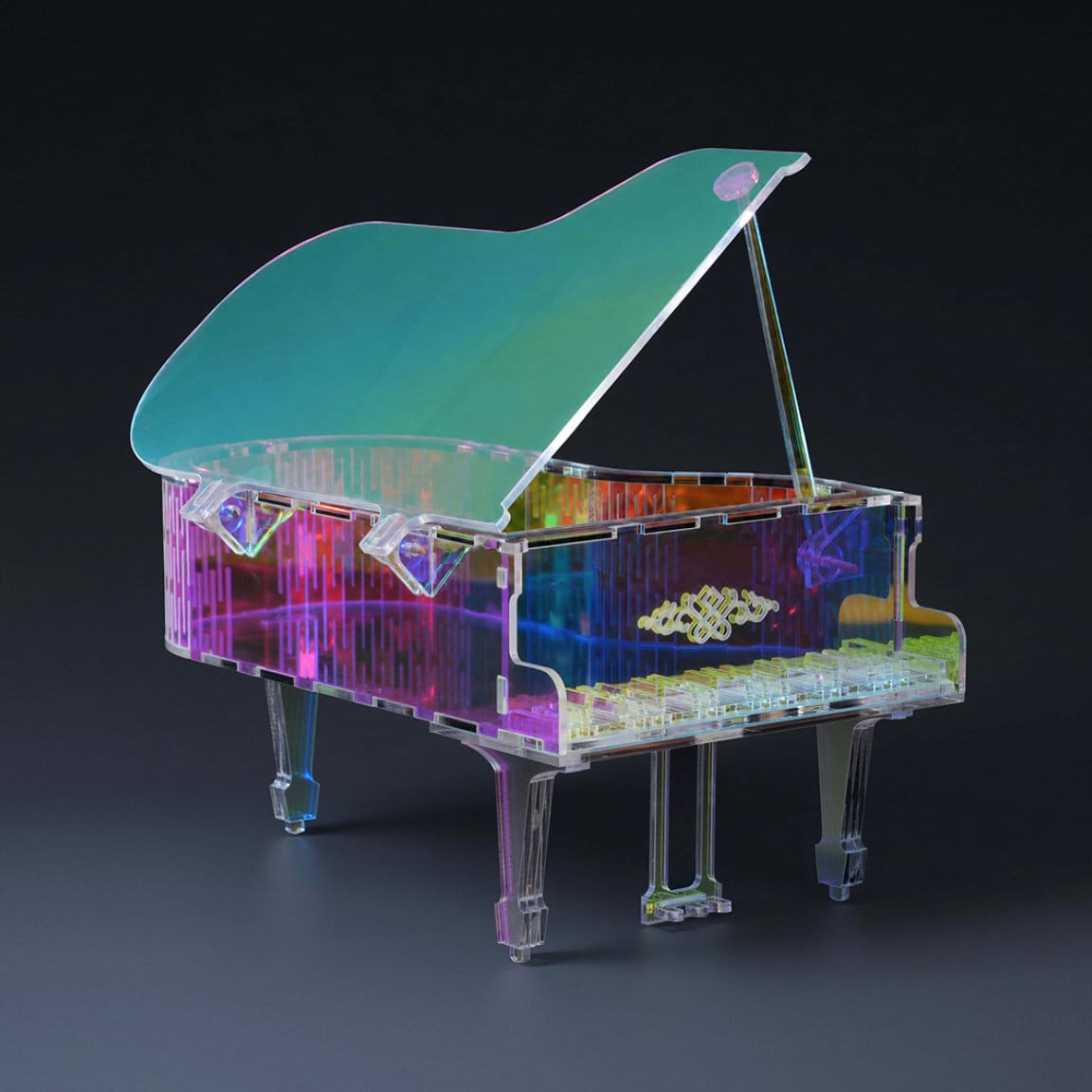
R1 uses a 55 W CO₂ laser. It cuts and engraves wood, acrylic, leather, paper, and fabric, while engraving glass, stone, and coated metals.
The most interesting materials here are transparent acrylic and glass. A diode laser beam passes straight through them, while a CO₂ laser beam is absorbed, allowing R1 to cut acrylic and engrave glass.
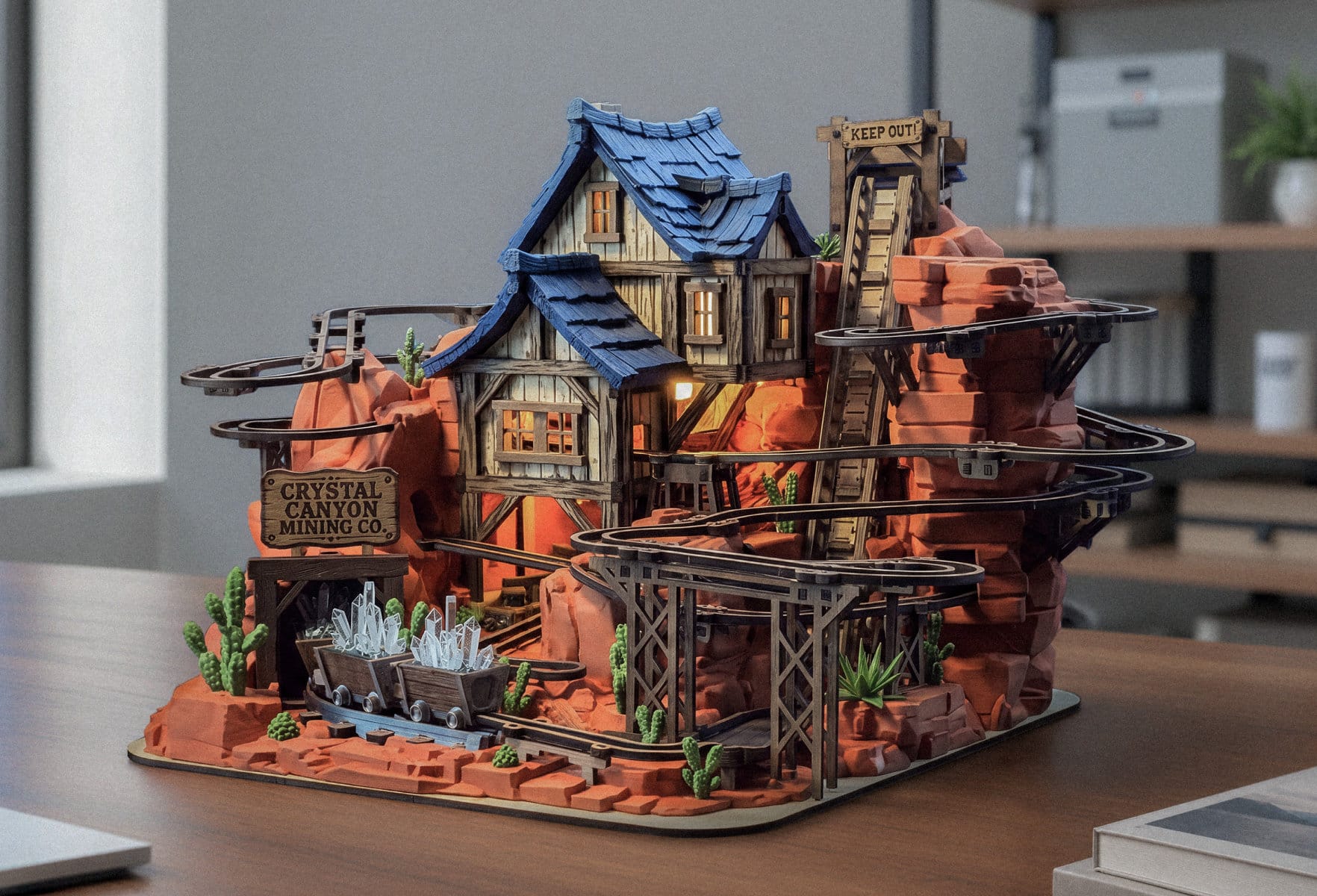
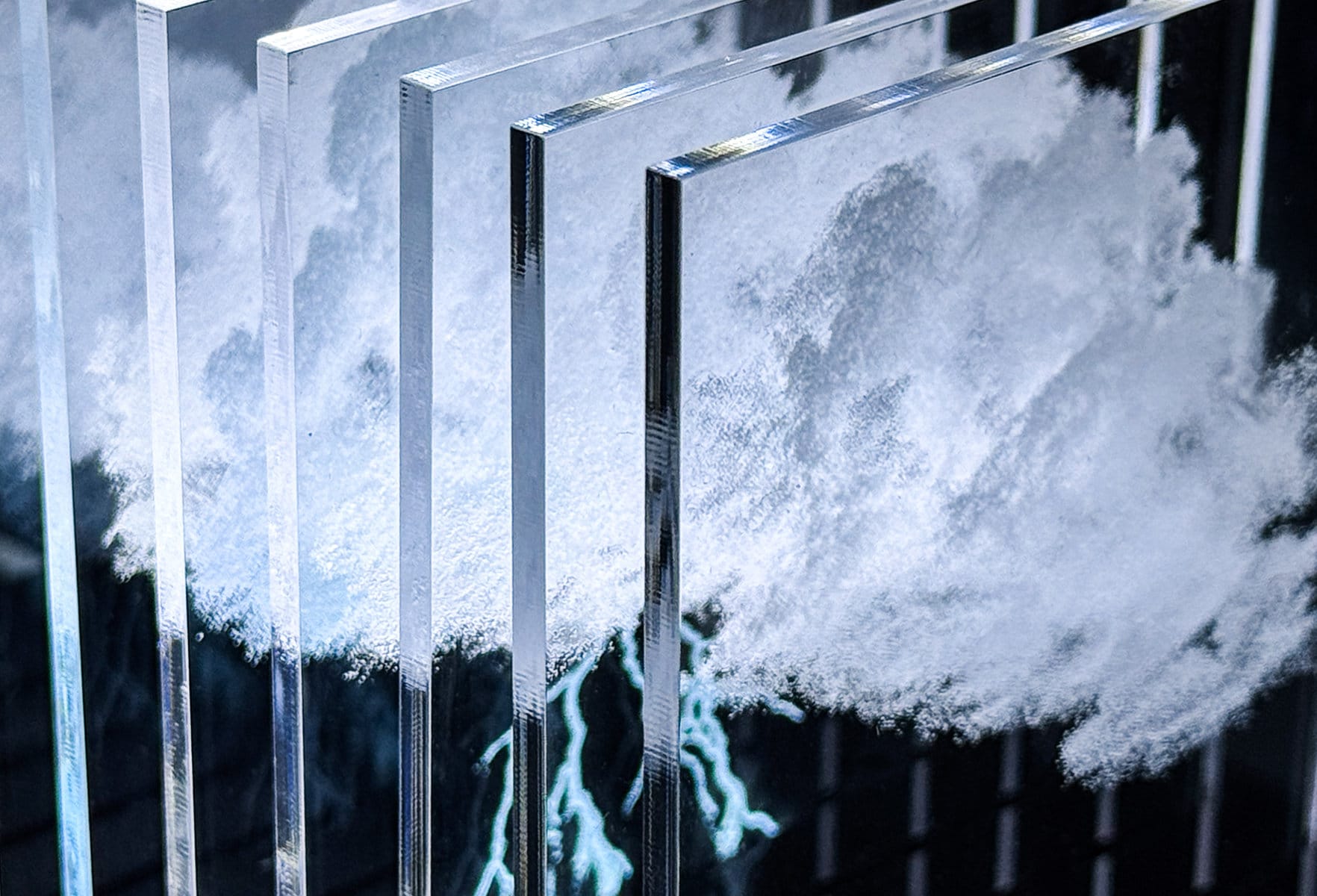
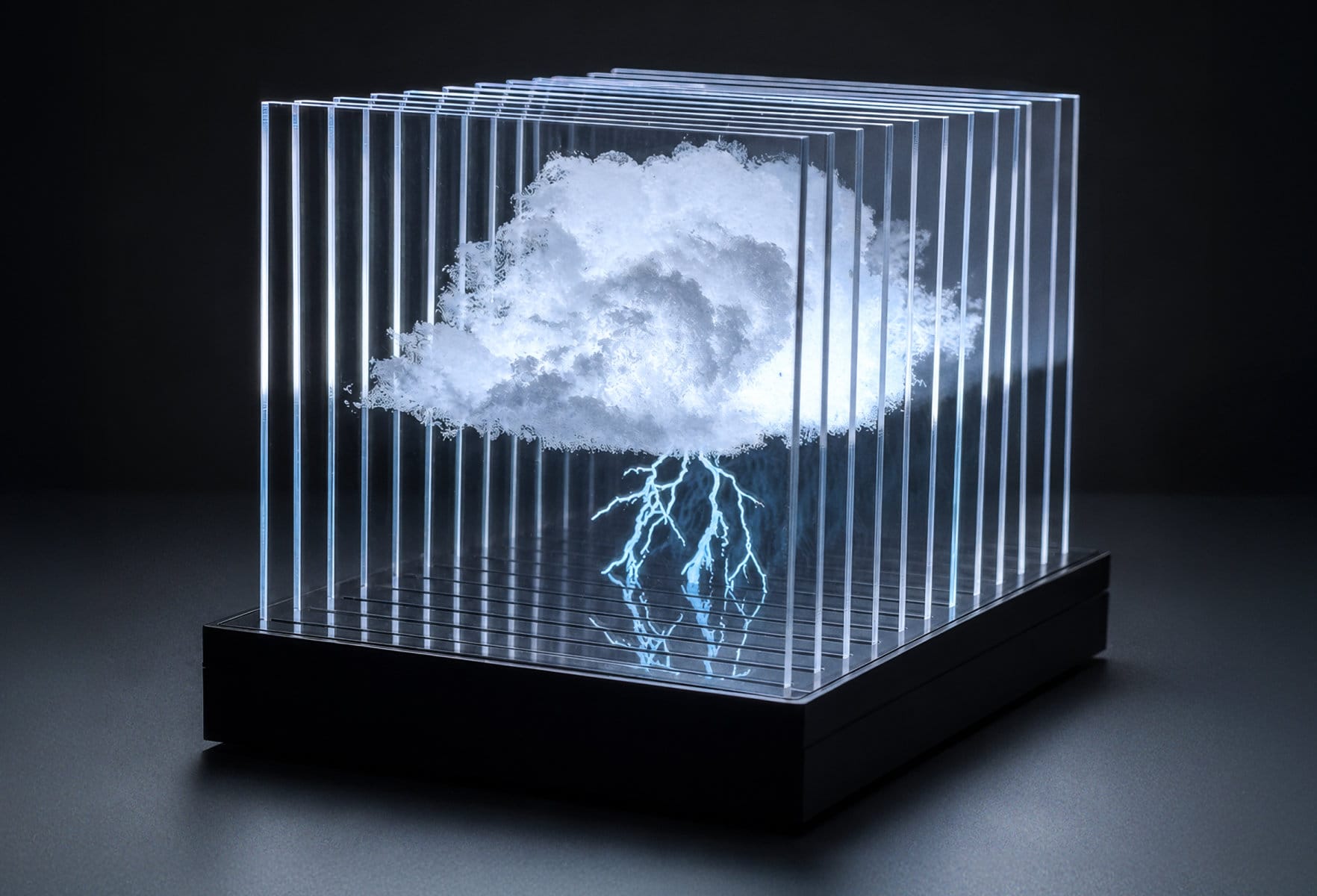
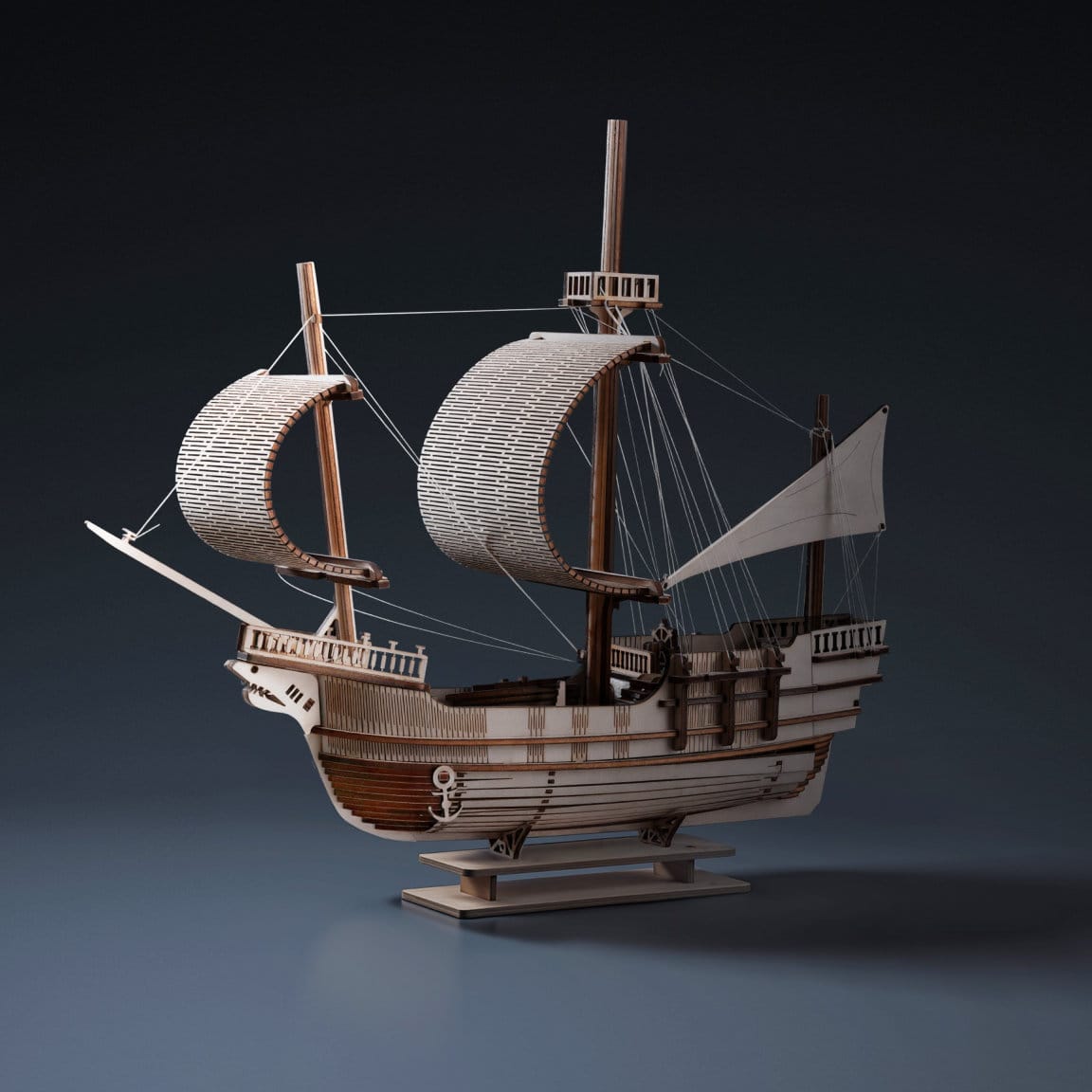

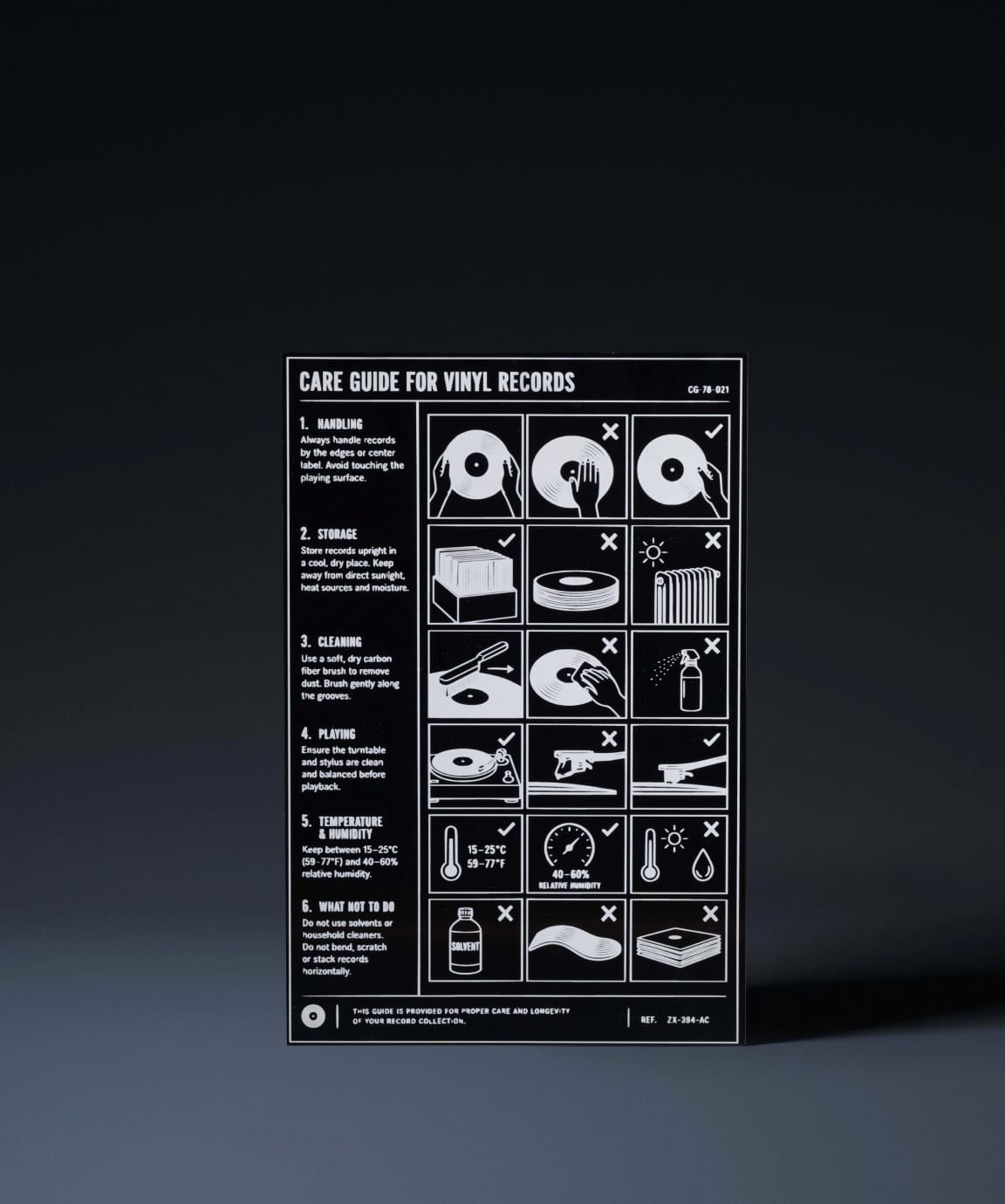
The CO₂ laser can also cut thicker wood than a diode laser, doing so faster and with less edge charring. In practice, this means cutting up to 18 mm black walnut plywood and 20 mm acrylic.
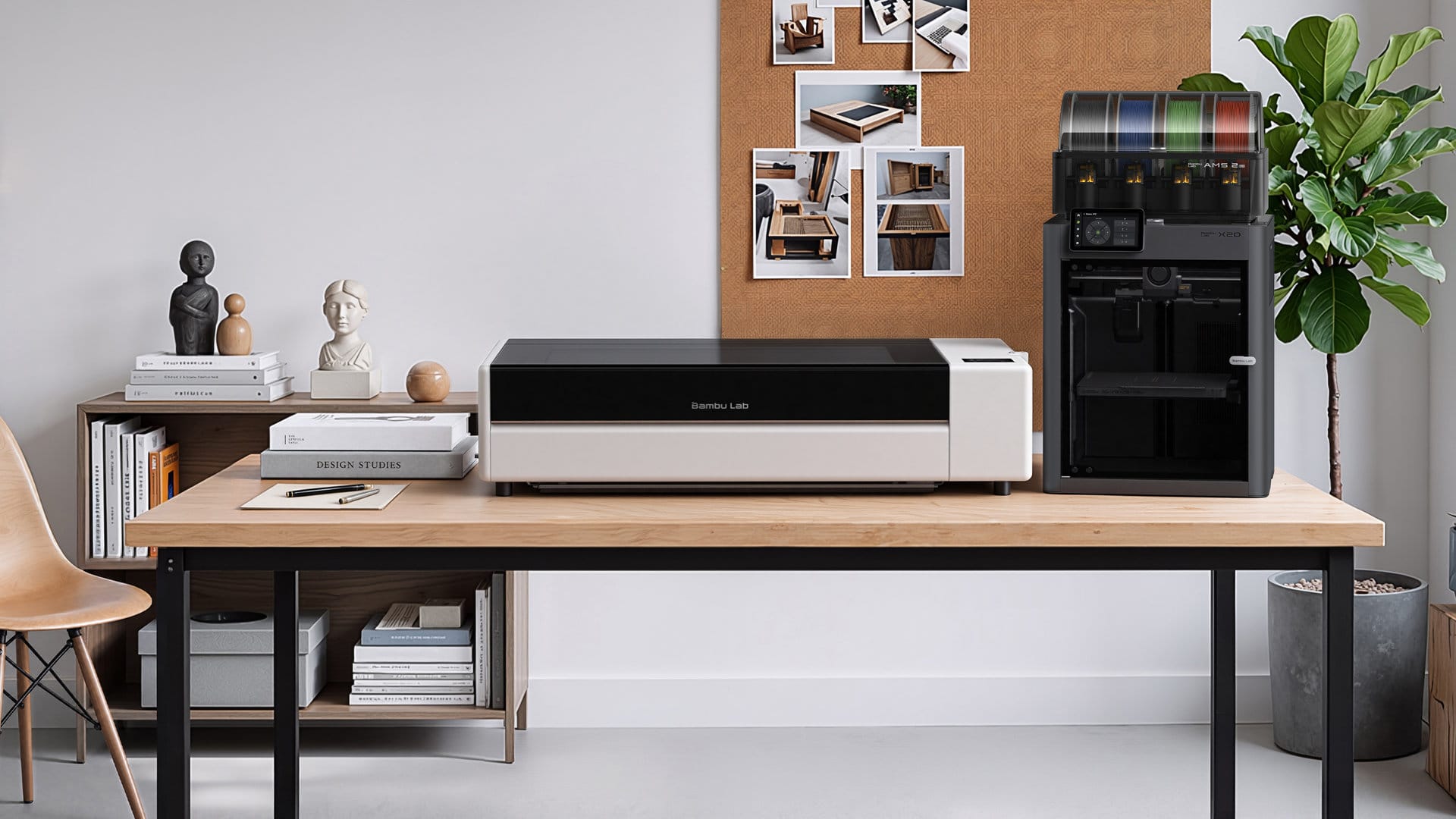
The working area measures 600 × 300 mm. With the Conveyor accessory, R1 can process material up to 3,000 mm long - considerably longer than its own bed, opening the door to furniture-scale work. It can also engrave objects with curved surfaces.
A laser that aligns its own beam
In a CO₂ laser, the beam reaches the lens after bouncing off a series of mirrors along the way. If even one of them is slightly misaligned, the beam drifts off its intended path, and laser power and processing performance drop significantly, potentially to the point where the machine becomes unusable.
Keeping the mirrors properly aligned is something every CO₂ laser requires. On most machines, it is a manual process: thermal paper is placed over the mirror mount, a test pulse is fired, the burn mark is inspected, the mirror is adjusted by hand, and another test pulse is fired. Mirror by mirror, and again whenever the alignment drifts. For a beginner, the process can easily take an hour.
Auto Laser Alignment does this for the user. A Laser Alignment Sensor - a small plate with a targeting cross, is mounted on the toolhead. The machine reads the beam’s position, identifies where the optical path is misaligned, and corrects it using motorized mirror actuators.
No thermal paper, no test pulses, and no manually turning adjustment screws. The entire process takes about a minute.
This solution is exclusive to Bambu Lab.
TriSense System
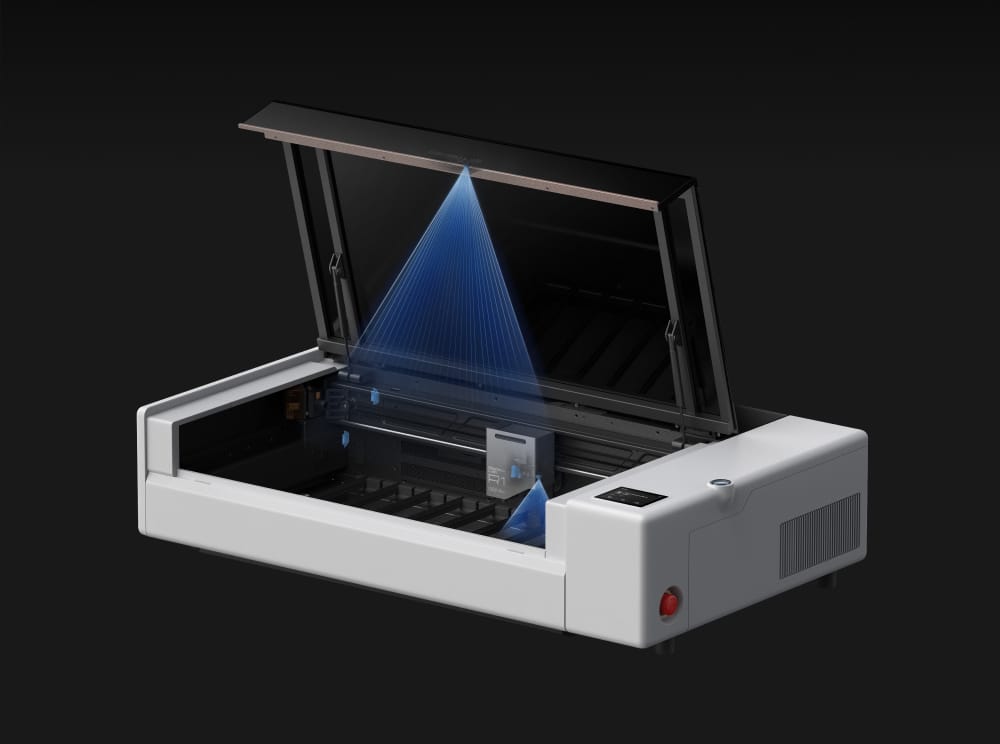
Before R1 starts cutting, it determines three things: where the material and design are located, how high the surface is, and how the toolhead moves above it. The TriSense system handles all three, combining cameras, lasers, and encoders into a single system.
Localization is handled by the BirdsEye camera, which captures the entire work area; the toolhead camera mounted on the head; the toolhead camera embedded in the toolhead on the head, which precisely identifies the object being processed; and the Pinpoint laser, which marks the exact point directly on the material.
Distance Measurement Laser handles surface measurement. It reads the height of the surface and automatically adjusts the focus, whether the surface is flat or curved.
Tracking is handled by the XY-axis encoders, which report the position of the head in real time and keep every movement on the correct path.
In practice, this makes it possible to engrave evenly on rounded objects such as bowls, locate and work on objects so small that they are difficult to process by hand, and trace a printed shape. A good example is the outline of a sticker, which can be cut along it with an accuracy of less than 0.2 mm.
The familiar Bambu Lab 3D printer motion technology
During a single job, the laser head starts, stops, and changes direction thousands of times. How cleanly it does this determines the appearance of the finished work. The algorithms responsible for this in R1 have been proven on Bambu Lab 3D printers and retuned for laser processing.
Vibration Compensation models the mechanical resonance that leaves ragged edges after a change in direction and suppresses it, keeping engraved lines sharp even through tight turns. It is the same technology used to eliminate vibration artifacts from Bambu Lab prints, now appearing for the first time in a CO₂ laser.
Speed-Synced Laser Power addresses a different problem. At constant power, slower sections of an engraving burn darker while faster sections come out lighter, leaving dark corners and brighter lines on the same part. R1 adjusts laser power in sync with speed, keeping the tone consistent at speeds of up to 1000 mm/s
Vision Encoder, sold separately, is a calibration plate that measures and corrects the mechanical drift that develops in any motion system over time. It maintains absolute motion accuracy within 0.1 mm over a 600 mm travel distance, and the same calibration can be repeated as the machine ages.
Safe for home
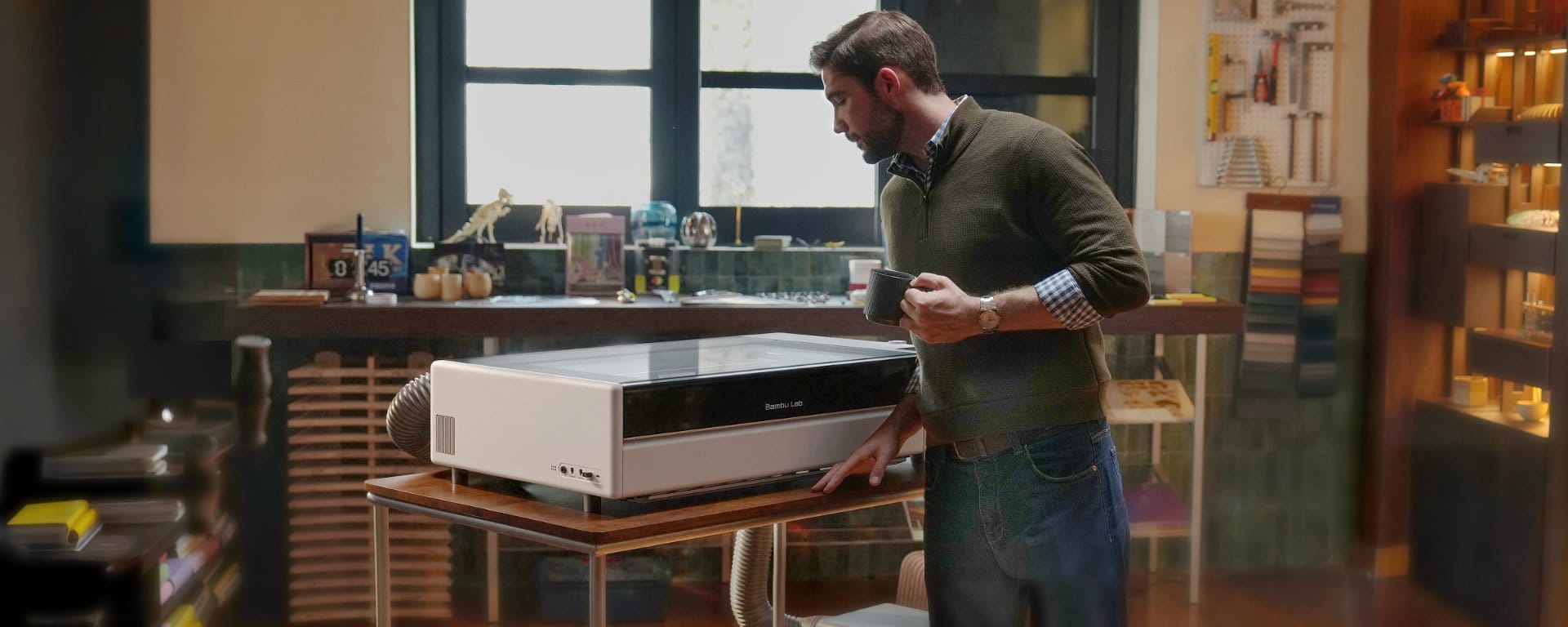
R1 is classified as a Class 1 laser system under IEC 60825-1, the safest classification for a consumer laser. During standard enclosed operation, the beam remains entirely inside the housing, with no need for protective goggles or a dedicated room.
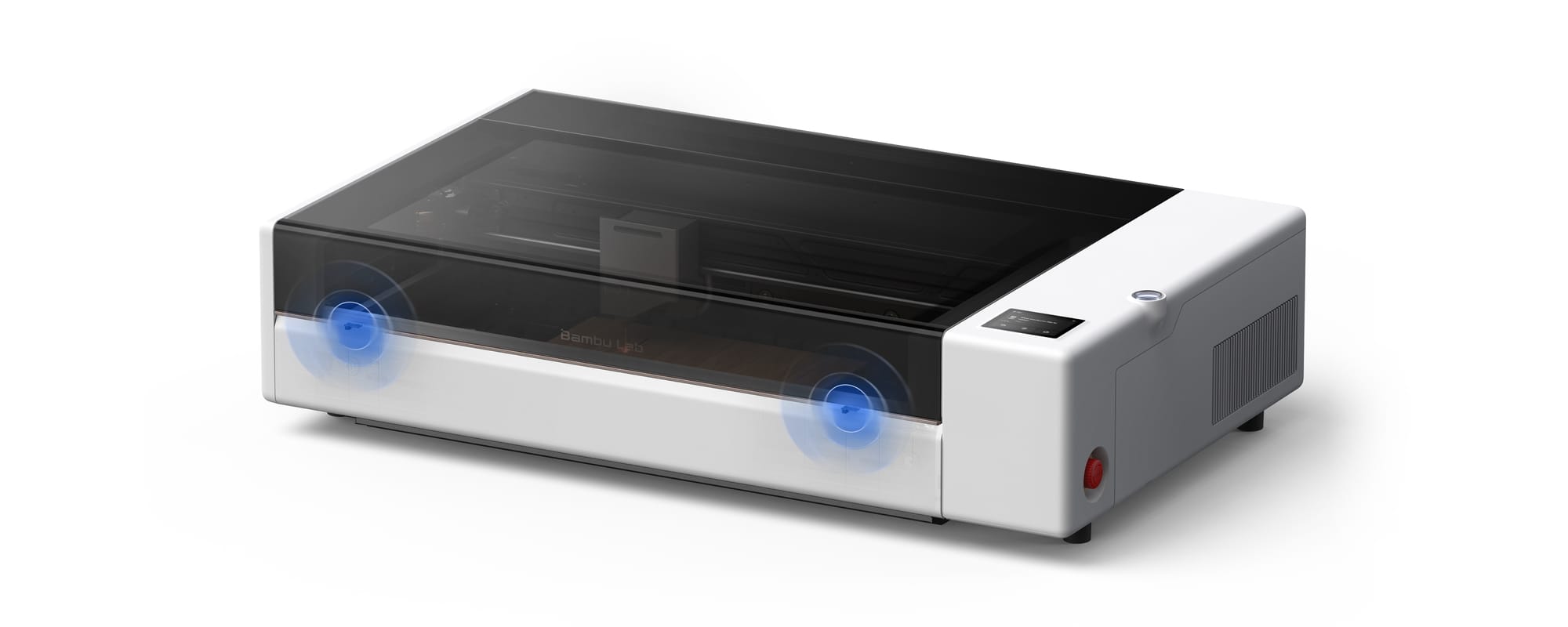
Crossflow ventilation draws air in from one side and exhausts it from the other, creating a constant airflow through the chamber that carries smoke away. When long material passes through the pass-through opening, incoming air forms a curtain that keeps fumes inside until they are removed by the exhaust system.
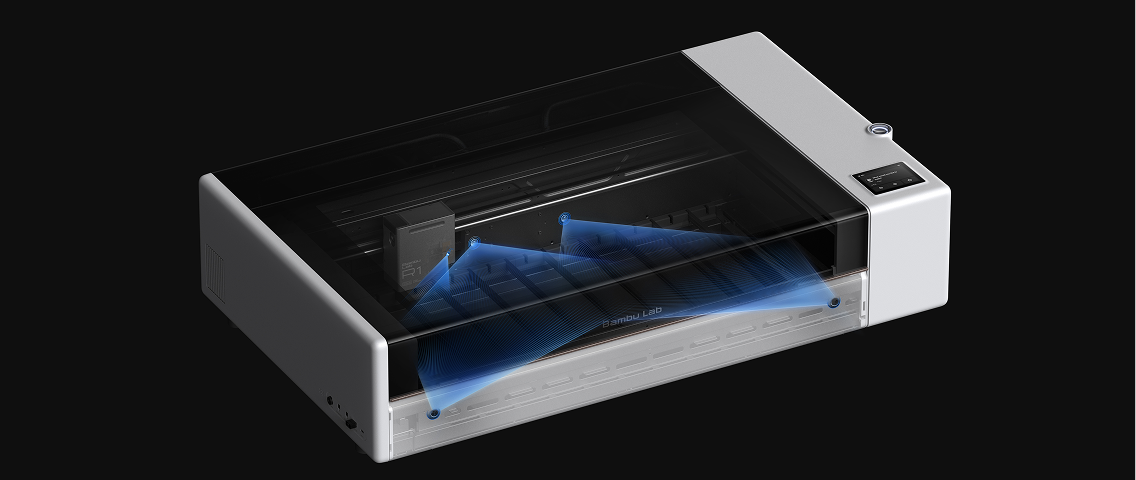
R1 also monitors its own operation. Opening the lid during a job immediately stops the laser, 5 sensors monitors for the presence of flames, the optional Auto Fire Extinguishing system, sold separately, can extinguish a fire automatically, and the emergency stop switch cuts power to the entire machine.
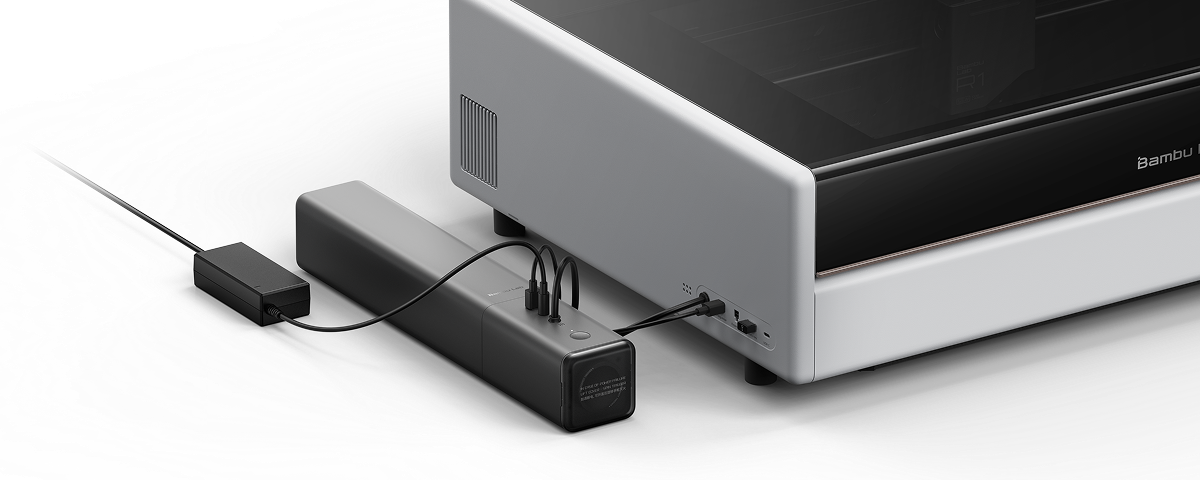
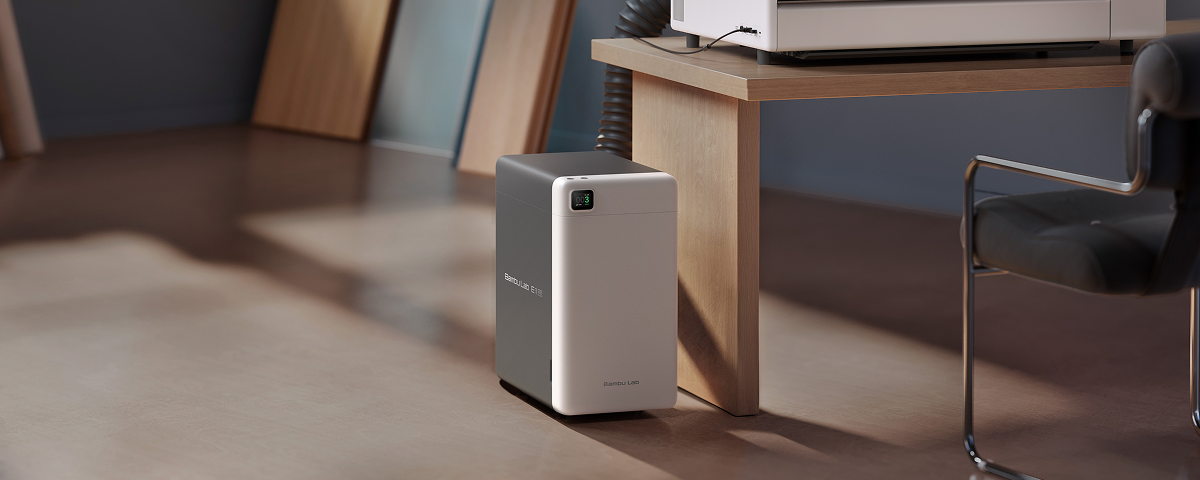
With the same working area, R1 is more compact than a typical consumer CO₂ laser, making it easier to accommodate in a home environment. The separately available is E1 Pro air purifier. Built for R1, E1 Pro connects directly to its exhaust outlet and pulls smoke out at the source. Multiple filter layers, with activated carbon, catch smoke and fine particles and reduce odors.
There is one important caveat. Once the Riser Base or Conveyor is installed, the enclosure is no longer complete and R1 changes from a fully enclosed Class 1 device into a Class 4 device. It then requires CO₂ laser safety goggles and is intended exclusively for professional use by trained personnel.
Part of the Bambu Experience
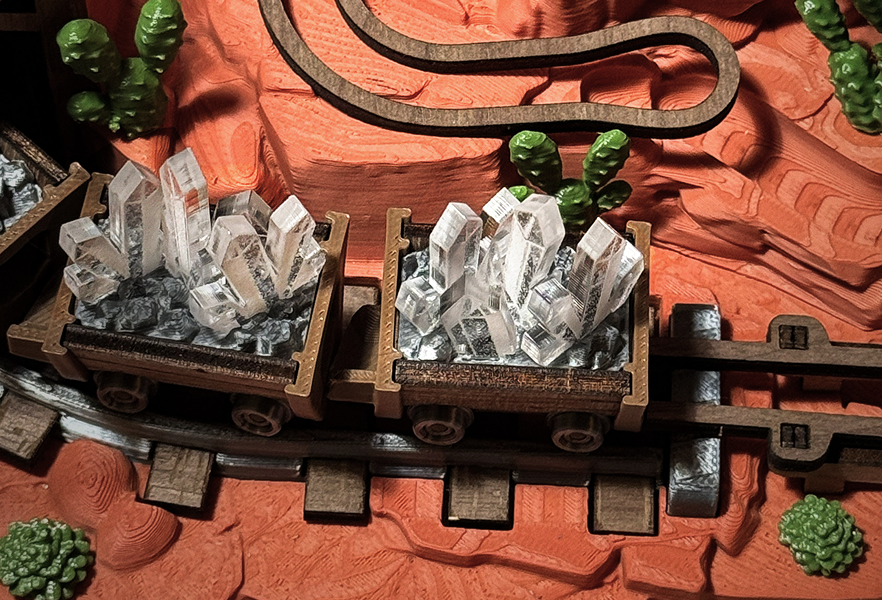
Anyone who has used a Bambu Lab 3D printer will not be starting from scratch with R1. The laser works with the same account, connects to the same MakerWorld ecosystem, and is controlled through Bambu Suite on Windows and macOS.
The laser section of MakerWorld and Bambu Suite is actively expanding, and growing it further will be a major focus of Bambu Lab's ongoing work. It is the same expansion that took MakerWorld from zero to the world’s largest 3D model community in just three years.
 Bambu Lab
Who is R1 for?

R1 was designed with several groups in mind. Makers who already 3D print can add cut and engraved wood, acrylic, and leather to their projects, using the same account and the same community. Small businesses and workshops get an accessible entry point into premium CO₂ laser processing, with fast setup and unattended production.
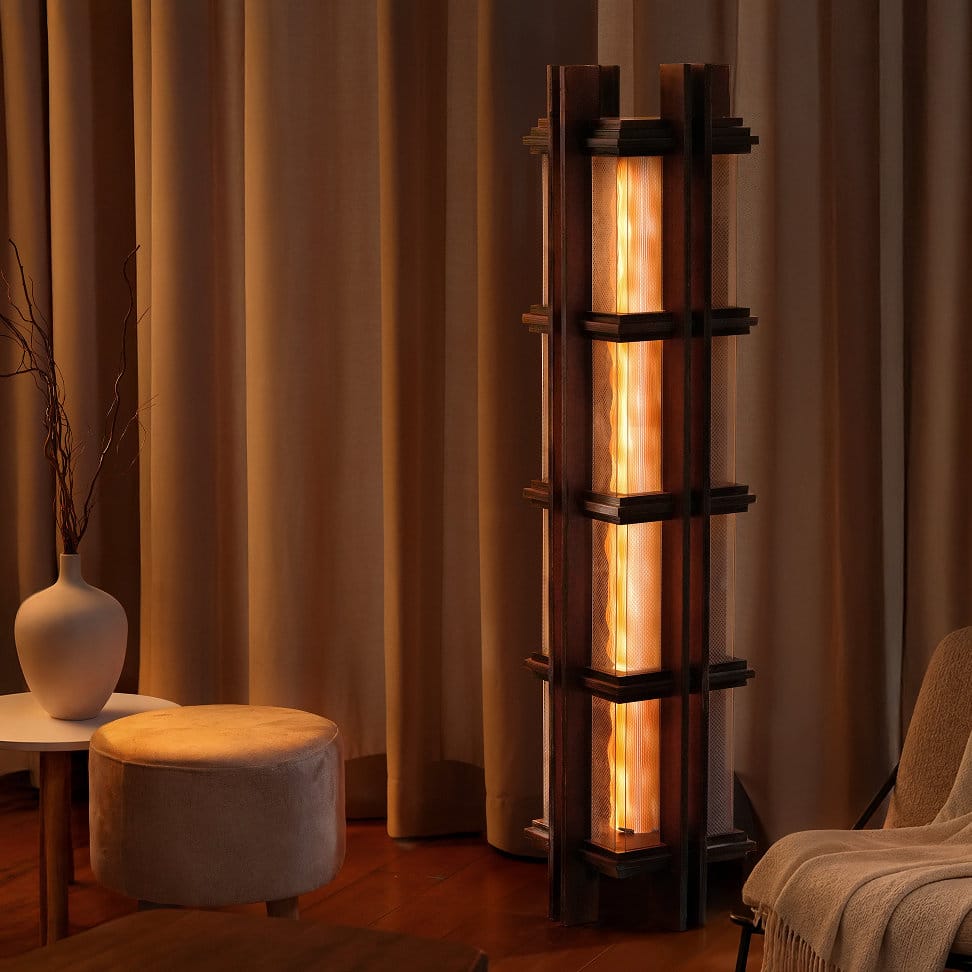
With the Conveyor, woodworkers and craftspeople gain a faster, more automated workflow and the ability to process material at furniture scale. Designers and personalization businesses can engrave glass, stone, coated metals, and curved objects, while aligning the work with printed graphics to within 0.2 mm.
Price and availability
R1 is priced at $2,499 in the US (before tax, shipping included) and €2,499 in the European Union (tax included, shipping excluded).
Pre-orders start on September 22, 2026, through the official Bambu Lab store, with shipping starting in October.
The package includes a short-focus lens. The Riser Base, Conveyor, Rotary attachment, medium- and long-focus lenses, Vision Encoder, E1 Pro air purifier, and Auto Fire Extinguishing system are sold separately.
R1 extends what Bambu Lab has built in 3D printing into laser cutting and engraving. For the company, it is the first step beyond 3D printing and the beginning of a separate product line; within the ecosystem, it introduces a new category alongside 3D printers.
Hardware stops being the limiting factor, and the decision of what gets made on the workbench returns to the maker.