The X1-series is EOL - the standard it set will remain forever
Bambu Lab X1 and X1C weren’t just another printers - it was a moment that changed the entire industry.

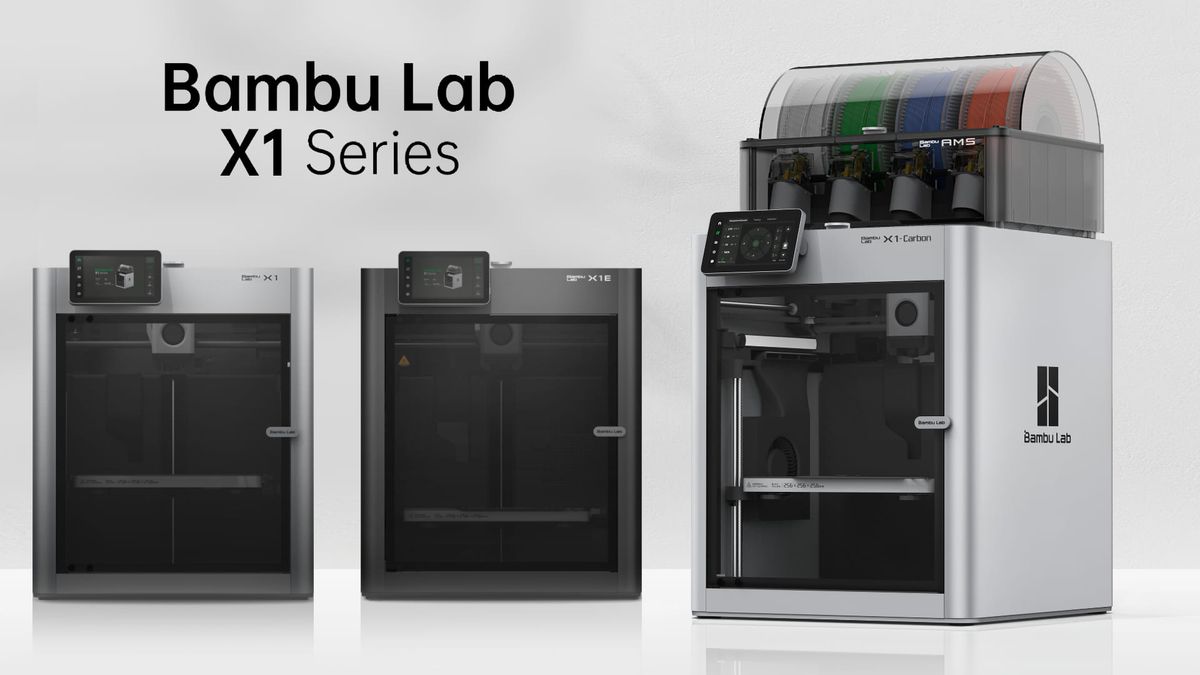
So it happened. The legendary Bambu Lab X1, X1 Carbon and X1E 3D printers entered a well-earned retirement.
On March 31, 2026, they officially reached their end-of-life (EOL) - and will no longer be manufactured.
However, users have nothing to worry about! Just like with last month's P1P announcement, spare parts and service will continue for the next five years, until 2031.
End of manufacturing and active sales = 2026-03-31
Software & firmware bug fixes and feature updates = 2027-05-31
Software & firmware security patches = 2029-05-31
End of spare parts supply and support = 2031-03-31
Five years of support from the EOL date - that’s one of many new standards Bambu Lab introduced to the industry. It gives the X-series a total product lifecycle approaching a decade.
Although direct e-commerce sales were halted some time ago, selected authorized distributors may still have X1, X1C and X1E units in stock - covered by full warranty and support. If you're looking for a brand-new unit, check with local Bambu Lab partners before the last ones disappear.
The Kickstarter that shook the industry
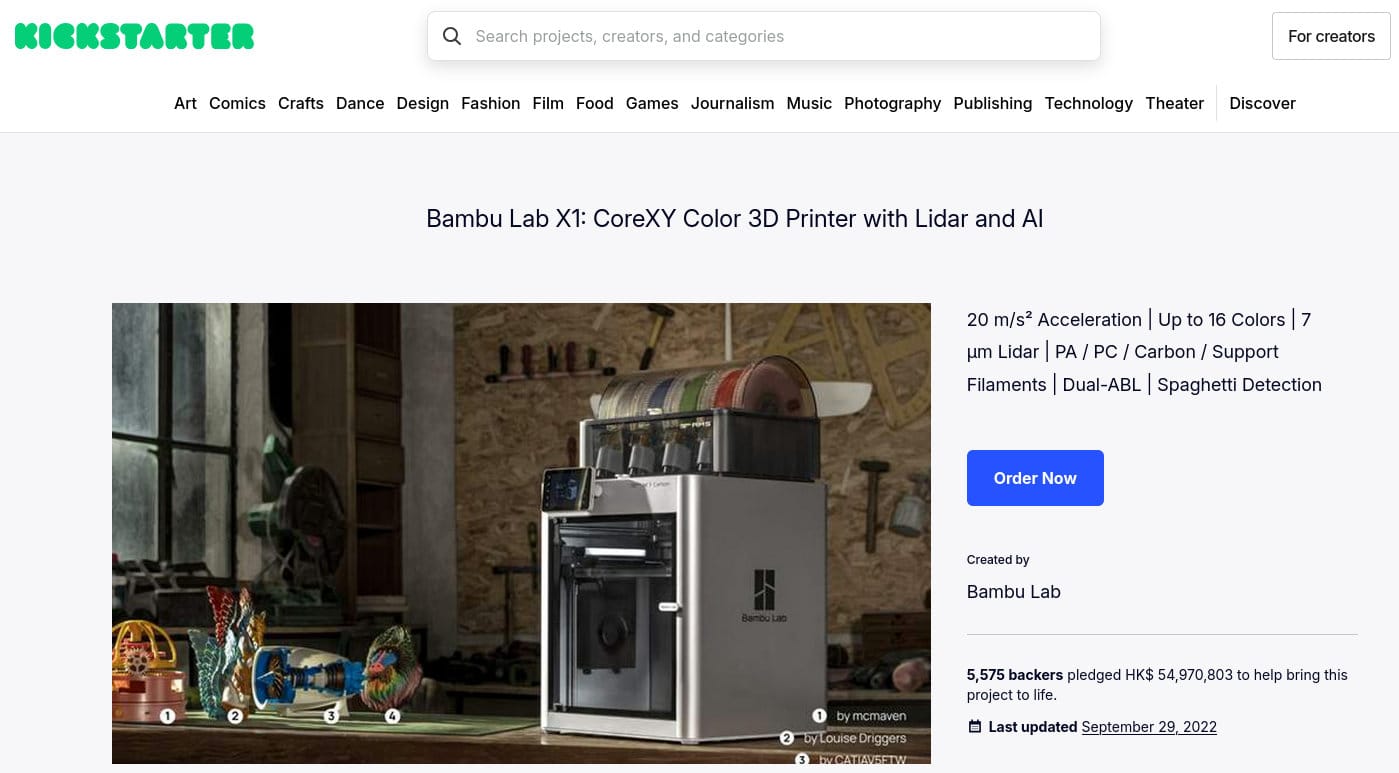
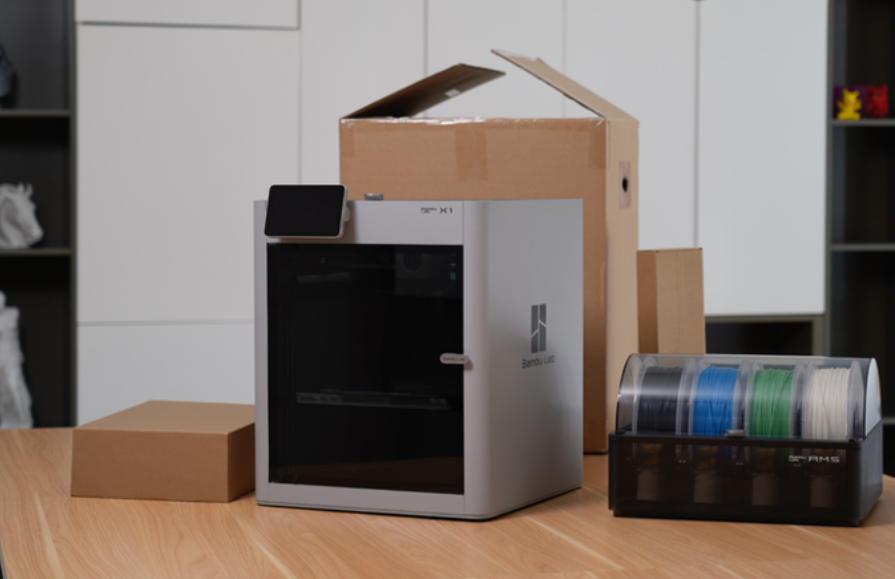
Let's go back to May 2022. An unknown company from China launched a campaign on Kickstarter promising a 3D printer with 20,000 mm/s² acceleration, 500 mm/s speed, a built-in camera, a dedicated neural processing unit, automatic calibration, and a multi-color printing system supporting four filament spools. And all this for a very fair price considering the capabilities.
Hardly anyone took it seriously. Kickstarter had already seen dozens of campaigns promising to turn the market upside down, only to end in failure and embarrassment.
Except this wasn't that. Bambu Lab delivered exactly what it promised. And for the first time in the history of 3D printing, everything truly was turned upside down.
The campaign ended with over $7 million raised from 5,575 supporters - the third most successful 3D printing hardware campaign in Kickstarter history. But the result was just a prelude.
The X1 and X1C reached their first users, and the world of 3D printing paused for a moment - only to never return to what it once was.
3D printing before Bambu Lab. Do you remember those times?
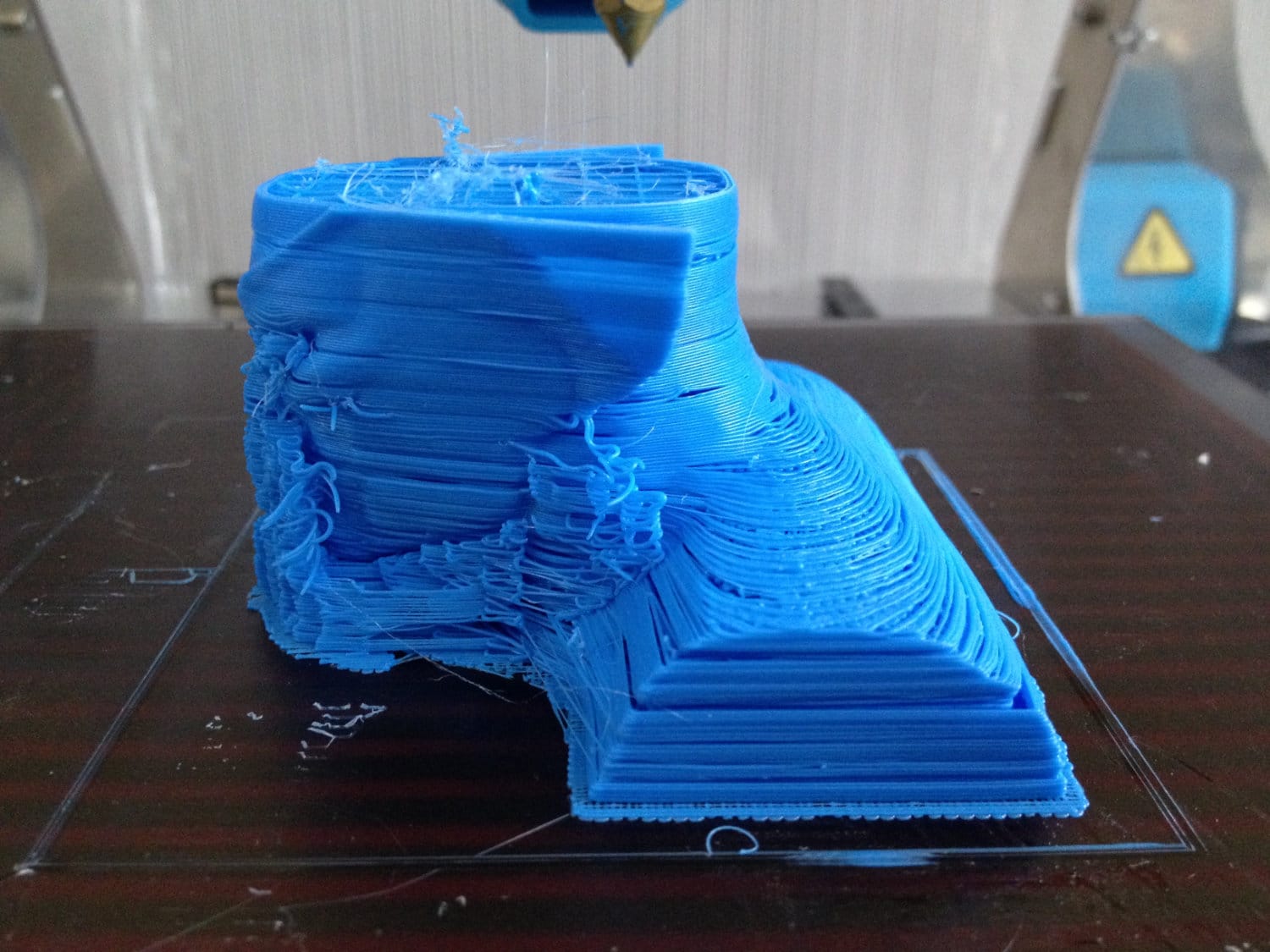
Desktop FFF 3D printing in 2022 was a technology for the patient and the forgiving. Calibration before every print - a ritual, not a routine. Hours spent tweaking parameters. The first layer was an act of faith, not creation.
The market was dominated by bed-slingers - printers with moving beds that became sources of vibration, artifacts, and frustration with every increase in speed. CoreXY existed, but as an alternative.
Multi-color printing was technically possible - in practice, a weekend project that stretched into a week. Enclosed chambers were available, but only in machines costing thousands of dollars aimed at professionals.
Bambu Lab packaged all of this into a single device and priced it in a way that forced the entire high-end segment to rethink its strategy.
How the X1 rewrote the rules
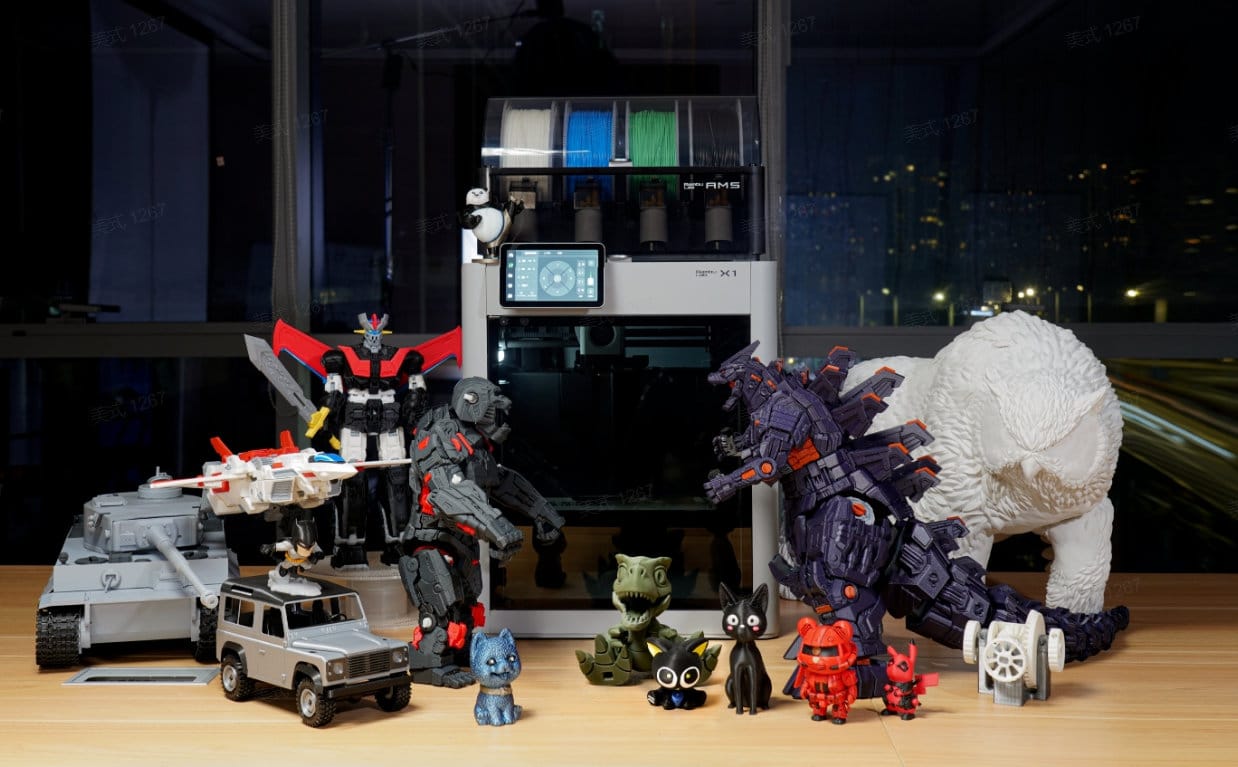
Bambu Lab didn't just make good 3D printers; they were ground zero for a new era.
It was the X1 and X1C that opened the door to consumer 3D printing as people had always imagined it.
Look at what’s happened in the market since 2022. CoreXY is now the absolute standard. Enclosures are no longer a luxury - they're expected. Automatic calibration has become real-time, AI-driven compensation. And extruders - take a close look at them… The distinctive design introduced by Bambu Lab has become an industry template, copied manufacturer after manufacturer, model after model.
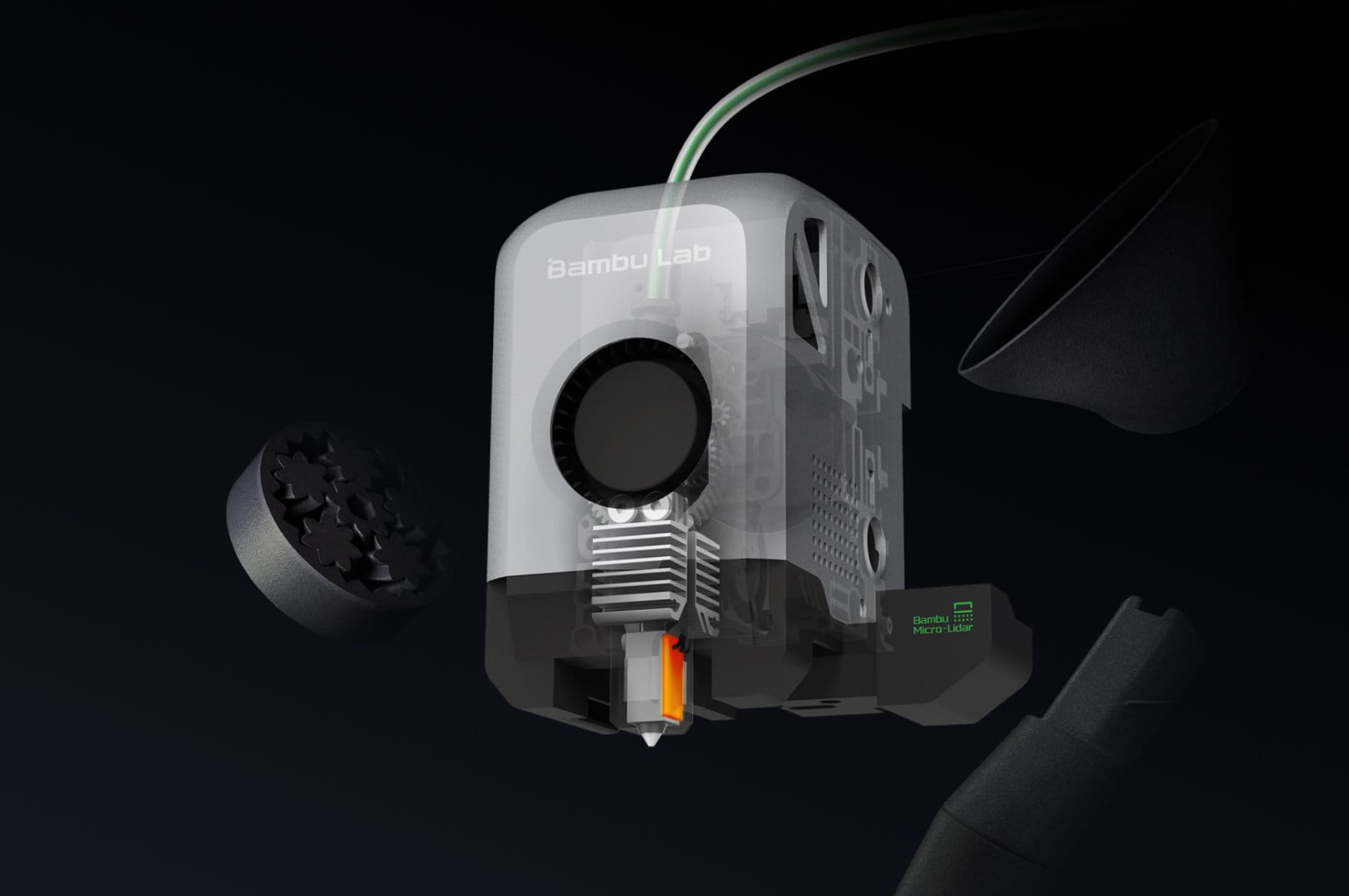
Imitation is the sincerest form of flattery, and the 3D printing industry has never flattered anyone so unanimously.
AMS changed everything about multi-color printing. When Bambu Lab first introduced it, full-color printing was accessible only to enthusiasts willing to spend hours with mods and external filament systems.
Bambu Lab showed it didn't have to be complicated.
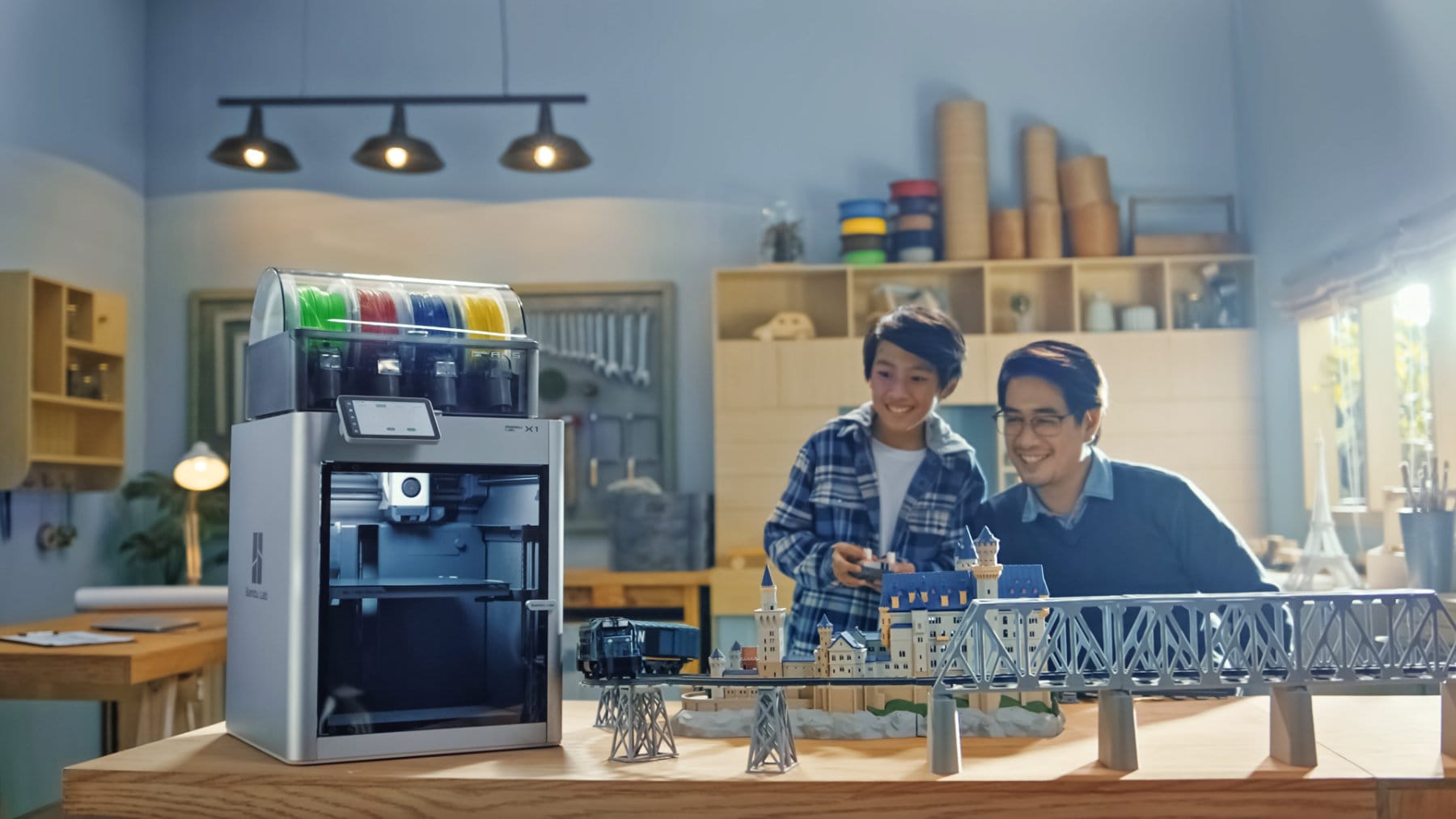
But the X1 and X1C didn't just set hardware standards. Bambu Studio redefined what users expect from a slicer. Bambu Handy made remote print monitoring something everyone wants. Sensors, cameras, and AI made real-time issue detection a reality. Bambu Lab didn't create just a printer. It created an integrated, cohesive ecosystem focused on the user at every stage.
And then there's something the spec sheets never mention. Longevity!
Across forums and social media, reports have been quietly accumulating - X1 and X1C machines crossing 10,000 print hours and still running. Users who bought their machines at launch, ran them at homes, through print farms, studios, through sleepless production nights - and never had a reason to stop.
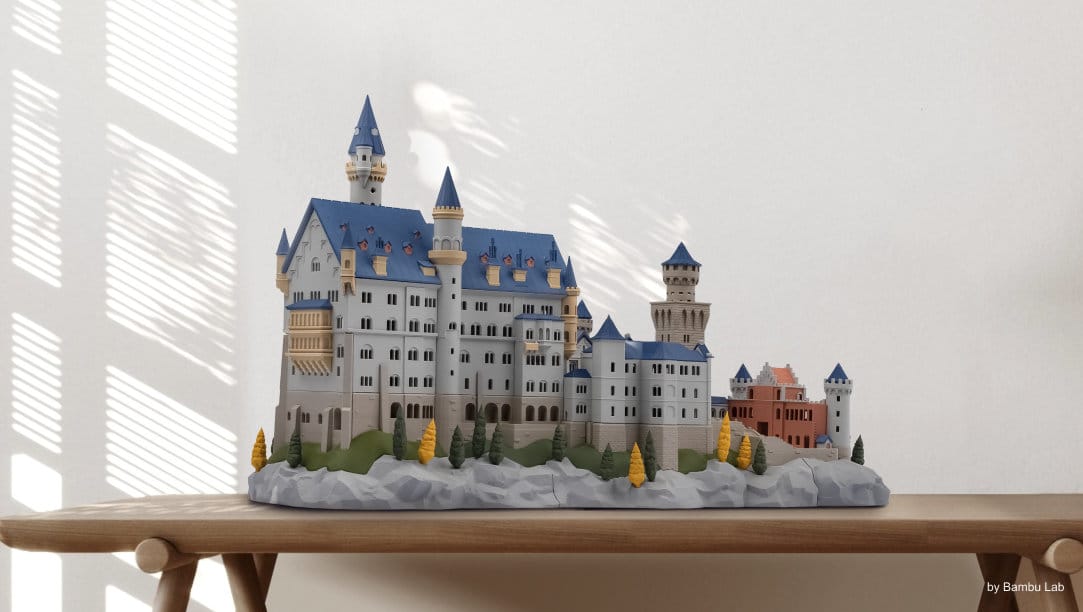
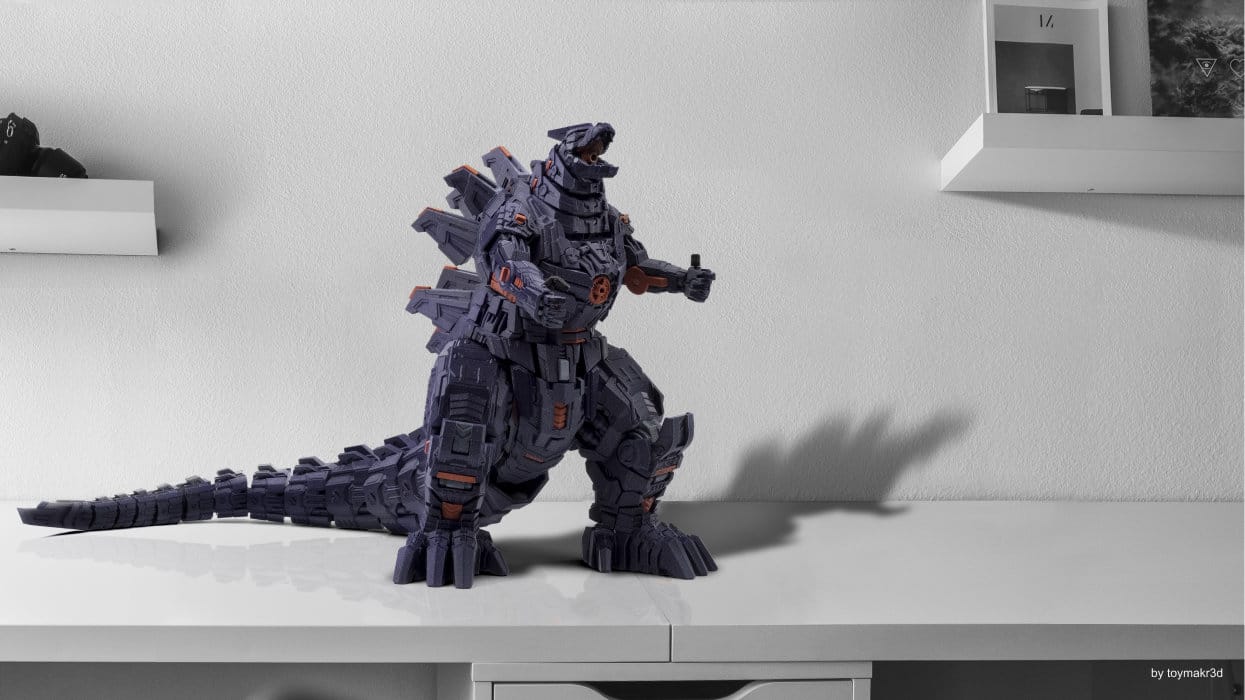
The printers weren't just fast and smart. They were built to last in a segment where "built to last" was rarely part of the conversation. That kind of reliability doesn't show up in a benchmark. It shows up three years later, when the machine is still on, and the competition has already been replaced twice.
A farewell that's not the end
The EOL of the X1, X1 Carbon and X1E marks the end of a chapter - but not the story. Machines already in users' hands will keep working, supported until March 31, 2031 - spare parts, security updates, technical support included.
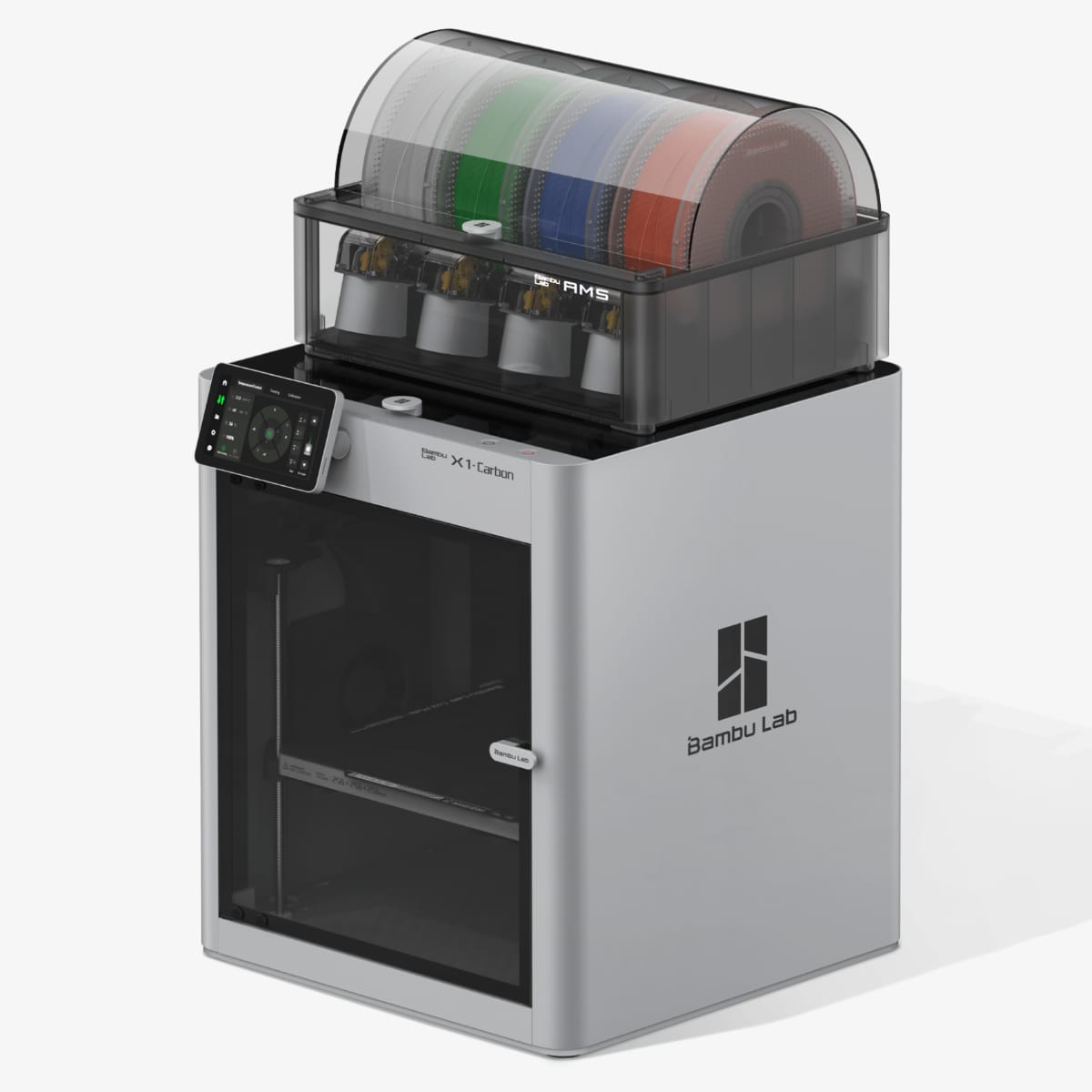
During the 5-year service period, related spare parts will remain available through our Online Store and in authorised service centers. However, some parts may sell out earlier, so we recommend purchasing replacements in a timely manner.
The X-series redefined expectations and forced the entire market into a race that continues to this day.
Bambu Lab wrote new rules. And the world of 3D printing - whether it wanted to or not - started playing by them.