Would you leave the house wearing a pair of 3D-printed shoes?
The story behind FORMISM by SCRY

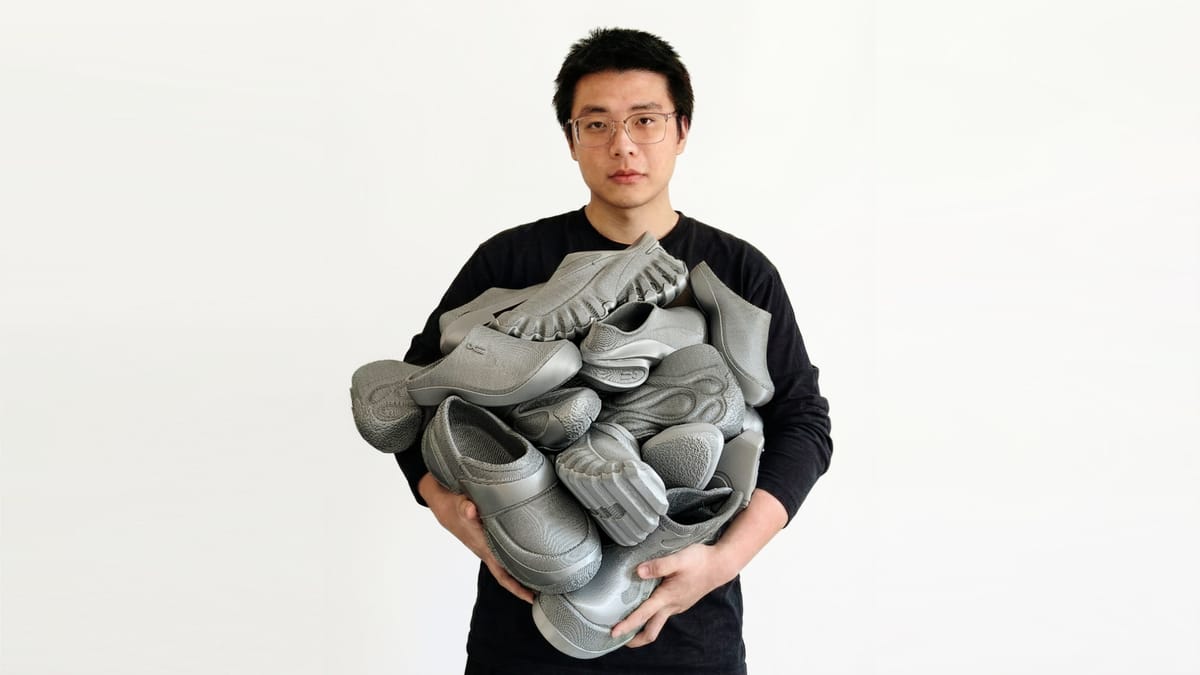
Would you leave the house wearing a pair of 3D-printed shoes? The number of people answering "yes" is probably still small.
But if 3D-printed shoes offered the same level of comfort as conventional footwear, or if printing them were as simple as printing a 3DBenchy boat - some people might start to reconsider.
Last December, we ran an experiment together with FORMISM, the creative studio under SCRY. Nine shoe models were released in total - three of them completely open source and free. The rest were launched on MakerWorld as a crowdfunding campaign.
After nearly two months of testing by users, crowdfunding support, and more than a thousand downloads and prints, the question remains: has FORMISM helped people take 3D-printed shoes more seriously?
Why are 3D-printed shoes still rare on the street?
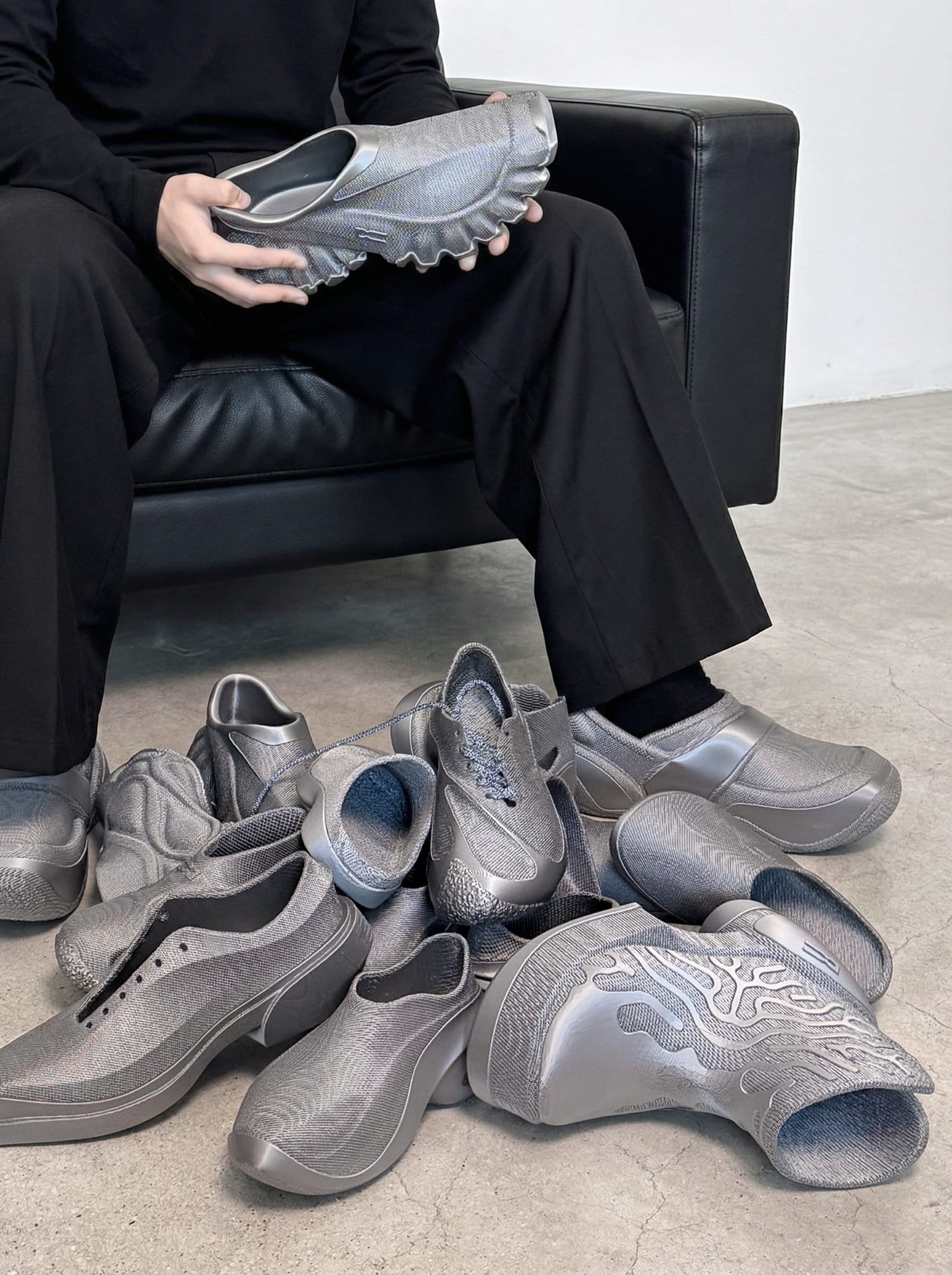
When you walk down the street, it is still extremely rare to see someone wearing 3D-printed shoes.
Is it because the designs are too unconventional? Because they are uncomfortable? Or because they wear out too quickly?
These are exactly the questions most people ask - and they are also the core challenges that Wei Zixiong, founder of FORMISM, set out to solve from the very beginning.
For the past two to three years, he has worn almost nothing but 3D-printed shoes himself, testing their comfort in everyday life.
The core goal of FORMISM is not to create ever more futuristic shapes with FFF 3D printing, but to provide digital assets that reach the level of “real, everyday wear.”
In his view, real-world usability depends on two main factors: materials and parameters.
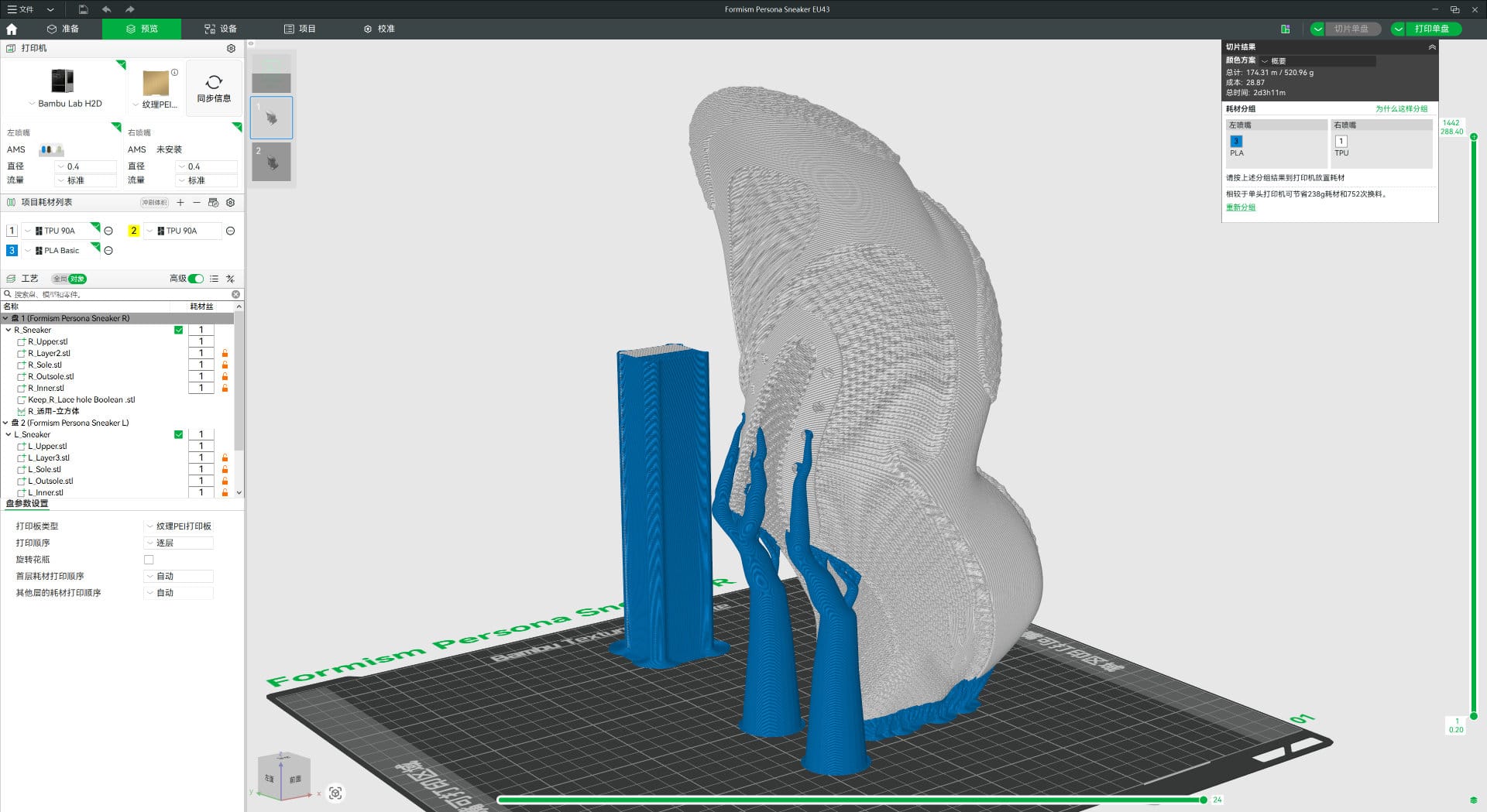
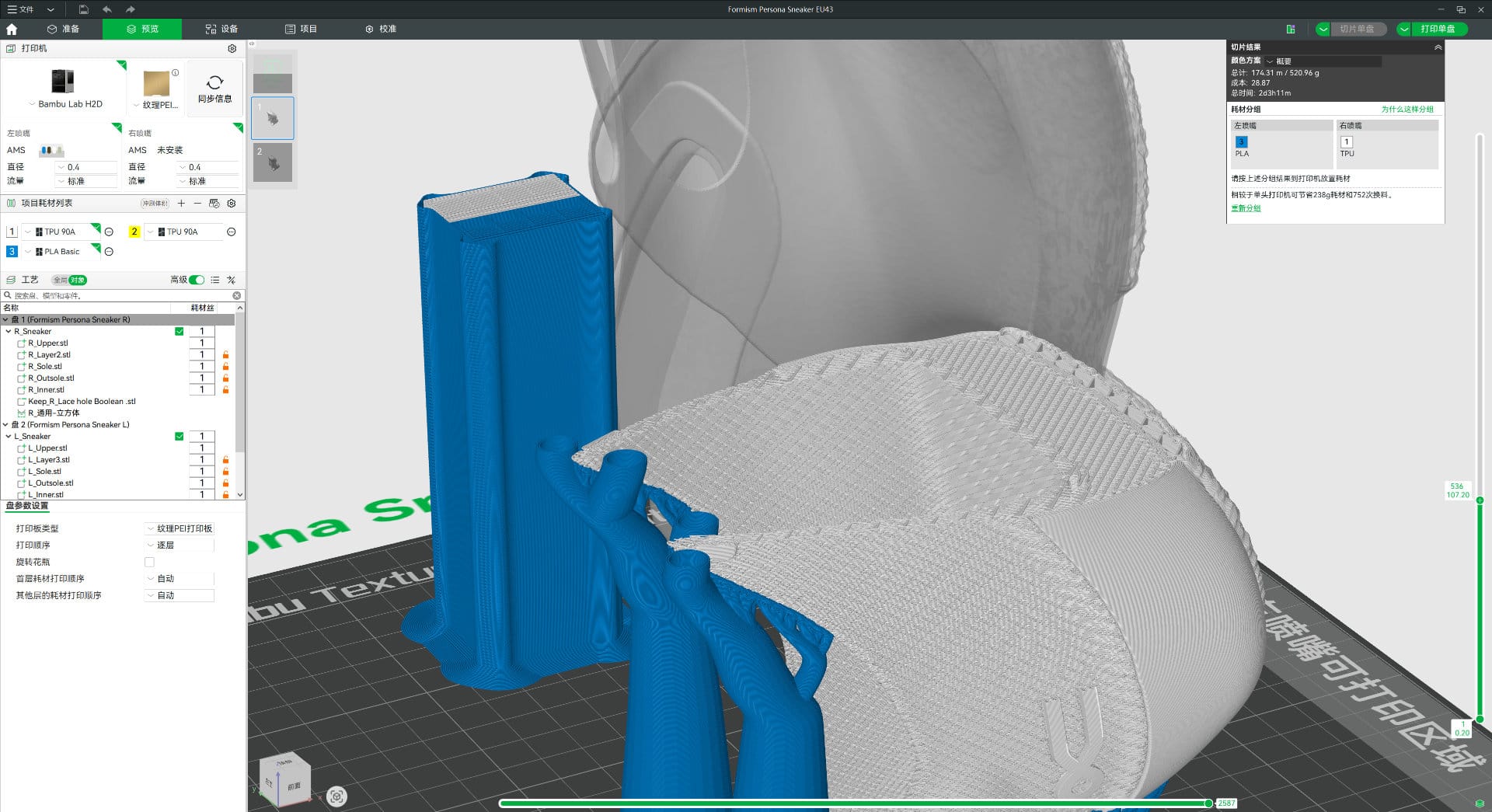
On the material side, the rapid development of flexible filaments has given FFF-printed shoes a strong performance foundation. On the parameter side, Wei approaches slicing much like a traditional shoemaker, carefully adjusting the settings of each part of the shoe.
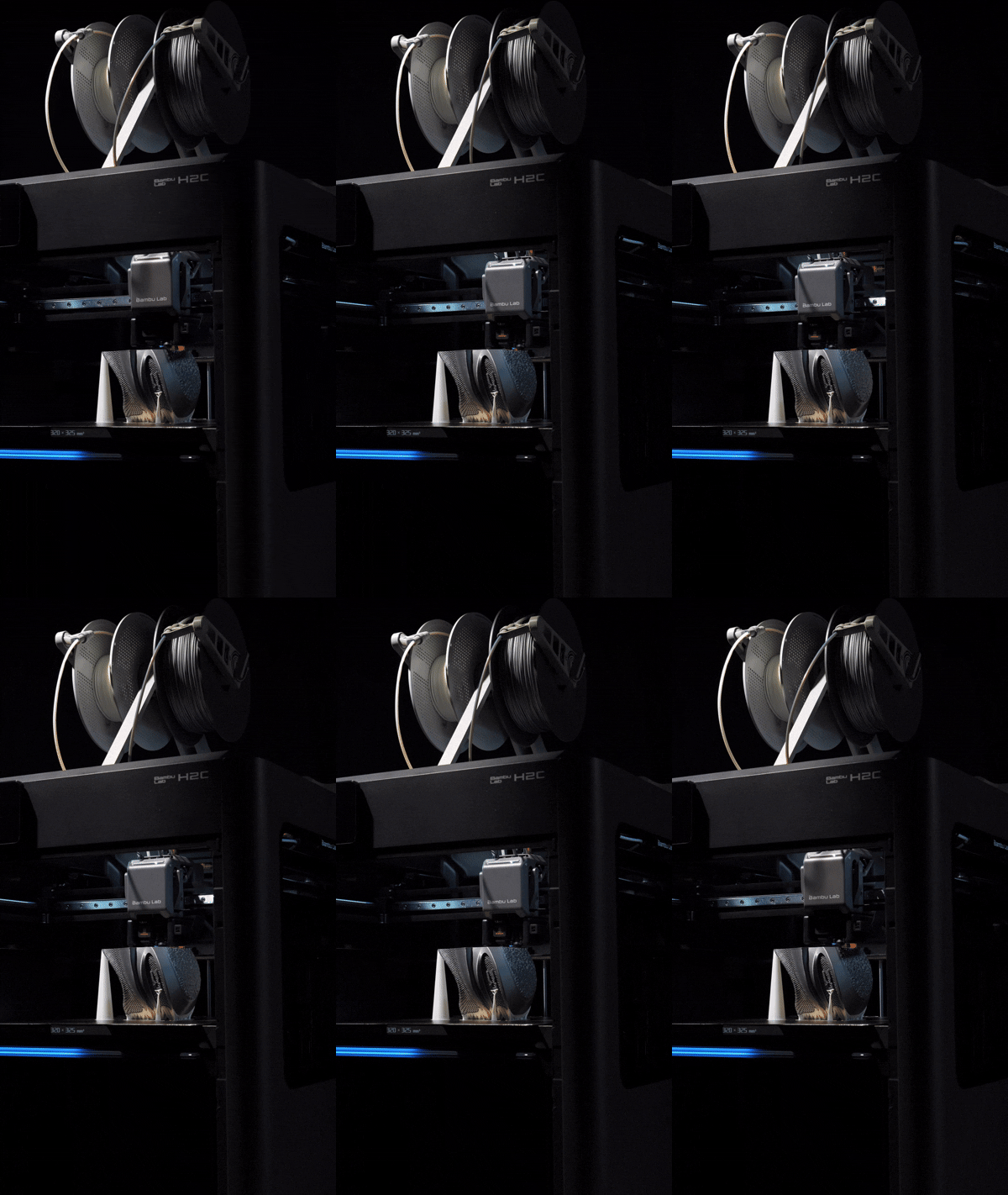
Considering the characteristics of flexible filaments, we reconstructed the shoe last - directly at the modeling stage. By controlling the infill and wall thickness in different areas of the shoe, we address strength issues such as layer adhesion while also providing the cushioning and comfort needed for everyday walking - bringing desktop manufacturing into daily wear.
Should 3D-printed shoes be futuristic - or everyday?
Wei Zixiong’s answer is simple: both.
FORMISM has now released ten shoe models covering a wide range of scenarios (including one unlocked through crowdfunding). The collection ranges from slippers to sneakers, and from high heels to boots.
Some models are simple enough to wear casually every day. Others are more expressive designs meant to complement bold fashion styling - and to attract attention.
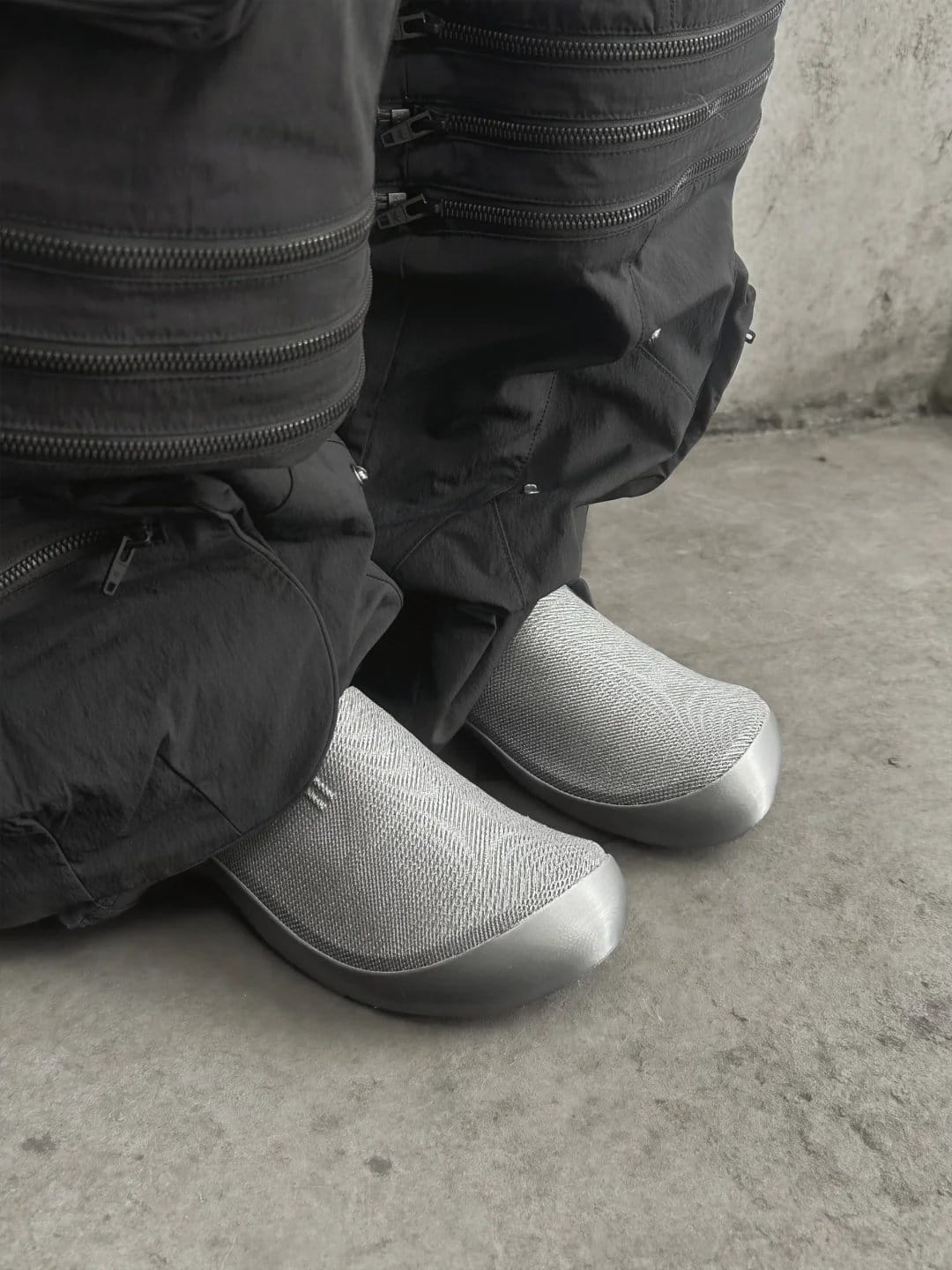
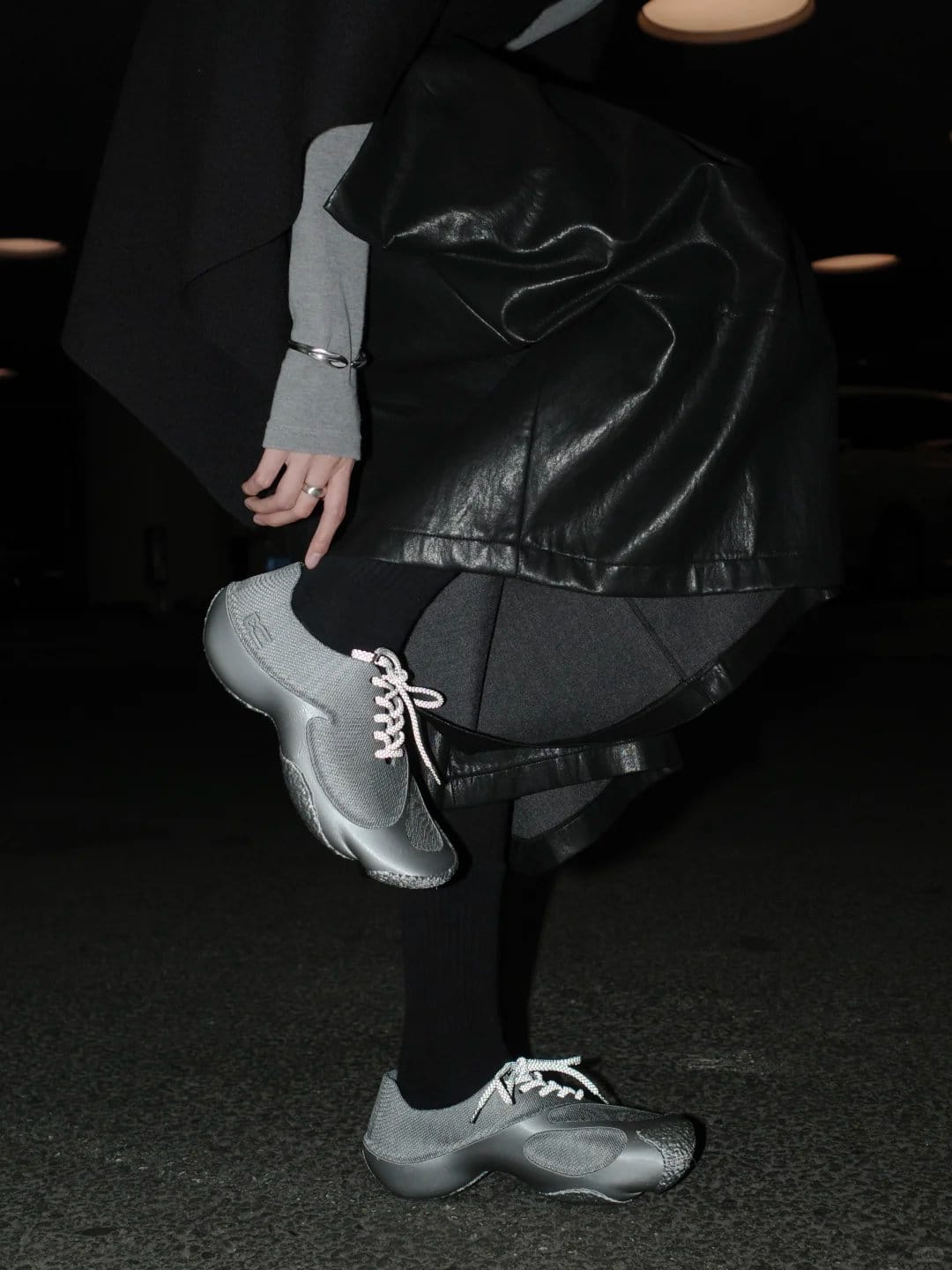
[2] Rednote user @Daykeee; [3] Rednote user @Mel Mel Mel
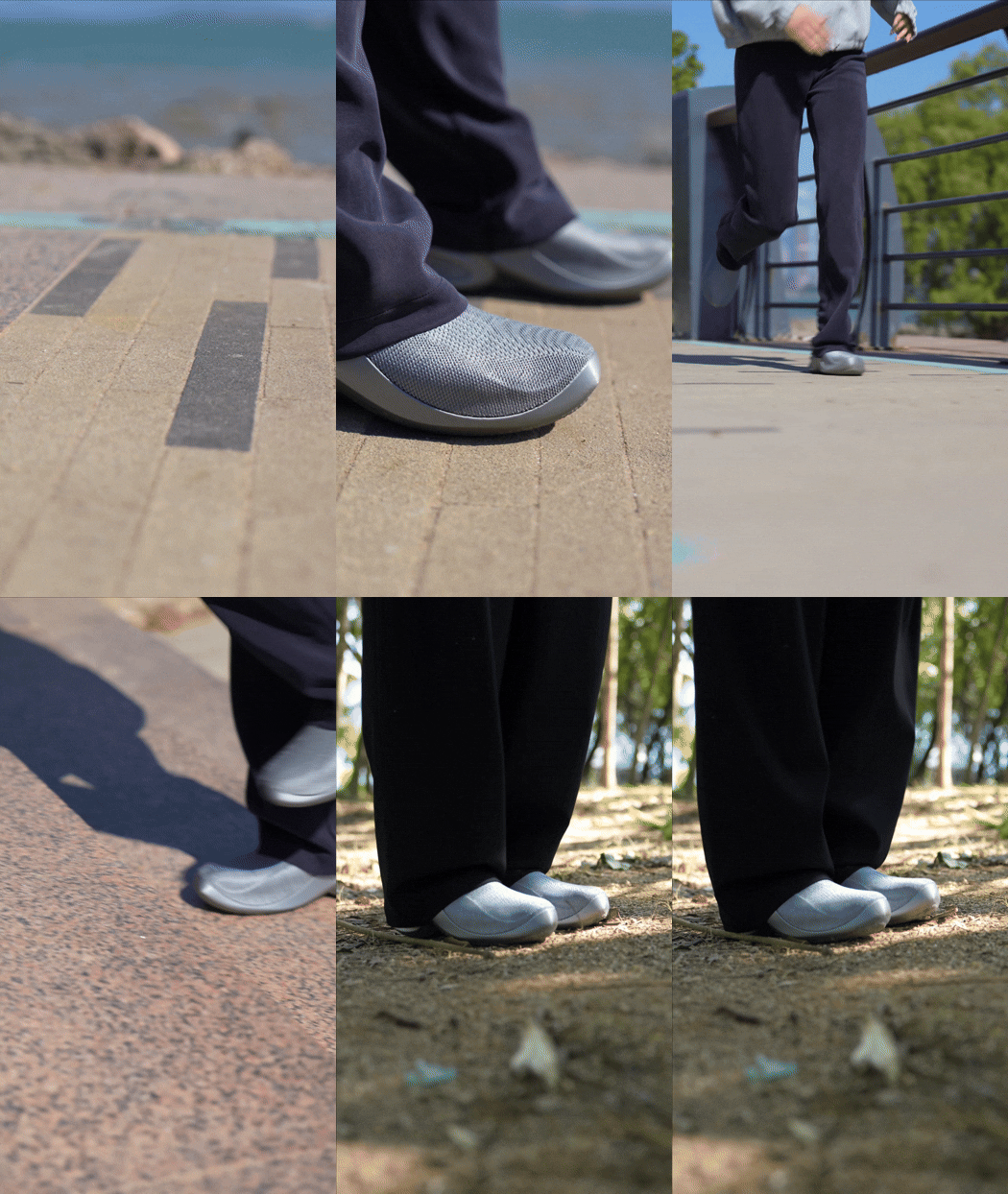
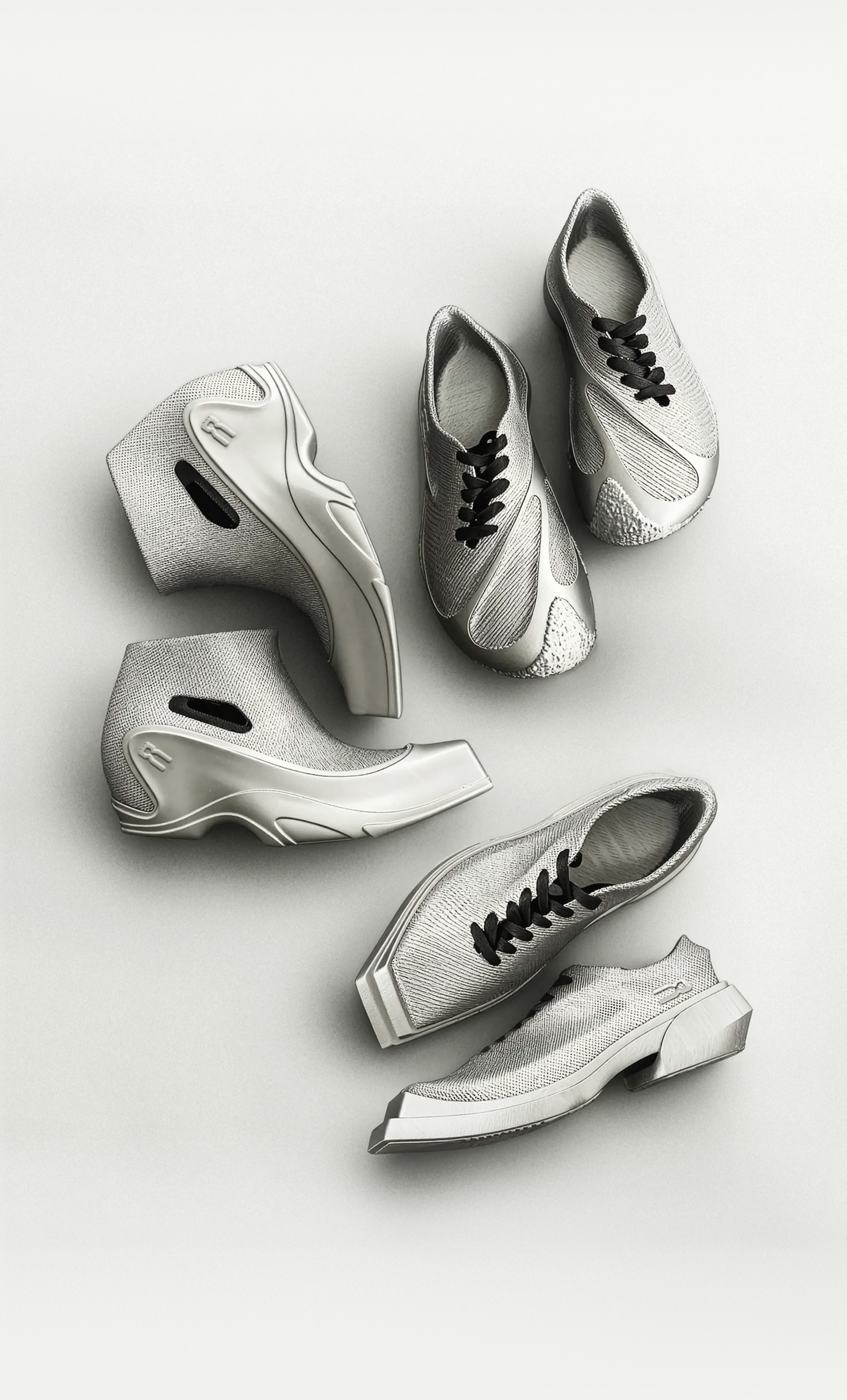
The ARC series, which was released for free, focuses on streamlined forms and practical usability. Wei’s intention is clear: to break the stereotype that "3D-printed shoes are just conceptual designs."
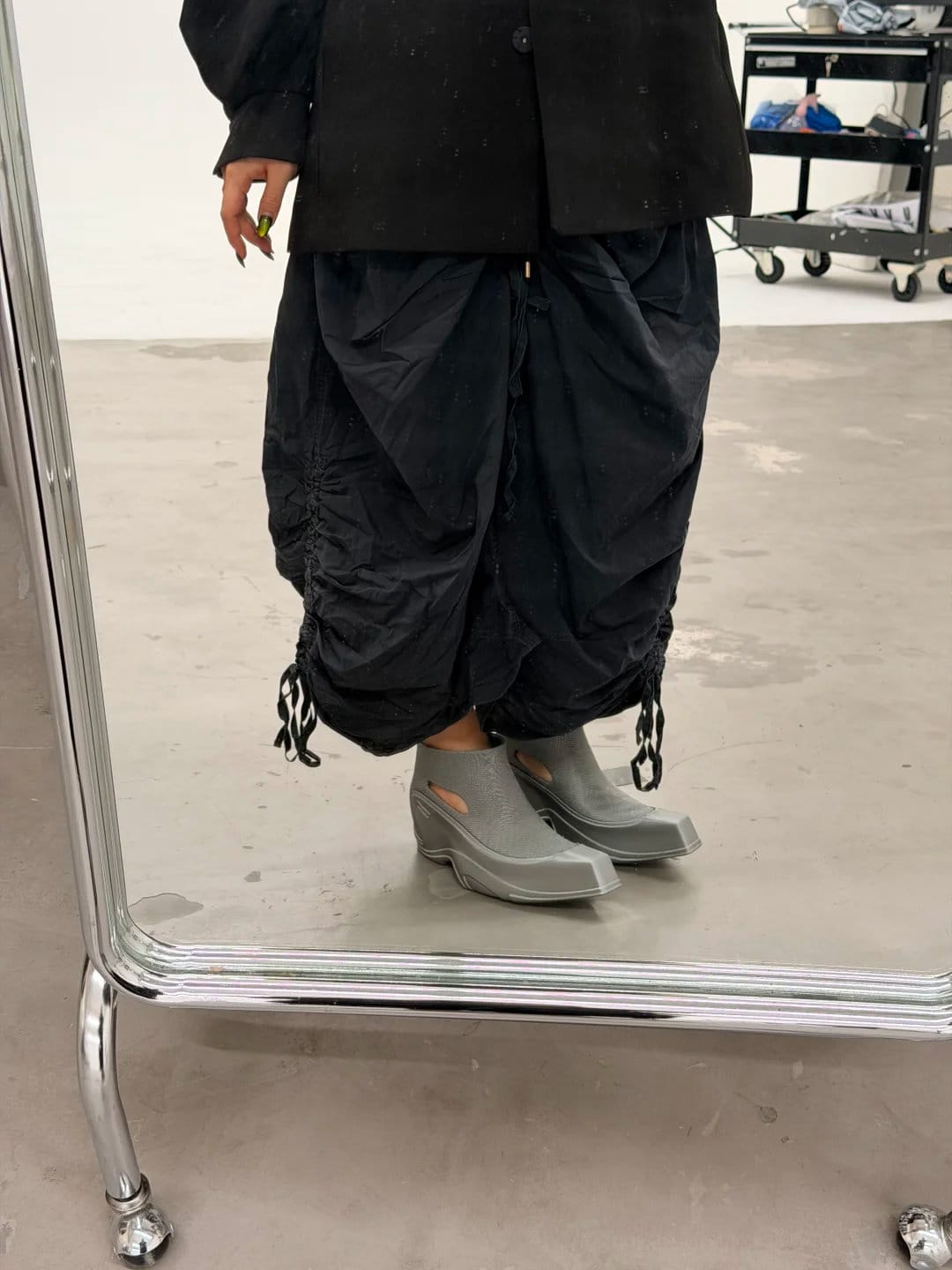
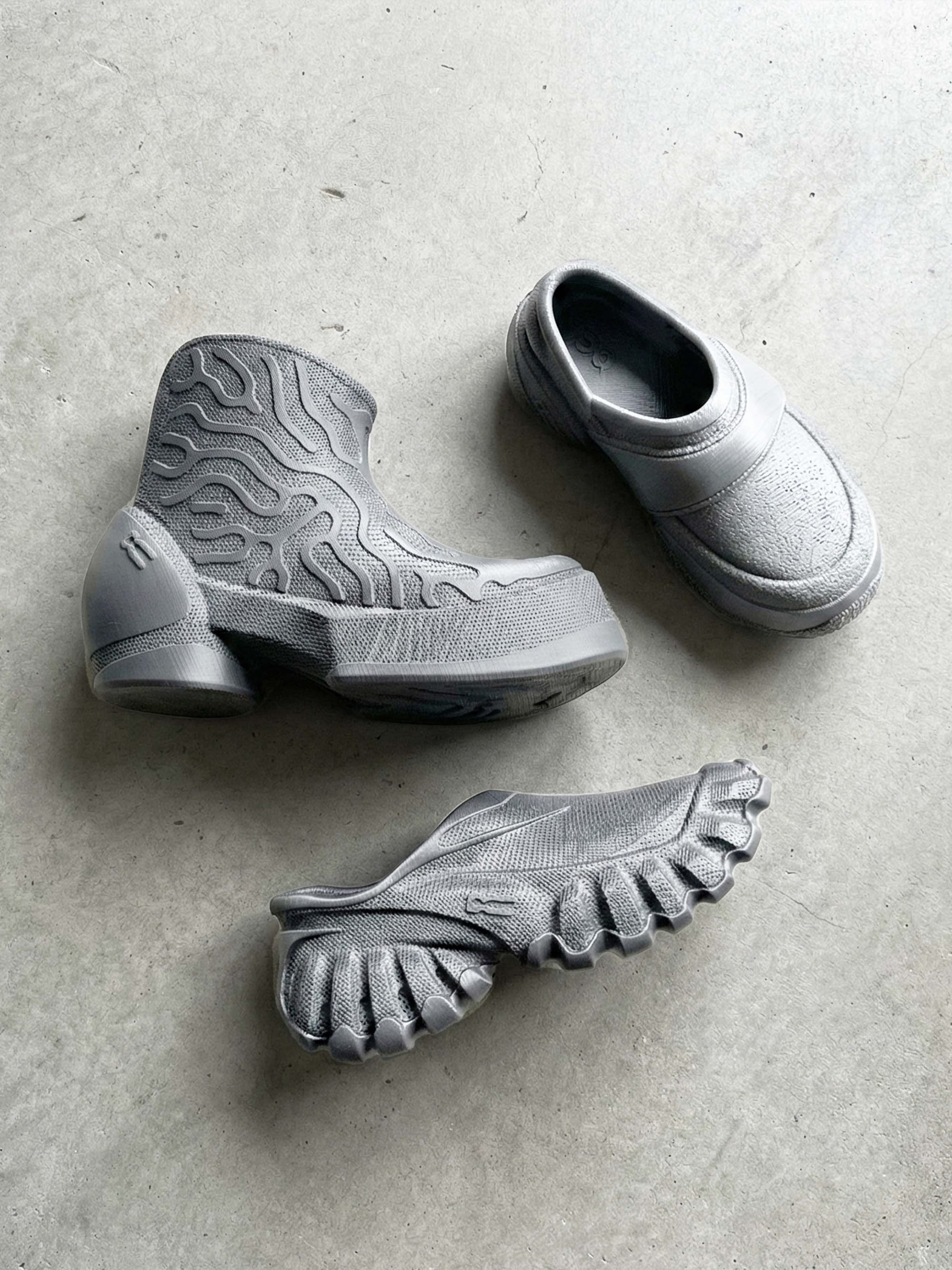
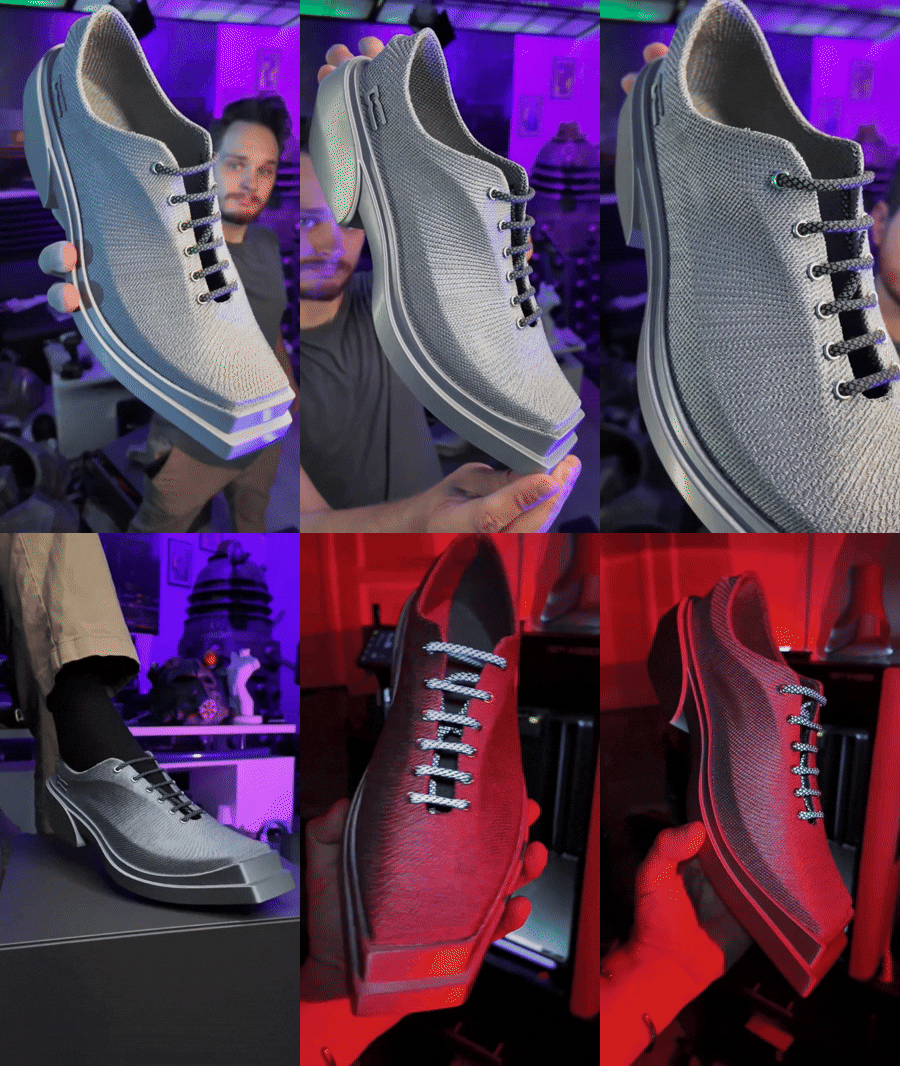
Meanwhile, the PERSONA and ROAM series - released through crowdfunding - feature far more experimental design languages, pushing the boundaries of what FDM-printed footwear can look like.
The inspiration for PERSONA came from a perfume I own called “Persona.” It made me think about how every person experiences things differently. So I designed three pairs of shoes with completely different styles and scenarios to represent the different emotions and states people experience in life.
[3] @freddyprops
The inspiration for ROAM comes from some of the sci-fi games I play, such as Death Stranding. In those games you see heavy equipment designed for humans surviving in the future. What would it feel like if we actually stepped onto an unknown alien land? I brought that imagination into the design of the ROAM series.
Every download and print helps it evolve
Before the models were released, both our team and FORMISM conducted internal wear tests. Feedback from colleagues and the designer himself helped refine the models.
But the larger-scale validation began after the release.
As more users started printing and wearing the shoes, new feedback and new issues emerged. The models have been continuously updated and improved in response.
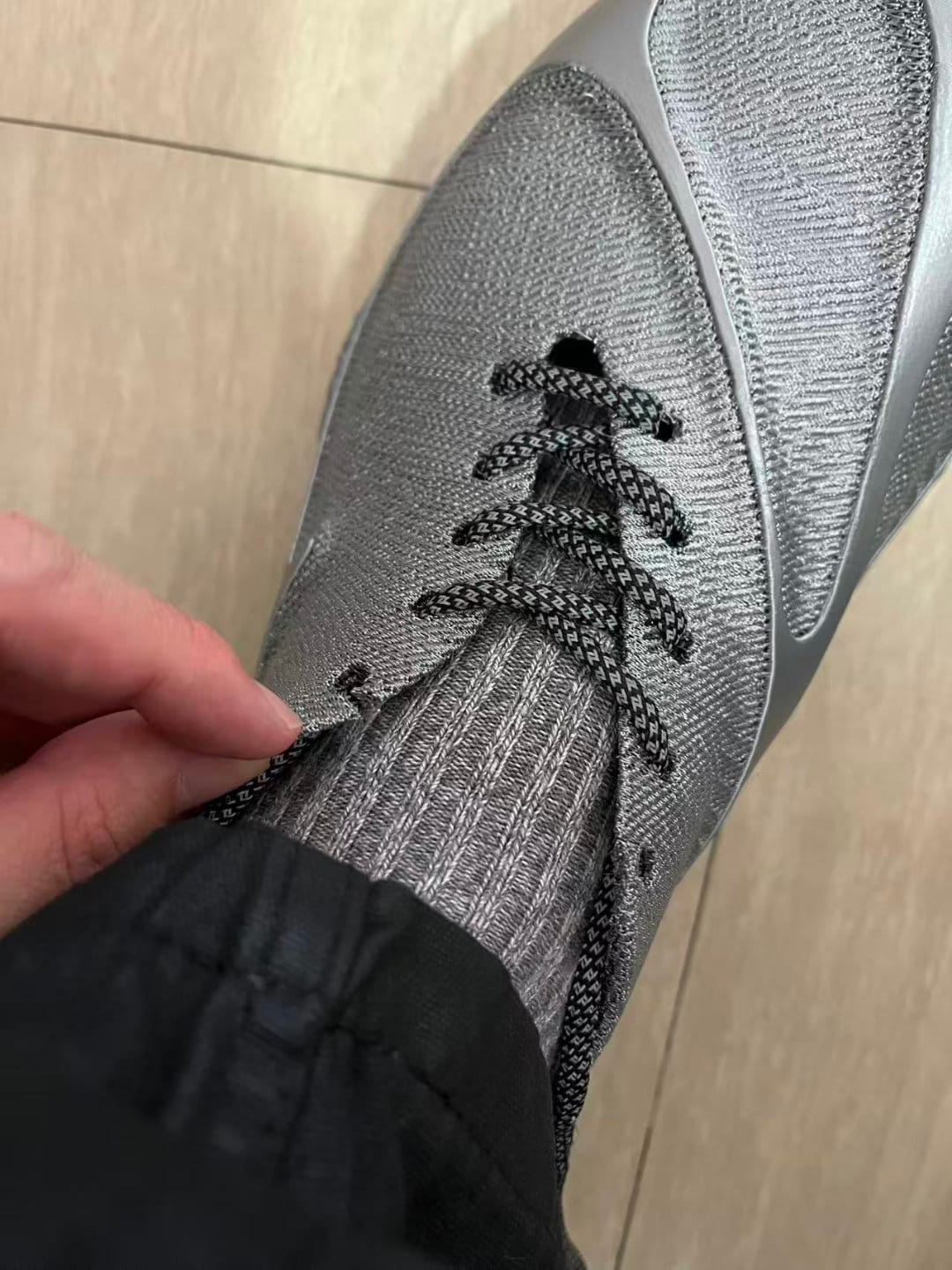
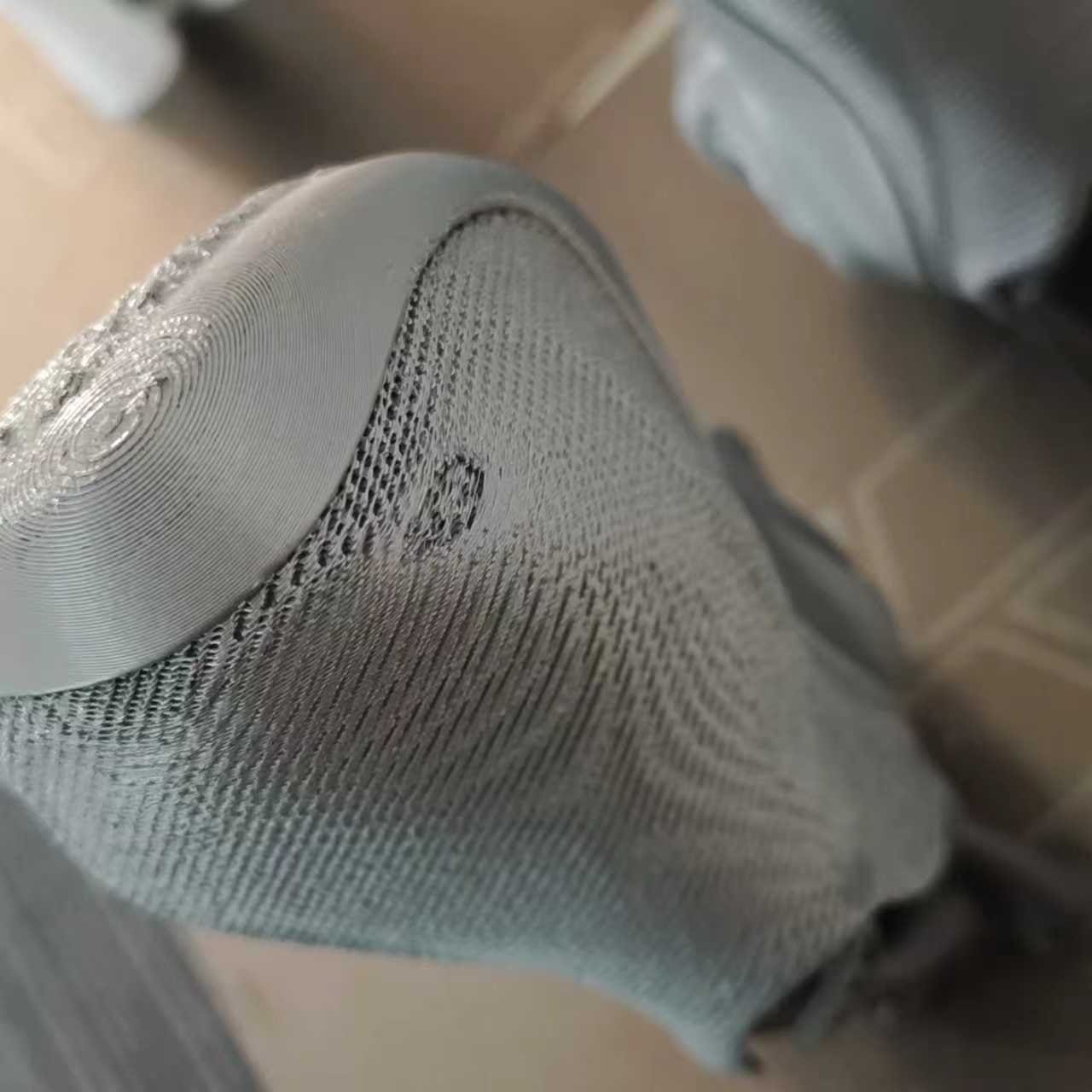
[1] Solve the problem of low strength of shoelace holes; [2] Repair the defects that appear after the model is reduced due to the thin outer wall
So far, FORMISM’s shoe models have been downloaded and printed more than 5,000 times across both Chinese and global platforms.
Compared to the most popular models in other categories, this number might not seem extraordinary. But for Wei Zixiong, the real value is not the download count - it is seeing the open-source ecosystem for 3D-printed shoes gradually take shape.
In the comment sections, some users point out design details and suggest improvements. Others share their own customized versions - for example printing the shoes in translucent TPU, creating a completely different visual effect.
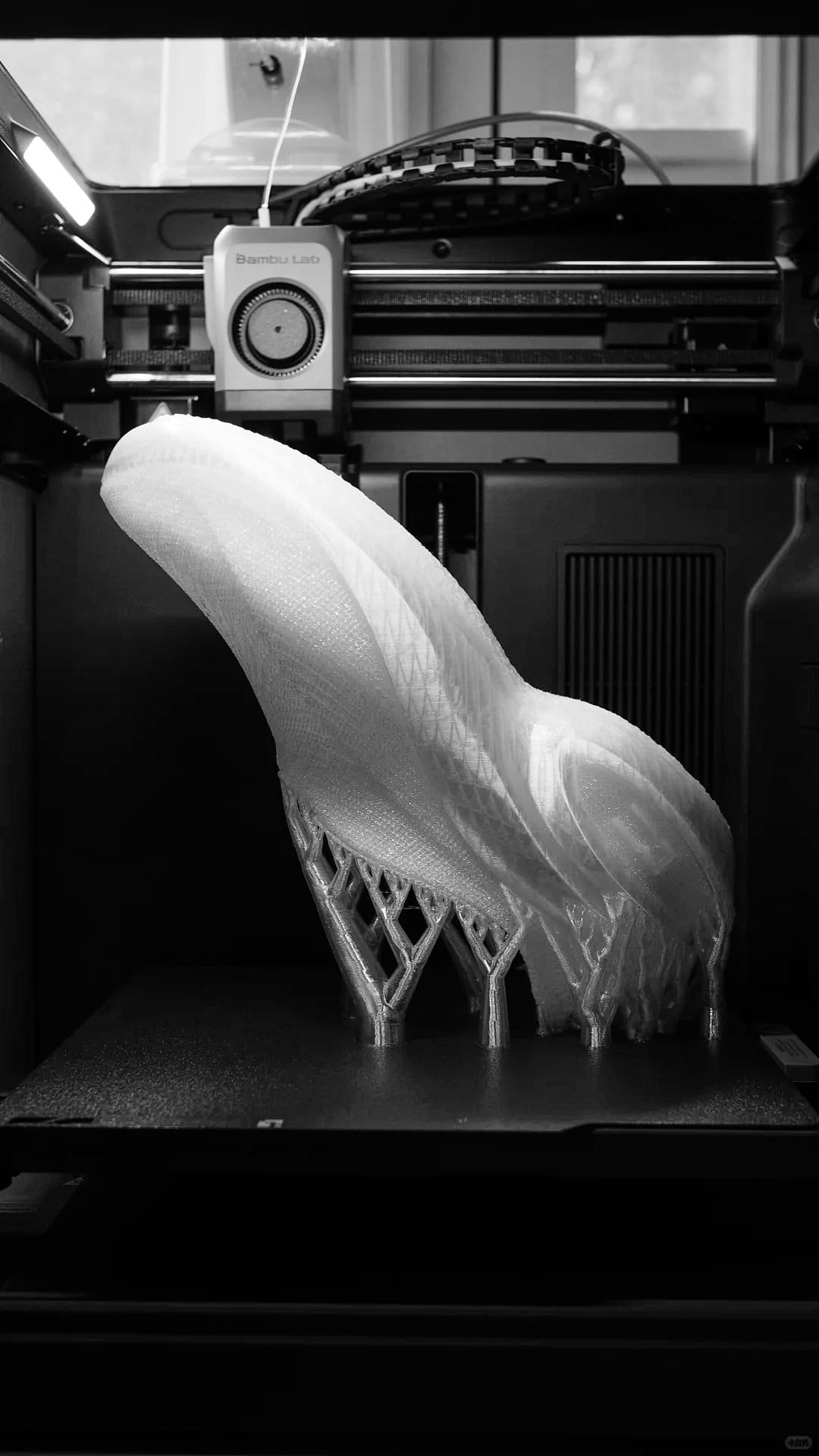
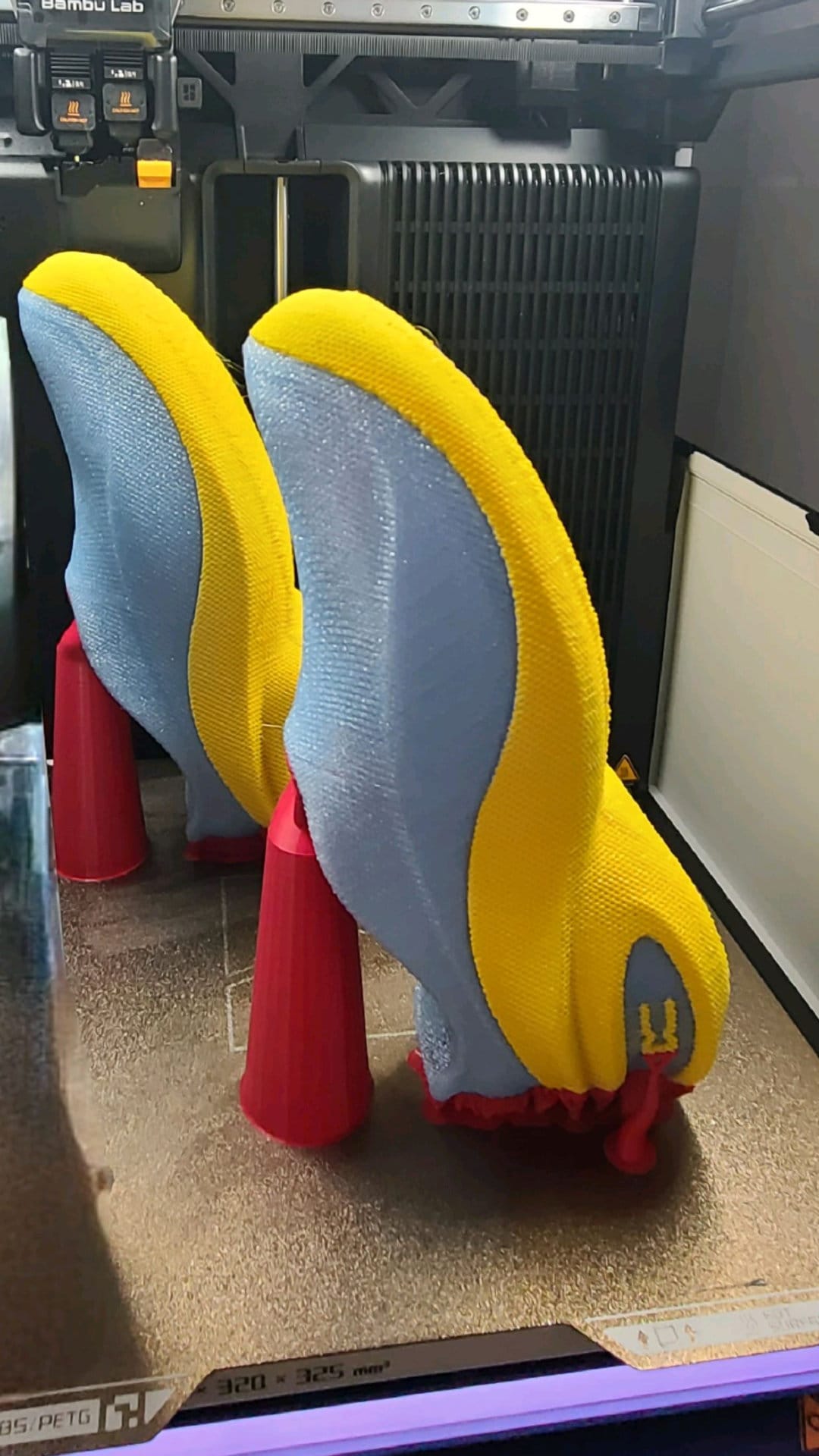
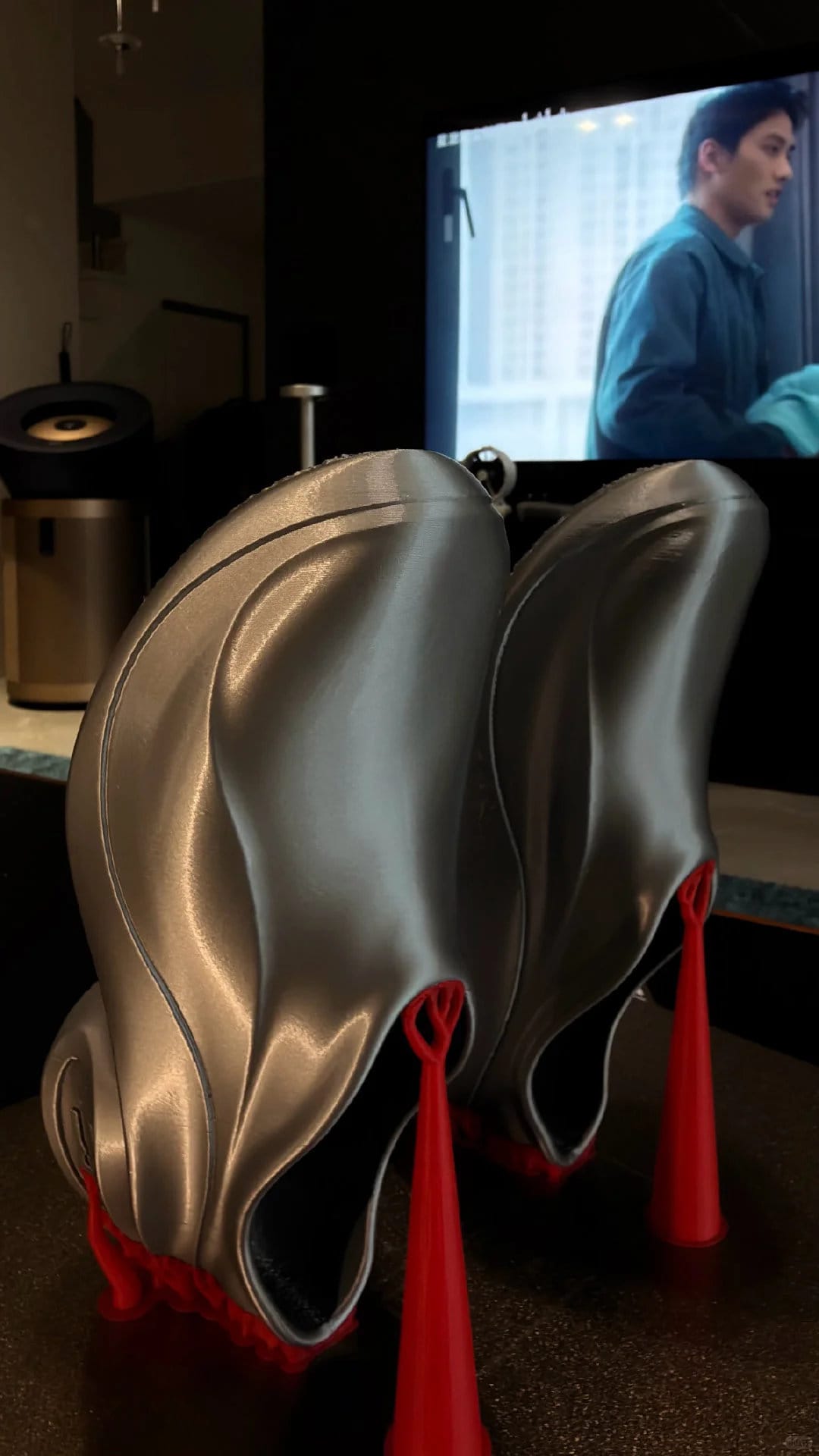
[1] Rednote user @👍 Cong Yujinlei 🤖; [2] MakerWorld user @theancients; [3] Rednote user @EVE
Some users modify the surface textures or adjust the density of the sole’s infill to better match their aesthetic preferences and walking feel. Others go even further, designing and uploading entirely new outsole models based on the original design.
It’s a very fascinating feeling. Everyone exchanges ideas and helps solve issues with the models together. FORMISM feels like it has grown from a small studio into a much larger collective, with everyone pushing it forward together.
Of course, printing a pair of shoes is not completely barrier-free.
Material costs are already relatively manageable, but the real challenge is the learning curve. Flexible filaments often need to be dried, printed with separate support structures, and fed manually.
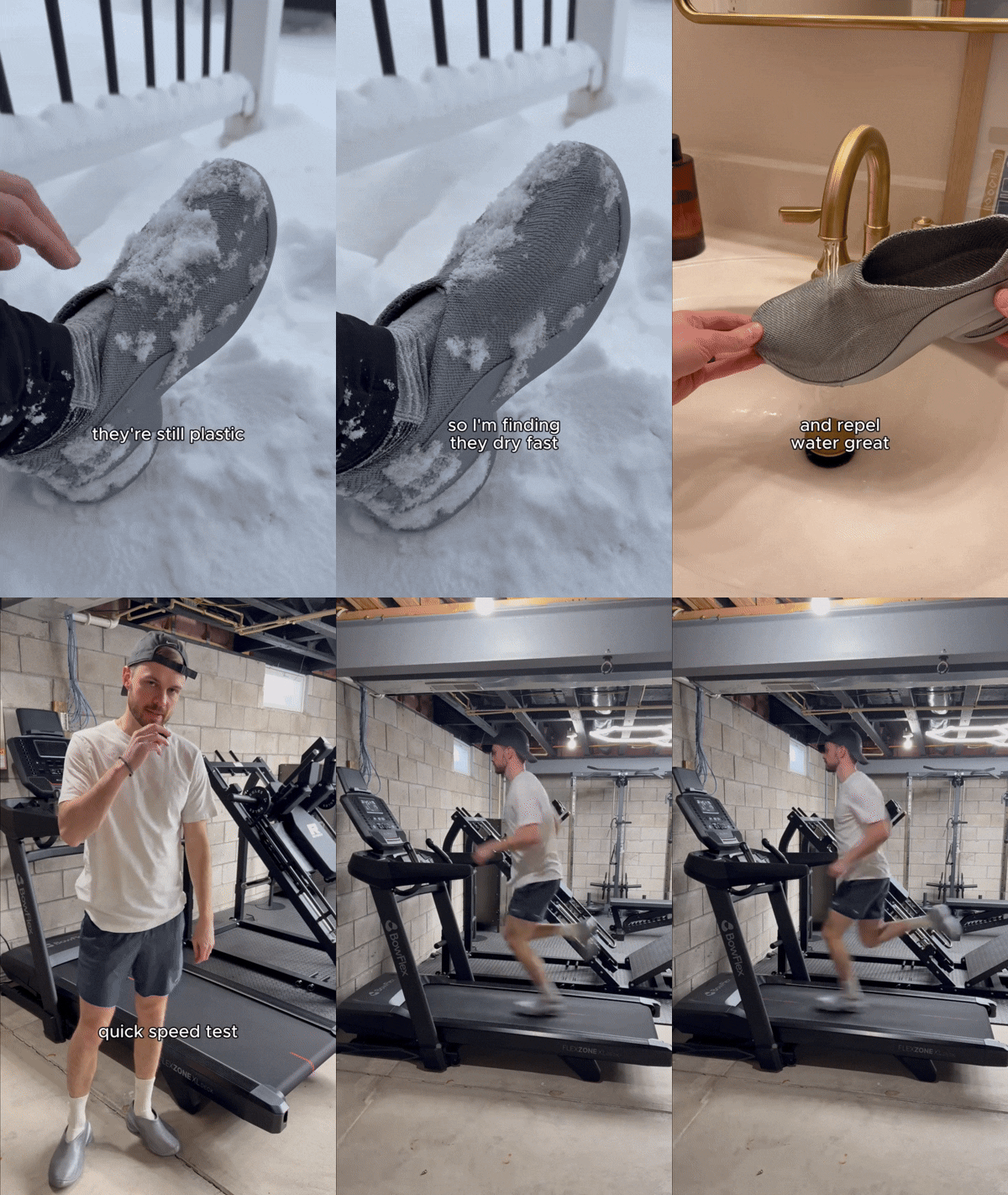
The first pair of shoes - after several days of printing - may not turn out perfectly. But through repeated attempts, the models improve, the techniques mature, and each print brings 3D-printed shoes one step closer to everyday life.
From closed source to open source: a “Non-Commercial” gamble
Before entering the world of FFF design, Wei Zixiong and his avant-garde fashion brand SCRY were already global reference points in the 3D-printed footwear space.
Most SCRY products are printed using photopolymer technologies. Their bold, expressive designs typically sell for $300-$500, frequently appear at fashion weeks, and are popular among fashion influencers worldwide.
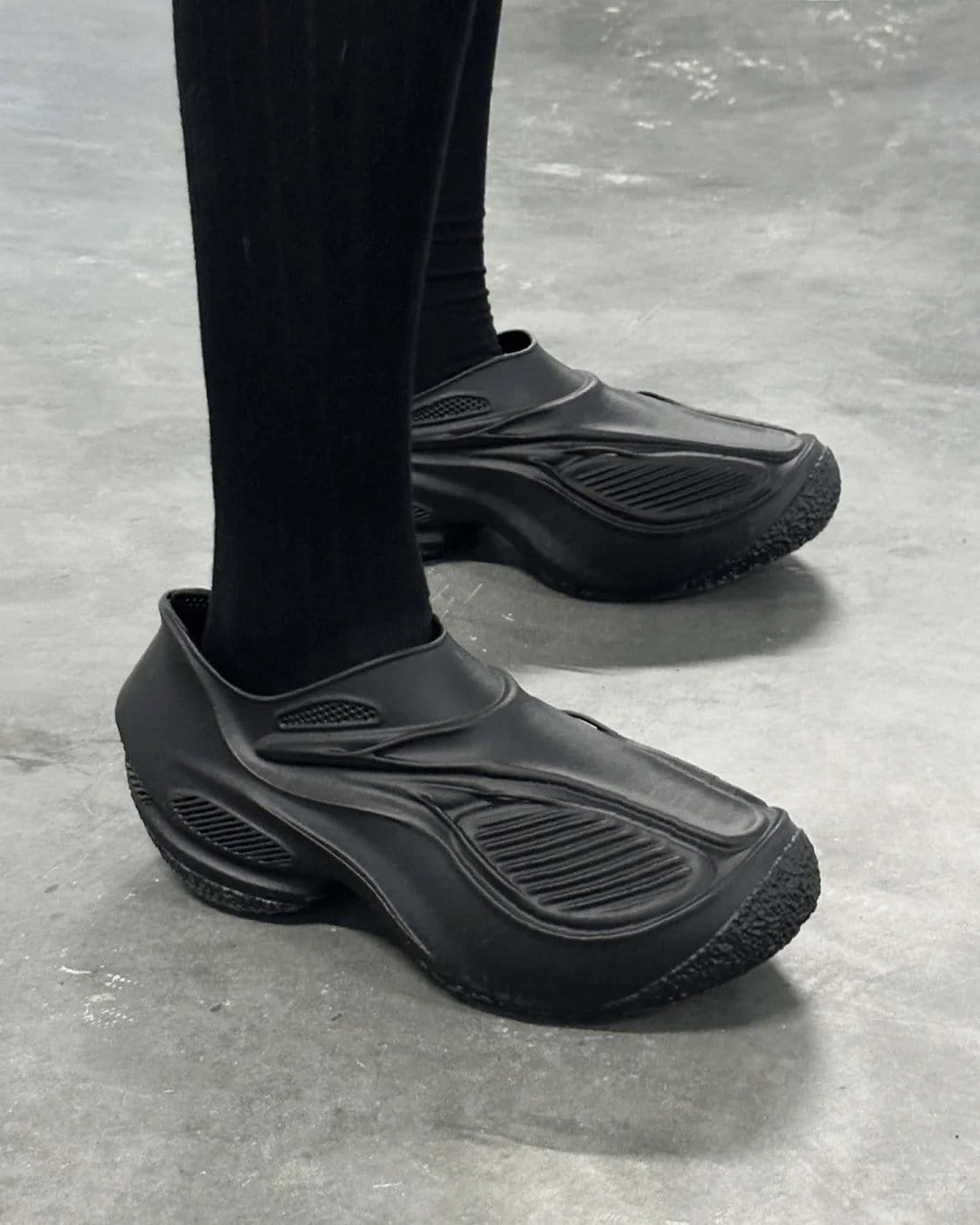
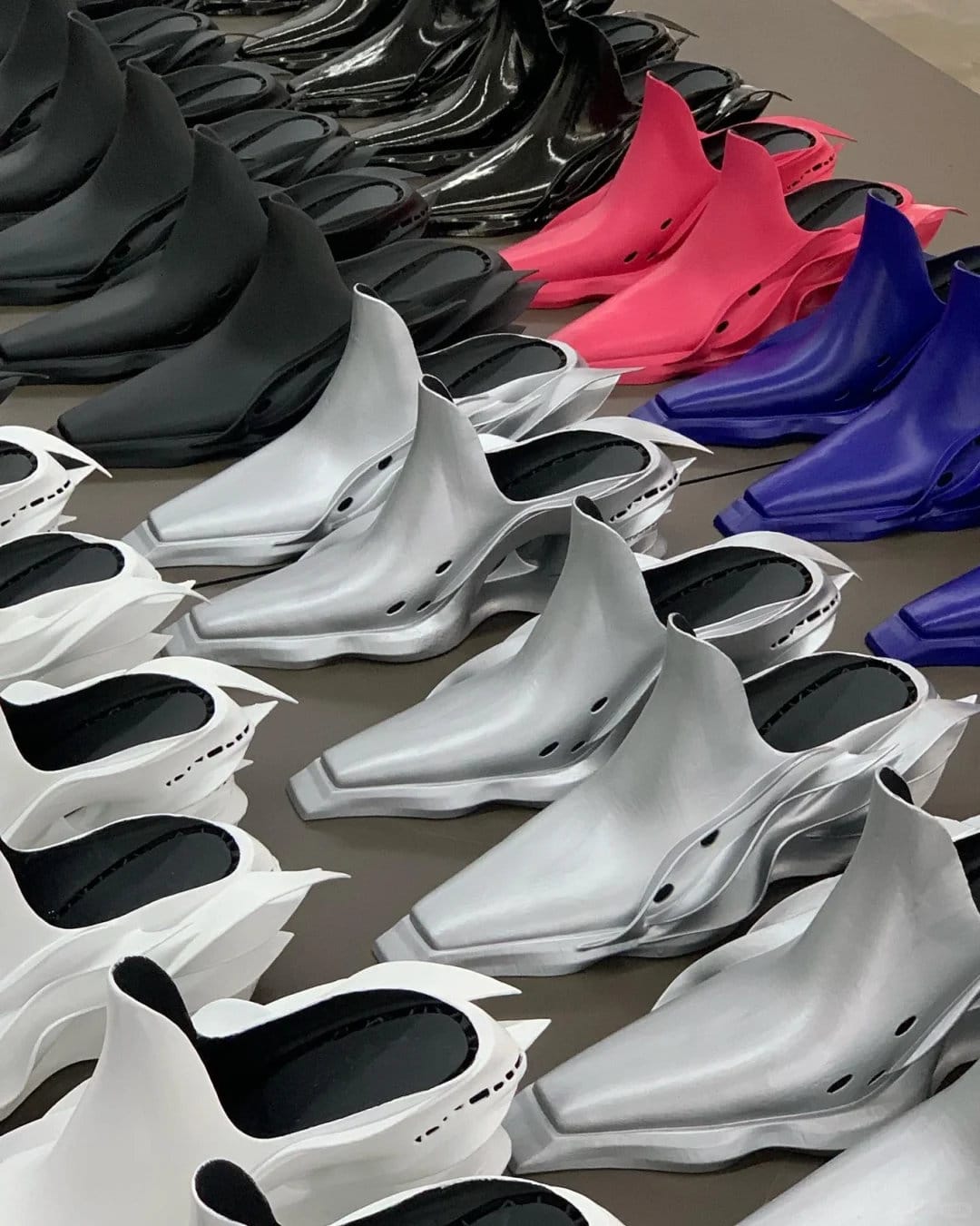
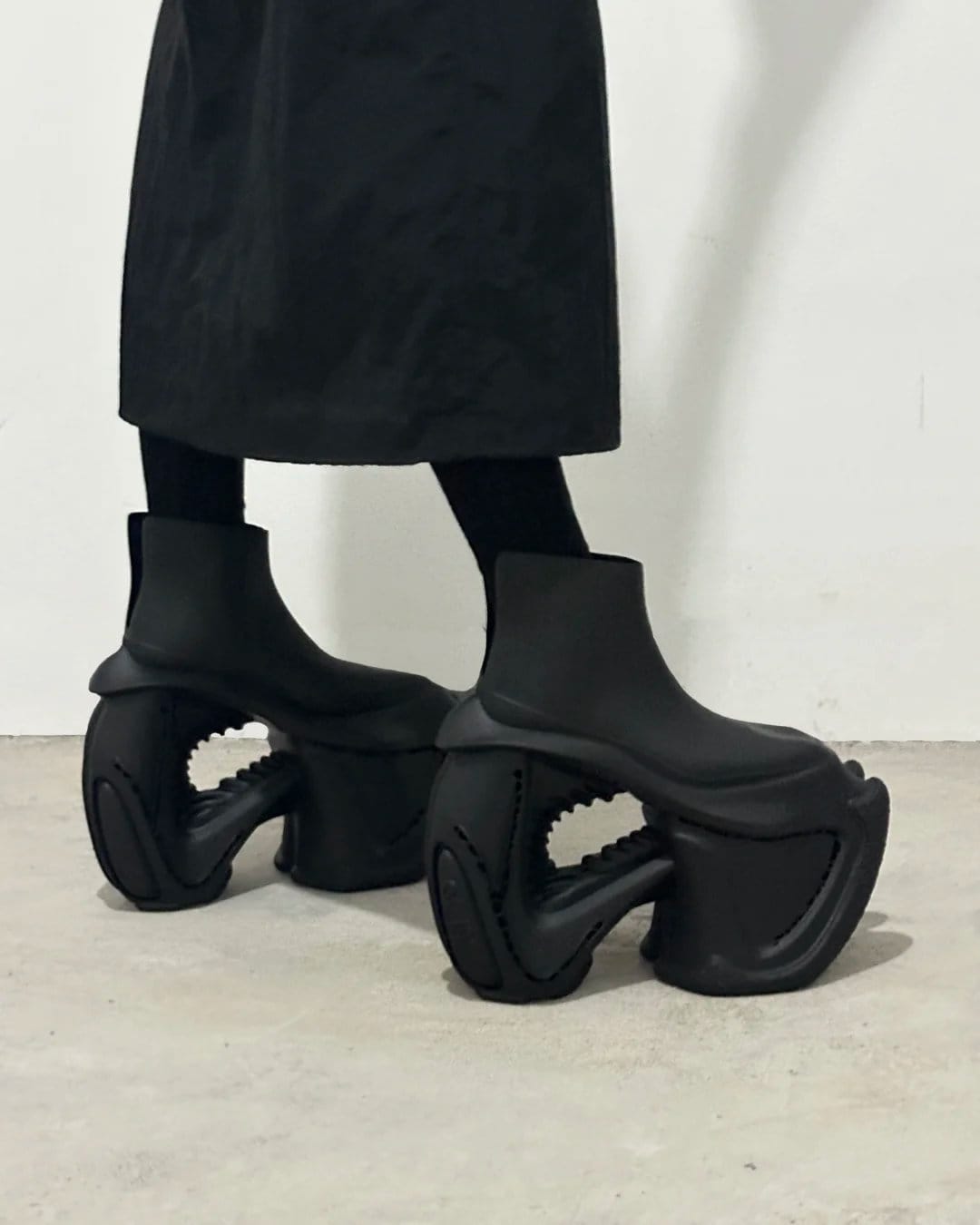
SCRY's past footwear products
With FORMISM, however, Wei chose a completely different path.
Instead of closed production, he turned to FFF printing to lower the barrier to entry - and released the designs as open source.
To many observers, this decision appears to go against conventional business logic. But for Wei, it represents a step toward a future he has long envisioned.
Today, data itself can be a product. FORMISM operates differently from SCRY. I want to build it as a kind of “digital fashion publisher,” releasing all kinds of model files around fashion, street culture, and lifestyle. Users can simply choose what they like and manufacture our products at home.
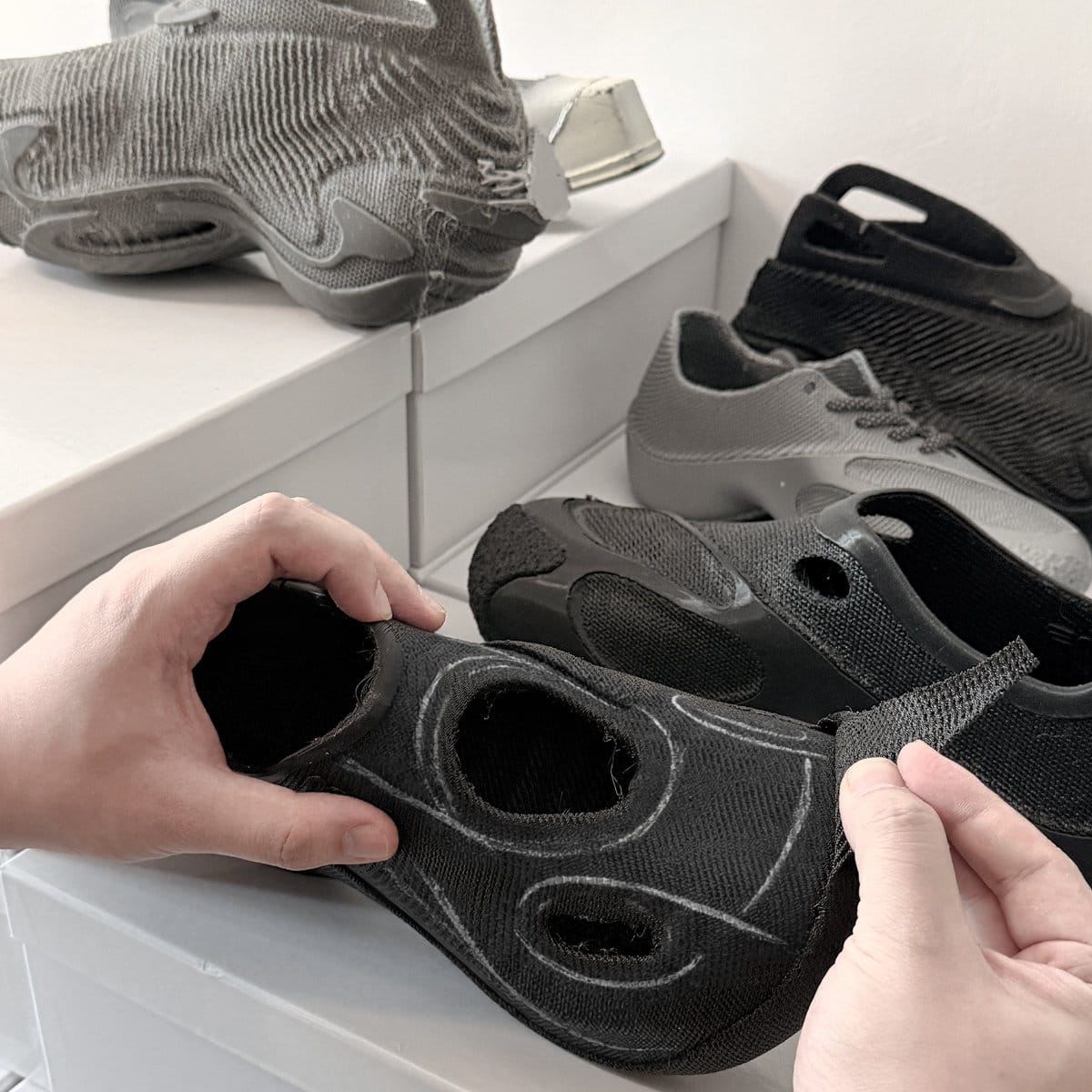
Balancing these two paths is not easy. SCRY must maintain its closed, premium brand identity, while FORMISM develops an open ecosystem. The contrast could easily confuse consumers - or even affect the perceived value of SCRY.
I understand the contradiction. But an open design ecosystem has always been one of my visions, so I’m willing to take that risk.
Conclusion
The goal of 3D-printed shoes may not be to replace the sneakers and leather shoes already sitting in your closet.
Instead, they represent something different: a future where manufacturing becomes a natural part of everyday life.
Design, download, print, wear - every step gives individuals their own choices and creative freedom.
As a manufacturing technology, there is still a lot of room to explore when it comes to optimizing the wearing experience. I hope people can keep an open mind, because this is a category that evolves very quickly.
And when that moment comes, you may not feel the need to emphasize that your shoes are 3D-printed.You’ll simply put them on - and walk out the door.