Built at sea: how OceanX made 3D printing part of everyday engineering
Weeks from port, OceanX engineers print and fit replacement parts onboard before the next dive


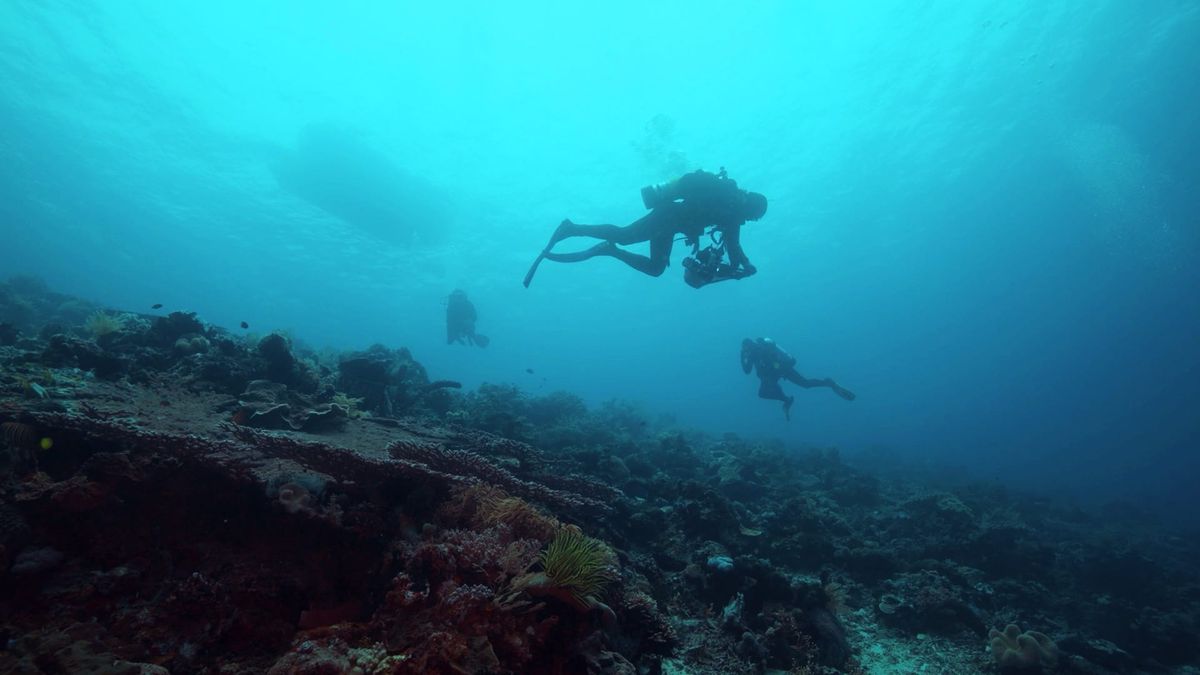
Far from shore, where resupply is measured in weeks and failure can halt an entire mission, every tool must justify its place onboard.
For OceanX, operating in one of the most demanding environments on Earth, the ability to design, fabricate, and deploy solutions in real time has shifted engineering from a reactive necessity to a continuous, embedded capability. One that keeps exploration moving even when conditions are uncertain and time is limited.
A broken part on land is an annoyance. You order a replacement, wait a few days and get back to work.
At sea, the same failure plays out differently. On a research vessel far from conventional supply chains, a replacement can take weeks to arrive. And the dive schedule won’t wait.
One worn bracket or one dead motor can push back a mission timeline, along with the science that mission was supposed to deliver.
That’s daily reality aboard the OceanXplorer, the research vessel operated by OceanX.
Its missions send remotely operated vehicles (ROVs) and crewed submersibles into the deep ocean, and every one of those machines needs constant maintenance, modification and custom parts.
For years, the answer to a broken or missing part was metal. Welding, cutting and grinding did the job. But each fix cost time and a dedicated pair of hands, often pulled straight off an active mission.
Then the team brought Bambu Lab 3D printers aboard.
It started small, with mounting brackets for ROVs and submersibles. But the printers kept delivering, and the list of jobs kept growing.
A clumsy mount for water sampling bottles, the kind that slowed every sample on its way to the lab, got redesigned. An ROV manipulator arm got a new attachment, modeled from a scan of the arm itself.
Then a hydraulic motor failed, and the science team could no longer collect biological samples. A spare was onboard, but it didn’t fit. And the next dive was coming.
The parts the crew printed that night have since worked at depths beyond 4,000 meters, with no measurable wear after repeated use. All of this happens on a ship that rolls in rough seas, in air full of humidity and salt.
For a team weeks away from the nearest supplier, that’s changed the math on what can be fixed at sea, and on who gets to fix it.
OceanX
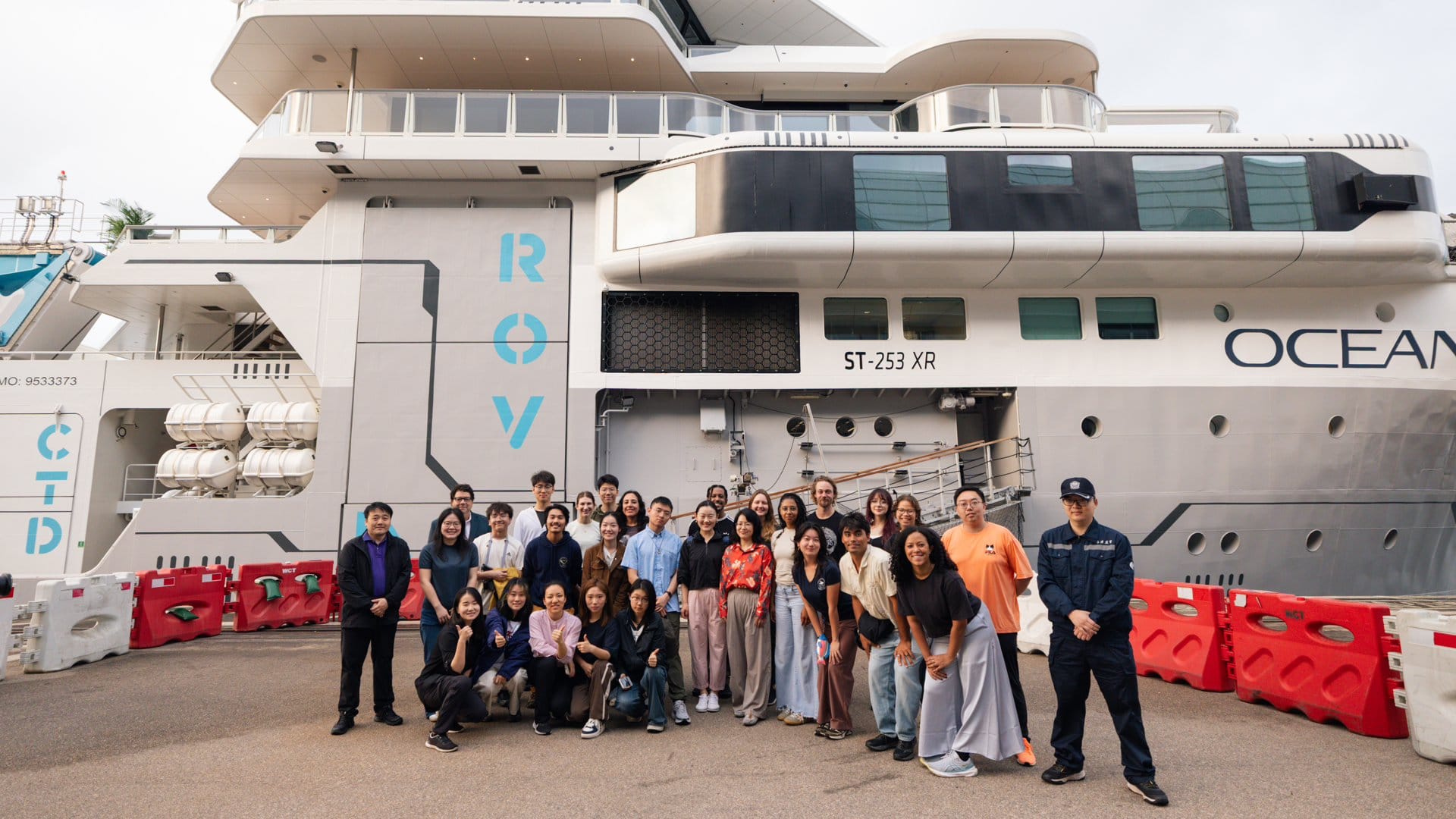
OceanX operates at the intersection of ocean science, technology, and exploration, with missions that often unfold far from conventional supply chains.
Onboard its research vessel OceanXplorer, engineering teams, scientists, and pilots work in tightly coordinated environments where adaptability is essential. Within this context, the organization began adopting 3D printing as a practical tool to support ongoing operations.
What started as a supplementary capability gradually became embedded in daily workflows, reshaping how the team approached fabrication, repair, and design at sea.
Operational context and challenges
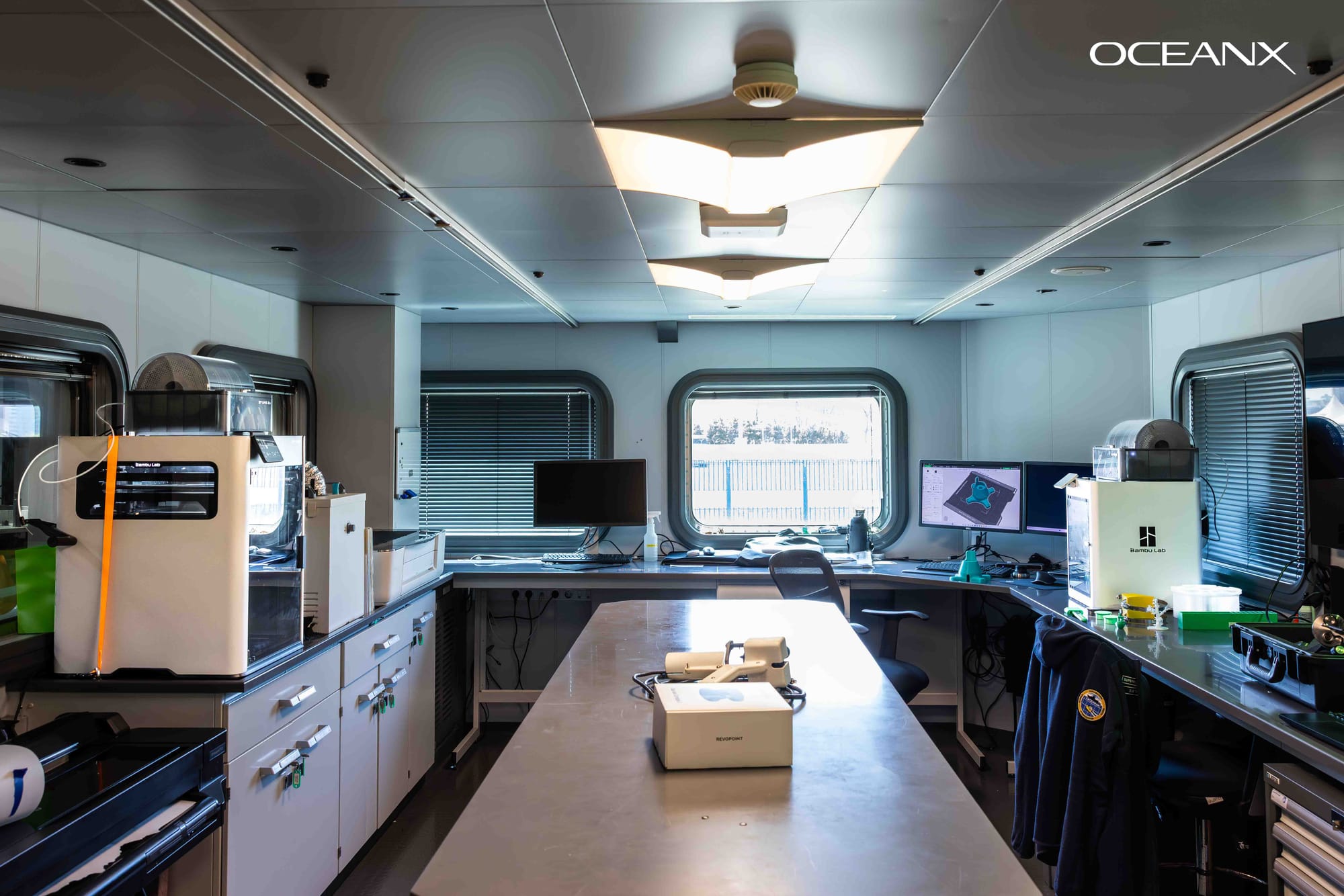
OceanX’s work depends heavily on remotely operated vehicles (ROVs) and manned submersibles conducting deep-sea missions. These systems require continuous maintenance, modification, and customization.
Historically, fabrication relied on traditional metalworking methods such as welding, cutting, and grinding. While effective, these approaches were time-intensive and required dedicated personnel, often diverting attention from active missions.
Operating in remote offshore environments compounded these challenges. Replacement parts could take weeks to arrive, and even minor component failures risked disrupting mission timelines. The team needed a way to produce functional parts quickly, without relying on external logistics or extensive manual fabrication.
Introducing onboard 3D printing
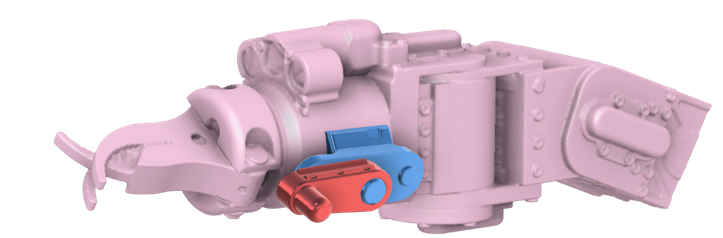
To address these constraints, OceanX introduced Bambu Lab 3D printers onboard the OceanXplorer, including the X1C and H2D models. These systems were selected for their reliability, ease of use, and ability to handle engineering-grade materials.
From the outset, the printers were deployed directly within the vessel’s operational environment, supporting engineering tasks in real time. Beyond prototyping, they became part of mission workflows, enabling teams to design, produce, and deploy components within the same operational cycle.
Initially, 3D printing was used to produce subsea mounting brackets for ROVs and submersibles. As confidence in both the technology and internal design capabilities grew, applications expanded across departments.
One example involved redesigning the mounting system for Niskin water sampling bottles. The original setup made removal and replacement cumbersome, slowing the transfer of samples to onboard laboratories. The team developed a split mount system with a catch mechanism, allowing for rapid handling and reducing turnaround time between dives.
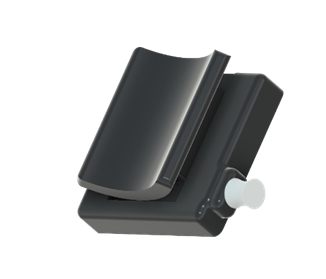
In another case, engineers designed a pivoting suction cup attachment for an ROV manipulator arm. The component required precise fit with existing hardware and the ability to stow without interfering with movement. After scanning the manipulator and modeling the mount, the team produced prototypes and iterated through materials, ultimately selecting a carbon-fiber-reinforced polymer for durability. The final component withstood repeated operational stress without failure.
These examples illustrate a shift from improvised solutions toward deliberately engineered components tailored to specific operational constraints.
Mission impact and everyday workflow
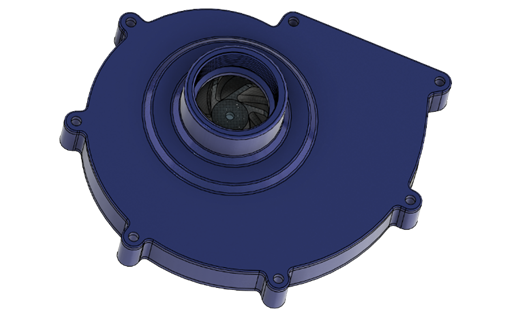
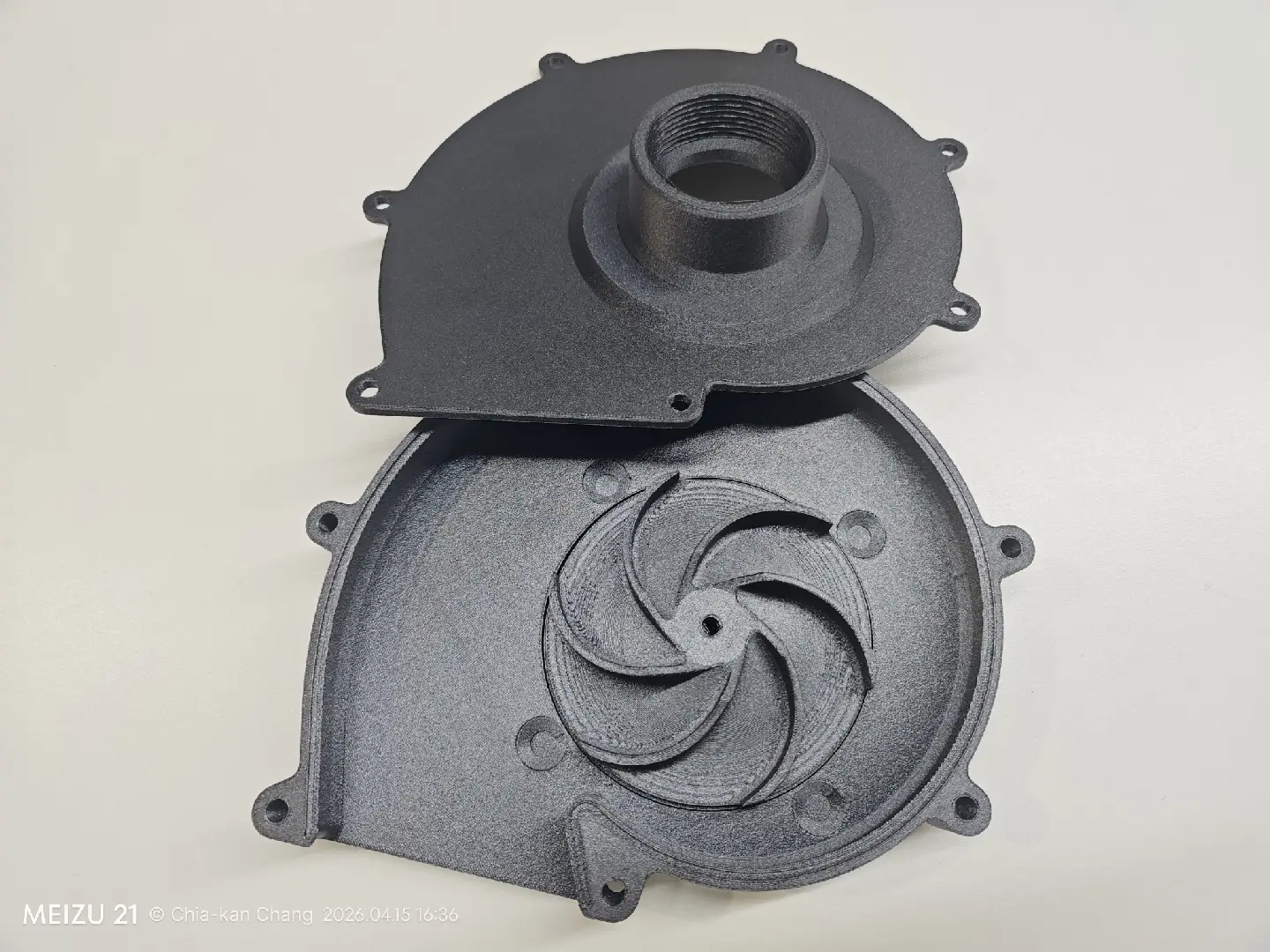
Design for Printed Suction Pump with Bambu Lab PPS-CF (left) and finished water pump parts printed with PPS-CF can operate normally at a depth of 6,000 meters underwater (right)
The most significant demonstration of 3D printing’s value came during a critical equipment failure. A hydraulic motor used in a suction sampling system malfunctioned, preventing scientists from collecting biological samples. Although a spare motor was available, it was incompatible with the existing mounting system and pump configuration.
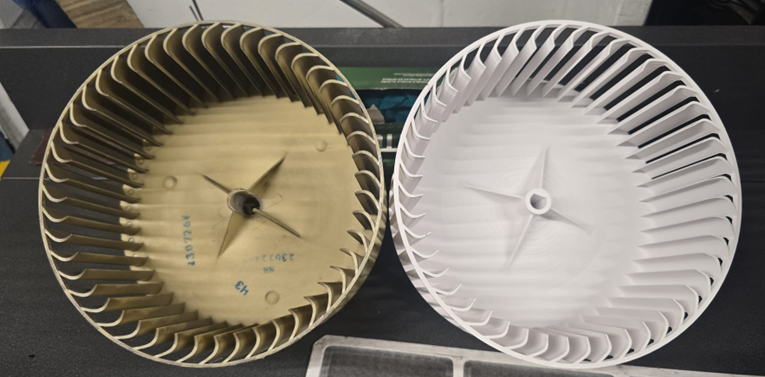
Without waiting for external support, the team designed a new motor mount and impeller to adapt the spare unit. Using engineering-grade material, they printed the components overnight and installed them before the next dive. The system operated successfully at depths exceeding 4,000 meters and showed no measurable wear after repeated use.
Building on this success, the team later designed and printed an entirely new pump system designed for the available space and operational requirements, improving efficiency beyond the original manufacturer’s design.
3D printing at OceanX follows a rapid, iterative workflow: identifying a problem, designing a solution in CAD, printing the component onboard, and testing it in real conditions. Adjustments are made as needed, often within the same operational window.
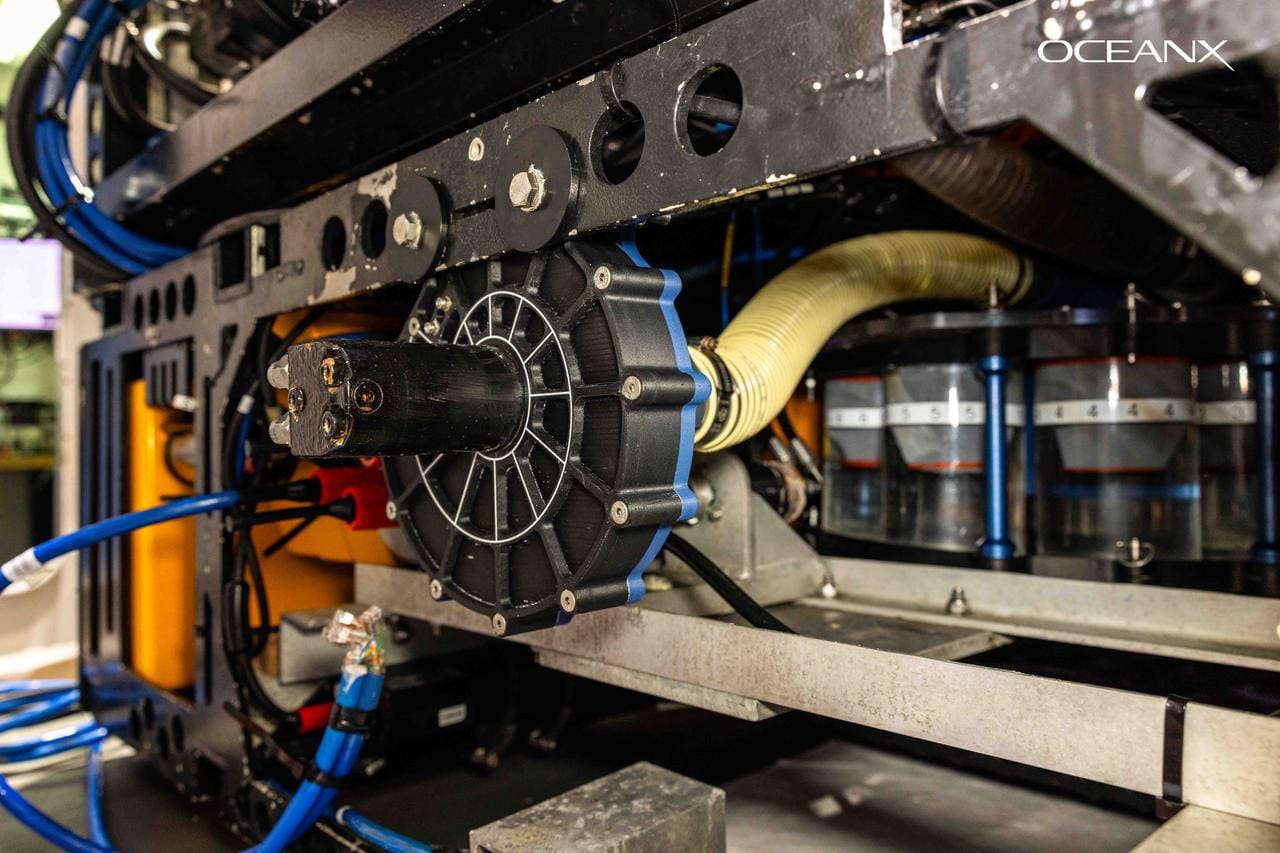
This approach reduces the gap between concept and deployment, allowing teams to respond quickly to evolving challenges. Engineers and technicians lead most design efforts, while scientists contribute requirements and increasingly participate in producing parts themselves. The accessibility of the printers has encouraged broader adoption, supported by easy-to-use software and automated features.
Operating sensitive equipment at sea presents unique challenges, including motion, humidity, and salt exposure. Despite these conditions, the printers demonstrated consistent performance. Print quality remained stable even in rough seas, and automation features such as bed leveling and real-time monitoring reduced the need for manual intervention.
Compared to earlier systems, the team observed a substantial reduction in failed prints and setup complexity. Tasks that once required specialized knowledge became manageable for a wider range of users, lowering the barrier to entry and increasing overall utilization.
OceanX employs a range of materials depending on application requirements, including PLA, TPU, PETG variants, and high-performance polymers such as PPA-CF and PPS-CF. For subsea deployments, carbon-fiber-reinforced materials have become essential due to their strength and resistance to environmental stress.
These materials enabled the production of components capable of withstanding high pressure, repeated submersion, and mechanical loads. As a result, 3D-printed parts transitioned from temporary fixes to reliable, end-use solutions within critical systems.
Measurable operational benefits
The adoption of 3D printing delivered several tangible benefits. Downtime was reduced through the ability to reproduce parts on demand, supported by a growing library of digital designs. Iteration cycles became significantly shorter, allowing ideas to move from concept to deployment in a fraction of the previous time.
Dependence on global supply chains decreased, particularly in remote locations where logistics are unpredictable. At the same time, customization became more feasible, enabling the team to design components that fit precisely within the constrained spaces of complex underwater vehicles.
Material usage also became more efficient compared to traditional subtractive manufacturing, reducing waste and the need to stock large quantities of raw materials onboard.
Conclusion
OceanX’s adoption of onboard 3D printing reflects a broader shift in how engineering is conducted in remote environments. By embedding fabrication capabilities directly into mission workflows, the organization reduced reliance on external resources and gained the flexibility to respond to challenges as they arise.
What began as a tool for producing simple components has evolved into a core capability supporting exploration, experimentation, and problem-solving at sea. In an environment where time, distance, and uncertainty shape every decision, the ability to design and manufacture solutions on demand has changed what is operationally possible.