From prototype to ocean-ready system
WHASER proved itself in Iceland, then evolved into a reliable tool for global marine research


A few months ago, somewhere off the coast of Iceland, a drone lifted off above a pod of humpback whales.
Below it - attached, compact, weighing just 170 grams - was a device built to answer a deceptively simple question: can we measure whales faster, more safely, and without the kind of specialist infrastructure that makes field research expensive and slow?
That device was WHASER. And the answer, it turned out, was yes.
The first prototype had been built to test an idea - drone-based photogrammetry applied to marine mammals in a way that was practical enough for real fieldwork. No complex rigs. No specialist technicians. Just a system that worked consistently, in difficult conditions, with researchers who had other things to worry about.
 Pawel Slusarczyk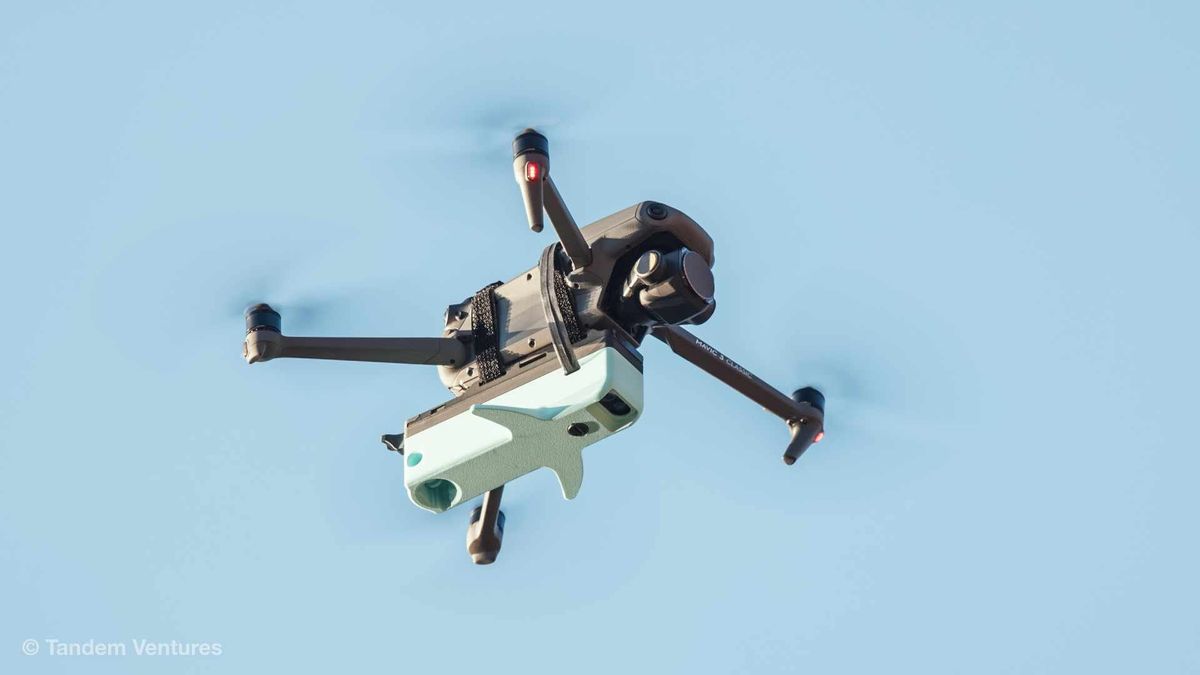
Over several months in Iceland, WHASER measured more than 115 humpback whales. The concept was validated. The numbers were real. And then something happened that the team at Tandem Ventures hadn't entirely planned for.
People started asking for it.
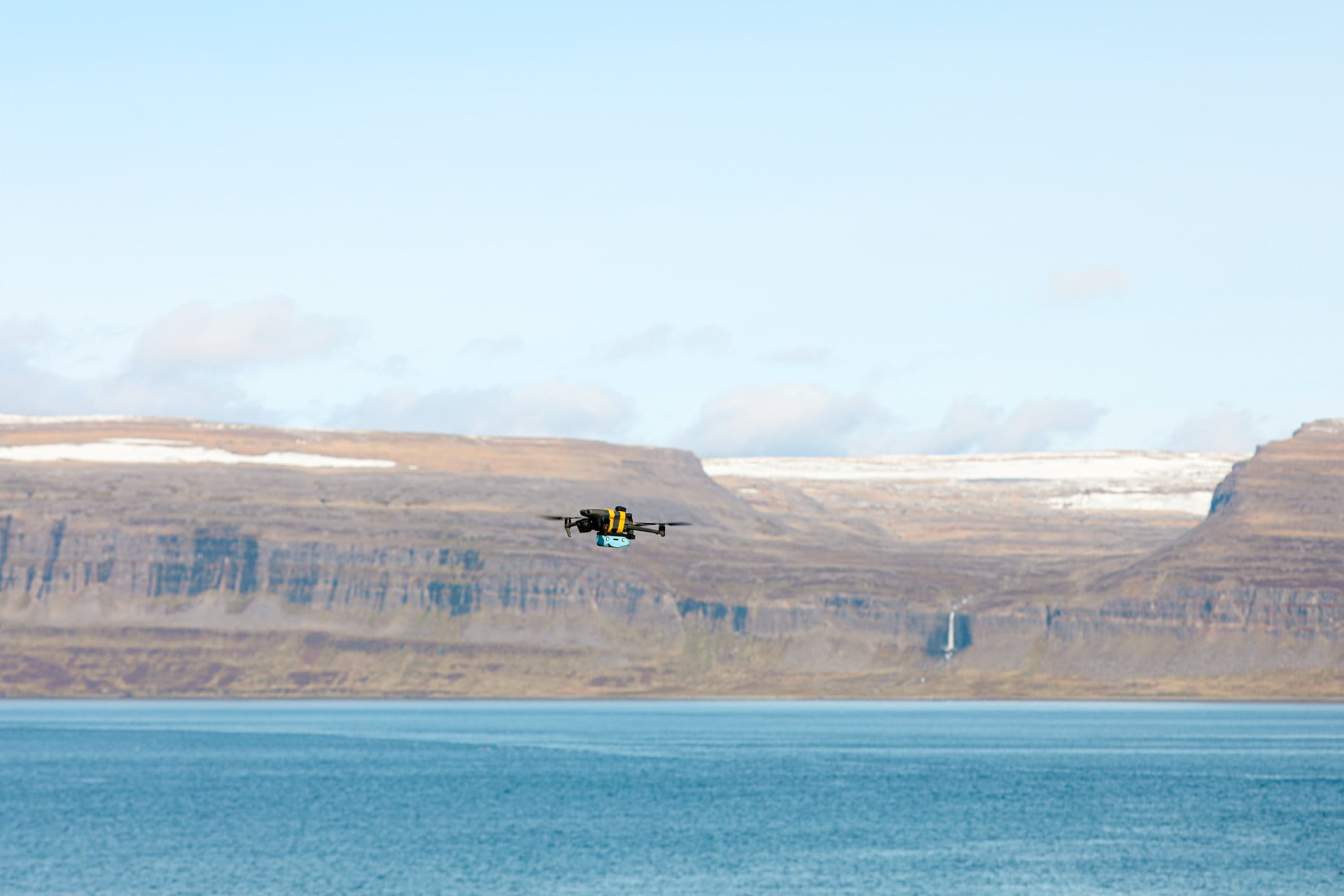
Researchers from the US, South America, Europe, Africa, and Australia. Marine biologists expanding into dolphin and turtle work. Teams working in remote locations who needed something they could trust, not something they needed to nurse along.
That shift - from prototype to product - is the moment most hardware projects either grow up or fall apart.
Because a prototype is a proof. A product is a promise.
The gap between working and reliable
There is a version of this story that ends at Iceland. Device works, paper published, project complete. It's a common ending in research hardware.
But demand doesn't negotiate with convenient stopping points.
When requests started arriving from six continents, the question was no longer whether WHASER worked. It was whether it worked everywhere?
In Hawaii's humidity and Chile's winds and African coastal conditions that had nothing in common with Icelandic ones.
On different drone platforms. In the hands of teams with different levels of technical experience, different expectations, different thresholds for what counts as acceptable friction.
That is what separates a device that worked once from a tool that can be trusted.
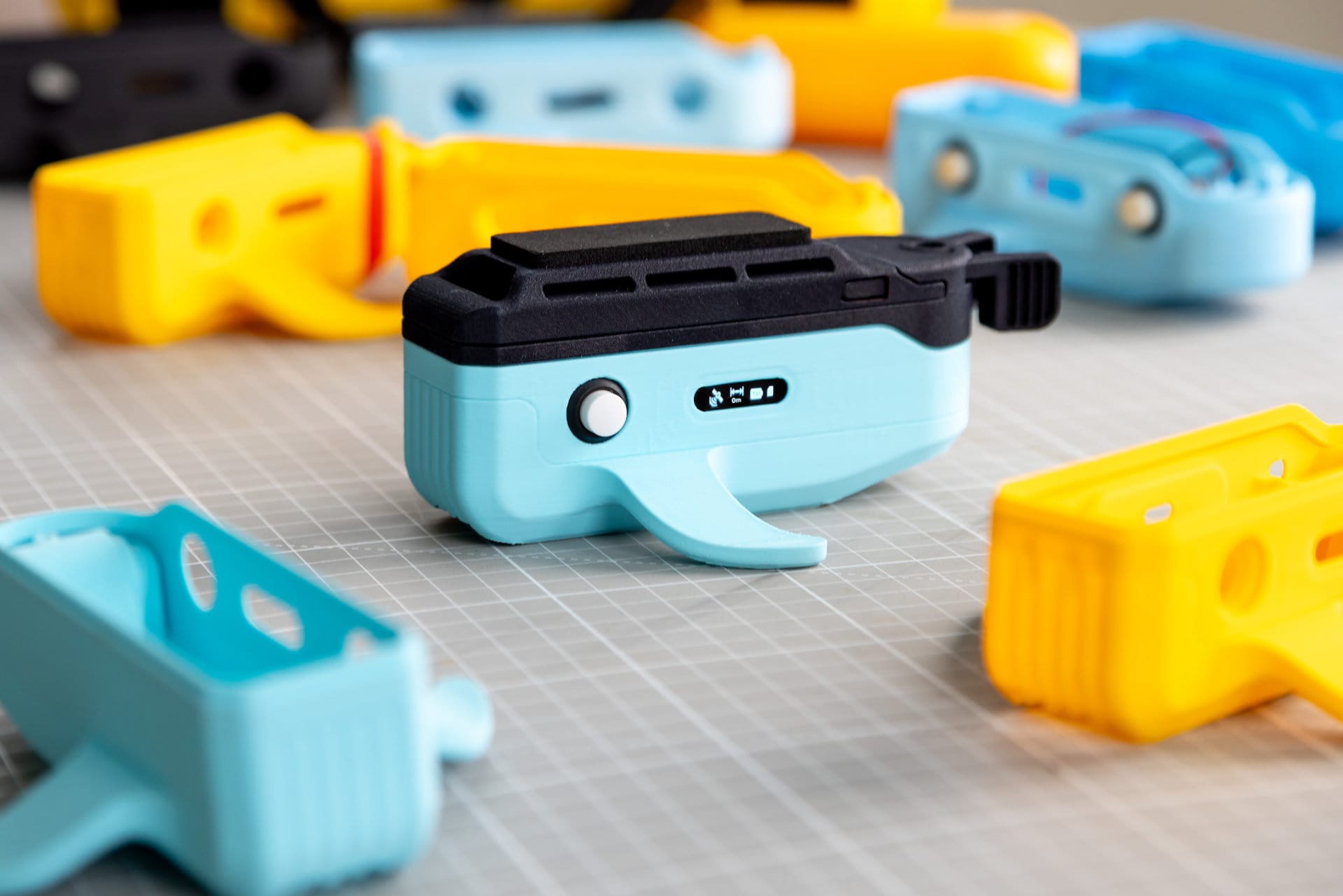
The redesign that followed was not cosmetic. A larger battery, because fieldwork doesn't pause for recharging. Reduced weight - down to 170 grams - because every gram matters when a researcher is operating in a remote environment and every kilogram of equipment is a decision. Optimised internal geometry, because components that shift in transit are components that fail. Improved weather sealing around the LiDAR unit, because the ocean doesn't care about your warranty.
Updated circuitry for speed and energy efficiency. A simplified interface - always-on display, no wake button - because the right tool removes friction, it doesn't add it.
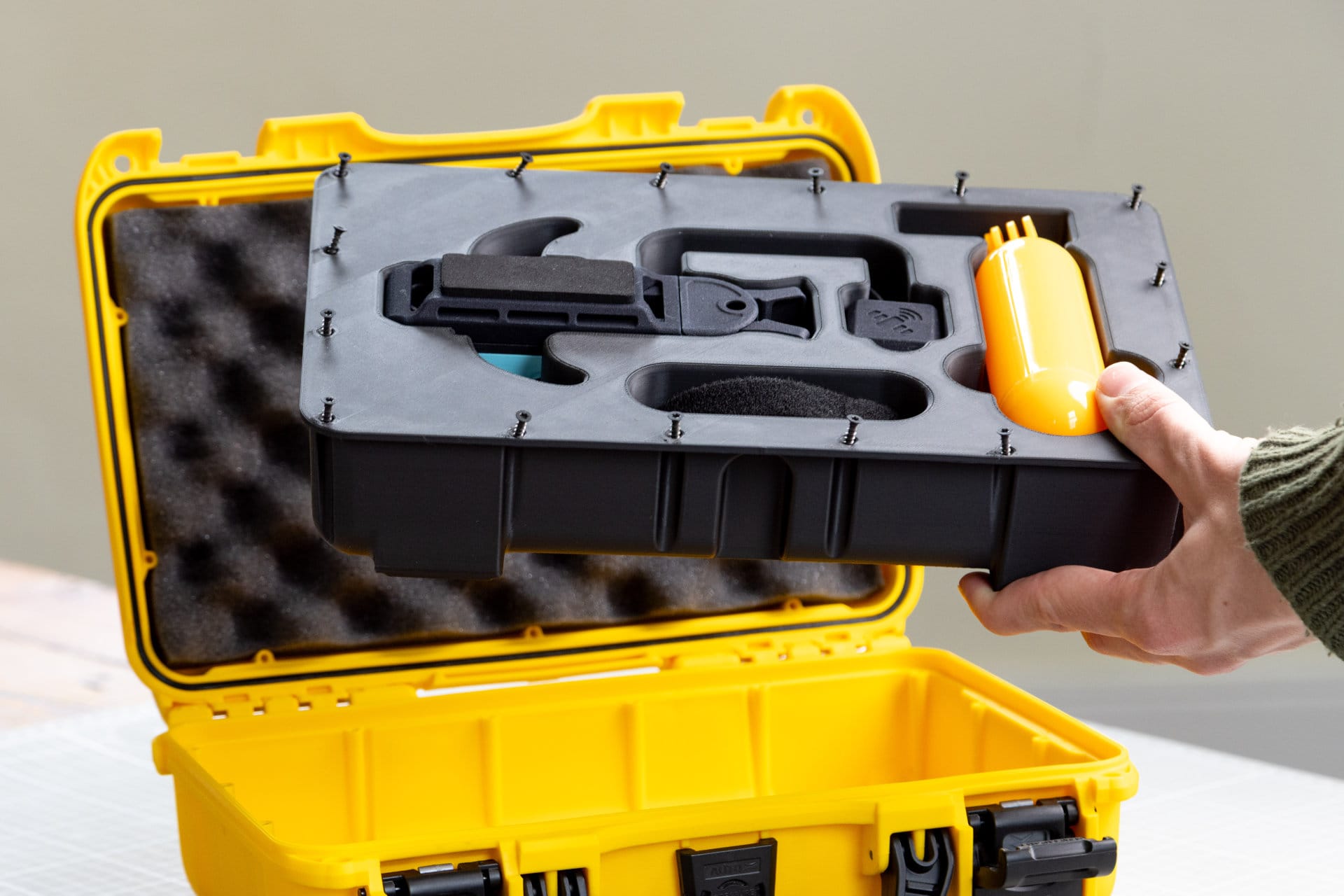
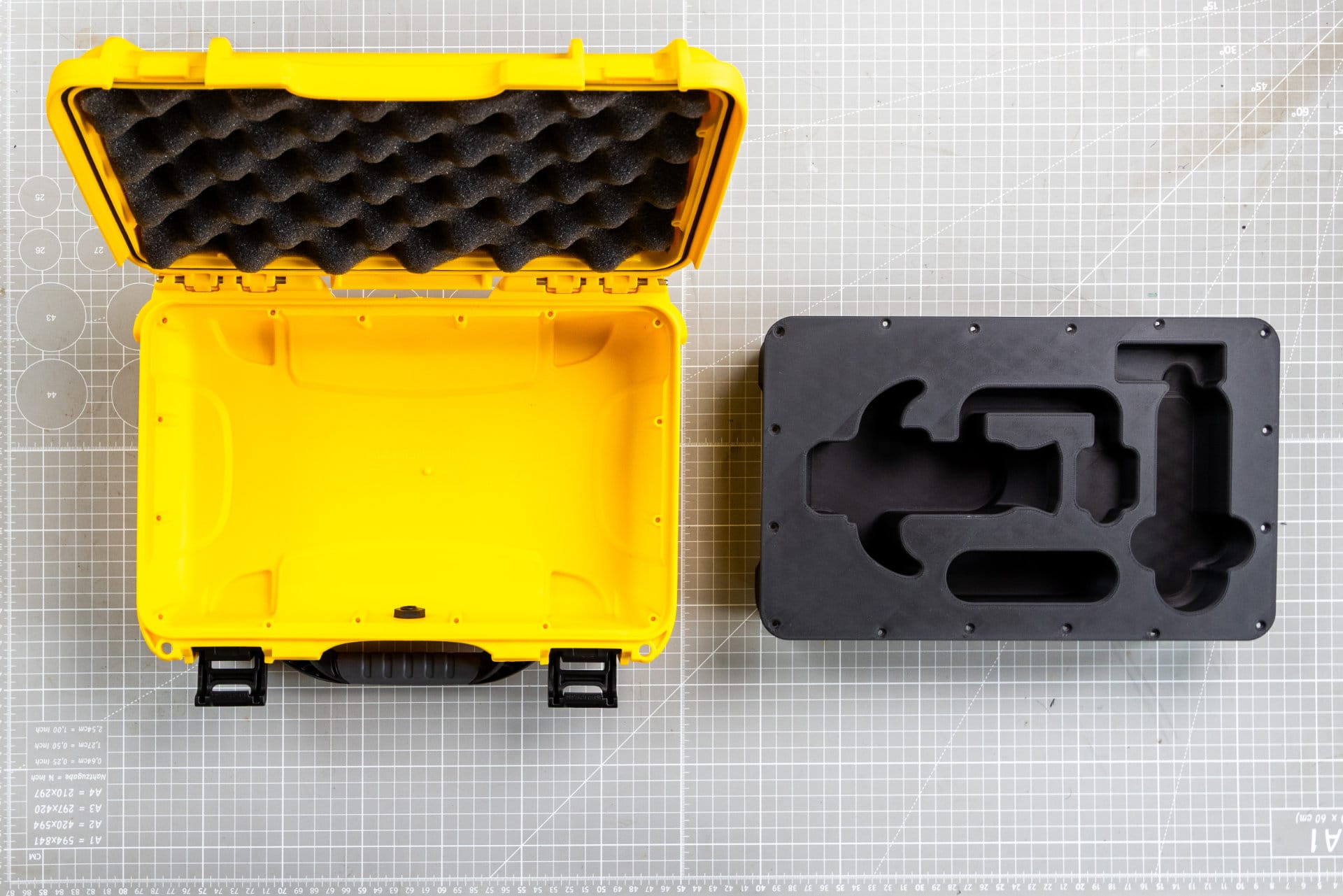
And then there was the custom hard case. 3D-printed internal structures, designed around the device itself, holding each component securely in place and allowing teams to arrive at a field site and begin work immediately. Because in remote marine research, setup time is not a minor inconvenience. It is a window that opens and closes with the tide.
Every one of these improvements was driven by field use. Not by assumptions made in a workshop. By what actually happened when real researchers tried to do real work in real conditions.
That feedback loop - from deployment to iteration and back again - is only possible when you can move fast. When a change can be designed, printed, tested, and incorporated in days rather than weeks. When the gap between hearing about a problem and solving it is short enough that the solution is still relevant by the time it arrives.
This is where Bambu Lab's technology entered the picture.
Rapid iteration. In-house production. The ability to evolve a design without switching manufacturing approaches between prototype and final build. The kind of reliability that allows a 3D-printed component to move directly from development to deployment without treating the two as separate stages.
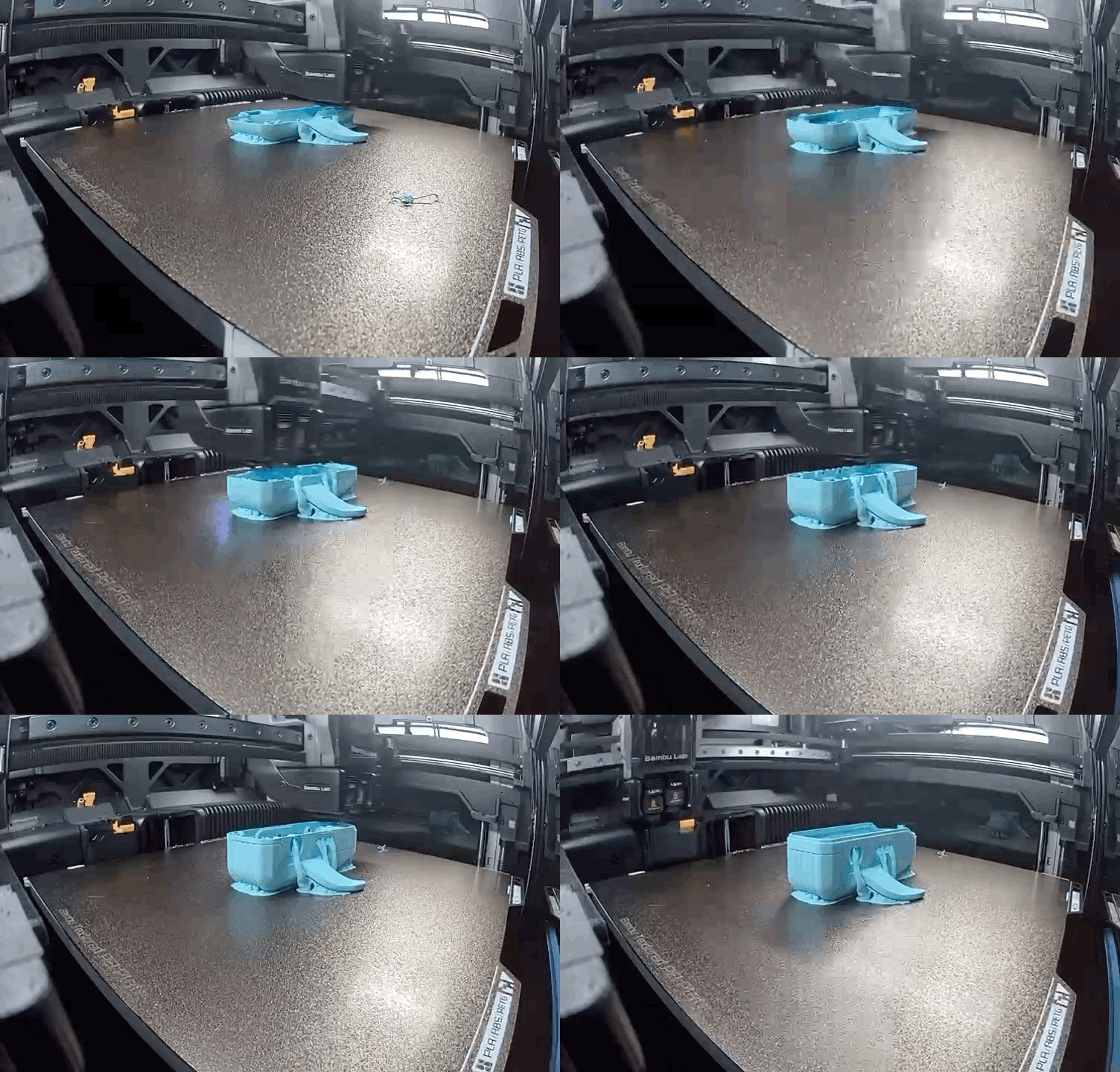
In hardware development, time is almost never neutral. Slow iteration means decisions made on stale information. It means field problems that compound before anyone has a chance to address them.
It means the gap between prototype and product becomes a gap between what the device was designed to do and what the world actually needs it to do.
Speed, in this context, is not a convenience. It is a form of quality control.
What it means to be field-ready
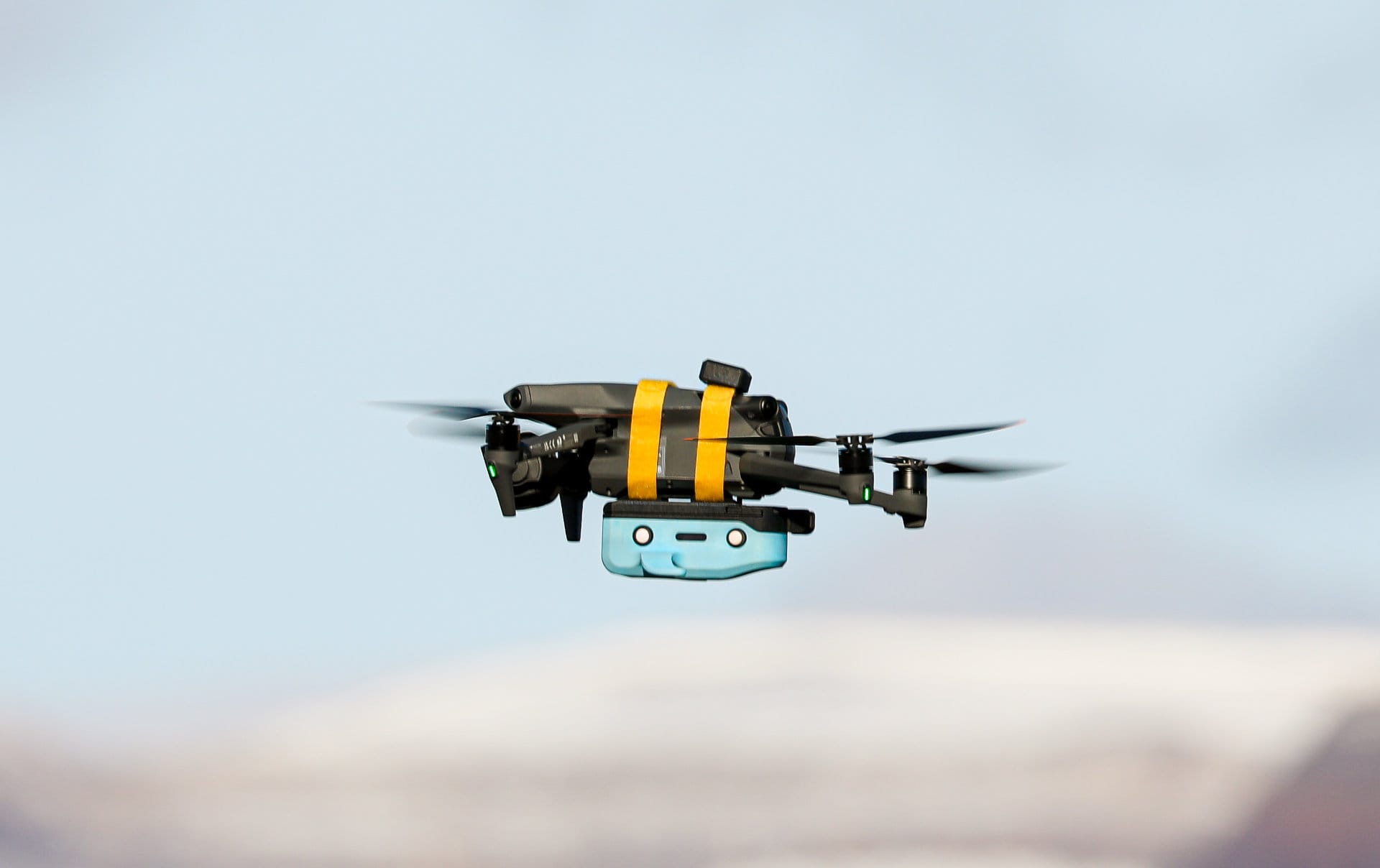
There is a phrase that appears in WHASER's story: field-ready.
It sounds simple. It isn't.
Field-ready means the device works when conditions are bad. It means the researcher who unpacks it in Chile can use it with the same confidence as the one who used it in Iceland.
It means that when something goes wrong - and something always goes wrong - the system is robust enough to absorb the failure and the team is supported enough to continue working.
This is not a technical specification. It is a commitment. And commitments require accountability.
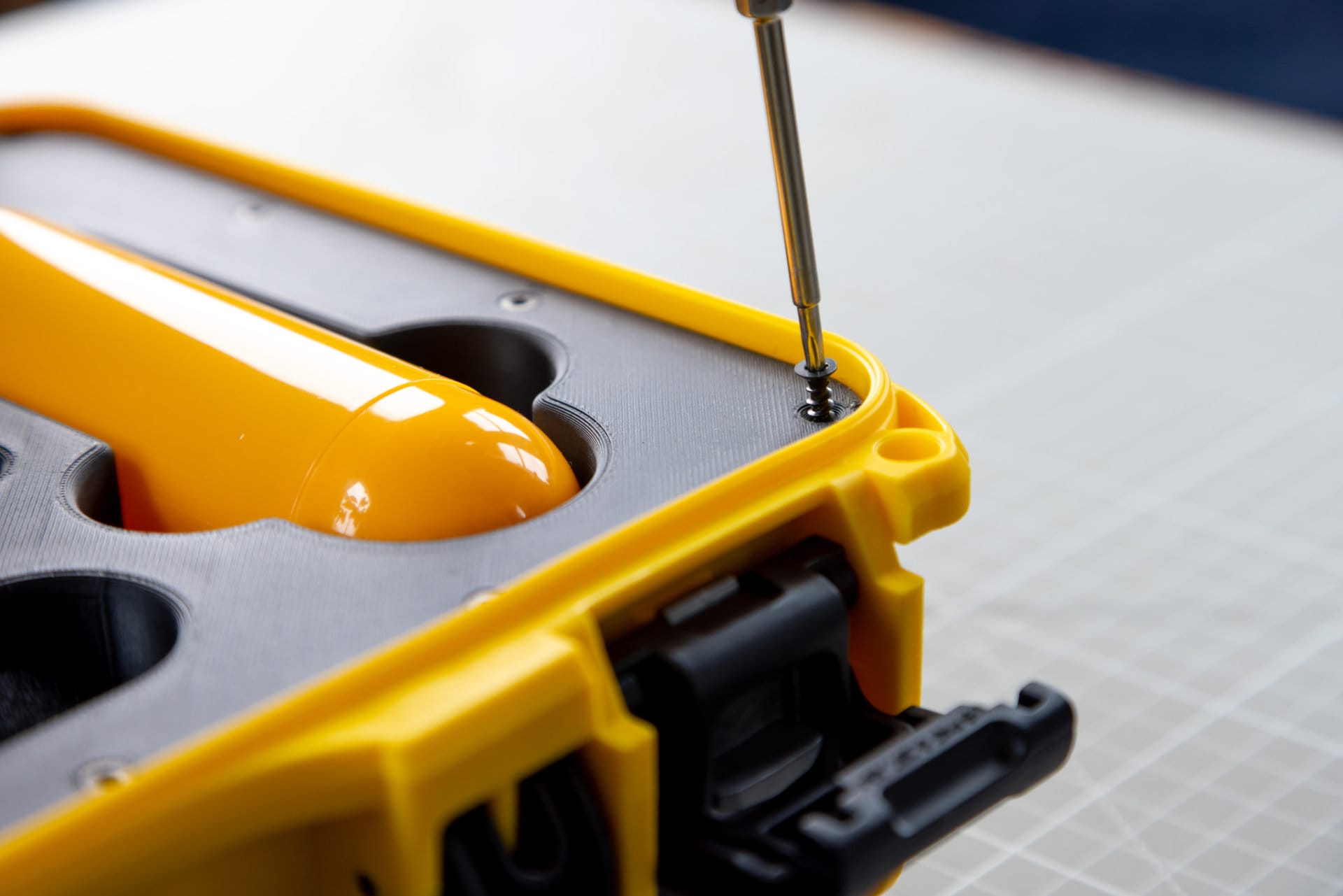
WHASER now ships with trackable serial numbers - each unit monitored, maintained, and supported as it moves through a global network of deployments. That is not a small detail. It is the difference between a product and a project.
A project ends. A product continues to exist in the world, being used by people who depend on it, in conditions its creators cannot fully anticipate. And the people behind it have to be prepared for that.
There is a version of innovation that celebrates the moment of invention. The first deployment, the proof of concept, the photograph of the drone above the whale.
That moment is real. It matters.
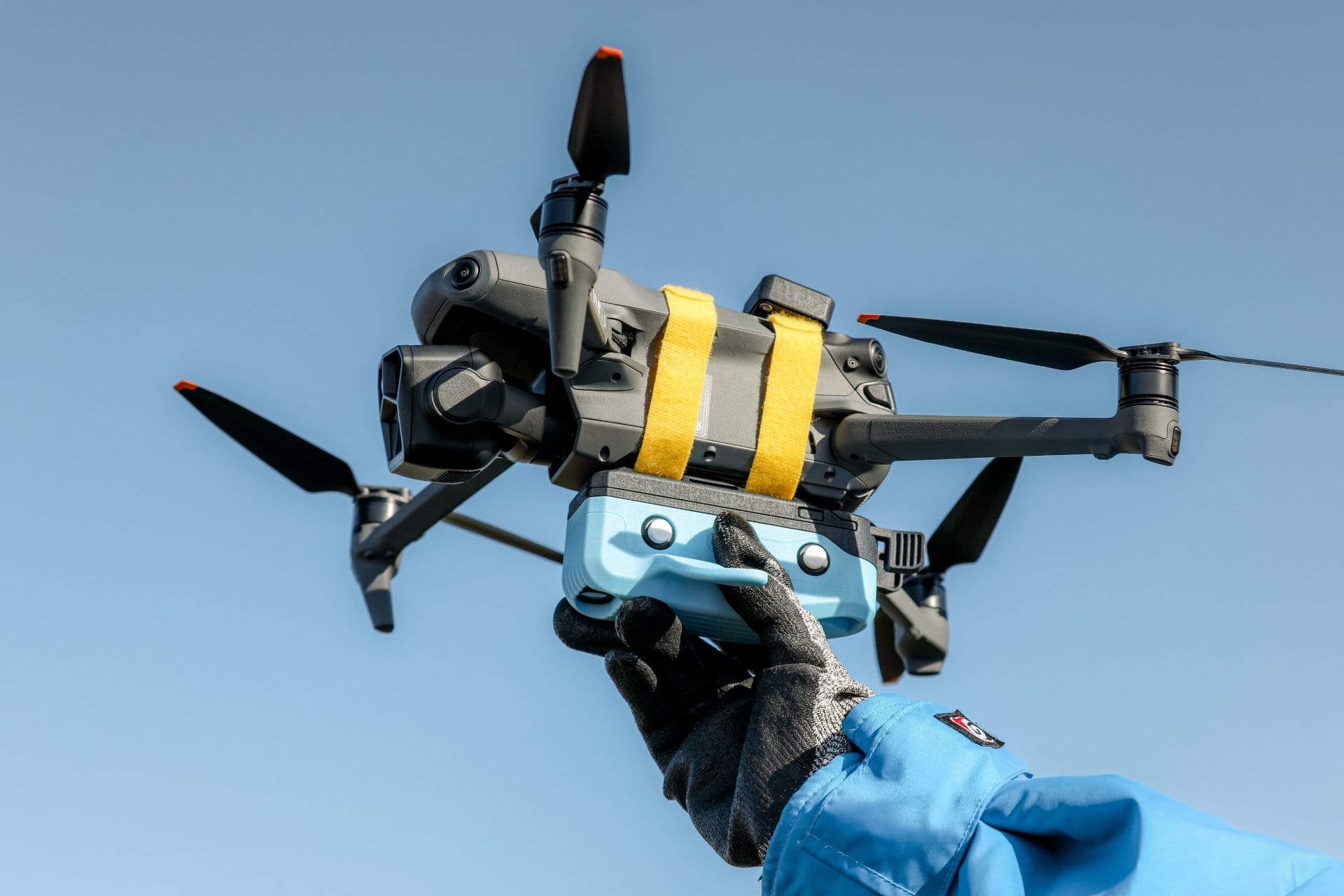
But the harder work - the less photogenic work - is everything that comes after. The iteration. The feedback. The redesign. The decision to take a thing that worked in Iceland and make it work everywhere.
What began as a prototype is now a system. And there is a difference between those two things that cannot be closed by enthusiasm alone.
It requires showing up. Every deployment. Every whale.