Renaissance Academy of Learning expands STEAM education through Bambu Lab 3D printing
A Richmond arts academy adds a Bambu Lab H2S so students can build their designs


Every week, more than 1000 students and families walk into the same 25 000-square-foot building in Richmond. The youngest learners are 12 months old. The oldest are adults.
They come for early childhood education, after-school enrichment, dance, music, visual arts, language programs and seasonal camps. Leadership development runs through all of it.
That building is home to Renaissance Academy of Learning and The Arts Conservatory, and it’s been part of the city’s educational life for more than 30 years. Its mission is to develop confident and capable leaders through the arts. Engineering and product design, though, rarely made it into everyday lessons.
So here’s a fair question: what does a school like that want with a 3D printer?
Quite a lot, it turns out.
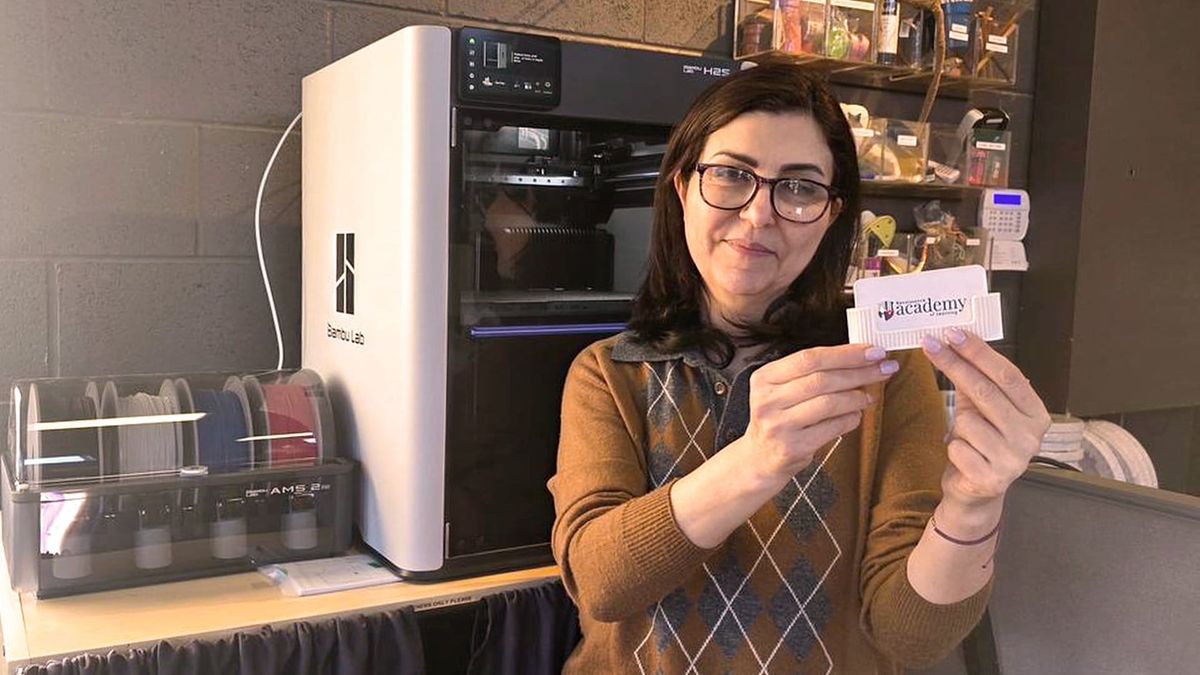
The academy’s leadership saw 3D printing as a way to put creativity, engineering, entrepreneurship and problem-solving in the same room. Students would be able to take a concept all the way to a finished object on site, without waiting on an outside fabrication service. The plan started with a single Bambu Lab H2S. And the first public test came in the form of a summer camp called 3D Maker’s Lab.
It filled up shortly after registration opened, faster than the school expected (and most of the academy’s planned programs are still in development).
The road there wasn’t smooth, and I’d rather say so up front. The team was new to 3D printing. Early on, they ran into Z-axis errors, feeding problems, filament jams and print defects flagged by AI detection, and the manuals didn’t always explain what to do next.
Those problems slowed things down. They also became part of what the school teaches, and the academy started researching better workflows instead of waiting for answers to arrive.
If you work in education, or you’ve ever wondered whether 3D printing has a place outside engineering labs, the academy’s first steps deserve a close look. Some of what its staff learned will probably apply to your classroom too.
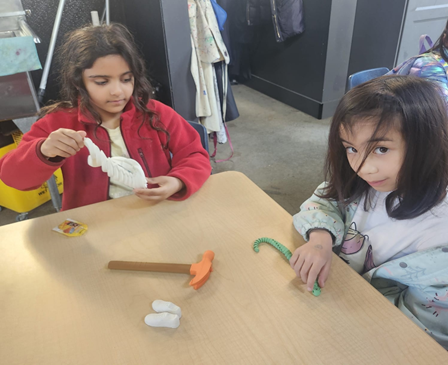
In many classrooms, ideas stop at discussion. At Renaissance Academy of Learning, the goal is different: ideas are meant to be tested, shaped, and brought into the physical world. When students can move from sketch to structure, from concept to object, learning shifts from observation to participation. By introducing tools that make creation immediate and tangible, the academy is changing how students understand creativity, problem-solving, and their own ability to build something that did not exist before.
For more than three decades, Renaissance Academy of Learning and The Arts Conservatory has served families in Richmond through a multidisciplinary approach to education that combines academics, arts, leadership development, and community engagement. Operating from a 25,000-square-foot facility, the academy supports learners from 12 months old to adults, with more than 1,000 students and families moving through its programs each week.
The institution employs more than 60 full-time staff members and works alongside approximately 50 contractors to deliver a wide range of educational services, including early childhood education, after-school enrichment, dance, music, visual arts, language programs, leadership initiatives, and seasonal camps. Guided by its mission to develop confident and capable leaders through arts-infused education, the academy continuously looks for ways to connect creativity with practical learning experiences.
As technology became increasingly important in education, the academy identified an opportunity to strengthen its STEAM programming by introducing hands-on design and manufacturing tools into the classroom.
The challenge: bridging creativity and tangible innovation
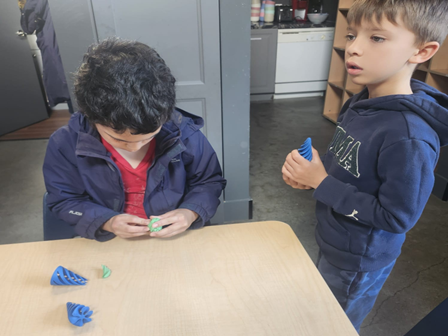
Before implementing 3D printing technology, Renaissance Academy of Learning faced limitations in bringing engineering, product design, and physical prototyping into everyday student experiences. Creative concepts often remained theoretical because students lacked direct access to tools that could turn ideas into tangible objects.
Prototyping projects frequently required external fabrication services, which slowed down the creative process and limited experimentation. The school also recognized a growing need to expose students to emerging technologies that reflect current industry practices and future career pathways.
The leadership team viewed 3D printing as a way to bring creativity, engineering, entrepreneurship, and problem-solving together in a single learning environment. Their goal was to build a structured innovation program around the new equipment, one that would allow students to move from concept development to physical production independently.
The decision: introducing Bambu Lab 3D printing technology
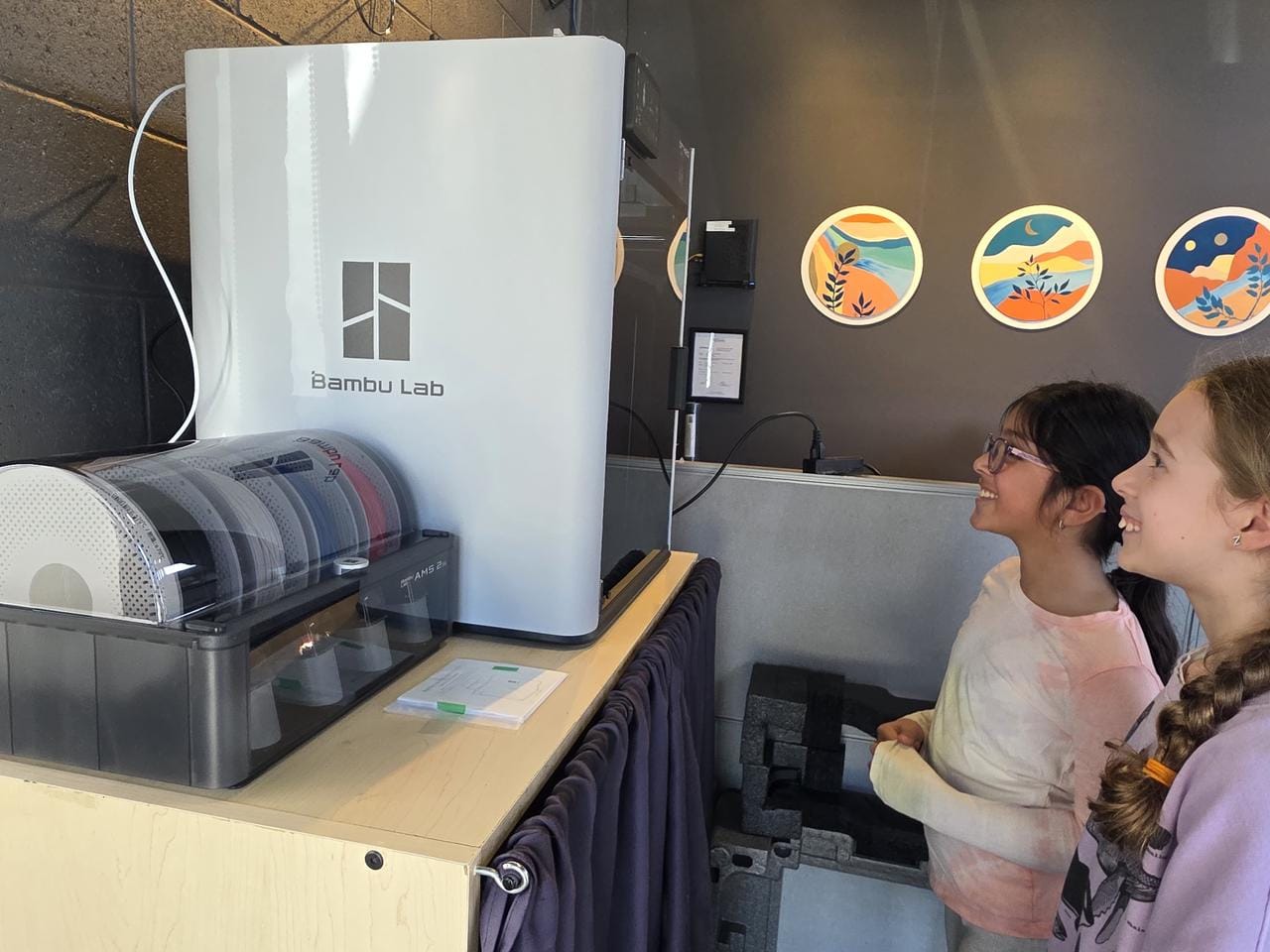
To support this vision, the academy introduced a Bambu Lab H2S printer into its educational programs. The model was selected based on the school’s size, operational needs, and the broad age range of its students.
Safety, reliability, and ease of use were major priorities. Because the academy serves children as young as 12 months alongside teenagers and adult learners, staff needed equipment that could operate consistently while remaining accessible to beginners. The enclosed design, professional-quality output, print speed, and multi-color capabilities made the H2S a strong fit for classroom use.
The academy is also exploring future expansion with additional Bambu Lab models, including the H2D or H2C and the P1S, as it develops more advanced programs and increases student participation in design-based learning.
Early impact and expected outcomes
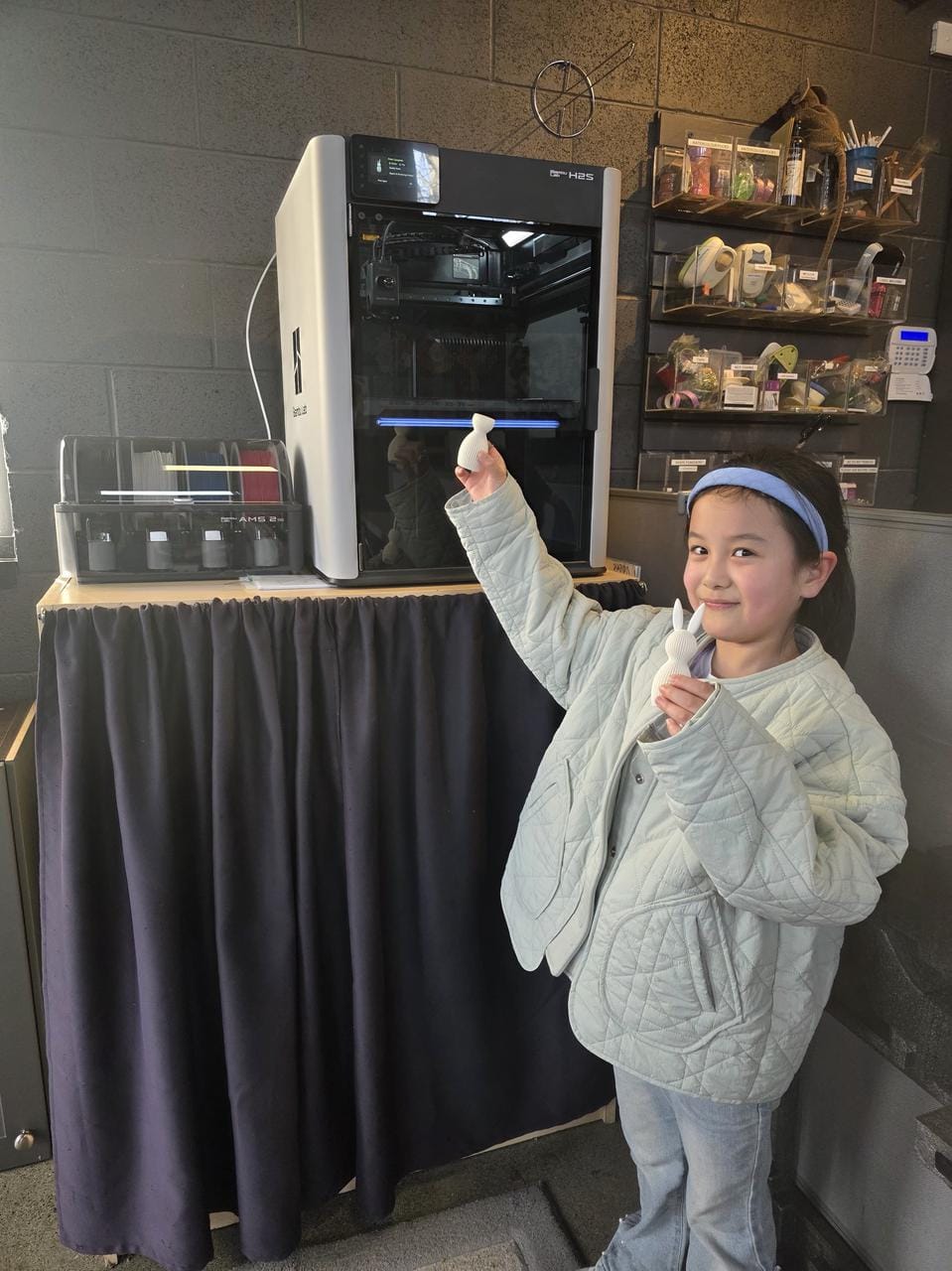
The introduction of 3D printing immediately opened new opportunities across multiple departments and age groups. Students began engaging with design concepts in a more direct and practical way, turning ideas into functional prototypes and creative projects on site.
The academy plans to use 3D printing across a wide variety of applications, including educational manipulatives for early learners, engineering prototypes, stage props, classroom tools, decorative art pieces, entrepreneurial products, and replacement parts for daily operations.
Several programs are currently under development: STEAM-focused learning initiatives; cross-curricular projects combining art, engineering, and entrepreneurship; student-led product development; community-focused innovation projects; custom educational materials created in-house; and fundraising initiatives using student-designed products.
One of the school’s earliest successes came with the launch of a new “3D Maker’s Lab” summer camp. Interest from families and students exceeded expectations, and the camp reached full enrollment shortly after registration opened. The response demonstrated strong community demand for hands-on technology education combined with creative learning.
Like many organizations adopting new technologies, the academy experienced technical and operational challenges during the early implementation phase.
Staff encountered issues including Z-axis errors, filament feeding problems, AI-detected print defects, and filament jams that interrupted print jobs and caused delays. Because the team was new to 3D printing, troubleshooting these problems required additional time and experimentation, especially when existing manuals did not fully address specific issues.
Although these disruptions slowed initial progress, they also became part of the learning process for both educators and students. The academy began researching workflow improvements, slicing profiles for classroom batch printing, print queue management systems, and post-processing techniques such as sanding, priming, and painting.
This research-driven approach reflects the school’s broader educational philosophy: encouraging experimentation, resilience, and practical problem-solving through real-world experiences.
Even at this early stage of implementation, the academy has observed measurable educational benefits.
Student engagement during 3D printing activities increased significantly, particularly during hands-on projects where learners could design and produce real objects themselves. The ability to physically create prototypes helped students better understand design thinking, engineering concepts, and creative iteration.
The academy also noted growing interest in technology-focused programming from both students and families. In addition to the fully enrolled summer camp, the school is organizing future fundraising and community initiatives connected to student-created products and innovation projects.
Educators believe the technology supports multiple forms of learning at once by combining creativity, technical skill development, collaboration, and entrepreneurship within a single platform.
Alongside the hardware, the academy plans to incorporate Bambu Studio into its classroom workflow. Staff members selected the software for its clear interface and accessibility for beginners.
Features such as efficient slicing tools, multi-print management, and access to community-created models are expected to simplify classroom operations while helping students quickly start designing and printing projects.
The software also supports differentiated learning: beginners can work with existing templates, while more advanced students can customize and create original designs independently.
Future outlook
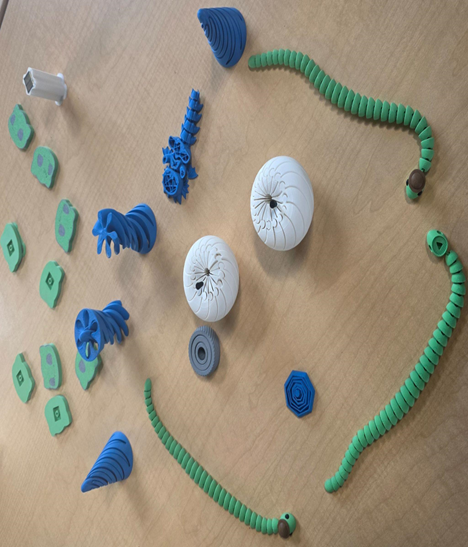
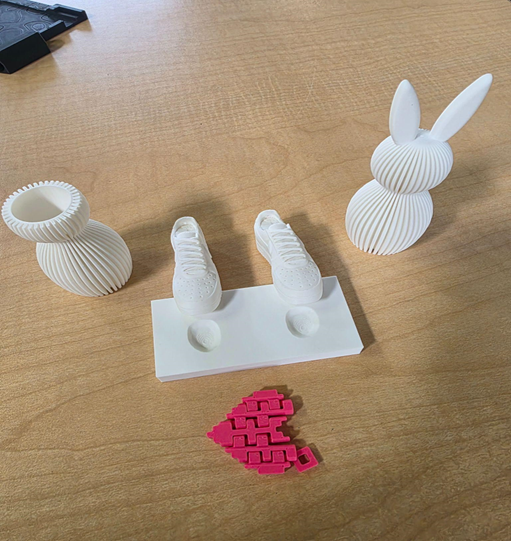
Renaissance Academy of Learning views 3D printing as a long-term investment in innovation-focused education.
Future plans include bringing 3D design into the core curriculum, expanding robotics and engineering projects, and launching a dedicated innovation lab centered on community-based design challenges. The academy is also interested in emerging technologies such as AI-assisted design tools and sustainable printing materials that support environmentally responsible manufacturing practices.
As the program grows, the academy hopes to see additional educational resources from technology partners, including libraries matched to the curriculum, educator onboarding materials, classroom management dashboards, and age-appropriate learning guides for students.
Despite the challenges that come with adopting new technology, the academy describes its experience with Bambu Lab as positive and forward-looking. School leadership believes the technology fits closely with the institution’s values of creativity, innovation, and precision, while giving students practical tools to turn imagination into real-world outcomes.
By combining arts-infused education with hands-on manufacturing technology, Renaissance Academy of Learning is creating an environment where students are encouraged to imagine new ideas and then build them.
Conclusion
Renaissance Academy of Learning is changing how creativity and technical skills intersect in education. By introducing 3D printing into its ecosystem, the institution is creating a space where ideas can be tested, refined, and brought into the physical world without delay.
What began as a response to a practical limitation is evolving into a broader transformation, one that connects imagination with execution and positions students to engage with the processes that shape modern innovation.