When Venezuela needed help, the makers moved first
Mobilizing global 3D printing community for Venezuela Earthquake Relief Initiative

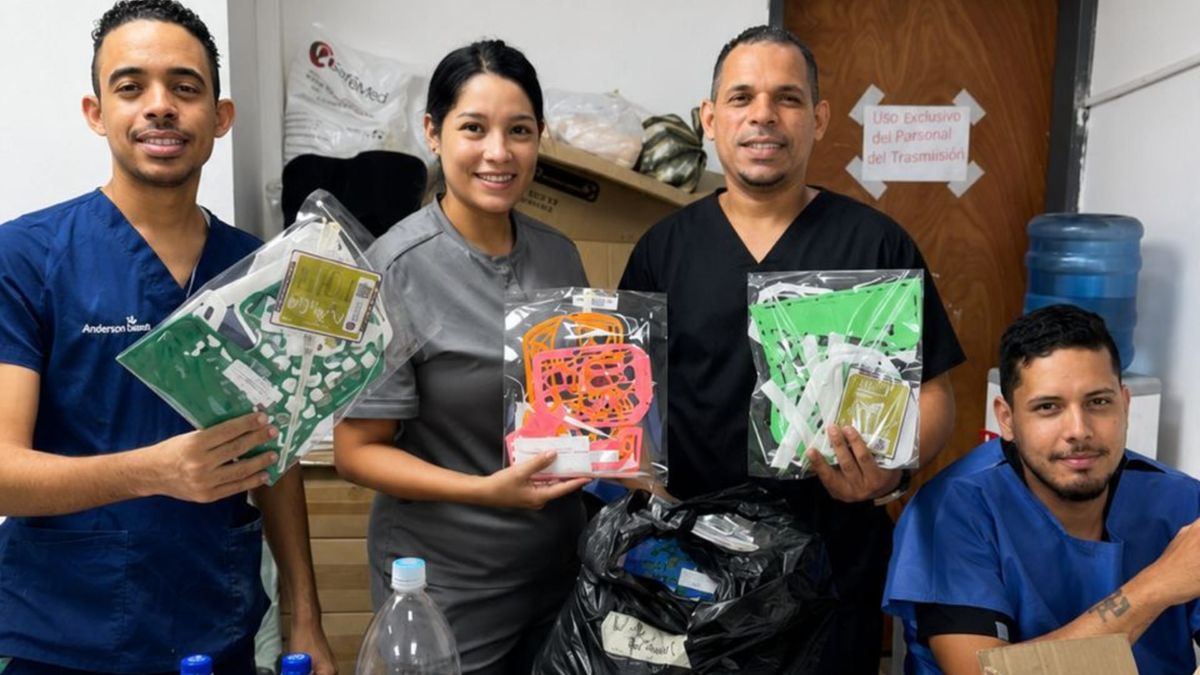
Like a lot of you, we were deeply saddened by the news out of Venezuela.
On the evening of June 24, the ground in the north of the country moved twice in less than a minute - a magnitude 7.2 foreshock, then a magnitude 7.5 mainshock centered near the city of Verocayes, in Yaracuy State.
It was the strongest earthquake Venezuela has seen since 1900, and the human toll has been hard to take in: more than 3,500 people have died, over 16,000 have been injured, and according to the United Nations, more than 50,000 people are still listed as missing. Over 17,000 residents have been left homeless. with the damage heaviest around La Guaira, Caracas, and Morón.
In moments like this it's easy to feel helpless. What's stayed with us over the past couple of weeks is something else entirely - how fast this community showed up.
The makers didn't wait
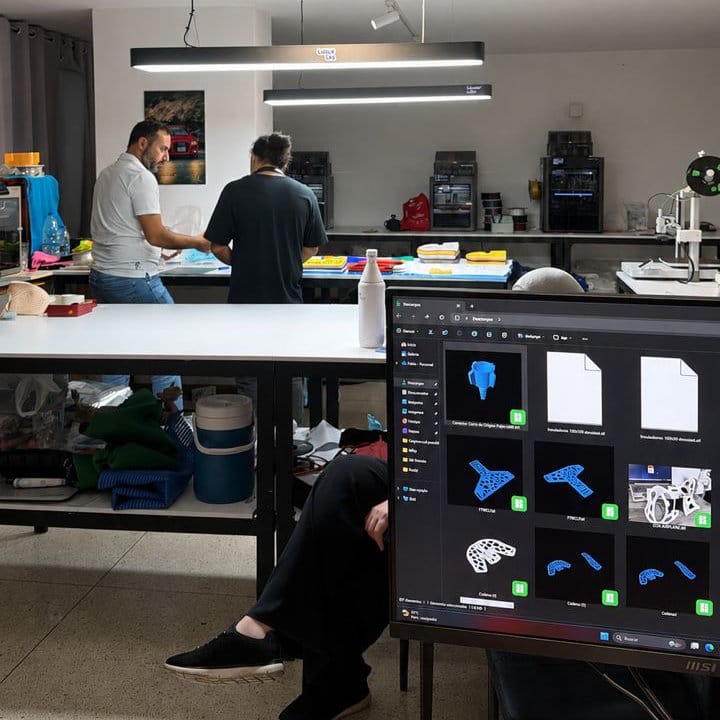
Before the larger relief operation was fully in motion, people with 3D printers were already at work.
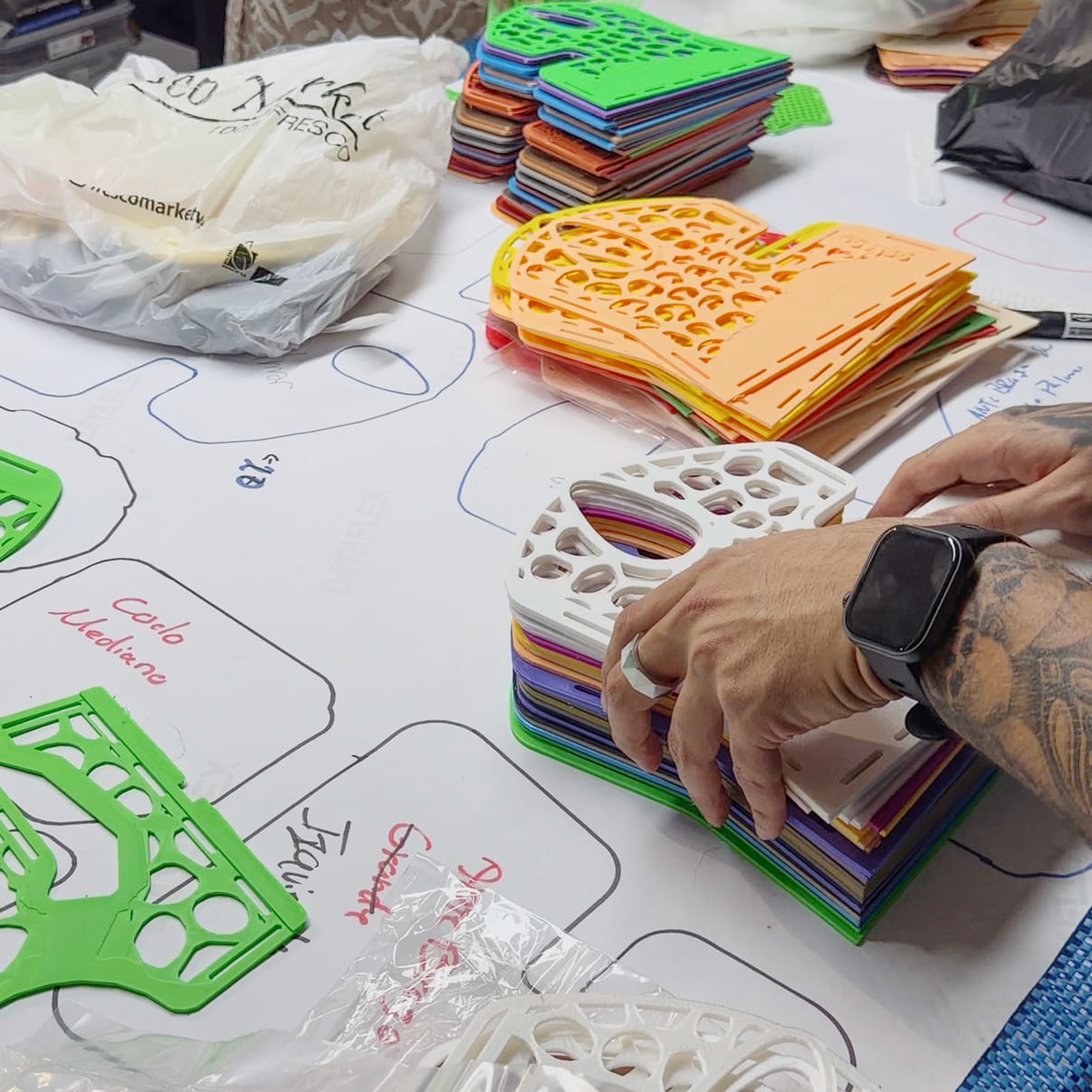
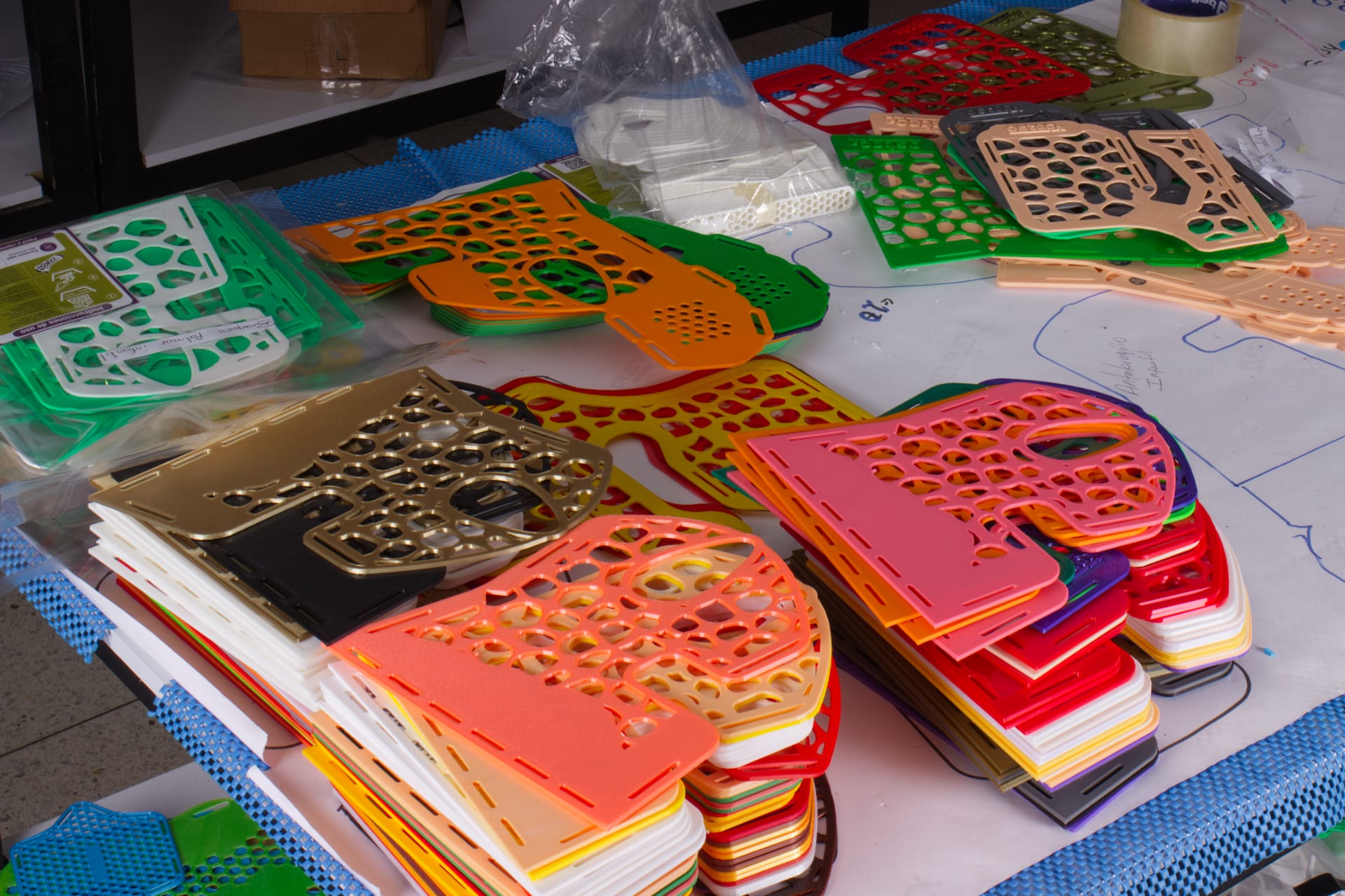
It started with Ostec3D, which released a complete set of printable files for thermoplastic orthopedic splints, free for anyone to use.
That one decision was enough to set a whole distributed network going.
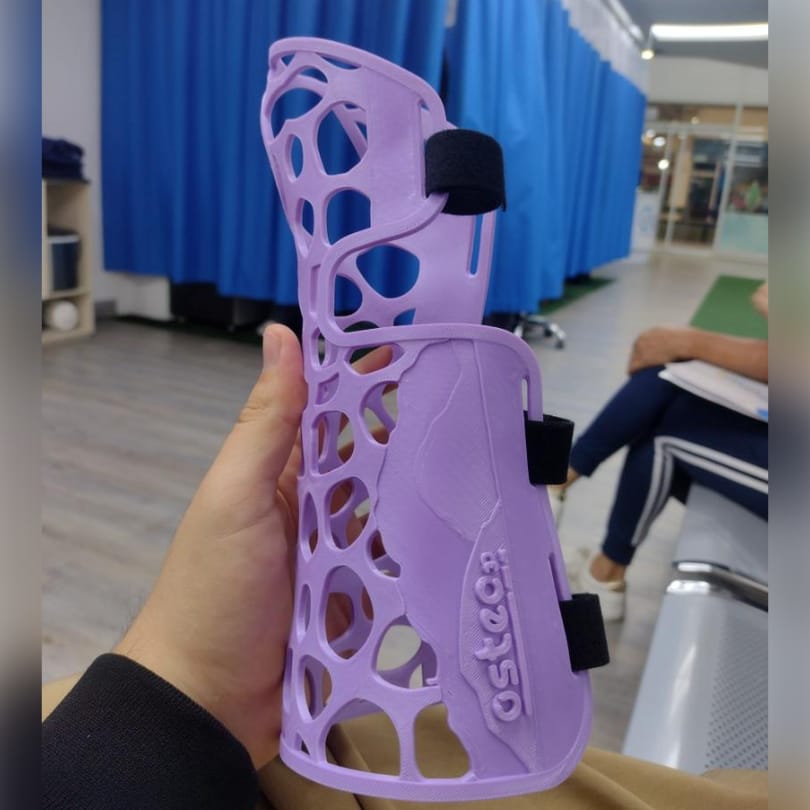
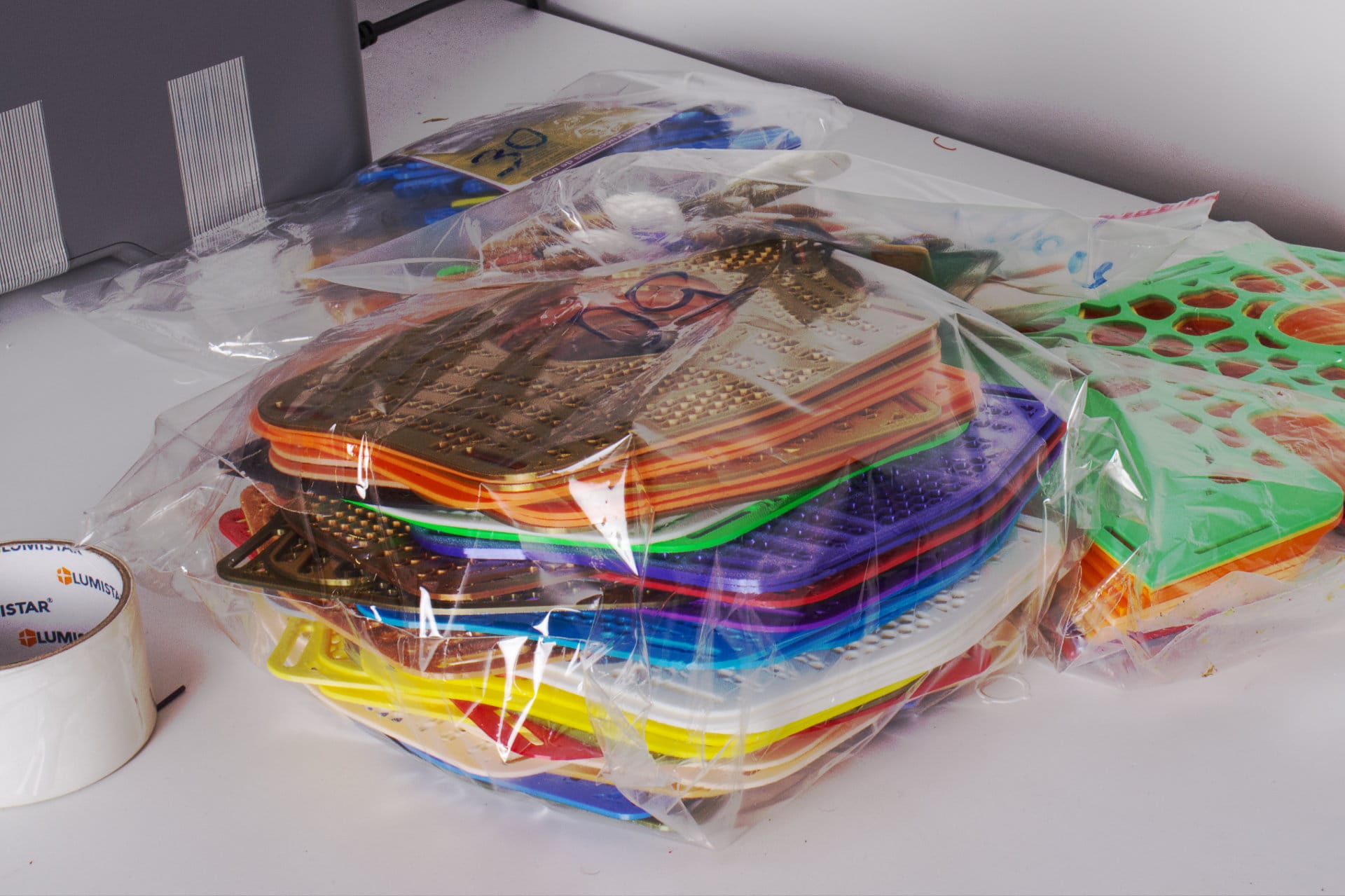
Within days, makers were printing not only splints but cervical collars and oxygen cone connectors - the kind of small, unglamorous parts that hospitals suddenly couldn't get enough of.
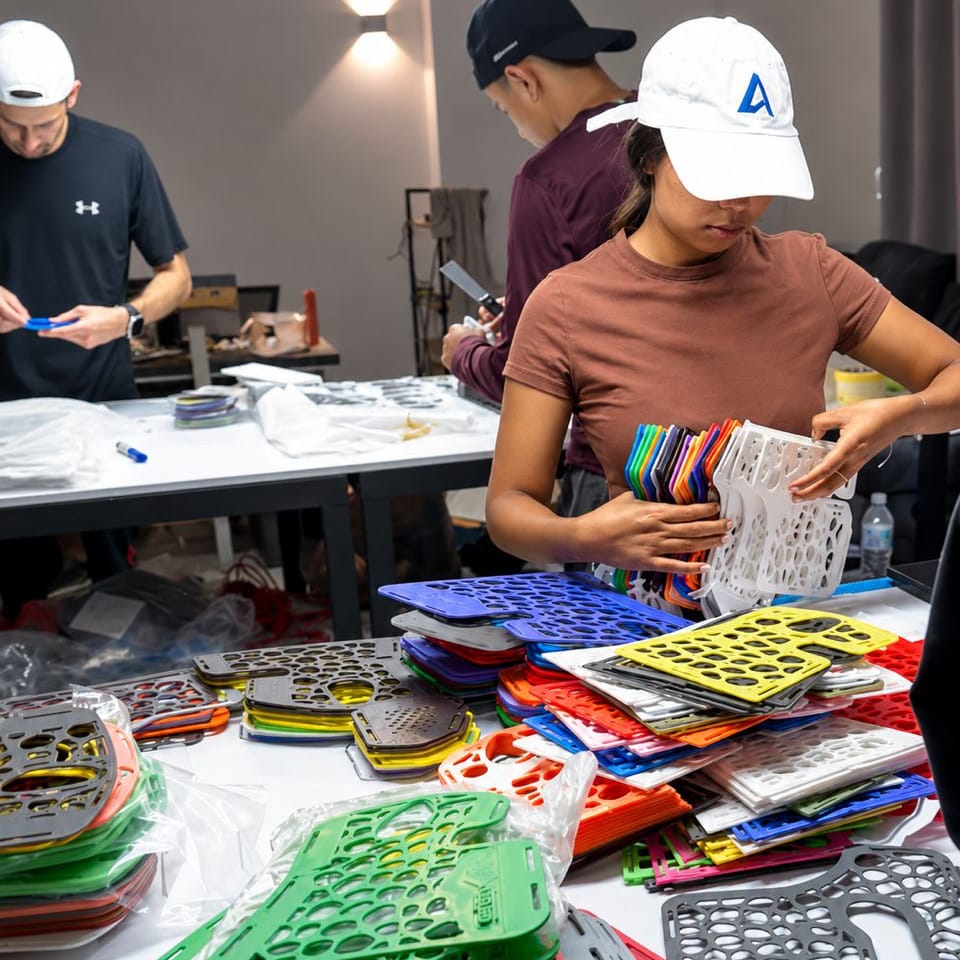
By June 30, 97 workshops and teams across 11 countries had joined in. Between them they had printed 2,625 splints, with 828 already in the hands of the people who needed them.
Behind those numbers are people like Brady Ashcroft, who is sixteen. He set up eight printers and turned out more than a hundred splints on his own. His story traveled fast, and it's easy to see why: a few machines, a good file, and someone willing to put in the hours - that's the whole barrier to entry now.
On the ground in Venezuela, much of the day-to-day coordination fell to LayerLab, a local Bambu Lab distributor.
Alongside their own printing, they donated 160 kilograms of filament to keep production moving.
The maker community wasn't working alone. World Central Kitchen was serving hot meals from the day of the earthquake, together with 19 local partners. Direct Relief sent medical kits to health facilities. UNICEF airlifted 48 tonnes of medical and sanitation supplies. The IFRC released 2 million Swiss francs in emergency funding, Samaritan's Purse flew in a field hospital, and GEM pledged $35 million in aid.
Where we fit in
Bambu Lab's LATAM team committed to supplying LayerLab with filament and 3D printers filament and printers to keep local production running.
Also, the company has committed $50,000 in direct financial assistance for earthquake victims.
In addition, the company is launching a separate 48-hour fundraising campaign.
Beginning Monday, July 13, at 8:00 a.m. Venezuela time (UTC−4), customers will be able to purchase PLA Basic Refill filament in the three colors of the Venezuelan flag:
The campaign has been designed so that every purchase counts. For every qualifying filament sold, Bambu Lab will donate the full $20 retail price, even if the customer receives a discount and pays less. The company covers the difference.
One hundred percent of those funds will be donated to the UN Crisis Relief Fund on behalf of the global maker community.
After the campaign concludes, Bambu Lab will publish the total amount raised together with official confirmation of the donation.
If you already support a humanitarian organization or NGO you trust, giving to them directly is the most effective way to help - and we'd genuinely rather say that than leave it unsaid.
If you do print, print with intention: only the items that the people coordinating relief have actually asked for and approved.
In a crisis, a hundred well-meant parts stranded somewhere along the supply chain help no one, while a validated design in the right hands can matter enormously.
And, as usual, the community moved first.
If you'd like to be part of this one, we'd be honored to have you!
All photos courtesy of Norber Alejandro Peña Santos of Ostec3D, and Carlos Javier Hernàndez Carrillo of LayerLab, C.A. All right reserved.